What’s Inside
- Plain, Whole-Milk Yogurt for Healthy Toddler Snacks
- Master the 3-Ingredient Chia Seed Pudding
- Pair Whole-Grain Crackers with Real Protein
- Stock Vegetable-First Pouches for Emergencies
- Spread Nut Butters Thinly to Prevent Choking
- Create Hydrating Homemade Fruit Popsicles
- Batch-Cook Low-Sugar Hidden Veggie Muffins
- Offer Deconstructed Snacks for Independence
- Follow Strict Safety Rules for Proper Prep
- Implement a Scheduled Snacking Routine
- Introduce Surprising Veggies Like Dried Seaweed
- Low-Sugar Oat Bars for Healthy Toddler Snacks
Last Tuesday at Target, I was scrubbing dried yogurt off my steering wheel while my two-year-old screamed in the back. That disaster made me realize I needed a new system for healthy toddler snacks. I’d handed him a store-bought smoothie pouch, and it exploded everywhere. The smell of fermented strawberry puree lingered for days. If you’re tired of cleaning up sticky messes or worrying about hidden sugar, I’m here to help. I’ve spent three years testing recipes and reading labels so you don’t have to. I’m sharing exactly what works in my house, including the specific brands I buy and the prices I pay. Let’s skip the complicated Pinterest recipes that take three hours. These are realistic, fast, and nutritious options that won’t leave your kitchen looking like a disaster zone. Learned that the hard way.
1. Plain, Whole-Milk Yogurt for Healthy Toddler Snacks

Let’s talk about the yogurt aisle. It’s basically a candy aisle in disguise. I used to buy those bright tubes of kid yogurt until I actually read the label. They’re packed with refined sugar. Now, I buy Stonyfield Organic YoBaby Plain whole milk yogurt. A 6-pack of 4 oz tubs costs about $4.99 at Whole Foods. Skip the fat-free stuff. It tastes like wet cardboard. Toddlers need that milk fat for brain development anyway. I take one 4 oz tub and mix in 1/4 cup of mashed raspberries. The berries give it a bright pink color, and the tartness cuts through the rich yogurt. I tried using whole blueberries once, but my daughter just spit them out onto the floor. It was a textural nightmare. Always mash the fruit. You get the sweetness without the choking hazard. If I’m prepping for the week, I mash a whole pint of raspberries and keep them in a glass container. Then I just scoop 2 tablespoons into the yogurt right before serving. It saves me so much time.
2. Master the 3-Ingredient Chia Seed Pudding

This one’s easy, but I definitely messed it up the first time. I tried making chia pudding by dumping a handful of seeds into a bowl of milk and handing it to my son. He took one bite of the crunchy, watery mess and threw the spoon across the room. You have to let it sit. The magic ratio is 1/4 cup of Nutiva Organic Chia Seeds ($7.99 for a 12 oz bag at Sprouts) mixed with 1 cup of whole milk and 1/2 teaspoon of pure vanilla extract. Whisk it well, let it sit for five minutes, whisk again to break up clumps, and put it in the fridge for at least two hours. Overnight’s even better. The seeds absorb the liquid and turn into a thick, creamy pudding. Chia seeds are packed with omega-3s and fiber. I divide the batch into three 4 oz mason jars. It costs pennies per serving. If your kid hates the texture, blend the mixture before chilling.
3. Pair Whole-Grain Crackers with Real Protein

Finding a decent cracker’s hard. Most boxes are just refined flour and salt. I’m obsessed with Simple Mills Almond Flour Crackers. A 4.25 oz box runs about $5.39 at Target. They’re pricey, but the ingredient list is clean. They’re baked with almond flour, sunflower seeds, and flax seeds. They have a hearty crunch that doesn’t turn to mush in a toddler’s mouth. I never serve crackers alone. That’s a rookie mistake that leads to a cranky kid twenty minutes later. I always pair them with a protein or fat. I’ll take three or four crackers and add a thin slice of Tillamook medium cheddar cheese (about 1/2 ounce). The sharp cheese pairs perfectly with the salty cracker. I’ve tried spreading hummus, but that usually ends up on my rug. Stick to cheese slices if you’re outside the high chair. It keeps their blood sugar stable.

Veratify Healthy Mixed Snack Box (66 Count) Snacks Gift
If you want something that just works, Veratify Healthy Mixed Snack Box (66 Count) Snacks Gift Basket Granola is a safe bet (72 reviews, 4.5 stars).
4. Stock Vegetable-First Pouches for Emergencies

I’m not going to pretend I never use food pouches. They’re lifesavers in traffic or running errands. But you have to be careful. Most are just glorified apple sauce with a drop of spinach juice. I only buy Serenity Kids vegetable pouches. I order the 12-count pack online for $43.90, which is about $3.66 per 3.5 oz pouch. I also grab them at Walmart in a pinch. They use real organic vegetables and olive oil without adding sweet fruits. My favorite is the sweet potato and spinach blend. It smells earthy, not sickly sweet. I made the mistake of giving my toddler a cheap, fruit-heavy pouch before nap time once. The sugar rush derailed our schedule for an hour. Never again. Now, I keep two Serenity Kids pouches in my diaper bag. They don’t need refrigeration until opened, making them the ultimate emergency snack. You might also like: 15 Inspiring Aesthetic Healthy Snack Ideas to Steal Right Now
5. Spread Nut Butters Thinly to Prevent Choking

Nut butter’s great for growing kids, but it terrifies me when I see parents serving big, thick spoonfuls. Thick blobs are a massive choking hazard for children under four. It can glue their airways shut. I learned this from a pediatric dietitian. I always spread nut butter paper-thin. A translucent layer. I take one tablespoon of Justin’s Classic Peanut Butter ($5.99 for a 16 oz jar at Kroger) and spread it across a sliced apple or whole-wheat toast. If we’re at the park, I use the Justin’s squeeze packs ($1.19 for 1.15 oz). The trick is to snip a tiny corner off the packet so you control the flow. Squeeze a ribbon onto a banana round and spread it flat with your finger. It takes two seconds and gives me peace of mind. A little bit goes a long way. You might also like: 20 Beautiful Easy Healthy Lunch Ideas for Every Budget
6. Create Hydrating Homemade Fruit Popsicles

When summer hits, my kids beg for ice cream. Instead of fighting it, I make my own popsicles. Store-bought ones are basically frozen corn syrup. I bought a Zoku classic pop mold at Target for $14.99, and it’s paid for itself. The recipe is foolproof. I take 1 cup of frozen mango chunks (I buy the 4 lb bag at Costco for $10.99) and blend it with 1/4 cup of full-fat canned coconut milk. You don’t need sugar because the mango is sweet. The coconut milk gives it a creamy texture that prevents it from turning into a solid block of ice. I pour the puree into molds and freeze them overnight. They pop out perfectly. I tried making these with fresh watermelon once. It was a disaster. The water content was too high, and they turned into icy shards. Stick to creamy fruits like mango or banana. These are amazing for teething toddlers. You might also like: 20 Inspiring Quick Easy Healthy Snack Ideas to Inspire Your Next Project
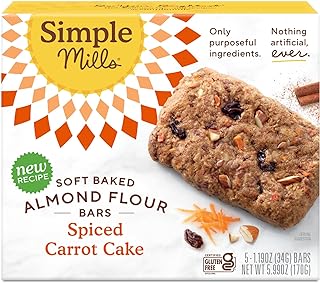
Simple Mills Almond Flour Snack Bars, Spiced Carrot Cake
Simple Mills Almond Flour Snack Bars has been one of the most consistently praised picks in this category. 532 reviewers averaged 4.5/5.
7. Batch-Cook Low-Sugar Hidden Veggie Muffins

I’m a huge fan of baking in bulk. It’s the only way I survive the week. Every Sunday, I make a double batch of spinach and banana muffins. I use King Arthur Whole Wheat Flour ($5.49 for 5 lbs at Kroger). The secret is to blend 2 cups of fresh spinach into the wet ingredients (3 mashed bananas, 2 eggs, 1/3 cup melted butter). The batter turns a shocking green. When they bake, they smell like banana bread. My kids call them monster muffins and devour them. There’s zero added cane sugar. I let them cool, then toss them into a silicone freezer bag. When snack time rolls around, I microwave one for 30 seconds. It comes out warm and soft. I used to keep them on the counter, but they’d get moldy by Thursday. Freezing is the only way to go. These are packed with iron and fiber.
8. Offer Deconstructed Snacks for Independence

Toddlers are independent. If I hand my son a mixed bowl, he’ll pick out the one thing he doesn’t want and throw it. I started serving deconstructed snacks, and it saved my sanity. I use a divided plate. In one section, I put 1/4 cup of Good Culture Whole Milk Cottage Cheese ($1.79 at Whole Foods). In another, three Simple Mills crackers. In the last, 1/2 cup of green grapes. I always quarter the grapes lengthwise. Never serve whole grapes. They’re the perfect size to block a windpipe. By separating the foods, my son chooses what he eats and in what order. He loves dipping the crackers into the tangy cottage cheese. It gives him control, which reduces tantrums. It also helps him practice fine motor skills. It looks like a miniature charcuterie board.
9. Follow Strict Safety Rules for Proper Prep

We need to talk about choking. It’s terrifying, but you have to be vigilant. I learned this at a family barbecue when a relative handed my one-year-old a whole cherry tomato. I swatted it out of his hand so fast it flew across the patio. Always cut round foods. Grapes, cherry tomatoes, and large blueberries must be cut into quarters lengthwise. Cutting them in half width-wise doesn’t change the shape that can block an airway. I avoid whole nuts, popcorn, hard candies, and marshmallows for kids under four. Popcorn’s especially dangerous because kernels are easily inhaled. When I serve carrots, I never serve them raw. I peel them, slice them into sticks, and steam them until they’re mushy. I buy the 2 lb bag at Trader Joe’s for $1.99. I steam a huge batch on Monday and keep them in a glass container. They’re sweet, soft, and safe.

KIND Breakfast Bars, Peanut Butter, Healthy Snacks
Honestly, KIND Breakfast Bars surprised me — sturdier than it looks in the photos, and over 16 buyers gave it 4.5 stars.
10. Implement a Scheduled Snacking Routine

If you let a toddler graze all day, they won’t eat a proper meal. I used to leave a bowl of dry cereal on the coffee table. My daughter would grab a handful and keep playing. By dinner, she’d refuse to eat her chicken and broccoli because she was full of empty carbs. It was frustrating. I instituted a strict schedule. Breakfast at 7:30 AM, mid-morning snack at 10:00 AM, lunch at 12:30 PM, and afternoon snack at 3:30 PM. I space everything two to three hours apart. When it’s snack time, we sit at the table. We don’t eat on the couch. This teaches them that eating’s an intentional activity. It was a rough transition for three days. She whined and pointed at the pantry. I held my ground. Now, her appetite’s regulated. When I put a plate in front of her at 3:30 PM, she’s actually hungry.
11. Introduce Surprising Veggies Like Dried Seaweed

You’d be shocked at what a toddler will eat if you offer it casually. I was eating a pack of Gimme Organic Roasted Seaweed one afternoon. I buy the 6-pack at Whole Foods for $5.99. My son waddled over, grabbed a sheet, and shoved it in his mouth. I expected him to gag. Instead, he chewed it and demanded more. Seaweed’s an incredible snack. It’s packed with iodine and satisfies that craving for salty and crunchy. The sheets are tissue-paper thin and dissolve almost instantly, so the choking risk is low. Just make sure the sheets are crisp. If you leave the package open, the seaweed gets unpleasantly chewy. I made that mistake once, and the sticky seaweed got glued to the roof of his mouth. He was miserable. Now, I only open a fresh pack right before eating. It creates a mess of green flakes, but I’ll happily vacuum.
12. Low-Sugar Oat Bars for Healthy Toddler Snacks

Most granola bars marketed to kids are candy. They’re held together with corn syrup and coated in chocolate. I refuse to buy them. If I need a shelf-stable bar for the diaper bag, I buy Skout Organic Kids Bars. They cost $24.99 for a box of 6 on Amazon, but they’re made entirely from dates, fruit, and seeds. No added cane sugar. When I have time, I make my own oat bars. I use Trader Joe’s Rolled Oats ($3.99 for 32 oz). I mix 2 cups of oats with 1 cup of mashed overripe bananas and 1/4 cup of melted coconut oil. I press the mixture into a pan and bake at 350 degrees for 20 minutes. Once it cools, I slice it into rectangles. They’re chewy, sweet, and filling. I wrap them in parchment paper and keep them in the fridge. They’re a dense source of energy.
Finding the right balance takes trial and error. I’ve wiped enough mashed banana off the ceiling to know not every snack will be a winner. But sticking to these whole-food options has changed our daily routine. I’m no longer stressing about sugar crashes. If you’re feeling overwhelmed, pick one or two of these to try this week. Start with the chia pudding or the deconstructed plates. You’ll be amazed at how quickly your kids adapt. Please save or pin this article so you have it handy the next time you’re standing in the grocery store aisle feeling uninspired. You’ve got this.

Nature’s Garden Healthy Trail Mix Snack Pack (28.8 oz)
Nature’s Garden Healthy Trail Mix Snack Pack (28.8 oz) punches above its price — 106 buyers rated it 4.5 stars. I would buy it again.
Frequently Asked Questions
What are the best healthy toddler snacks for on-the-go?
For on-the-go, I rely on Serenity Kids vegetable pouches and Justin’s peanut butter squeeze packs. They don’t require refrigeration until opened and provide real nutrition without the sugar crashes associated with typical packaged fruit snacks.
How do I prevent choking when serving healthy toddler snacks?
Always cut round foods like grapes and cherry tomatoes into quarters lengthwise. Spread nut butters paper-thin, avoid whole nuts and popcorn entirely for kids under four, and steam hard vegetables like carrots until they are soft enough to mash.
Are store-bought fruit snacks healthy for toddlers?
Most store-bought fruit snacks are basically candy. They are packed with refined sugar and have a sticky texture that can cling to teeth and cause cavities. I prefer offering fresh mashed berries in plain yogurt or homemade fruit popsicles instead.
How often should I offer snacks to my toddler?
I recommend spacing meals and snacks exactly two to three hours apart. Establishing a strict snacking routine prevents constant grazing, which helps ensure your toddler is actually hungry enough to eat nutritious foods at meal times.
