What’s Inside
- High Protein Meals Vegetarian: The Extra-Firm Tofu Stir-Fry
- Smoky Tempeh Chili for Cold Nights
- Budget-Friendly Lentil and Hemp Seed Bowls
- High Protein Meals Vegetarian: The Ultimate Chickpea Salad
- Seitan Fajitas with Roasted Pumpkin Seeds
- Sneaky Green Pea and Edamame Pasta
- The Clear Vegan Protein Smoothie Bowl
- Sprouted Lentil and Quinoa Power Salad
- The Heavyweight Pea Protein Oatmeal
- Roasted Chickpea and Tempeh Wraps
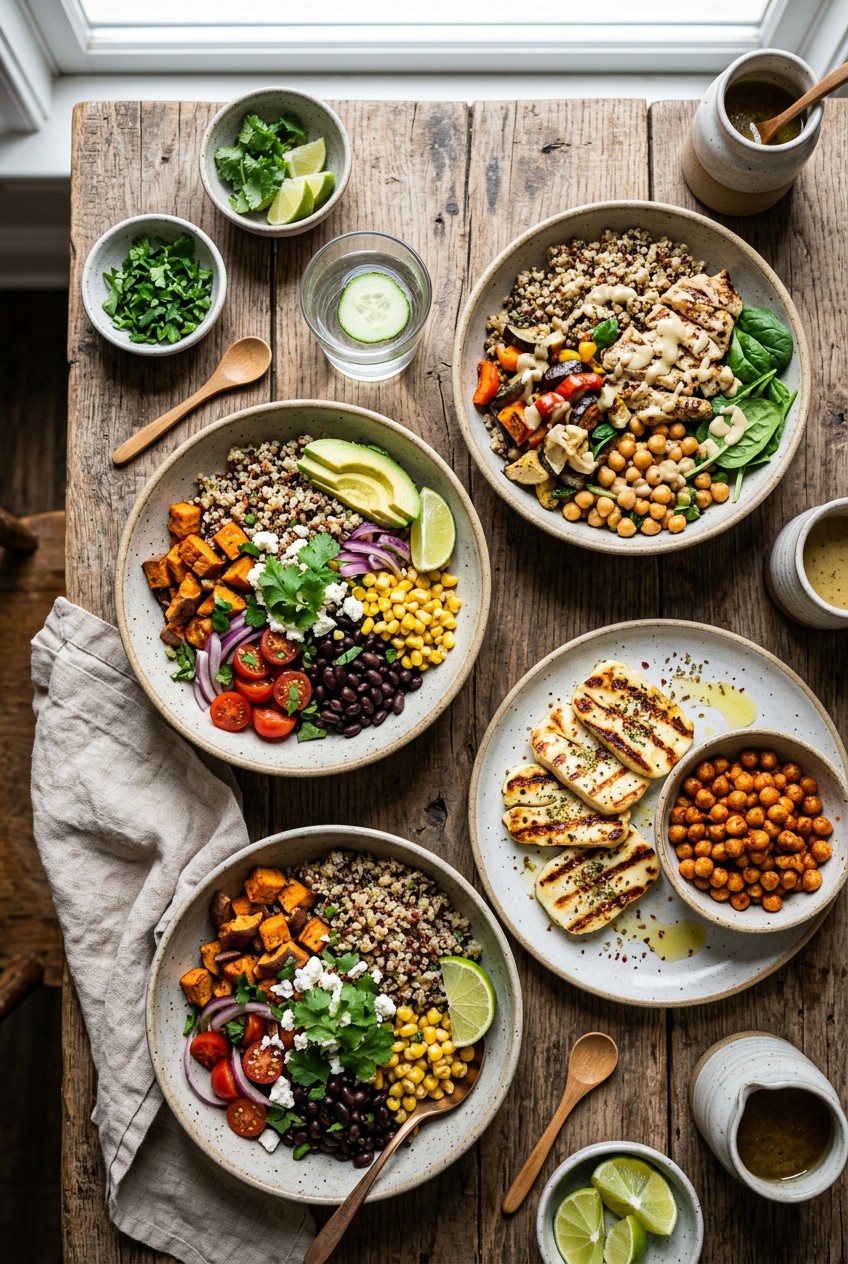
I’m standing in the middle of the Whole Foods prepared foods aisle last Tuesday, staring down a sad, limp container of mixed greens and a few stray garbanzo beans. My stomach is physically growling loud enough for the guy next to me to hear. If you want high protein meals vegetarian style, you can’t just rely on a handful of beans and some lettuce. I tried that exact strategy for months before figuring it out. I’d eat a giant bowl of vegetables, feel stuffed for exactly twenty minutes, and then crash hard. I’d end up raiding my pantry for stale tortilla chips by 3 PM. It’s miserable. You need actual, dense, filling food. Skip the fat-free stuff. It tastes like wet cardboard. You need real ingredients with serious staying power. I’ve spent years as a nutritionist testing exactly what keeps you full without relying on chicken breasts. We aren’t talking about tiny portions here. We’re talking about thick, savory, comforting bowls of food. Heavy textures. Rich flavors. Real chewing required. Let’s look at exactly what works, what to buy, and what to avoid.
1. High Protein Meals Vegetarian: The Extra-Firm Tofu Stir-Fry

Let’s talk about tofu. Most people get this wrong. I used to buy the silken stuff, throw it in a hot cast iron pan, and end up with a watery, scrambled mess that tasted like old dishwater. It’s a classic rookie mistake. For actual high protein meals vegetarian style, you absolutely must prioritize extra-firm tofu for maximum protein density. I personally swear by House Foods Organic Extra-Firm Tofu. You can grab a 14 oz block at Target for about $2.99. It holds its shape perfectly. A single 100-gram serving packs about 15 to 19 grams of protein. That’s massive.
I take that 14 oz block and press it for a good twenty minutes using heavy cast iron skillets. You want all that excess liquid gone. Then I cube it into 1-inch squares and toss it with 2 tablespoons of cornstarch, 1 tablespoon of low-sodium soy sauce, and 1/2 teaspoon of garlic powder. Pan-fry it in 1 tablespoon of sesame oil until every single side is a deep, crispy golden brown. The crunch is incredible. I pair this with 1 cup of steamed broccoli and 1/2 cup of cooked brown rice. It’s chewy, salty, and incredibly filling. I made this last Thursday night after a brutal gym session, and I didn’t even think about food until breakfast the next day. Don’t waste your time on softer varieties if you want a meaty texture. They just won’t hold a crust. And honestly, a $2.99 block of tofu feeding you for two meals is the best grocery budget hack out there. Took me years to figure out.
2. Smoky Tempeh Chili for Cold Nights

I used to be terrified of tempeh. The first time I bought it at Sprouts, I didn’t cook it right and it tasted like a bitter, fermented sponge. I threw the whole pan in the trash. But once you know how to handle it, you’ll embrace tempeh for fermented protein power. It has this incredible firm texture and a really earthy, nutty flavor that mimics ground meat beautifully. I always buy the Lightlife Organic Tempeh. An 8 oz block runs between $3.50 and $4.50 depending on the store. It delivers a massive 19 to 20 grams of protein per 100-gram serving.
For a thick, stick-to-your-ribs chili, I crumble one 8 oz package of Lightlife tempeh into a large Dutch oven. I brown it with 1 tablespoon of olive oil, 1 diced yellow onion, and 2 cloves of minced garlic. The caramel-butter smell of the onions cooking down with the nutty tempeh is insanely comforting. Then I dump in 1 15 oz can of diced tomatoes, 2 tablespoons of chili powder, 1 teaspoon of smoked paprika, and 1 cup of vegetable broth. Let that simmer for thirty minutes. The tempeh absorbs all that smoky, spicy liquid but keeps its firm, chewy bite. It won’t turn into mush like some meat substitutes do. I ladle a massive bowl of this on a cold evening and top it with 1/4 cup of diced avocado. It’s dense, spicy, and keeps me completely stuffed. Skip the highly processed fake meat crumbles. They’re usually loaded with sodium and weird fillers. This is whole food, fermented goodness that your gut will actually thank you for.
3. Budget-Friendly Lentil and Hemp Seed Bowls

If you’re broke and hungry, you need to stock up on lentils for budget-friendly bulk protein. I lived on these during my early twenties. A 1-pound bag of Goya Green Lentils costs literally $1.89 at Walmart. When you cook them, a 1-cup serving (about 198 grams) gives you 12 to 18 grams of protein. But here’s the secret to making them actually taste good and not like dirt. You have to season them aggressively. I boil 1 cup of dry green lentils in 3 cups of vegetable broth, not water. Water makes them taste hollow.
Once they’re tender, I drain them and toss them with 1 tablespoon of balsamic vinegar and a pinch of sea salt. The vinegar cuts the earthiness perfectly. But I don’t stop there. I top my lentil bowl with 3 tablespoons of Manitoba Harvest Hemp Hearts. A 12 oz bag of these costs about $9.99 at Kroger, but you only use a little at a time. Those 3 tablespoons add another 9.5 to 10 grams of protein and a rich, buttery crunch. Plus, they’re packed with Omega-3s. The contrast between the soft, warm lentils and the slightly crunchy hemp seeds is fantastic. I ate this exact bowl sitting on my kitchen floor last Sunday while unpacking groceries. It’s cheap, it’s fast, and it works. Expert tip: Dietitians emphasize that you don’t need to consume all essential amino acids in a single meal. Just combine proteins throughout the day. Lentils at lunch and maybe peanut butter toast later is a perfect strategy. You might also like: 20 Lovely Kids Healthy Snack Ideas You Haven’t Thought Of
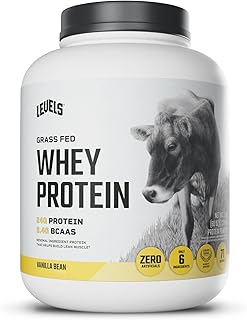
Levels Grass Fed Whey Protein Powder, No Artificials
Levels Grass Fed Whey Protein Powder punches above its price — 64 buyers rated it 4.5 stars. I would buy it again.
4. High Protein Meals Vegetarian: The Ultimate Chickpea Salad

Don’t underestimate chickpeas. They’re the absolute workhorse of high protein meals vegetarian style. A 1-cup serving (164 grams) of cooked chickpeas delivers around 14.5 grams of protein. I usually grab Bush’s Canned Garbanzo Beans at Target for about $1.29 a can. Yes, you can buy dried chickpeas to save pennies, but honestly, I’m too impatient for that on a busy Tuesday. I need food right now. I drain and rinse one 15 oz can, then dump them into a big glass bowl. You might also like: 15 Lovely High Protein Low Calorie Dinner Ideas for a Fresh New Look
I use a potato masher to smash about half of them. You want a mix of whole beans and mushy texture. Then I mix in 2 tablespoons of vegan mayo, 1 tablespoon of Dijon mustard, 1/4 cup of finely chopped celery, and here’s the magic ingredient: 2 tablespoons of Bragg Nutritional Yeast Seasoning. A 4.5 oz shaker costs about $6.49 at Whole Foods. It adds 5 to 8 grams of extra protein and this incredibly savory, cheesy, umami flavor. It completely changes the profile of the salad. I scoop this thick, creamy, crunchy mixture onto two slices of toasted Ezekiel bread. The crunch of the toast with the creamy chickpea mash is just heaven. It’s messy, it’s heavy, and it will keep you full for hours. Plus, nutritional yeast is a great source of Vitamin B12, which you absolutely need if you’re skipping meat. You might also like: 15 Gorgeous Easy Healthy Snack Ideas That Changed Everything
5. Seitan Fajitas with Roasted Pumpkin Seeds

If you haven’t tried seitan yet, you’re missing out on serious staying power. You need to incorporate seitan as a wheat meat alternative. It’s made from wheat gluten and boasts a crazy 21 to 25 grams of protein per 100-gram serving. I usually buy an 8 oz package of Upton’s Naturals Traditional Seitan at Whole Foods for about $5.49. The texture is dense, chewy, and honestly, the closest thing to actual steak you’ll find in the plant world. I slice the seitan into thin strips.
I toss the strips with 1 tablespoon of olive oil, 1 teaspoon of cumin, and 1 teaspoon of chili powder. I sear them in a hot cast iron skillet with 1 cup of sliced bell peppers and 1/2 cup of sliced red onions. The sizzle when the seitan hits the hot pan is incredibly satisfying. It gets these beautiful charred, crispy edges. I load this mixture into two warm flour tortillas. But here’s my surprising tip: I top it with 1 ounce of roasted pumpkin seeds. A 1-pound bag of raw pumpkin seeds costs about $6.99 at Trader Joe’s. I roast them myself. That single ounce adds another 7 to 9 grams of protein and a loud, satisfying crunch that contrasts perfectly with the chewy seitan. I made these for my sister last month, and she didn’t even realize she wasn’t eating chicken until I told her. No exaggeration.
6. Sneaky Green Pea and Edamame Pasta

Let’s talk about a surprising protein source: green peas. A single cup of cooked green peas contains about 8 grams of protein. I used to hate peas. I thought they were mushy, gross little green orbs that ruined perfectly good fried rice. But I was buying the canned ones. Gross. You have to buy frozen peas. They pop in your mouth and taste sweet and fresh. I boil 2 cups of brown rice pasta and throw in 1 cup of frozen organic green peas during the last two minutes of boiling.
I drain the pasta and peas, then toss them with 2 tablespoons of olive oil, 1 clove of minced garlic, and the juice of half a lemon. It’s bright, light, and perfectly chewy. But to really bulk up the protein, I rely on a secret weapon. I crush up a 30g snack pack of Seapoint Farms Dry Roasted Edamame. You can get a multi-pack at Costco for around $12.99. While fresh edamame is great, the roasted version contains 40 to 46 grams of protein per 100 grams because the water is removed. That little 30g pack adds 12 to 14 grams of protein to my pasta bowl. I sprinkle the crushed, salty edamame right on top. The crunch is aggressive and totally addictive. It’s a massive bowl of green, vibrant, salty goodness that leaves me completely satisfied without feeling weighed down.

Transparent Labs Grass-Fed Whey Protein Isolate
Honestly, Transparent Labs Grass-Fed Whey Protein Isolate – Naturally Flavored surprised me — sturdier than it looks in the photos, and over 13 buyers gave it 4.5 stars.
7. The Clear Vegan Protein Smoothie Bowl

Sometimes I don’t want a heavy, hot meal. Especially after a sweaty summer run. But I still need serious fuel. That’s when I turn to plant-based protein powders for convenience. But I’m not talking about those chalky, thick chocolate shakes that taste like dirt and sit in your stomach like a rock. I absolutely hate that texture. Instead, I’m obsessed with what’s popular now: clear vegan protein powders. These are usually fava bean or pea protein-based, but they mix up like juice. They’re a lighter, more refreshing alternative.
I use the Myprotein Clear Vegan Protein Powder in the strawberry flavor. A tub costs around $29.99 online, which breaks down to about $1.50 a serving. I blend 1 scoop (which has 10 grams of protein) with 1 cup of frozen strawberries, 1/2 cup of frozen mango, and 1/2 cup of coconut water. It blends into this icy, bright pink slush that tastes exactly like a fruit popsicle. It’s tart, sweet, and freezing cold. I pour it into a bowl and top it with 2 tablespoons of chia seeds and 1/4 cup of granola. It’s crisp and refreshing, but the protein completely kills my post-workout hunger. I tried making smoothie bowls without protein powder for years, and I’d always be starving an hour later. Adding the clear protein fixes that completely without ruining the fruity flavor.
8. Sprouted Lentil and Quinoa Power Salad

Here’s a massive expert tip for absorption: soaking and sprouting. If you eat a ton of beans and grains and feel constantly bloated, you’re probably skipping this step. To improve the digestibility and nutrient absorption of legumes, grains, nuts, and seeds, you really should consider soaking or sprouting them before cooking. This process reduces anti-nutrients and makes proteins more bioavailable. I used to just boil raw quinoa and lentils and wonder why my stomach hurt all afternoon. Now, I soak 1/2 cup of dry lentils and 1/2 cup of quinoa in water for about four hours before I cook them.
After soaking, I rinse them well and boil them in vegetable broth. The texture is actually better. They get fluffier and lighter. I mix the cooked lentils and quinoa with 1 cup of chopped kale, 1/2 cup of cherry tomatoes, and 2 tablespoons of a lemon-tahini dressing. The earthy quinoa, the soft lentils, and the bitter crunch of the raw kale work perfectly together. The tahini adds a rich, fatty mouthfeel that makes the whole salad feel decadent. This is a perfect example of combining proteins throughout the day, too. You get different amino acids from the seeds in the tahini, the quinoa, and the lentils. I prepped a huge batch of this last Sunday, and it held its texture in the fridge until Wednesday. It’s a crunchy, tangy, earthy bowl of perfection.
9. The Heavyweight Pea Protein Oatmeal

Breakfast is where most people fail miserably on a plant-based diet. A plain bowl of oatmeal is basically just a bowl of carbs. It tastes like mush and leaves you craving a mid-morning snack. To fix this, I mix in a high-quality protein powder. For active individuals or those with high protein needs, plant-based protein powders are excellent. I highly recommend Transparent Labs Organic Plant-Based Protein Isolate. It’s a pea and rice protein blend. A tub costs about $59.99, which is around $2.00 per serving.
I cook 1/2 cup of rolled oats with 1 cup of unsweetened almond milk on the stove until it’s thick and bubbling. Then, I take it off the heat. Do not mix the protein powder in while it’s boiling, or it will curdle into disgusting rubbery lumps. I learned that the hard way and had to throw out my entire breakfast. Once it cools slightly, I stir in 1 scoop of the vanilla Transparent Labs protein powder. It melts in perfectly, making the oats incredibly creamy and sweet. It adds a solid 24 grams of protein. I top it with 1 tablespoon of almond butter and 1/2 cup of fresh blueberries. The warm, thick, vanilla-scented oats mixed with the cold, tart berries is incredible. It feels like eating dessert for breakfast, but it keeps me full until at least 1 PM.

Optimum Nutrition Gold Standard 100% Whey Protein Powder
Optimum Nutrition Gold Standard 100% Whey Protein Powder has been one of the most consistently praised picks in this category. 108 reviewers averaged 4.5/5.
10. Roasted Chickpea and Tempeh Wraps

Let’s wrap this up with my absolute favorite lunch. Literally. A common mistake I see all the time is an over-reliance on processed meat alternatives. People buy frozen vegan chicken nuggets, throw them in a wrap, and call it a day. While convenient, many highly processed plant-based meat alternatives can be high in sodium and other additives. You really need to focus on whole-food protein sources for optimal health benefits. Instead of fake chicken, I make a roasted chickpea and tempeh wrap.
I take 1/2 cup of cooked chickpeas and 4 ounces of crumbled Lightlife tempeh. I toss them with 1 tablespoon of olive oil, 1 teaspoon of garlic powder, and a dash of cayenne pepper. I roast them on a baking sheet at 400 degrees for twenty minutes until the chickpeas are hard and crunchy and the tempeh is browned. The smell of the roasting garlic and cayenne will fill your entire kitchen. I take a massive whole-wheat tortilla, spread 2 tablespoons of hummus on the bottom, and load in the hot, crispy chickpea and tempeh mixture. I add a handful of crisp romaine lettuce for a fresh crunch. When you bite into it, you get the soft tortilla, the creamy hummus, and the loud, spicy crunch of the roasted filling. It’s messy. Crumbs will fall everywhere. But it’s the most satisfying, nutrient-dense lunch you can make. Trust me on this.
Honestly, shifting to a plant-heavy diet doesn’t mean you have to starve or live on limp salads. I’ve built my whole routine around these exact meals, and I’ve never felt stronger or more energized. You just need to be strategic about your ingredients. Don’t settle for watery tofu or plain, boring oats. Season your food aggressively, mix your textures, and always prioritize dense, real-food protein sources. Try that smoky tempeh chili this weekend, and I promise you won’t even miss the meat. If you found these meal ideas helpful, please pin this article to your favorite recipe board and save it for your next grocery run!
Frequently Asked Questions
How do I get enough protein without meat?
You combine dense plant sources like extra-firm tofu, tempeh, lentils, and seitan throughout the day. You don’t need meat if you’re eating proper portions of these heavy hitters.
Are plant-based meat alternatives healthy?
Some aren’t great. Many highly processed vegan meats are packed with sodium and weird fillers. I always recommend sticking to whole-food sources like tempeh, edamame, and chickpeas instead.
Why does my tofu always turn out mushy?
You’re probably buying silken or soft tofu, or skipping the pressing step. Always buy extra-firm tofu and press it under a heavy pan for twenty minutes to drain the water before cooking.
Do I need to combine proteins in one meal?
No, that’s an outdated myth. Dietitians confirm you just need to eat a variety of amino acids throughout the day. Having oatmeal for breakfast and lentils for lunch works perfectly.
