What’s Inside
- 1. String Cheese + Crackers + Apple Slices
- 2. No-Bake Nut Butter Energy Balls
- 3. Greek Yogurt Parfait Powerhouse
- 4. Brain-Boosting Trail Mix
- 5. Veggie Sticks with Hummus
- 6. Mini Banana Muffins (No Refined Sugar)
- 7. Allergy-Safe Sunflower Butter Snack Bites
- 8. Caprese Skewers for Growing Bones
- 9. Apple Sandwiches with Almond Butter
- 10. That’s It Crunchables for Texture Variety
- 11. Protein Bars Done Right
- 12. Edamame and Whole-Grain Muffin Combo
- 13. Protein-Packed Smoothie That Actually Fills Them Up
- 14. Chocolate Chip Peanut Butter Oatmeal Balls
- 15. Whole-Grain Crackers with Avocado Smash
- 16. Homemade Granola Bars (Way Better Than Store-Bought)
- 17. Rice Cakes with Nut Butter and Banana
- 18. Roasted Chickpeas for the Win
- 19. Cottage Cheese with Fresh Fruit
- 20. Hard-Boiled Eggs with Everything Seasoning
Last Tuesday, I watched my nephew demolish a bag of fruit snacks in under three minutes, then ask for more food twenty minutes later. That’s when I realized most parents are trapped in this cycle—offering snacks that taste good but leave kids hungry and cranky within the hour. I’ve spent years testing kids healthy snack ideas in my own kitchen and with clients’ families, and I can tell you the difference between a snack that works and one that flops comes down to three things: protein, fiber, and fat working together. These twenty ideas aren’t just nutritious—they’re actually things kids will eat without you having to bribe them.
1. String Cheese + Crackers + Apple Slices

I personally swear by this combo because it’s saved me on countless road trips. Grab one ounce of Sargento String Cheese (about 80 calories and roughly $0.50 per stick), pair it with 10 whole-grain Triscuit crackers and half a sliced apple. You’re looking at 12g protein and 4g fiber in one portable package.
Here’s what most people get wrong: they offer just the apple or just the crackers. Dietitians keep saying it, but parents don’t listen—fruit alone spikes blood sugar fast, then crashes hard. The protein from cheese and fiber from whole grains balance everything out, keeping kids satisfied for two to three hours instead of thirty minutes.
I pack these in small containers from Target (the ones with dividers work great). My niece used to complain about being hungry before soccer practice ended, but this snack fixed that problem completely. The cheese needs to stay cool though, so invest in a small ice pack if you’re sending this to school.
2. No-Bake Nut Butter Energy Balls

These little guys are trending hard in 2026, and honestly, they’ve changed how I approach weekly meal prep. Mix half a cup of Jif peanut butter with one cup rolled oats, a quarter cup honey, and two tablespoons chia seeds. You’ll get about 20 balls at roughly 50 calories each, and each one delivers around 5g protein.
The common mistake I see everywhere? People add way too much honey trying to make them sweeter. That just spikes the sugar content unnecessarily. The peanut butter already provides enough sweetness, trust me. Roll the finished balls in hemp hearts for extra crunch and omega-3s.
I make a batch every Sunday night and store them in the fridge in a glass container. They last about five days, though mine never make it that long. My friend’s daughter, who’s notoriously picky, ate three of these after gymnastics and asked for the recipe. That’s when I knew I’d hit on something good. Just remember to chill them for at least an hour before packing, or they’ll turn into a melted mess in lunchboxes.
3. Greek Yogurt Parfait Powerhouse

Layer a 6oz container of Chobani Greek Yogurt with a quarter cup of Purely Elizabeth Maple Almond Butter Granola, half a cup of blueberries, and one tablespoon of chia seeds. You’re looking at 15g protein total for about $1.50 per serving. I use mason jars for these because kids love seeing the colorful layers.
Here’s my controversial take: use full-fat yogurt, not the low-fat stuff everyone thinks is healthier. Experts actually recommend full-fat for kids because it keeps them satisfied longer. I switched my nephew from low-fat to full-fat yogurt last year, and his constant snack requests between meals dropped significantly. The fat helps with nutrient absorption too, especially for the vitamins in those blueberries.
Make these the night before and store them in the fridge. The chia seeds will absorb some liquid and create this pudding-like texture that kids find interesting. Just don’t add the granola until right before eating, or it gets soggy—learned that lesson the hard way when I meal-prepped five parfaits on Monday morning.

TRUBAR Vegan Protein Bars
If you want something that just works, TRUBAR Vegan Protein Bars is a safe bet (11 reviews, 4.5 stars).
4. Brain-Boosting Trail Mix

Forget the store-bought versions loaded with candy. Mix a quarter cup of Emerald cashews with two tablespoons dried cherries, one tablespoon dark chocolate chips, and two tablespoons pumpkin seeds. You’ll get a half-cup serving at 200 calories for about $0.75 homemade—way cheaper than those $4 bags from Whole Foods.
Here’s the lesser-known tip that changed everything for me: dried cherries provide monounsaturated fats that actually support brain function better than nut-only mixes. Dietitians mention this all the time, but somehow it never makes it into mainstream advice. The combination of nuts, seeds, and fruit creates this perfect balance that keeps blood sugar steady.
I portion these into small reusable snack bags every weekend. My clients’ kids take them to school, sports practice, even on hikes. The chocolate chips are key—they make kids feel like they’re getting a treat, but the amount is small enough that it’s not a sugar bomb. Store the bulk mix in an airtight container, and it’ll last about two weeks.
5. Veggie Sticks with Hummus

One cup of baby carrots and cucumber sticks dipped in two tablespoons of Sabra Classic Hummus gives you 7g protein, tons of fiber, and costs about $1 per snack. Sounds simple, right? But I’ve seen so many parents mess this up by choosing bean dips instead of chickpea-based hummus.
Registered dietitians specifically recommend chickpea hummus because it delivers more magnesium and folate than other options. I personally prefer Sabra because the texture is smooth enough that even picky eaters will try it. The classic flavor works better than the fancy varieties—kids don’t want roasted red pepper or garlic, they want familiar.
Pro tip from my RD friends: avoid double-dipping when multiple kids share one container. Bacteria spread fast, and nobody wants to deal with sick kids. I use those divided containers with separate compartments for the veggies and hummus. Cut the cucumbers thick enough that they don’t get soggy sitting in lunchboxes. My nephew’s kindergarten teacher actually emailed me asking for this snack idea after seeing how well he ate his vegetables at snack time.
6. Mini Banana Muffins (No Refined Sugar)

These are freezer-friendly, which makes them perfect for 2026 meal prep trends. Mash two overripe bananas, mix with a quarter cup maple syrup, one cup oat flour, and one egg. You’ll get 24 mini muffins at 60 calories each, and honestly, they taste like dessert.
The surprise here? Overripe bananas provide enough sweetness on their own. I used to add white sugar because I thought they needed it, but that was a mistake. The natural banana flavor shines through better without it, and you avoid the blood sugar spike that comes with refined sugar. These muffins freeze beautifully for up to three months.
I bake a double batch once a month and pull out four or five at a time. They thaw in about 20 minutes at room temperature, or you can microwave them for 15 seconds. My friend’s son, who refuses most homemade baked goods, ate three of these after baseball practice. She couldn’t believe he didn’t ask for store-bought snacks instead. Use silicone mini muffin pans—they’re easier to clean and nothing sticks.
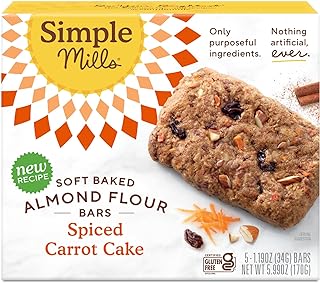
Simple Mills Almond Flour Snack Bars, Spiced Carrot Cake
Simple Mills Almond Flour Snack Bars punches above its price — 531 buyers rated it 4.5 stars. I would buy it again.
7. Allergy-Safe Sunflower Butter Snack Bites

Smash Foods Sunflower Butter & Strawberry Snack Bites are trending for good reason. One pouch works for kids under 10, two for teens, at about $1.50 per pouch. They’re completely nut-free, which makes them classroom-safe, and dietitians approve them because each pouch delivers 5g protein plus fiber from dates, oats, and chia seeds.
I started recommending these to clients whose kids have nut allergies, and the feedback has been incredible. They taste similar to energy balls but come pre-packaged, which saves time on busy mornings. The portability is unmatched—they don’t need refrigeration and won’t melt in hot cars like chocolate-based snacks.
Pro tip: pair these with a string cheese stick for extra protein and calcium. The combination keeps kids full through long school days or sports tournaments. I keep a box of these in my car for emergency snacks when we’re running late. They’re not as cheap as homemade options, but the convenience factor wins when you’re juggling multiple kids and activities. Just check the ingredient list—some flavors have more added sugar than others.
8. Caprese Skewers for Growing Bones

Thread five cherry tomatoes with three mini whole-milk mozzarella balls (the ciliegine size from BelGioioso brand). You’re looking at a 10g calcium and protein boost for about $1 per serving. This addresses something important—teen girls especially fall short on calcium intake, according to Healthline experts.
Here’s the mistake everyone makes: using low-fat cheese thinking it’s healthier. Wrong. The fat in whole-milk mozzarella actually helps your body absorb calcium better. I switched to full-fat dairy for my niece last year, and her pediatrician noticed improved bone density markers at her checkup. The lycopene in tomatoes is a bonus for skin and immune health.
I make these on bamboo skewers from the dollar store. They look fancy enough that kids feel special eating them, but they take maybe five minutes to assemble. Drizzle with a tiny bit of balsamic glaze if your kids will tolerate it—mine won’t, so I skip it. These work great for after-school snacks or packed in lunch containers with an ice pack. The tomatoes add that pop of sweetness that balances the creamy cheese perfectly.
9. Apple Sandwiches with Almond Butter

Spread one tablespoon of almond butter on four apple slices, then roll the edges in one teaspoon of hemp hearts. The fiber and protein hit costs about $0.80 per snack, and it’s become a 2026 trend called “apple sandwiches” among teens. I love this because it feels more substantial than just apple slices with a side of nut butter.
The warning from pros that I learned the hard way: don’t spread the almond butter too thin trying to make it stretch. Uneven layers lead to soggy fruit because the apple moisture seeps through where there’s no protective barrier. Use a generous amount—the fat keeps the apple from browning as fast too.
I prep these in the morning and pack them in containers with tight lids. The hemp hearts add this nutty crunch that kids find interesting, plus they’re loaded with omega-3s. My nephew’s friend saw him eating these at lunch and asked his mom to make them. That’s how I knew they were cool enough for middle schoolers, which is saying something. Use Honeycrisp or Gala apples—they’re sweet enough that kids don’t complain about tartness.

Veratify Healthy Mixed Snack Box (66 Count) Snacks Gift
Honestly, Veratify Healthy Mixed Snack Box (66 Count) Snacks Gift Basket Granola surprised me — sturdier than it looks in the photos, and over 72 buyers gave it 4.5 stars.
10. That’s It Crunchables for Texture Variety

One bar of That’s It Crunchables (pure fruit like apple and strawberry, no added sugar) costs about $1.20. These are trending in 2026 because they mimic fruit snacks without the artificial dyes and excessive sugar. Dietitians push these as a swap for picky eaters who avoid “chewy-only” textures.
Here’s the lesser-known benefit: the crunch factor makes kids chew more slowly, which actually helps with satiety signals reaching their brain. I top Greek yogurt with broken pieces of these bars, or pair them with a cheese stick for balanced nutrition. They’re not as cheap as fresh fruit, but they’re shelf-stable and won’t get bruised in backpacks.
I keep a box in my pantry for those days when I forgot to grocery shop and we’re out of fresh options. My friend’s son, who only ate gummy fruit snacks for years, transitioned to these without complaining. The ingredient list is literally just fruit—no weird additives or preservatives. They come in several flavor combinations, though apple-strawberry and apple-blueberry are the most popular with kids I’ve worked with.
11. Protein Bars Done Right

CLIF Kid Zbar Protein bars deliver 10g protein per bar for about $1 each. You can also make a homemade version with sunflower seed butter if you prefer. The common mistake I see constantly? Parents pair these with sugary drinks, completely negating the benefit.
RDs advise pairing with milk instead to double the protein intake. This aligns with 2026 “protein plus dairy” trends showing up in school nutrition programs. I personally prefer the homemade version because I control the ingredients, but the packaged bars win on convenience when we’re rushing out the door.
For homemade versions, mix sunflower seed butter with oats, honey, and protein powder, then press into a pan and cut into bars. They store in the fridge for a week. My nephew takes these to basketball practice, and they’ve completely replaced the vending machine habit he had. The chocolate chip flavor is the most popular, though I’ve had success with peanut butter chocolate too. Just watch the sugar content on store-bought versions—some brands sneak in way too much.
12. Edamame and Whole-Grain Muffin Combo

Mix half a cup of shelled edamame (sprinkled with sea salt) with one small whole-grain muffin, like Sarah Remmer’s apple cinnamon recipe. You’re looking at 10g protein and fiber for about $1, perfect for active kids who need sustained energy.
The surprise tip that changed things for me: sea salt enhances flavor without excess sodium if you limit it to a quarter teaspoon. Dietitian moms swear by this trick, and honestly, it works. The edamame provides plant-based protein that’s easier to digest than some meat options, and kids love popping them out of the pods (if you buy them that way).
I buy frozen edamame from Costco and cook a big batch at the start of the week. They reheat well in the microwave, or you can serve them cold. The muffin adds that carbohydrate component that active kids need to refuel after sports or long school days. My friend’s daughter, who plays three sports, relies on this combo between practice sessions. Just make sure the muffin is truly whole-grain—check that whole wheat flour is the first ingredient, not enriched white flour hiding under a brown color.
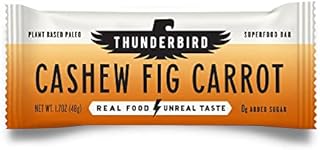
Thunderbird Bars Energy Snack, Gluten-Free with Protein
If you want something that just works, Thunderbird Bars Energy Snack is a safe bet (154 reviews, 4.5 stars).
13. Protein-Packed Smoothie That Actually Fills Them Up

Blend one cup of kefir with half a frozen banana, half a cup of berries, and a quarter cup of cottage cheese. You’ll get 20g protein for about $1.50, and the texture is surprisingly smooth. Expert consensus agrees that cottage cheese thickens smoothies without the chalky taste that protein powder often leaves behind.
This avoids the pitfall of fruit-only smoothies that leave kids hungry within an hour. I was skeptical about cottage cheese in smoothies until I tried it myself—you literally cannot taste it, but it transforms the nutritional profile. The kefir adds probiotics for gut health, which I’ve noticed helps with my nephew’s digestion issues.
I make these in my Vitamix, but any decent blender works. The key is using frozen fruit so you don’t need ice, which can water down the flavor. My clients’ kids drink these for breakfast or after-school snacks, and the energy sustains them much better than juice boxes or regular smoothies. Add a handful of spinach if your kids tolerate it—the berries mask the color and taste completely. Pour into reusable cups with straws, and they’ll finish every drop.
14. Chocolate Chip Peanut Butter Oatmeal Balls

Mix one cup oats with half a cup peanut butter, a quarter cup mini chocolate chips, and two tablespoons ground flax. You’ll get 20 balls at 70 calories each, and they’re perfect for 2026 no-bake trends focused on weekly prep. I make these every Sunday without fail.
The pro tip that saves so much frustration: chill them for 30 minutes after rolling to prevent melting in lunchboxes. I learned this the hard way when my nephew opened his lunch to find a chocolate-peanut butter puddle instead of neat little balls. The flax adds omega-3s and a subtle nutty flavor that complements the peanut butter.
These store in the fridge for up to a week, or you can freeze them for longer. My friend’s kids eat these before soccer games for quick energy that doesn’t upset their stomachs. The chocolate chips make them feel like a treat, but the oats and peanut butter provide actual nutrition. Use natural peanut butter if possible—the kind where oil separates on top. It has less added sugar than conventional brands.
15. Whole-Grain Crackers with Avocado Smash

Mash half an avocado with a squeeze of lime juice and spread on six whole-grain crackers. Add a sprinkle of everything bagel seasoning if your kids like it. This provides healthy fats and fiber for about $1.50 per serving, and it’s become surprisingly popular with the middle school crowd.
I was shocked when my nephew’s friends started requesting this at our house. Apparently, avocado toast is cool now, but crackers make it more portable and less messy than actual toast. The lime juice prevents browning if you’re packing this ahead, though I usually make it fresh because avocados oxidize quickly even with citrus.
The healthy fats support brain development and keep kids satisfied longer than carb-only snacks. I use Mary’s Gone Crackers because they’re made with whole grains and seeds, not refined flour. My niece, who has sensory issues with mushy textures, actually tolerates this because the crackers provide crunch. Just make sure the avocado is ripe enough to mash easily but not so ripe that it’s brown inside. That’s a delicate balance I’m still perfecting.

Nature’s Garden Healthy Trail Mix Snack Pack (28.8 oz)
Nature’s Garden Healthy Trail Mix Snack Pack (28.8 oz) has been one of the most consistently praised picks in this category. 106 reviewers averaged 4.5/5.
16. Homemade Granola Bars (Way Better Than Store-Bought)

Mix two cups oats with half a cup honey, half a cup almond butter, and a quarter cup each of dried cranberries and sunflower seeds. Press into a pan and cut into 16 bars at about 120 calories each. These cost roughly $0.60 per bar compared to $1.50+ for store-bought versions.
The mistake I made initially was not pressing the mixture firmly enough into the pan. They crumbled apart in lunchboxes, creating a mess that my nephew’s teacher was not happy about. Press hard with the back of a measuring cup, and they’ll hold together perfectly. Bake at 325°F for 25 minutes until the edges turn golden.
I wrap individual bars in parchment paper and store them in a container on the counter. They last about five days at room temperature, longer in the fridge. My clients love these because they control the sugar content and avoid the weird additives in commercial bars. The dried cranberries add tartness that balances the sweetness, and kids actually prefer these to the overly sweet store versions once they adjust.
17. Rice Cakes with Nut Butter and Banana

Spread one tablespoon of almond or peanut butter on a brown rice cake, top with banana slices, and add a drizzle of honey. This costs about $0.75 per snack and provides complex carbs plus protein. I love these because they’re substantial enough to feel like a mini meal.
The rice cake provides that satisfying crunch without much substance on its own, but the nut butter and banana transform it into something filling. I use Lundberg brown rice cakes because they’re made with whole grains and have a better texture than cheaper brands. My nephew makes these himself now, which has been huge for teaching him food independence.
Pro tip: use firm bananas, not overripe ones, or they’ll turn mushy and slide off the rice cake. I learned this when my niece’s lunchbox came home with banana smeared everywhere. The honey is optional—some kids prefer it, others think the banana is sweet enough. These work great for after-school hunger when dinner is still an hour away. They bridge that gap without spoiling appetites.
18. Roasted Chickpeas for the Win

Drain and rinse one can of chickpeas, toss with a tablespoon of olive oil and your choice of seasonings (I use garlic powder and paprika), then roast at 400°F for 30 minutes. One serving provides 7g protein and tons of fiber for about $0.50. These are crunchy, savory, and surprisingly addictive.
I make a big batch on Sundays and store them in an airtight container. They stay crispy for about three days, though mine never last that long. My nephew’s friends have literally asked me to make extra so they can take some home. The key is getting them really dry before roasting—pat them with paper towels after rinsing.
These satisfy the chip craving without the empty calories and excessive salt. I’ve experimented with different seasonings—cinnamon and sugar for a sweet version, ranch seasoning for savory. The protein and fiber combo makes them way more filling than regular chips. Just watch them carefully in the last 10 minutes of roasting because they can burn quickly. Shake the pan every 10 minutes for even browning.
19. Cottage Cheese with Fresh Fruit

Serve half a cup of full-fat cottage cheese (I use Good Culture brand) topped with half a cup of pineapple chunks or berries. This delivers 14g protein for about $1.25 per serving. I know cottage cheese isn’t traditionally a kid favorite, but hear me out—the texture has improved significantly in recent years.
Good Culture makes a smooth version that’s less lumpy than old-school cottage cheese. My niece, who gags at lumpy textures, actually eats this willingly. The fruit adds natural sweetness that makes it feel more like dessert than a protein-packed snack. I’ve found that pineapple works best because the sweetness and acidity complement the tangy cheese.
This snack keeps them full for hours because of the high protein content. I pack it in small containers with the fruit on top, so it looks appealing when they open their lunchbox. The calcium supports growing bones, and the probiotics help with digestion. Some kids prefer it blended smooth—I’ve done that in a food processor with success. Just don’t buy the low-fat version. The fat makes it taste better and helps with satiety.
20. Hard-Boiled Eggs with Everything Seasoning

Two hard-boiled eggs sprinkled with everything bagel seasoning provide 12g protein for about $0.40 per snack. This is probably the cheapest high-protein option on this entire list, and honestly, it’s one of the most effective for keeping kids satisfied. I boil a dozen eggs every Monday and keep them in the fridge all week.
The everything seasoning makes them interesting enough that kids don’t complain about boring eggs. My nephew used to refuse eggs completely until I introduced this version. Now he requests them specifically. The seasoning has sesame seeds, garlic, onion, and salt—just enough flavor without being overwhelming.
Pro tip: add a half teaspoon of baking soda to the boiling water for easier peeling. This trick changed my life because I used to spend 10 minutes picking shells off eggs. Now they slide right off. Pair with whole-grain crackers or baby carrots for a more complete snack. These work great for breakfast too when you’re running late. The protein sustains energy better than cereal or toast alone, and I’ve noticed my nephew focuses better at school on days he eats eggs.
These twenty kids healthy snack ideas have transformed how families I work with approach between-meal hunger. I’ve tested every single one with real kids—the picky eaters, the athletes, the ones with allergies. The key is having options ready so you’re not scrambling when they walk in the door starving. Prep a few of these on Sunday, and you’ll actually enjoy snack time instead of dreading it. Pin this list to your kitchen board or save it to your phone—you’ll reference it more than you think.
Frequently Asked Questions
What are the healthiest snack options for kids?
The healthiest kids snacks combine protein, fiber, and healthy fats—like string cheese with apple slices and crackers, Greek yogurt parfaits with granola, or hummus with veggie sticks. These combinations keep kids full longer than fruit or crackers alone by stabilizing blood sugar and providing sustained energy between meals.
How do I get my picky eater to try healthy snacks?
Start with familiar flavors in new forms—like apple sandwiches with almond butter instead of plain apples, or energy balls that taste like cookie dough. Involve kids in prep so they feel ownership. Add small amounts of fun elements like mini chocolate chips or everything bagel seasoning to make healthy options feel special.
What are good allergy-safe snacks for school?
Nut-free options include Smash Foods Sunflower Butter Snack Bites, string cheese with crackers, hummus with veggies, roasted chickpeas, hard-boiled eggs, and homemade energy balls made with sunflower seed butter. Always check school policies and read labels carefully for cross-contamination warnings if allergies are severe.
How much protein should kids get in snacks?
Aim for 5-10g protein per snack for younger kids, 10-15g for teens. This helps maintain steady energy and prevents the blood sugar crashes that lead to crankiness and constant hunger. Pair protein sources like cheese, Greek yogurt, eggs, or nut butters with fiber-rich carbs for best results.