What’s Inside
- The Protein-Fiber Combo Stops the Afternoon Crash
- Pre-Portioned Dips Prevent Mindless Eating
- Keep Shelf-Stable Bars for Busy Moments
- Plant-Based Puffs for Savory Cravings
- Healthy Fats from Avocados Keep You Full
- Explore Sweet and Spicy Flavor Profiles
- One-Hand Eating with Roasted Chickpeas
- Swap Traditional Chips for Bean-Based Alternatives
- Build Your Own Cost-Effective Trail Mix
- Upcycled Ingredients Are the Future of Snacking
- Gut-Friendly Fermented Options
Last Thursday at Target, I found myself ripping open a $5 bag of stale pita chips in the parking lot because I let my blood sugar drop too low. The chips tasted like cardboard dusted with fake garlic powder, but I ate half the bag anyway. Finding healthy snacks for adults who actually have jobs and zero prep time shouldn’t require a culinary degree. I’ve spent the last six years as a nutritionist testing combinations that actually keep me full, because frankly, celery sticks taste like watery string and leave me starving 20 minutes later. I’m sharing the exact formulas I use when I’m too busy to cook. You don’t need to spend your entire Sunday meal prepping to eat well during the week. You just need to know exactly which products to grab and how to combine them. I’m going to walk you through the specific brands, prices, and portions that actually work in the real world.
1. The Protein-Fiber Combo Stops the Afternoon Crash

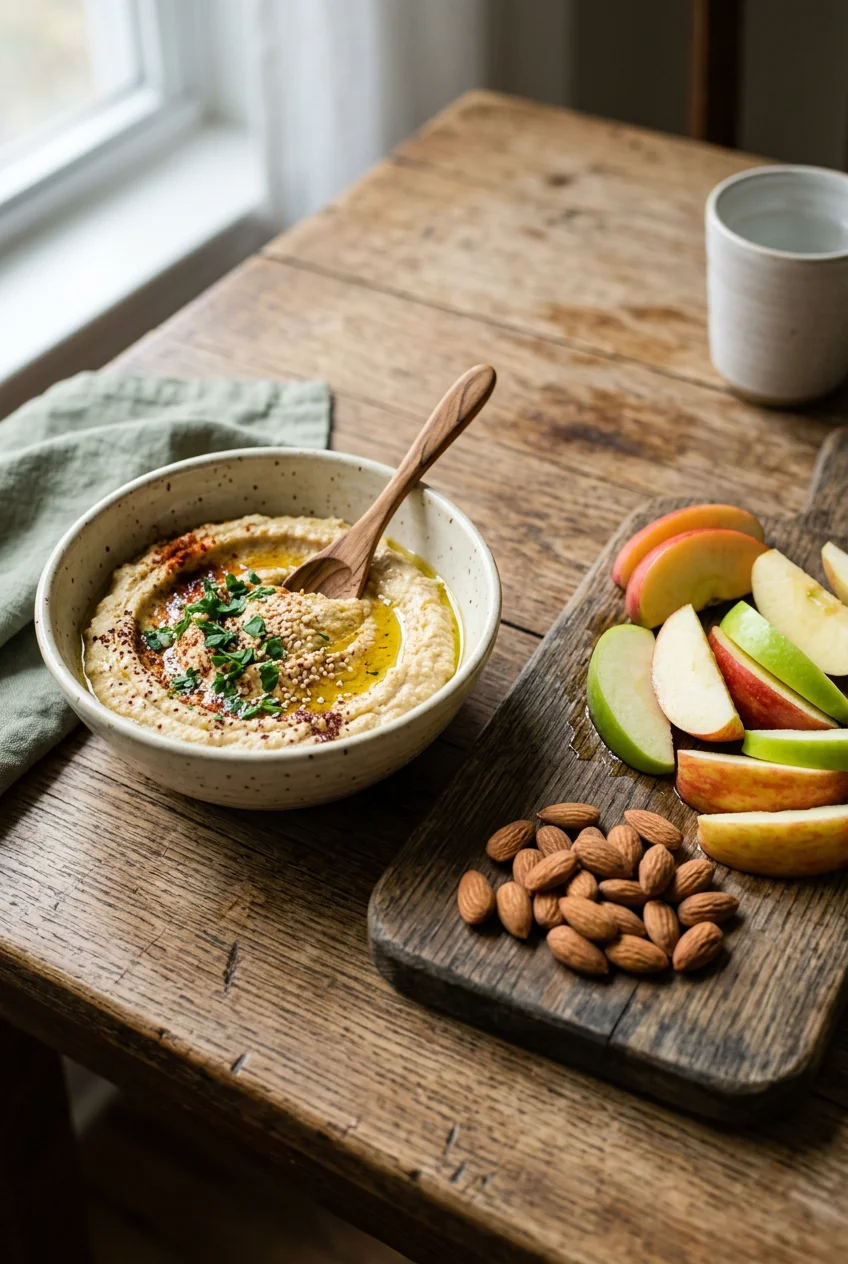
Dietitians talk about the protein and fiber combination constantly, but I’ll explain why it actually matters. When you eat a carbohydrate alone, your blood sugar spikes and crashes, leaving you tired and reaching for more food. Combining protein and fiber slows down digestion. I keep a 6 oz can of Blue Diamond Lightly Salted Almonds in my desk drawer. They cost about $3.67 at Walmart. I measure out exactly 1/4 cup and pair it with a medium Honeycrisp apple. The crunch of the almonds mixed with the crisp, sweet apple is satisfying. If I want something cold, I grab a 5.3 oz Oikos Triple Zero Vanilla Greek Yogurt cup, which runs about $1.38 at Kroger, and dump in a handful of frozen raspberries. The yogurt gives you 15 grams of protein, and the berries add the fiber. I tried eating just the yogurt for months before figuring out why I was still hungry an hour later. It’s the missing fiber. You need both to trigger the satiety signals in your brain. Skip the fat-free, fruit-on-the-bottom yogurts. They’re basically jam disguised as dairy and they’ll make you crash by 3 PM. The texture of the Oikos is thick enough to feel like a real meal, especially when the frozen berries start to melt and create a natural, sweet-tart syrup. Trust me on this.
2. Pre-Portioned Dips Prevent Mindless Eating

Mindless snacking is the easiest way to consume 600 calories without noticing. I used to buy the giant tubs of hummus at Costco, thinking I was making a healthy choice. I’d sit on the couch with a bag of baby carrots and eat half the tub while watching television. You’re getting way too many calories from the olive oil when you do that. Now, I strictly buy pre-portioned options. The Sabra Snackers Classic Hummus and Pretzels pack is my standard choice. You get exactly 7 grams of fiber, and the portion is strictly controlled by the packaging. You can’t overeat if the container is empty. If you prefer nut butter, you need to measure it. One to two tablespoons is roughly the size of a standard golf ball. I measure 2 tablespoons of Kirkland Signature Creamy Almond Butter into a small glass container before I leave the house. If you just dip a spoon into the jar at your desk, you’ll easily eat four tablespoons without realizing it. Measuring takes ten extra seconds and keeps your macros in check. The physical act of closing the jar and walking away is crucial. You won’t feel deprived if you take the time to sit down and actually taste the two tablespoons you measured out.
3. Keep Shelf-Stable Bars for Busy Moments

Unplanned snacking usually ends at a vending machine or a drive-thru window. You need shelf-stable options that won’t melt in your car or get crushed at the bottom of your laptop bag. I keep two RX Bars in the glove compartment of my Honda specifically for traffic jams. The Chocolate Sea Salt flavor costs about $2.49 at Trader Joe’s. They contain 12 grams of egg white protein and dates for binding. This provides a dense, chewy texture that actually takes time to break down in your mouth. I also keep a stash of Peanut Butter Chocolate Chip Lara Bars in my gym bag. They only have four ingredients and taste exactly like peanut butter cookie dough. I learned the hard way not to leave chocolate-coated protein bars in a hot car during July. I ended up with a melted, sticky mess that ruined my center console and stained my leather seats. Stick to bars with natural wrappers and no outer chocolate coating if you’re keeping them in your vehicle. A common mistake is treating a 250-calorie bar as a light snack when you’re just bored at your desk. Reserve these dense bars for times when you genuinely need energy and won’t be able to eat a full meal for a few hours. You might also like: 12 Quick Dinner Ideas Healthy for Every Budget

Veratify Healthy Mixed Snack Box (66 Count) Snacks Gift
A dependable everyday pick — Veratify Healthy Mixed Snack Box (66 Count) Snacks Gift Basket Granola pulls in 72 ratings at 4.5 stars. Not flashy, just solid.
4. Plant-Based Puffs for Savory Cravings

Sometimes you just want something crunchy and salty, and a piece of fruit won’t cut it. The plant-based snack market has shifted heavily toward savory, protein-dense options that actually taste good. Instead of regular potato chips, which offer zero fiber and leave your fingers greasy, I buy HIPPEAS Chickpea Puffs. A 4 oz bag costs around $3.28 at Whole Foods. The Vegan White Cheddar flavor gives you that cheesy dust experience on your fingers, but you get 4 grams of protein and 3 grams of fiber per serving. The crunch is airy and light, completely mimicking standard cheese puffs. If I need a heavier protein hit, I reach for The Only Bean Crunchy Dry Roasted Edamame Beans. A single serving delivers 11 grams of protein and 4 grams of fiber. I sprinkle them over salads or just eat a 1/3 cup serving straight from the bag. The texture is very dry and intensely crunchy, so you’ll definitely need a glass of water nearby. I tried eating these during a Zoom meeting once and ended up coughing because they’re so dry. Eat them when you have a drink handy, but keep them in your rotation for when you need a serious savory crunch that won’t derail your daily protein goals. You might also like: 8 Healthy Lunch Snacks Worth Trying
5. Healthy Fats from Avocados Keep You Full

People are still terrified of dietary fat, which is a massive mistake. Healthy fats are the exact mechanism that signals your brain to stop eating. If you eat a fat-free snack, you’re going to be hungry again almost immediately. I buy a bag of small Hass avocados at Sprouts for about $4.99. When I need a filling mid-afternoon snack, I slice one in half, remove the pit, and eat it right out of the skin with a spoon. I squeeze a quarter of a lemon over the top, drizzle exactly one teaspoon of extra virgin olive oil, and add coarse sea salt and cracked black pepper. It takes thirty seconds to prepare. The rich, creamy texture of the avocado combined with the sharp bite of the lemon juice is incredible. The monounsaturated fats keep my energy stable until dinner. A pro tip: leave the pit in the half you aren’t eating, wrap it tightly in plastic wrap pressing directly against the green flesh, and store it in the fridge. It won’t turn brown for about 24 hours. Don’t skip the lemon juice, or the avocado tastes too heavy and bland. The acid cuts through the fat and makes it taste like an actual dish instead of just raw produce. You might also like: 11 Easy Dinner Ideas Healthy for Every Budget
6. Explore Sweet and Spicy Flavor Profiles

The sweet and spicy flavor profile, often called swicy, is taking over the snack aisle for a very good reason. When a snack hits multiple taste receptors simultaneously, it feels more satisfying, which naturally helps prevent overeating. You don’t need to eat a massive volume of food if the flavor is intense enough. I’ve started making my own swicy roasted nuts at home. I take 2 cups of raw cashews, toss them in 1 tablespoon of real maple syrup and 2 teaspoons of Huy Fong sriracha, and roast them on a baking sheet at 300 degrees for 20 minutes. The heat builds slowly, and the sugar creates a sticky, caramelized glaze that hardens as they cool. You can also find commercial options if you won’t cook. Look for chili-infused dried mango at Target, which runs about $4.49 for a 5 oz bag. The intense spice forces you to eat slower. You literally can’t scarf down a bag of spicy mango the way you’d eat plain dried fruit. I once bought a ghost pepper beef jerky that was so hot it gave me hiccups for an hour. No exaggeration. Stick to milder spices like gochujang or standard chili powder to get the complex flavor without the physical pain.

That’s it. Apple + Coconut 100% Natural Real Fruit Bar
A dependable everyday pick — That’s it. Apple + Coconut 100% Natural Real Fruit Bar pulls in 781 ratings at 4.5 stars. Not flashy, just solid.
7. One-Hand Eating with Roasted Chickpeas

If you’re typing at a keyboard or holding a toddler, you need snacks that don’t require utensils or leave a sticky residue on your fingers. One-hand eating is practically mandatory for my daily schedule. I rely heavily on roasted chickpeas for this exact reason. Saffron Road Organic Crunchy Chickpea Snacks are a permanent staple in my pantry. A 3-pack costs around $16 online, and I usually buy the Sea Salt or Bombay Spice flavors. You can toss them back like peanuts, but they provide a solid hit of plant-based protein and fiber. The texture is chalky but deeply satisfying. I used to eat fresh fruit while working, but I ruined a mechanical keyboard last year when a piece of ripe pineapple dripped juice straight into the keys. Learned that the hard way. Dry, bite-sized snacks are much safer for your electronics and your clothes. Another excellent one-hand option is a standard yellow banana. It comes in its own biodegradable wrapper, costs about 25 cents at any grocery store, and requires zero prep. Just remember that a banana is mostly carbohydrates. I’ll usually eat it right after a morning workout or pair it with a small handful of dry roasted almonds to balance out the blood sugar response.
8. Swap Traditional Chips for Bean-Based Alternatives

Cravings for junk food are inevitable. The trick isn’t to ignore the craving, but to swap the vehicle delivering the salt and crunch. If I want tortilla chips, I won’t buy the standard yellow corn ones that digest in five minutes and leave me hungry. I buy Beanitos at Kroger for about $3.99 a bag. Because they are made from black beans or pinto beans, a standard 1 oz serving gives you at least 4 grams of fiber and 5 grams of protein. They hold up incredibly well to thick, chunky salsas, though the texture is slightly grittier and denser than a traditional chip. For sweet cravings, I keep a stash of Cosmic Dealer chocolates in my desk. They are sugar-free, vegan, and use herbal adaptogens. They cost a bit more, but the intense, bitter dark chocolate flavor means I only need one square to feel satisfied. If I want a nostalgic treat, I look for LoveRaw Waffles. They are gluten-free and mimic the exact taste of conventional wafer bars without the massive sugar crash. The mistake most people make is buying generic veggie chips thinking they are making a healthy choice. Most veggie chips are just potato starch dyed green with a tiny amount of spinach powder. Always check the nutrition label for actual fiber content.
9. Build Your Own Cost-Effective Trail Mix

Store-bought trail mix is usually just a bag of chocolate candy with a few cheap peanuts thrown in for decoration. It’s also overpriced. I build my own high-fiber mix every Sunday night to save money and control the ingredients. I use a large glass mason jar and combine 1/2 cup of unsalted raw walnuts, 1/4 cup of raw pumpkin seeds, and 1/4 cup of unsweetened dried fruit. Lately, I’ve been chopping up Dole California Whole Pitted Dates. They cost about $4.98 at Walmart for an 8 oz bag, and just 5 to 6 pieces provide 3 grams of fiber. I chop them into small quarters so they distribute evenly through the nuts and don’t clump together. The walnuts provide essential omega-3 fatty acids, and the pumpkin seeds add a massive dose of magnesium. I made the mistake of using salted roasted nuts for this once, and the heavy salt migrated to the sticky dates, making the whole batch taste incredibly weird and metallic. Always use raw, unsalted nuts and seeds when building your mix. I portion this out into 1/4 cup servings in small, reusable silicone bags. It costs about a third of the price of premium commercial trail mixes and keeps me full all afternoon.

KIND Healthy Grains Energy Bars, Pineapple Mango
Honestly, KIND Healthy Grains Energy Bars surprised me — sturdier than it looks in the photos, and over 287 buyers gave it 4.5 stars.
10. Upcycled Ingredients Are the Future of Snacking

The commercial snack industry generates a massive amount of food waste, but a new wave of brands is changing that by using upcycled ingredients. This means they take perfectly good food byproducts that would normally be thrown away and turn them into highly nutritious snacks. Enjoy BSides is a brand I recently discovered and incorporated into my routine. They take the wet oat pulp left over from commercial oat milk production and bake it into crunchy, fiber-rich snacks. The texture is surprisingly hearty, similar to a dense, rustic graham cracker. Another brand I watch closely is 8 Track Foods, which packages organic beans in highly sustainable, recyclable packaging. Buying upcycled snacks is a simple, actionable way to reduce your environmental footprint while getting high-quality nutrition. The prices are usually comparable to standard premium snacks, sitting around $4 to $5 per bag. I was skeptical at first, thinking upcycled food would taste like stale cardboard leftovers, but the flavor development is actually impressive. It’s a smart choice when you’re stocking your pantry and want to support companies that aren’t just adding to the global landfill problem. You get the fiber, and the planet gets a small break.
11. Gut-Friendly Fermented Options

Gut health impacts everything from your daily immune system function to your mood, and snacking is a great opportunity to get more natural probiotics into your diet. I don’t just rely on sweet yogurt for this. Savory fermented snacks are becoming much easier to find at standard grocery stores. I buy Cleveland Kitchen’s Kraut Snacks, which are essentially pre-portioned, lightly fermented cabbage snacks. They cost about $5.99 at Target. The acidity is sharp, sour, and intensely tangy, which completely kills my cravings for salty potato chips. I eat a small forkful straight from the pouch when I’m prepping dinner and feeling snacky. If you prefer something dry and less pungent, look into Uplift Food. They make prebiotic-rich cookies and bites that feed the good bacteria already living in your gut. I tried making my own fermented carrots at home last winter and left them on the kitchen counter too long. The glass jar actually bubbled over, leaked acidic brine, and ruined the finish on my wood cutting board. Buying commercial fermented snacks is much safer and far less messy if you aren’t experienced with the home fermentation process. Start with small portions if you aren’t used to fermented foods, or you’ll experience significant stomach bloating.
Finding the right snacks doesn’t require spending hours in the kitchen or forcing yourself to eat bland foods you hate. I rely on these exact combinations every single week to keep my energy up without crashing in the middle of the workday. Skip the complicated, trendy recipes and stick to the biological basics. Pair your proteins with your fibers, measure your healthy fats, and keep shelf-stable, one-handed options in your work bag. If you found this breakdown of healthy snacks for adults helpful, save it to your Pinterest boards so you have the specific brand names and prices handy next time you’re standing in the grocery store aisle trying to make a quick decision.
Frequently Asked Questions
What is the best combination for healthy snacks for adults?
The most effective combination is pairing a protein source with a high-fiber carbohydrate. This slows down digestion and prevents blood sugar spikes. Try pairing almonds with an apple, or Greek yogurt with frozen berries for sustained energy.
How many calories should a healthy snack be?
For most adults, a healthy snack should range between 150 and 250 calories. This is enough to bridge the hunger gap between meals without contributing to an excessive daily caloric intake. Always measure high-fat foods like nuts to control portions.
Are store-bought protein bars actually healthy?
It depends entirely on the ingredients. Many commercial bars are essentially candy bars disguised with protein powder. Look for bars with minimal, whole-food ingredients like dates and egg whites, and avoid those with thick chocolate coatings or high added sugars.
What is a good savory snack that isn’t potato chips?
Roasted chickpeas, dry roasted edamame, and bean-based tortilla chips are excellent savory alternatives. They provide the salt and crunch you crave while delivering significant amounts of plant-based protein and dietary fiber that traditional potato chips lack entirely.
