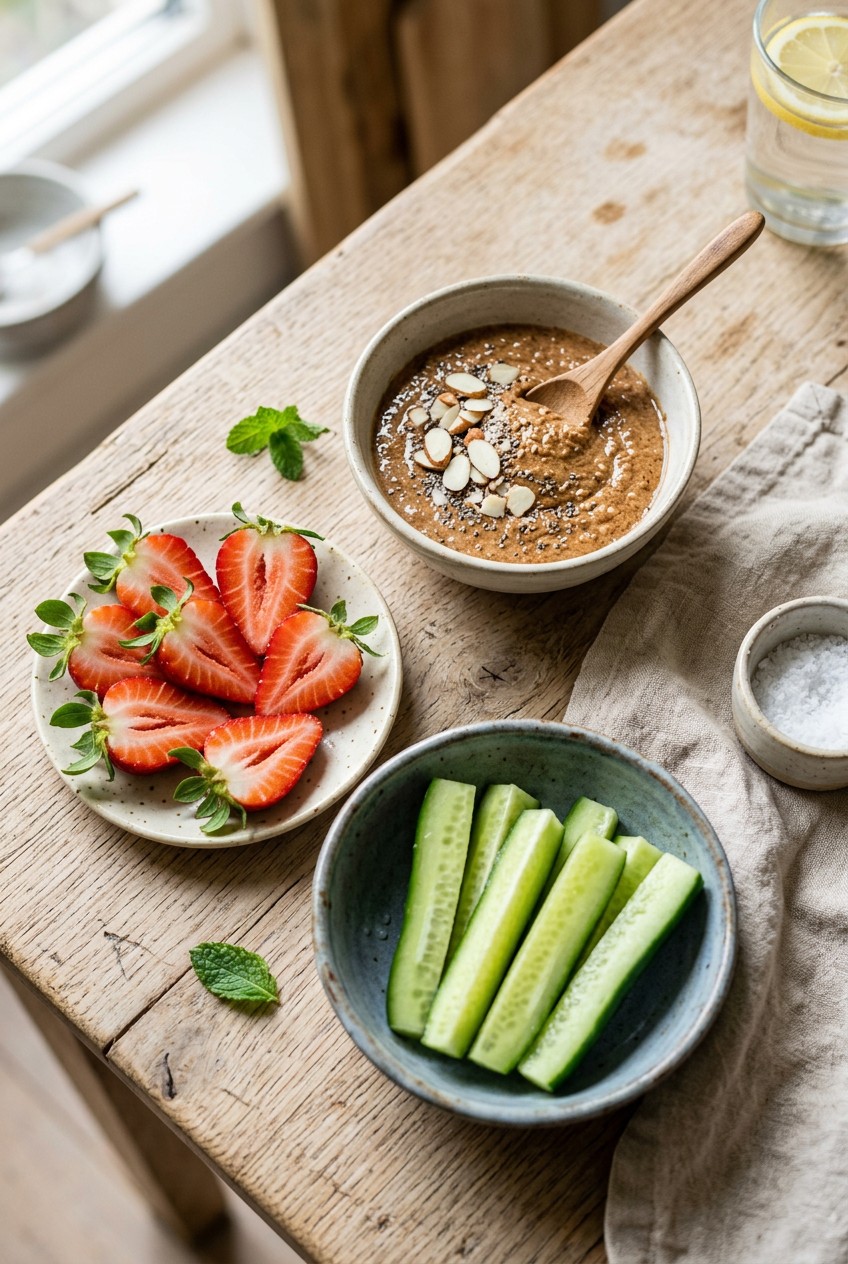
What’s Inside
- The Classic Apple and Peanut Butter Upgrade
- Low-Sugar Yogurt That Doesn’t Taste Like Chalk
- Whole-Grain Crackers and Hummus Dips
- DIY Trail Mix for Healthy Kids Snacks
- Veggie Sticks With a Gut-Healthy Twist
- Plant-Based Roasted Chickpeas
- Freeze-Dried Fruits for the Crunchy Cravings
- Clean Label Cheese Bunnies for Healthy Kids Snacks
- The Humble Hard-Boiled Egg
- Rethinking the Fruit Juice Trap
- Strategic Timing and The Palm Rule
Last Tuesday at Whole Foods, I watched my toddler launch a sticky, half-eaten organic granola bar directly into a glass display of expensive kombucha. Finding healthy snacks they’ll actually eat—instead of dropping on the floor—is a daily war. I’m a clean eating nutritionist, and even I’ve stood in the grocery aisle staring blankly at labels while a tiny human screams in the cart. I used to buy those bright fruit pouches thinking I was doing great. Then I read the back panel. 18 grams of sugar? It’s basically flavored syrup in a plastic tube. Skip the fat-free stuff. It tastes like wet cardboard. Let’s talk about real food that works.
We need snacks that fuel them, hold off the meltdowns, and don’t cost a small fortune. I did this wrong for months before figuring it out. I’d hand over plain rice cakes or raw celery, and they’d look at me like I’d lost my mind. You can’t just hand a kid a piece of lettuce and expect a miracle. You have to combine textures, flavors, and actual nutrients. I’m sharing the exact products, prices, and messy realities of feeding kids without losing your sanity. I learned that the hard way.
1. The Classic Apple and Peanut Butter Upgrade

I swear by this combination because it saves me from the dreaded afternoon crash. I tried giving just plain apple slices for months. My kid would eat a whole plate, run around for twenty minutes, and then collapse into a screaming puddle on the rug. The sugar spike from plain fruit caused a massive crash an hour later. You have to pair it with fat and protein.
I’m obsessed with Smucker’s Natural Peanut Butter. It costs $5.49 for a 16 oz jar at Target. The ingredients are just peanuts and salt. Yes, you have to stir the oil back in. The thick, oily separation is annoying, but it’s worth it. I take 2 tablespoons of that salty, thick peanut butter and smear it across crisp, cold slices of a medium Honeycrisp apple. The sensory contrast is perfect. You get the loud, watery snap of the cold apple against the dense, sticky peanut butter. This combination provides healthy fats, fiber, and protein. It keeps them full. It keeps them focused. And most importantly, it stops the whining for at least two hours.
2. Low-Sugar Yogurt That Doesn’t Taste Like Chalk

A common mistake is assuming kid-marketed snacks are actually good for them. I’ve made this mistake so many times. I once grabbed a generic vanilla kids yogurt at Kroger, assuming vanilla meant plain. It had 16 grams of added sugar in a tiny 4 oz cup. That’s dessert, not a snack. The American Heart Association says kids under two shouldn’t have any added sugar, and older kids need to stay under 25 grams a day.
Instead, I buy Stonyfield Organic YoBaby Plain Whole Milk Yogurt. It runs about $4.99 for a 6-pack. It has 5 grams of natural sugar from the milk and 4 grams of protein per 4-ounce cup, with zero added sugar. The texture is thick and creamy, and it has a slightly sour smell that kids get used to if you start them early. If we’re rushing out the door, I grab Siggi’s Kids Lowfat Yogurt Pouches. They cost around $1.79 per pouch and only have 6 grams of sugar. The thick, velvety texture doesn’t squirt everywhere like the cheap watery brands do. Trust me on this.
3. Whole-Grain Crackers and Hummus Dips

Skip the refined white flour crackers that dissolve into a gummy paste in their teeth. You’re just feeding them empty carbs that leave them hungry twenty minutes later. I’m a huge fan of Triscuit Original Whole-Grain Wheat Crackers. I buy the 8.5 oz box for $3.89 at Walmart. A serving of 6 crackers gives them 3 grams of protein and 4 grams of fiber.
You can’t just serve dry crackers, though. They need a dip. I pair these with 3 tablespoons of classic roasted garlic hummus. The rough, woven texture of the wheat cracker is the perfect vehicle for a massive scoop of smooth, savory hummus. It smells heavily of garlic and olive oil, which my kids surprisingly love. I’ve noticed that involving them makes a huge difference. I let them use a dull butter knife to aggressively spackle the hummus onto the crackers. It makes a crumbly mess on the counter, but they actually eat it. The fiber and healthy fats in the hummus keep their blood sugar stable until dinner. You might also like: 20 Lovely Healthy High Protein Low Calorie Dinner Ideas Worth Trying This Year
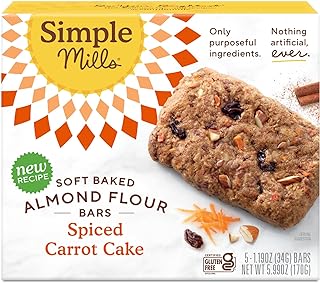
Simple Mills Almond Flour Snack Bars, Spiced Carrot Cake
A dependable everyday pick — Simple Mills Almond Flour Snack Bars pulls in 532 ratings at 4.5 stars. Not flashy, just solid.
4. DIY Trail Mix for Healthy Kids Snacks

Store-bought trail mixes are a rip-off. They’re usually 80 percent cheap milk chocolate pieces and stale peanuts, heavily coated in sugar. I stopped buying them after realizing I was paying $8 for a bag of candy disguised as health food. Creating your own trail mix is how you control the sugar and the budget. It’s one of my favorite snacks to prep on a Sunday. You might also like: 15 Inspiring Easy Healthy Breakfast Ideas You Can Try Today
I go to Costco and buy a massive 24 oz bag of roasted pumpkin seeds for $12.99. I use that as my base because it’s school-safe and packed with magnesium. I mix 2 cups of the salty, crunchy green seeds with 1/2 cup of unsweetened dried cranberries and 2 cups of plain Cheerios. The whole batch costs under $15 and lasts for two weeks. The sensory experience is fantastic. You hear the dry, hollow clinking sounds of the seeds hitting the glass mason jar when you mix it. The tart, chewy cranberries perfectly balance the salty dust on the pumpkin seeds. I portion out 1/4 cup into tiny silicone bags. It’s cheap, filling, and genuinely nutritious. You might also like: 20 Beautiful Low Calorie Dinner Ideas to Transform Your Space
5. Veggie Sticks With a Gut-Healthy Twist

Pediatric dietitians constantly yell at us to serve more fresh vegetables. But handing a kid a dry carrot stick is a recipe for rejection. I tried forcing plain raw veggies for a while, and they just ended up drying out on the plate. You have to make it interesting. I take 40g (about 1 cup) of sliced cucumbers and bright red bell peppers. The cold, wet snap of a fresh bell pepper is satisfying.
The secret is the dip. I make a homemade ranch using 1/2 cup of plain Greek yogurt, a heavy dash of dill, and garlic powder. To make it a powerhouse snack, I mix in 1 tablespoon of unflavored collagen powder. Gut health is a priority, and the fermented yogurt provides probiotics while the collagen adds protein without changing the taste. The dip is thick, tangy, and smells exactly like a hidden valley packet without the weird chemical aftertaste. They dip the crunchy, watery cucumbers into the dense, sour yogurt, and it changes how they view vegetables. It’s messy, but it works.
6. Plant-Based Roasted Chickpeas

If you’re stuck in a snack rut, roasted chickpeas are the answer. Plant-based protein is cheap, shelf-stable, and filling. I used to buy the pre-packaged roasted chickpeas, but they cost almost $5 for a tiny bag that my kids demolished in three minutes. Now, I make them at home.
I grab a 15 oz can of organic garbanzo beans for $1.49 at Sprouts. I rinse them, pat them completely dry with a paper towel, and toss them with 1 tablespoon of olive oil and 1/2 teaspoon of smoked paprika. I roast them at 400 degrees for about 25 minutes. The smell of warm, earthy paprika fills the kitchen. When you pull the metal baking sheet out of the oven, the chickpeas rattle around with a dry, hollow sound. A 1/4 cup serving gives them a massive hit of fiber and plant-based protein. The crispy outer shell shatters in your mouth, giving way to a soft, starchy center. They are salty, smoky, and addictive. Don’t put them in a plastic bag while they’re still warm, or they’ll turn to mush.

Veratify Healthy Mixed Snack Box (66 Count) Snacks Gift
If you want something that just works, Veratify Healthy Mixed Snack Box (66 Count) Snacks Gift Basket Granola is a safe bet (72 reviews, 4.5 stars).
7. Freeze-Dried Fruits for the Crunchy Cravings

Dried fruit is a trap. I learned this the hard way. I used to give my kids generic chewy dried mango slices. They were so sticky they adhered to their back molars like cement. We spent twenty minutes picking sticky fruit out of their teeth with floss. Plus, a lot of traditional dried fruit is coated in extra sugar to keep it soft.
I switched to freeze-dried fruit. I’m obsessed with Organic Bare Baked Apple Snacks. They cost $4.49 for a 3 oz bag at Trader Joe’s. Because the water is completely removed through freezing, the texture is entirely different. You get a light, airy, dry crunch that dissolves almost instantly on the tongue. It leaves a sweet, powdery apple dust on your fingers. They’re shelf-stable and provide all the natural sweetness and nutrients of a fresh apple without the sticky mess. I pour a 1/2 cup serving into a bowl, and they eat them like potato chips. It’s the perfect solution when they’re begging for something crunchy and sweet, but you refuse to open a box of cookies.
8. Clean Label Cheese Bunnies for Healthy Kids Snacks

Let’s be honest. Sometimes you just need to hand them a handful of cheese crackers to survive a car ride. But the traditional bright orange square crackers are packed with synthetic dyes like Red 40 and Yellow 5, which are being phased out by a lot of brands because parents are finally reading the labels. I won’t buy anything that looks like it was painted with neon acrylics.
When I need pre-packaged snacks, I grab Annie’s Homegrown Organic Cheddar Bunnies. A 7.5 oz box costs $3.49 at Target. They have a clean label with recognizable ingredients and zero artificial dyes. The color comes from real annatto extract. The sensory experience is exactly what kids want. You open the foil bag and get hit with a sharp, salty cheddar smell. The tiny, hollow crackers have a sharp crunch that shatters loudly. They leave a slight salty dust on your fingers, but nothing like the neon orange stains from the cheap brands. I portion out about 30 tiny bunnies. It satisfies the craving for salty processed food without the chemical additives.
9. The Humble Hard-Boiled Egg

Most people overlook the egg. It’s cheap, portable, and a massive protein bomb. I used to hate making them because I’d always overboil them. I’d leave them in the water too long, and the yolk would turn a depressing, chalky gray with a green ring around it. They smelled like sulfur, and my kids refused to touch them.
I finally learned to boil them for exactly nine minutes and then plunge them into an ice bath. The result is perfect. One large egg provides 6 grams of high-quality protein, Vitamin D, and iron. I buy a dozen pasture-raised eggs for about $5.99 at Kroger. Peeling them is half the fun for the kids. They love cracking the brittle, chalky shell and peeling away the thin membrane to reveal the smooth, rubbery white surface. The yolk inside is creamy and bright yellow. I slice it in half and sprinkle a tiny pinch of sea salt on top. It takes two minutes to prep, costs pennies per serving, and keeps them full for hours.

KIND Breakfast Bars, Peanut Butter, Healthy Snacks
KIND Breakfast Bars has been one of the most consistently praised picks in this category. 16 reviewers averaged 4.5/5.
10. Rethinking the Fruit Juice Trap

This is a hill I will die on. Fruit juice is not a snack. I used to think 100 percent apple juice was a free pass because it didn’t have added sugar. I’d pour a massive 12 oz cup and hand it over. But juice lacks the fiber of whole fruit. It hits their bloodstream like a freight train, causing a sugar high followed by a crash. The American Heart Association explicitly recommends limiting sugar-sweetened drinks to no more than eight ounces weekly.
I stopped buying giant jugs of juice at Walmart. The sticky spilled juice on the car seats wasn’t worth it anyway. Instead, I make infused water. I take a clear glass, fill it with ice water, and drop in 3 freshly sliced strawberries and a sprig of mint. The cold condensation builds on the outside of the glass. The water takes on a faint, sweet berry smell and a beautiful pink tint. It feels fancy to them. They get the hydration they need without the 25 grams of liquid sugar. If they want fruit, I make them eat the actual fruit.
11. Strategic Timing and The Palm Rule

You can buy the best organic food in the world, but if you screw up the timing, it’s useless. I used to let my kids graze all day. They’d wander into the kitchen, grab a handful of crackers, leave, and come back twenty minutes later for a piece of cheese. By the time dinner rolled around, they weren’t hungry, and I was furious after cooking a full meal. No exaggeration.
Expert opinion suggests offering snacks a few hours after one meal and exactly 1 to 2 hours before the next. I enforce this strictly now. The kitchen is closed between those windows. I also stopped weighing food and started using the palm of the hand rule. A portion of fruit or vegetables should roughly fit into half the palm of their tiny hand. A portion of cheese should be about the size of two of their thumbs. Visualizing a tiny, thumb-sized block of cheddar makes portioning easy. It prevents overeating and teaches them intuitive eating. They learn what a normal portion actually looks like, instead of eating straight out of a massive family-sized bag.
Finding snacks that don’t cause sugar crashes or cost a fortune takes a little bit of label reading, but it’s worth it. I’ve noticed a difference in my kids’ moods since we ditched the fake dyes and focused on protein and fiber. You don’t have to be perfect, just start swapping out one sugary pouch or plain cracker at a time. Pin this list for your next grocery run, because standing in the snack aisle trying to decipher ingredients while a toddler hangs off your leg is a nightmare you don’t need to repeat.
Frequently Asked Questions
What are the best healthy kids snacks for school?
Focus on shelf-stable options with protein and fiber. I’m a big fan of homemade trail mix with pumpkin seeds, freeze-dried apples, and whole-grain crackers paired with a small container of hummus. They survive the lunchbox without needing refrigeration.
How can I reduce sugar in my child’s snacks?
Always check the ‘Added Sugars’ line on the nutrition label. Swap flavored kids yogurts for plain whole milk yogurt and add your own fresh fruit. Avoid fruit juice and opt for infused water or whole fruits instead.
Are fruit pouches healthy for toddlers?
Most store-bought fruit pouches are packed with hidden sugars, sometimes up to 18 grams per pouch. If you use them, look for low-sugar yogurt pouches like Siggi’s, or choose brands that blend vegetables with the fruit to increase fiber.
How much should a child eat for a snack?
Use the palm of the hand rule instead of counting calories. A portion of fruit or veggies should fit in half the palm of their hand. A cheese portion should be about the size of two of their thumbs.
