What’s Inside
- Prioritize Whole, Unprocessed Foods for Toddler Snacks Healthy
- Master the Snack Schedule (And Stop the Grazing)
- Opt for Low-Sugar Yogurts (Skip the Flavored Traps)
- Embrace Protein-Packed Options Like “Dino” Eggs
- Serve Hummus with a Twist for Toddler Snacks Healthy
- Portion Control with the “Rule of Thumb”
- Choose “Veggie-Forward” Pouches
- Make DIY Snack Bars to Avoid Hidden Sugars
- Introduce Diverse Textures and Colors Early
Last Tuesday at Target, I was standing in aisle four with a screaming two-year-old covered in crushed graham cracker dust. I realized right then that finding healthy toddler snacks isn’t just about reading nutrition labels. It’s about survival. You need snacks healthy enough to fuel their growing brains, but cheap enough that you won’t cry when half the bowl gets chucked directly onto the kitchen floor. I’ve wasted so much money on fancy, trendy organic puffs that tasted like wet cardboard. My kid took one bite, spit it onto my shoe, and demanded a cracker. I tried buying those expensive pre-packaged snack boxes for months before figuring it out. They drain your wallet and leave your kid hungry twenty minutes later. Skip the fat-free stuff. It’s usually packed with artificial junk to make up for the lack of flavor. Let’s get back to basics. Here is my guide to cheap, real-food snacks that cost under five dollars per serving, actually taste good, and won’t cause a massive sugar crash.
1. Prioritize Whole, Unprocessed Foods for Toddler Snacks Healthy

When you’re wandering the aisles of Whole Foods, it’s easy to get sucked into buying expensive, processed snacks. I tried this wrong for months before figuring it out. I’d buy these tiny bags of dehydrated fruit stars that cost six dollars a box. My son would eat the entire box in four minutes and then scream for more. Pediatricians, like Dr. Robin Jacobson, emphasize that the best snacks for children are simple, fresh fruits and vegetables. You don’t need a fancy package. You just need real food. I now prioritize whole, unprocessed foods that cost pennies per serving. Take a classic Chiquita banana. It’s a naturally sweet, portable option that usually costs less than $0.30 per fruit. You peel it, smell that sweet, starchy aroma, slice it into half-inch coins, and you’re done. I also love keeping fresh berries on hand. A handful of Driscoll’s blueberries (which run about $3.99 for a one-pint clamshell) is the perfect size. A standard toddler serving is just 1/4 cup. The satisfying pop of a cold, crisp blueberry is a texture my sister hates but my husband can’t get enough of. To keep your grocery budget from exploding, always consider seasonal produce for cost savings. Buy fresh peas and strawberries in the spring when they’re cheap. Grab heavy watermelons and berries in the summer heat. Stock up on apples, pears, and pumpkins in the fall. If you want a savory whole food, grab a can of Goya chickpeas at Walmart for just $0.99. Rinse them well and pat them dry. They’re a versatile, nutrient-dense option that costs almost nothing.
2. Master the Snack Schedule (And Stop the Grazing)

Most people get this wrong, and I was definitely one of them. I used to let my toddler graze all day long. If he whined, I handed over a cracker. If he looked bored, I gave him a puff. Big mistake. By the time dinner rolled around, he refused to touch his plate. You have to master a consistent snack schedule. Pediatric dietitians recommend spacing snacks two to three hours apart from main meals. This simple gap prevents the constant grazing that ruins their appetite for nutrient-dense dinners. A mid-morning snack around 10 AM and a mid-afternoon snack around 3 PM usually works perfectly. When it’s snack time, I love serving Simple Mills Almond Flour Crackers. I buy the 4.25-ounce box at Kroger for $4.99. They have a hearty, salty crunch that toddlers crave, but they aren’t filled with empty refined flour. I count out exactly ten crackers and put the box away. Another massive mistake I made was using snacks for distraction. I used to hand back a cup of dry cereal every time we drove to the bank just to keep him quiet. Don’t do this. Eating in the car is a severe choking hazard because you aren’t looking directly at them. If they start choking silently, you won’t know until it’s too late. Offer snacks only when they’re genuinely hungry, sitting safely at a table. If you need a distraction in the car, try books or small plastic toys.
3. Opt for Low-Sugar Yogurts (Skip the Flavored Traps)

Walk into Sprouts and look at the dairy aisle. It’s a minefield of sugar. I bought a generic strawberry yogurt once without checking the label. It had 15 grams of added sugar packed into one tiny cup. My kid ate it, bounced off the walls for an hour, and then crashed into a puddle of exhausted tears on the living room rug. Never again. You need to opt for plain, full-fat yogurt and sweeten it naturally. Toddlers need fat for brain development, so skip the fat-free stuff. I always look for yogurts with less than 10 grams of total sugar per serving. My favorite hack is buying Stonyfield Organic Yogurt Tubes. A box of eight tubes costs around $7.99. The plain or low-sugar berry flavors are fantastic. Here is my pro tip. Throw the tubes directly into the freezer. When you pull them out, they have the exact texture of a cold, creamy popsicle. It feels like a decadent dessert, but it’s just healthy yogurt. If you prefer buying in bulk, grab a 32-ounce tub of Fage Total 5% Plain Greek Yogurt for $5.99. Scoop a half cup into a bowl and mash in one tablespoon of fresh raspberries. The tart, thick yogurt mixed with the sweet, bright red berry juice is visually appealing and tastes amazing. You have to beware of hidden sugars in flavored yogurts. They hide under sneaky names like corn syrup, fructose, and maltose. Read the ingredient list. You might also like: 20 Beautiful Easy Healthy Lunch Ideas for Every Budget
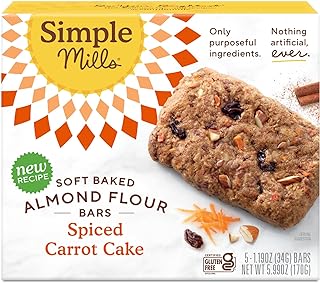
Simple Mills Almond Flour Snack Bars, Spiced Carrot Cake
Honestly, Simple Mills Almond Flour Snack Bars surprised me — sturdier than it looks in the photos, and over 532 buyers gave it 4.5 stars.
4. Embrace Protein-Packed Options Like “Dino” Eggs

Toddlers are notorious for refusing meat, which leaves parents panicking about protein. I swear by hard-boiled eggs. They’re an affordable, protein-packed option that helps toddlers feel full and satisfied. One large egg contains six solid grams of protein. I buy Vital Farms Pasture-Raised Eggs at Whole Foods for $6.99 a dozen. Yes, they cost a bit more than conventional eggs, but the bright orange, creamy yolks are rich in nutrients and taste vastly better. Boiling eggs can be tedious, and peeling those slippery white shells is annoying, but it’s worth the effort. Now, if your toddler refuses to eat a plain white egg, you have to try my favorite trick. “Dino” eggs. After you peel the hard-boiled eggs, soak them in a bowl of beet juice for about twenty minutes. I use Love Beets organic beet juice, which costs $5.49 for a 14-ounce bottle. The beet juice seeps into the outer layer of the egg white, turning it a vibrant, neon purple. When you slice it open, you get a purple ring around the white center and the yellow yolk. It looks like a dinosaur egg! My son thinks it’s the coolest thing in the world. The purple juice will stain your kitchen counter and your fingers, so wipe it up quickly. Always remember to cut the eggs into quarters lengthwise before serving. Round foods like whole or halved eggs are a major choking hazard for small throats. You might also like: 20 Lovely Kids Healthy Snack Ideas You Haven’t Thought Of
5. Serve Hummus with a Twist for Toddler Snacks Healthy

Hummus is a magical food for toddlers. It’s packed with plant-based protein, healthy fats, and dietary fiber. But buying those tiny individual cups at the grocery store gets expensive fast. Instead, I head straight to Costco. I buy the Kirkland Organic Hummus in the convenient multi-pack. You get a 20-pack of perfectly portioned cups for $37.98. That breaks down to roughly $1.89 per serving, which is budget-friendly. The texture is smooth, creamy, and has just the right hint of roasted garlic without being too spicy for a toddler’s sensitive palate. However, you have to serve it safely. I once gave my toddler hard tortilla chips to dip in his hummus. He bit off a sharp, jagged edge, gagged loudly, and turned red. I completely panicked and threw the whole bag of chips straight into the trash. Hard chips are a dangerous choking hazard for kids under four. Instead, serve your hummus with soft scoopers. I love buying soft, whole-grain pita bread and using kitchen shears to cut it into small, two-inch triangles. They’re easy to hold and soft enough to chew safely. You can also steam carrot sticks until they’re fork-tender. The sweetness of a warm, steamed carrot pairs beautifully with the savory, earthy flavor of the hummus. It gets messy. Your kid will end up with beige hummus smeared across their cheeks and forehead. Let it happen. You might also like: 20 Beautiful Aesthetic Low Calorie Dinner Ideas That Changed Everything
6. Portion Control with the “Rule of Thumb”

When I first started feeding my son solid foods, I’d pile a massive mountain of food onto his highchair tray. He would look at the giant pile, get overwhelmed, and immediately throw it on the floor. I didn’t understand why he wasn’t eating. A pediatric dietitian taught me about portion control using the “Rule of Thumb.” You should avoid serving intimidatingly large portions. A good guideline is to offer exactly one tablespoon of each type of food per year of the child’s age. So, if you have a two-year-old, you only serve about two tablespoons of vegetables, two tablespoons of fruit, and two tablespoons of protein at a time. It looks like a small amount of food on the plate, but it works miracles. It helps toddlers learn to listen to their own internal hunger cues rather than feeling pressured to finish a huge plate. For example, if I’m serving cheese, I buy the Good & Gather Mild Cheddar Cheese blocks at Target for $2.29 per 8-ounce block. I cut the cheese into tiny, pea-sized cubes. I count out exactly two tablespoons worth of cubes and place them on the tray. If he finishes them and asks for more, I gladly give him another spoonful. This method drastically reduces food waste, which saves you money. You won’t be throwing away half-eaten apples and handfuls of soggy crackers.

Veratify Healthy Mixed Snack Box (66 Count) Snacks Gift
Veratify Healthy Mixed Snack Box (66 Count) Snacks Gift Basket Granola has been one of the most consistently praised picks in this category. 72 reviewers averaged 4.5/5.
7. Choose “Veggie-Forward” Pouches

Pouches are the ultimate convenience food, but they’re also a nutritional trap. Most parents grab the cheapest pouch on the shelf, assuming it’s healthy because it has a picture of a carrot on the front. Turn it around and read the back. If apple puree or pear juice is the first ingredient, it’s basically just expensive applesauce spiked with sugar. The food industry knows sweet sells. But trending in 2026 is a shift toward veggie-forward pouches. You want to choose options where dark, leafy vegetables are actually listed as the very first ingredient, indicating a much higher vegetable content and lower sugar spike. I love Once Upon a Farm organic, plant-rich, dairy-free refrigerated pouches. They cost about $3.29 per 3.2-ounce pouch at Target. Because they’re cold-pressed and kept in the fridge, the texture is fresh. The cold, thick green puree feels soothing on swollen, teething gums. When you squeeze it out, it actually smells like real spinach and kale, not fake apple candy. Another fantastic option is Amara Organic Smoothie Melts. They cost around $5.49 for a one-ounce bag at Whole Foods. They boast clean ingredients and high purity standards. They melt instantly in the mouth, delivering a concentrated burst of real vegetable nutrition without any sticky, sugary residue left on their teeth. High-quality pouches cost a little more upfront, but paying three dollars for real broccoli is worth it.
8. Make DIY Snack Bars to Avoid Hidden Sugars

Store-bought granola bars are usually just candy bars in disguise. They’re held together by sticky corn syrup and loaded with chocolate chips. Experts strictly recommend aiming for snacks with less than 5 grams of added sugar per serving. If you can’t find a good option, you need to make DIY snack bars. Creating your own healthy snacks allows you to completely control the ingredients. My go-to recipe is Peanut Butter Oatmeal Energy Balls. You take two heavily browned, ripe bananas and mash them in a bowl until they form a wet, sweet paste. Pour in one cup of Quaker Old Fashioned Oats (which cost $3.98 for a massive 42-ounce tub at Walmart) and two tablespoons of Jif Natural Peanut Butter ($3.98 for 16 ounces). Mix it with a wooden spoon until it forms a thick, sticky dough. Roll them into one-inch balls and put them in the fridge. They cost pennies to make. I burned my first batch of baked oatmeal bites because I walked away to change a blowout diaper. The kitchen smelled like charred popcorn and burnt sugar for three straight days—learned that the hard way. That’s why I stick to the no-bake fridge method now. It’s foolproof. If you absolutely must buy a pre-packaged bar for emergencies, Larabars are a fantastic store-bought alternative. I buy the 5-pack at Walmart for $5.99. They usually contain fewer than six ingredients and are naturally sweetened with dates.
9. Introduce Diverse Textures and Colors Early

If you only ever feed your toddler soft, beige foods like crackers and applesauce, they’ll become terrified of anything crunchy or colorful. Pediatrician Dr. Wendy Sue Swanson strongly advises parents to offer a wide variety of textures and colors early on. This encourages broader acceptance of new foods and can help lower the risk of food allergies. You need to introduce crunchy alternatives to traditional potato chips. I love Harvest Snaps Lightly Salted Green Pea Crisps. I grab the 3.3-ounce bag at Trader Joe’s for just $1.99. They’re baked, made mostly of green pea flour, and are significantly higher in protein than greasy potato chips. They have a loud, satisfying crunch but shatter safely in the mouth. Plus, the salty green dust they leave on your fingers is delicious. For younger toddlers, freeze-dried fruits are incredible. Happy Baby Organics Yogis cost around $4.49 for a one-ounce bag at Target. They offer a great crunch but dissolve instantly into a sweet, tart puddle on the tongue, making them incredibly safe. To get them excited about these textures, involve your toddlers in the preparation. It develops their fine motor skills. Let them help make Banana Roll Ups. Hand them a plastic knife and let them spread peanut butter on a Mission Whole Wheat Tortilla ($3.48 for a 10-count). It will be a massive mess. But kids are ten times more likely to eat a healthy snack if they helped build it themselves.
Feeding your kids doesn’t have to be a miserable, expensive chore. Finding healthy toddler snacks for their growing bodies and cheap enough for your weekly budget is entirely possible if you stick to real, unprocessed foods and read your labels carefully. I’ve learned the hard way that spending a little extra time prepping boiled eggs or mashing bananas saves me from dealing with massive sugar crashes and wasted groceries later. I hope these cheap, simple ideas bring a little peace to your kitchen table. If you found this helpful, please pin this article on Pinterest to save these ideas for your next grocery run!

KIND Breakfast Bars, Peanut Butter, Healthy Snacks
KIND Breakfast Bars punches above its price — 16 buyers rated it 4.5 stars. I would buy it again.
Frequently Asked Questions
What are the best toddler snacks healthy for on-the-go?
Fresh bananas and dry cereal like Simple Mills almond flour crackers are great portable options. Avoid sticky or choking-hazard foods in the car.
How can I make toddler snacks healthy without spending a fortune?
Focus on seasonal whole foods. Bananas, canned chickpeas, and bulk items like a 32-ounce tub of plain Greek yogurt cost significantly less per serving than pre-packaged toddler puffs.
Are fruit pouches considered toddler snacks healthy?
Only if vegetables are the first ingredient. Many fruit pouches are packed with hidden sugars from apple puree. Look for cold-pressed, veggie-forward options to avoid sugar crashes.
How often should I offer toddler snacks healthy throughout the day?
Pediatric dietitians recommend spacing snacks two to three hours apart from main meals. A mid-morning and mid-afternoon schedule prevents grazing and keeps them hungry for dinner.
