What’s Inside
- The Classic Wild Sockeye Staple (Best of basic salmon salad recipes)
- The Avocado Oil Mayo Upgrade
- The Greek Yogurt Lightened-Up Version
- The Fresh Herb & Lemon Zest Bowl
- The Briny Caper & Soaked Onion Mix
- The Baked Fresh Salmon & Smoked Paprika Salad
- The “Fiber-Maxxing” Crunchy Veggie Crunch
- The Pepita & Functional Crunch Bowl
- The Mediterranean Spiced Protein Powerhouse
- My Final Thoughts on Mastering Salmon Salad Recipes
Last Tuesday at Whole Foods, I was staring at a $14 pre-packaged seafood tub that looked like a gray, soggy sponge sitting under the bright fluorescent lights. I bought it anyway because I was starving after a long morning of back-to-back client calls. Big mistake. It tasted exactly like a wet kitchen sponge smelling of old fish and cheap, bitter vinegar. That single sad lunch made me determined to master my own salmon salad recipes at home. If you want truly incredible salmon salad recipes, you’ve got to stop relying on the sad deli counter options at the grocery store. I’ve spent the last six months testing every possible variation in my own kitchen. Most people get this wrong by using cheap farmed fish and watery low-fat mayonnaise. Skip the fat-free stuff. It tastes like wet cardboard and ruins the texture of everything it touches. I’m going to show you exactly how I build these bowls from scratch. I’ve made every mistake possible so you don’t have to suffer through bad lunches. I’m sharing my exact grocery lists, the precise measurements I use, and the specific brands that actually taste good. Let’s get into the exact formulas I use to make lunch the best part of the workday.
1. The Classic Wild Sockeye Staple (Best of basic salmon salad recipes)

When I first started making these lunches, I’d drive over to the massive Costco warehouse near my house and stare blankly at the canned fish aisle. The overhead lights buzzed while I tried to figure out what to buy. I finally grabbed a bulk six-pack of Wild Planet Wild Sockeye Salmon. I brought it home, cracked open the pull-tab lid, and dumped it into a glass mixing bowl. At first, I was completely grossed out by the little round bones mixed into the pink meat. I actually sat at my kitchen island with a pair of metal beauty tweezers, picking out every single tiny bone for twenty straight minutes. Huge mistake. Learned that the hard way. By the time I finished, the fish was a pulverized, unappetizing mess and my fingers smelled awful for hours. Then I watched a cooking video and learned you just mash them up right into the meat with a heavy stainless steel fork. You press them against the side of the bowl and they completely disappear into the mixture. This specific brand is my absolute favorite because the flavor is incredibly clean and the texture is firm, never mushy or watery. Plus, it’s super affordable for meal prep. You’re looking at typically under $4 per can when you buy it in bulk packaging. A surprising benefit of canned salmon is its much higher calcium content compared to fresh fillets. Those edible, softened bones provide around 15% of your daily recommended calcium amount per 85-gram serving. You literally can’t taste them once they’re fully mashed into the dressing. I always keep at least six cans stacked neatly in my pantry for emergency lunches. It’s a brilliant shelf-stable protein source that saves me from ordering expensive, greasy takeout when I’m too tired to cook from scratch.
2. The Avocado Oil Mayo Upgrade

I used to buy whatever cheap mayonnaise was on sale at Kroger. I thought I was being healthy by choosing the light or fat-free versions in the squeeze bottles. I was so incredibly wrong. Skip the fat-free stuff. It tastes like wet cardboard and turns your beautiful pink fish into a watery, separated mess within two hours in the fridge. Now, I only use pure avocado oil mayonnaise as my creamy dressing base. I personally swear by Primal Kitchen Avocado Oil Mayo or Chosen Foods Avocado Oil-Based Classic Mayo. They use much better quality fats and have a very short, clean ingredient list that you can actually pronounce. Yes, they’re pricier than the standard brands. You’re going to pay between $6 and $10 for a 12 to 16 oz glass jar depending on where you shop. But honestly, this changed how I view creamy salads entirely. The texture is thick, rich, and coats the fish perfectly without making it feel heavy or greasy on the palate. I usually use exactly 2 tablespoons of this mayo per can of fish. It binds everything together beautifully and holds up well in the fridge for days. I tried making my own mayonnaise from scratch once last summer, and it broke into a yellow, greasy puddle right before a family picnic. I was so embarrassed. Now I just buy the good stuff in the jar and save myself the massive headache.
3. The Greek Yogurt Lightened-Up Version

Sometimes you want a creamy, protein-packed dressing with a serious tang, but you don’t want the heavy feeling of pure mayonnaise sitting in your stomach all afternoon. I figured this out completely by accident last October. I was doing a quick Sprouts run for weekly groceries and I dropped a brand new glass jar of expensive mayo right in the middle of the parking lot. It shattered everywhere, splashing sticky white dressing all over my favorite sneakers. I didn’t want to go back inside the store, so I went home and used what I already had sitting in my fridge. I grabbed a large tub of FAGE 2% Plain Greek Yogurt. It was a total revelation for my meal prep routine. The common ratio I use now is exactly 1/3 cup of FAGE 2% Plain Greek Yogurt combined with 1 tablespoon of pure avocado oil for a lighter, yet incredibly rich, consistency. The yogurt provides this amazing tangy zip that cuts right through the natural richness of the oily fish. You’re getting a ton of extra protein from the yogurt, too. Most people get this wrong by using completely non-fat yogurt, which is way too watery and makes the salad soupy and sad. Stick to the 2% or whole milk versions. The dairy fat is absolutely necessary for the correct mouthfeel. I like to fold the yogurt mixture in very gently with a silicone spatula so it doesn’t break down the large chunks of fish too much. You might also like: 20 Lovely Healthy High Protein Low Calorie Dinner Ideas Worth Trying This Year

The Healthy Family Cookbook: 100 Fast and Easy Recipes for
A dependable everyday pick — The Healthy Family Cookbook: 100 Fast and Easy Recipes for the Whole F pulls in 967 ratings at 4.5 stars. Not flashy, just solid.
4. The Fresh Herb & Lemon Zest Bowl

Fresh herbs are absolutely crucial for vibrant, restaurant-quality flavor. I used to rely on dried dill from a cheap plastic shaker I bought three years ago. I’d sprinkle it in and wonder why my food tasted like dusty grass. A common mistake is severely under-seasoning your food. You need fresh, bright flavors to balance the heavy oils in the fish. I aim for a very generous amount of green in my bowl. My exact formula is 2 tablespoons of finely chopped fresh dill and 1/4 cup of fresh flat-leaf parsley. You chop them up with a sharp chef’s knife until they’re very fine, releasing all those fragrant green oils right onto your wooden cutting board. Then, beyond just basic sea salt and cracked black pepper, you need serious acidity. I add exactly 1 teaspoon of sharp Dijon mustard and the freshly grated zest and squeezed juice of one whole yellow lemon. Do not skip the lemon zest. The yellow zest holds all the essential oils and gives a floral, bright aroma that the sour juice alone won’t provide. I also add exactly 1/2 teaspoon of sweet smoked paprika. It adds a tiny hint of smoky depth that makes people stop and wonder what your secret ingredient is. I serve this bright, herbaceous version scooped over a bed of crisp, cold romaine lettuce for a perfect summer patio lunch. You might also like: 15 Beautiful Wonyoungism Healthy Breakfast Ideas That Make a Real Difference
5. The Briny Caper & Soaked Onion Mix

I absolutely love a sharp, briny kick in my food. For a sudden burst of salty, tangy flavor and a great textural element, I always include 1 to 2 tablespoons of drained capers. I usually grab a little $2.99 glass jar from the condiment aisle at Trader Joe’s. They balance the natural richness of the salmon beautifully and pop in your mouth when you bite into them. But the real star of this specific bowl is the raw red onion. I love the sharp crunch of raw red onion, but I absolutely hate how it makes my breath smell like sulfur for the rest of the day. A lesser-known tip to reduce the harshness of raw red onion is to finely chop about 1/3 cup and soak it in a small ceramic bowl of ice-cold water for exactly 10 minutes before adding it to the salad. You just drain it really well on a dry paper towel afterward. This simple little trick retains the sweet onion flavor and the crisp crunch without overpowering the delicate dish or ruining your breath for your afternoon meetings. I figured this out the hard way after serving a very pungent, unsoaked batch to my sister. She bluntly told me my kitchen smelled like a sweaty locker room. Soaking the onions completely fixes the problem. It’s a tiny extra step that makes a massive difference in the final taste. You might also like: 15 Inspiring Easy Healthy Breakfast Ideas You Can Try Today
6. The Baked Fresh Salmon & Smoked Paprika Salad

While canned fish is fantastic for quick convenience, sometimes I want to use fresh fillets for a slightly fancier meal. I usually buy a beautiful 1.5-pound fillet from the fresh seafood counter at my local market. If you’re using fresh salmon, you must avoid overcooking it at all costs. Overcooking leads to dry, flavorless, chalky results that even the best, most expensive mayo can’t fix. I used to bake my fish until it was rock hard and completely white on the edges. Now, I preheat my oven to exactly 400°F (200°C). I place the pink fillet on a parchment-lined metal baking sheet, rub it gently with a little extra virgin olive oil, and bake it for exactly 14 to 18 minutes. You want it to flake easily with a fork and reach a safe internal temperature of 145°F (63°C). Once it cools down on the counter, I gently flake it apart into large, rustic chunks. I don’t mash it into a paste like I do with the canned stuff. I keep the pieces big and meaty. Then I dust the chunks with 1/2 teaspoon of smoked paprika for a gorgeous reddish color and a subtle campfire flavor. It’s so much more luxurious than the canned version. I usually make this on a quiet Sunday night and portion it out into glass containers for my Monday and Tuesday lunches.

Taste of Home Light & Easy Weeknight Cooking: 307 Healthy
Taste of Home Light & Easy Weeknight Cooking: 307 Healthy Recipes for punches above its price. I would buy it again.
7. The “Fiber-Maxxing” Crunchy Veggie Crunch

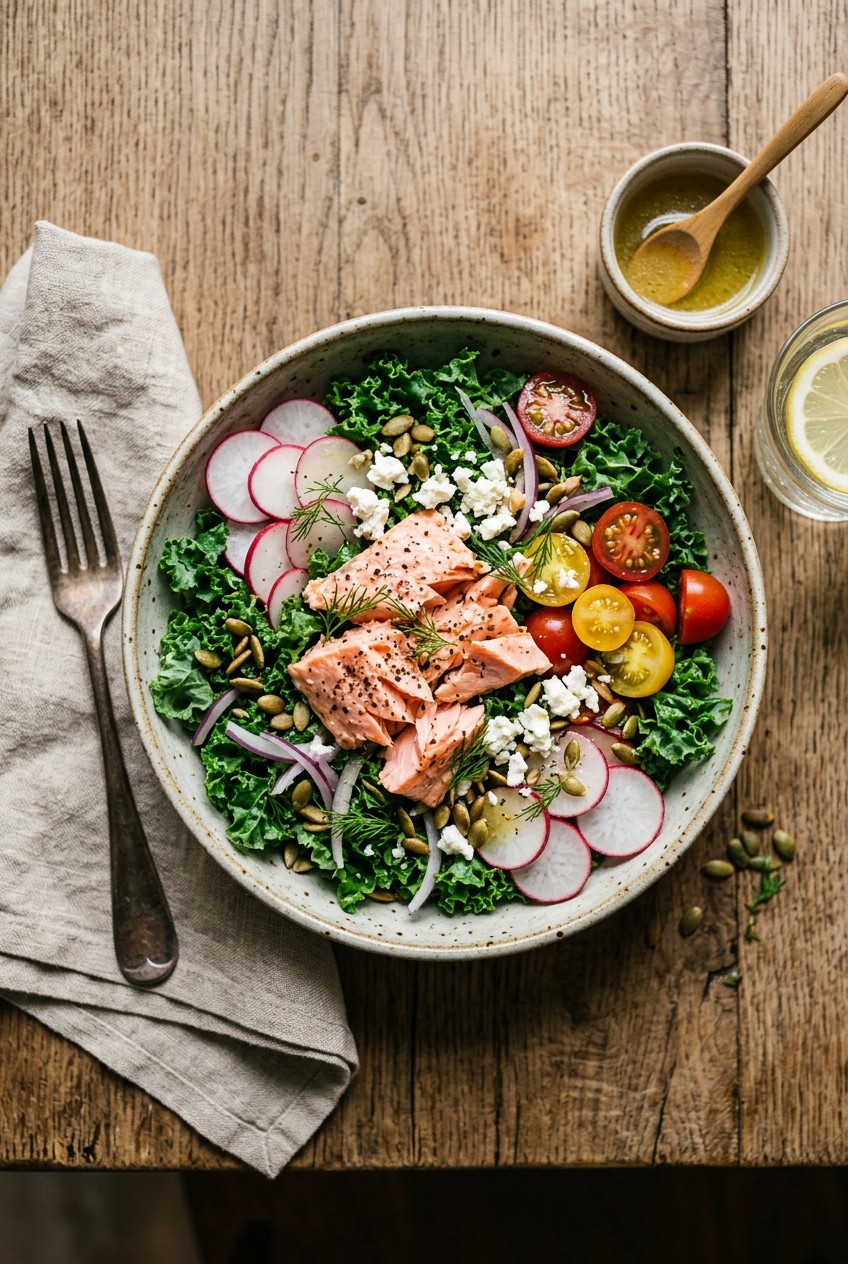
I’m constantly trying to find clever ways to sneak more dietary fiber into my daily routine. I want to align with the upcoming 2026 “fiber-maxxing” trend, which is all about adding high-fiber plants to literally every single meal you eat. I started adding finely diced crunchy vegetables directly into my creamy bowls. I use exactly 1/4 cup of finely chopped green celery and 1/4 cup of peeled, diced orange carrots. These provide essential fiber and a really satisfying, loud crunch when you chew. But my absolute favorite addition is fresh radishes. For a surprising and nuanced peppery flavor, I finely dice 1/4 cup of fresh red radishes and mix them right into the bowl. I buy a big bunch of radishes at Walmart for about $1.48. They add this incredible extra layer of crunch and a refreshing zing that cuts right through the heavy creamy dressing. I used to think radishes were just for sad, boring side salads, but chopping them tiny and mixing them into a creamy base completely changes their flavor profile. They absorb the sour lemon juice and the sea salt, becoming these little crunchy flavor bombs. Plus, the bright pink skin looks absolutely gorgeous against the pink fish and the bright green chopped herbs.
8. The Pepita & Functional Crunch Bowl

Texture is absolutely everything to me when I eat. If a meal is entirely soft and mushy, I get bored halfway through eating it and end up reaching for potato chips. For 2026, functional ingredients are a massive focus for healthy eating. I love adding exactly 1/4 cup of toasted pumpkin seeds, also known as pepitas, for extra fiber, healthy plant fats, and a delightful, nutty crunch. I buy the Good & Gather brand from the grocery aisles at Target. A 10 oz resealable bag is usually around $5.49. You have to toast them first, though. Raw pepitas are a bit chewy and bland. I toss them in a dry, hot skillet over medium heat for about three minutes until they start popping loudly and smelling like movie theater popcorn. I burned a whole pan of these once by walking away to answer a text message from a friend. They turn bitter and pitch black in seconds, so you can’t take your eyes off them while they toast. Took me years to figure out. Once they’re perfectly toasted and cooled on a plate, I fold them into the salmon mixture right before eating so they don’t get soggy sitting in the fridge overnight. The deep nutty flavor of the pumpkin seeds pairs perfectly with the rich fish and the sharp Dijon mustard. It makes the whole bowl feel like a fancy $20 restaurant meal.
9. The Mediterranean Spiced Protein Powerhouse

Sometimes I get completely tired of the standard lemon and dill flavor profile. That’s when I move beyond basic seasoning and start incorporating trending Mediterranean spices from my pantry. I love adding a generous pinch of dark red sumac or crushed Urfa Biber chili flakes. Sumac adds this incredible tart, lemony flavor without adding any extra liquid to the bowl, and Urfa Biber introduces a dark, slightly smoky heat that isn’t overwhelmingly spicy on the tongue. These specific spices introduce unique, complex flavors, setting your meal far apart from a standard, boring deli tub. To avoid the common mistake of an unsatisfying salad that leaves you starving an hour later, you must ensure your bowl is rich in dense protein. A standard 3-ounce serving of salmon provides 22 to 23 grams of high-quality protein and 1,000 to 1,725 mg of heart-healthy omega-3 fatty acids. I usually eat a slightly larger 4 oz portion to keep me totally full until dinner time. I serve this heavily spiced version scooped up with thick, toasted slices of fresh sourdough bread or thick English cucumber rounds. It’s incredibly filling, deeply flavorful, and takes exactly five minutes to throw together if you already have the canned fish sitting in your pantry.
My Final Thoughts on Mastering Salmon Salad Recipes
I really hope these unique combinations inspire you to finally ditch those sad, overpriced plastic deli containers for good. I’ve spent so much time perfecting these specific ratios because I genuinely believe a good, healthy lunch changes the trajectory of your entire afternoon. When I eat a soggy, bland meal, I feel sluggish, tired, and annoyed. When I eat a vibrant, crunchy, protein-packed bowl, I feel energized and ready to tackle my inbox. No exaggeration. You don’t need to spend hours standing in the kitchen to eat well. Just keep your pantry stocked with good quality canned fish, a glass jar of avocado oil mayo, and some fresh yellow lemons. I’m telling you, mastering these simple bowls will save you so much money and daily frustration. I’d love to know which specific variation you decide to try first. Pin this page to your favorite recipe board so you don’t lose the exact measurements next time you’re standing in the grocery store aisle trying to remember what to buy. Let’s make sad desk lunches a thing of the past. You’re going to love how incredibly easy this is once you get the hang of it.

The Well Plated Cookbook: Fast
The Well Plated Cookbook: Fast punches above its price. I would buy it again.
Frequently Asked Questions
Is canned salmon healthy for meal prep?
Yes, it’s incredibly healthy. Canned wild sockeye provides excellent protein and omega-3s. If you mash the soft bones in, you also get a massive calcium boost. It’s affordable and completely shelf-stable.
How long do these salmon salad recipes last in the fridge?
I find they stay fresh for up to three days in an airtight glass container. If you’re using fresh radishes or celery, they might release a little water on day three, so give it a quick stir before eating.
What is the best mayonnaise substitute for a lighter salad?
I’m obsessed with using a plain 2% Greek yogurt mixed with a splash of pure avocado oil. It gives you a rich, creamy texture with a tangy zip and extra protein, without the heavy feeling of traditional mayo.
How do I stop raw red onions from ruining the flavor?
Finely chop your red onions and soak them in a bowl of ice-cold water for exactly ten minutes before draining. This removes the harsh, pungent bite but keeps the sweet crunch perfectly intact.
