What’s Inside
- The Classic Chicken Breast Fix for Low Cal High Protein Meals
- Greek Yogurt as the Ultimate Sauce Base
- Egg White Scrambles with Maximum Volume
- Lentils as a Sneaky Meat Extender
- Crispy Tofu Bowls for Plant-Based Days
- Swapping to Protein Pasta for Low Cal High Protein Meals
- Blended Cottage Cheese for Creamy Pasta Sauces
- Shirataki Noodles and Pan-Seared Cod
- Edamame and Nutritional Yeast Snack Bowls
Last Tuesday at Whole Foods, I found myself staring blankly at the refrigerated deli case. I was starving, my blood sugar was crashing, and I needed something fast. I grabbed a pre-packaged “protein power” salad that looked decent through the condensation on the plastic lid. I flipped it over to read the nutrition label. It packed 600 calories and a miserable 12 grams of protein. I put it right back on the shelf. Building low cal high protein meals at home isn’t just a strategy to save money. It’s the only way to actually control your macros and feel full. I tried the whole “just eat plain salads” phase for months before figuring out that without a solid 25 to 30 grams of protein, I’d be raiding the pantry an hour later. Learned that the hard way.
As a nutritionist, I see people make the same mistake every single day. They restrict their calories drastically but ignore their protein intake, leading to muscle loss and intense evening cravings. You don’t need to spend two hours in the kitchen to fix this. You just need a few reliable ingredients and a solid plan. I spent years eating dry, rubbery chicken breasts before I figured out how to cook lean proteins properly. I’ve ruined expensive cuts of fish, turned tofu into soggy mush, and bought “healthy” pastas that dissolved into paste in the boiling water. Now, I keep my meal prep incredibly simple. Here are nine quick, high-protein meals you can throw together in under half an hour, using ingredients you can find at normal grocery stores.
1. The Classic Chicken Breast Fix for Low Cal High Protein Meals

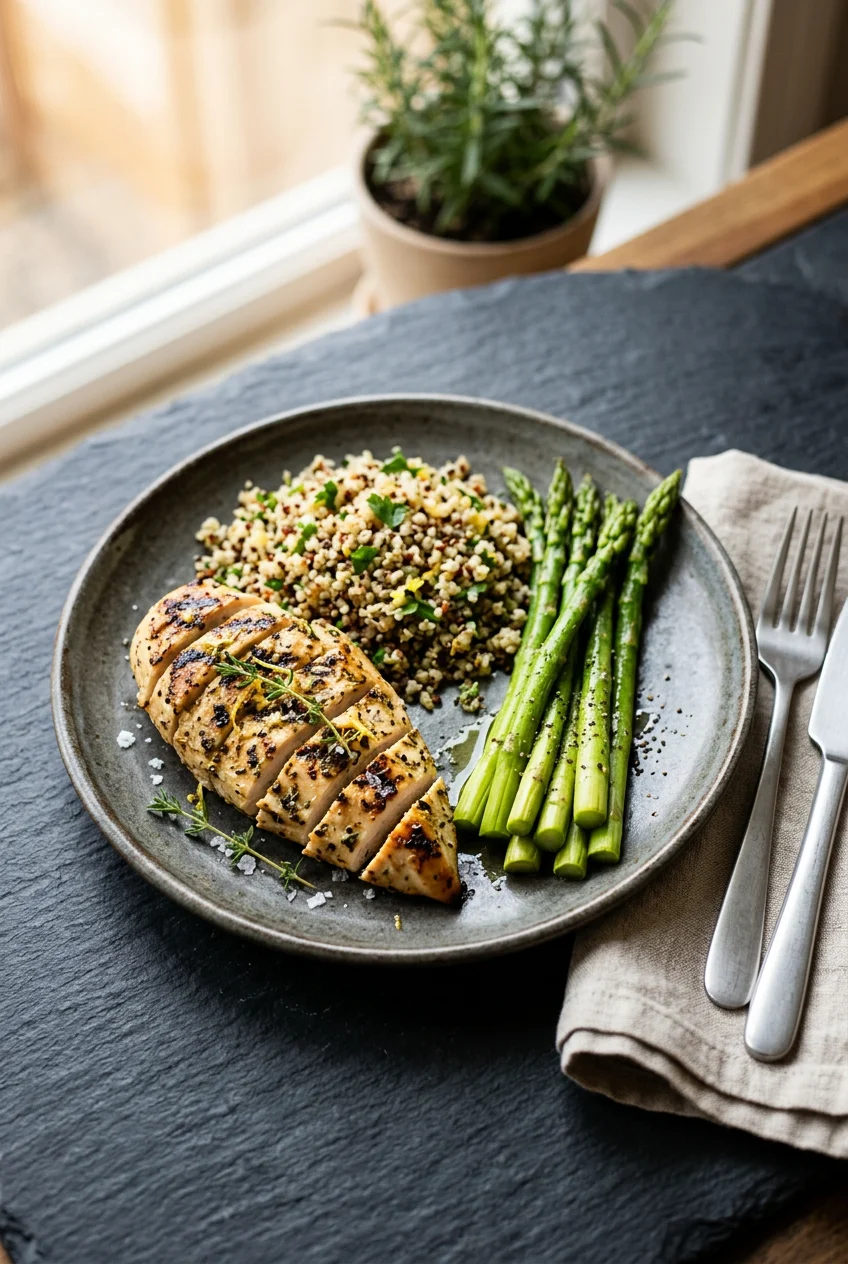
Most people get chicken breast completely wrong. I used to bake thick, whole chicken breasts at 350 degrees for forty minutes. They came out tasting like hot, wet cardboard. Now, I always butterfly them first. Slicing the breast in half horizontally creates two thin cutlets that cook in a fraction of the time. A standard 4-ounce serving of boneless, skinless chicken breast provides roughly 25 to 30 grams of protein for only 120 to 150 calories. I buy the bulk family packs at Costco for about $3.49 per pound, portion them into freezer bags, and thaw them overnight.
To keep the calories low, you can’t drown the chicken in olive oil. A single tablespoon of oil adds 120 calories to your pan. Instead, I use a light spray of Chosen Foods 100% Pure Avocado Oil. I buy the 4.7-ounce spray can at Target for $6.99. It handles high heat beautifully without leaving a chemical aftertaste. I coat the hot cast iron pan with a quick two-second spray, drop the thin cutlets in, and season heavily with Mrs. Dash Garlic and Herb salt-free blend. A 2.5-ounce bottle costs $3.49 at Kroger. Because the cutlets are thin, they sear in about four minutes per side, developing a nice golden crust while staying juicy inside. I pair this with a massive bowl of steamed broccoli for a meal that hits 35 grams of protein and stays under 250 calories. It’s fast, it’s cheap, and it actually tastes like real food.
2. Greek Yogurt as the Ultimate Sauce Base

I ruined so many perfectly good, lean meals by drenching them in calorie-dense sauces. I’d make a beautiful grilled chicken salad and then pour 300 calories of bottled ranch dressing right over the top. It completely defeats the purpose of eating a low-calorie meal. I stopped buying commercial dressings entirely two years ago. Now, I use plain, non-fat Greek yogurt as the base for almost every creamy sauce I make. Fage Total 0% Milkfat Plain Greek Yogurt is the only brand I buy for this. A 1-cup serving packs an impressive 20 to 23 grams of protein for only about 120 to 130 calories. The 32-ounce tub typically costs $6.99 at Target.
Fage is incredibly thick, which means it clings to vegetables and proteins much better than watery store-brand yogurts. To make a high-protein tzatziki sauce, I scoop half a cup of Fage into a bowl. I grate half an English cucumber on a box grater, squeeze the water out with a paper towel, and mix it into the yogurt. I add one tablespoon of fresh lemon juice, a pinch of salt, and a teaspoon of dried dill. This entire batch of sauce adds about 12 grams of protein to my plate for under 70 calories. I spoon this over grilled turkey burgers or use it as a dip for raw bell peppers. The sour tang of the yogurt mimics sour cream perfectly. If you’re still using mayonnaise-based sauces, swapping to Greek yogurt is the fastest way to drop hundreds of empty calories from your daily intake. Trust me on this.
3. Egg White Scrambles with Maximum Volume

If you wake up starving, a tiny bowl of oatmeal won’t hold you over until lunch. You need physical volume in your stomach. Egg whites are my favorite volume-boosting trick. One cup of liquid egg whites provides about 25 grams of protein for a mere 125 calories. I buy the 32-ounce carton of Egg Beaters 100% Liquid Egg Whites at Walmart for $5.48. I prefer the carton over separating whole eggs myself because it saves time and prevents yolk waste. I pour a full cup into a hot non-stick skillet. You might also like: 15 Creative Work Healthy Lunch Ideas You Can Try Today
The trick to making this meal massive without adding calories is fresh spinach. I used to make a huge mistake here. I’d pour the liquid eggs into the pan, then dump raw spinach on top. The water from the spinach would leak out as it cooked, turning the eggs into a watery, gray mess. Now, I cook the spinach first. I take two giant handfuls from a 5-ounce bag of Kroger fresh spinach (which costs $2.29). I drop it into a dry pan over medium heat. It wilts down to almost nothing in sixty seconds. Then, I pour the egg whites directly over the cooked spinach. As it scrambles, I add a pinch of black pepper and a tablespoon of salsa. Dietitians are increasingly recommending the “Protein First” approach for 2026. This means eating your protein source at the very beginning of your meal to maximize satiety and stabilize your blood sugar. I always eat this massive plate of egg whites before I touch my morning coffee or a piece of fruit. You might also like: 12 Healthy Dinner Ideas For Family You Need to See
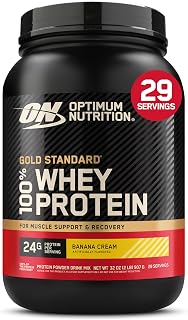
Optimum Nutrition Gold Standard 100% Whey Protein Powder
Optimum Nutrition Gold Standard 100% Whey Protein Powder has been one of the most consistently praised picks in this category. 92 reviewers averaged 4.5/5.
4. Lentils as a Sneaky Meat Extender

Red meat is expensive and often carries a heavy calorie load from saturated fat. I still eat ground beef occasionally, but I stretch it out using brown lentils. A half-cup serving of cooked lentils offers roughly 9 to 12 grams of protein and 115 calories, plus a massive hit of dietary fiber. I buy dried brown lentils from the bulk bins at Sprouts for about $1.99 per pound. They are incredibly cheap and expand significantly when boiled. I tried eating just lentil soup for dinner once to save money. I ended up horribly bloated for two days because my body wasn’t used to that much fiber at once. Now, I mix them 50/50 with lean ground turkey or beef. You might also like: 15 Clever Kids Healthy Breakfast Ideas for a Fresh New Look
My go-to 30-minute dinner is a high-protein taco bowl. I brown 4 ounces of 93% lean ground turkey (usually $4.99 a pound at Trader Joe’s) in a skillet. Once the pink is gone, I stir in half a cup of pre-cooked brown lentils. I add a packet of low-sodium taco seasoning and a quarter cup of water, letting it simmer until the sauce thickens. The lentils take on the exact texture and flavor of the ground meat. You honestly can’t tell they’re in there once the taco seasoning coats them. I serve this mixture over a bed of shredded lettuce instead of rice. This simple swap cuts the calorie density of the meal in half while keeping the protein content well over 30 grams. It’s a filling, savory bowl that prevents the heavy, sluggish feeling you get after eating traditional greasy tacos.
5. Crispy Tofu Bowls for Plant-Based Days

You don’t need to eat meat at every meal to hit your protein goals. Extra-firm tofu contains 12 to 17 grams of protein per 100-gram serving. I buy the House Foods Extra Firm Organic Tofu for $3.49 a block at Whole Foods. The biggest mistake people make with tofu is failing to press the water out. I used to just chop it straight out of the package and throw it into a hot frying pan. The water inside the tofu would immediately steam, preventing any crust from forming. It turned into a pale, soggy sponge that tasted like dishwater.
Now, I take the extra ten minutes to press it. I wrap the tofu block in a clean kitchen towel, place it on a cutting board, and set my heavy cast-iron skillet on top of it while I prep my vegetables. Once the water drains out, the tofu acts like a sponge for marinades. I cut it into one-inch cubes and toss them in one tablespoon of Kikkoman Less Sodium Soy Sauce (which runs $3.29 at Target) and half a teaspoon of garlic powder. I arrange the cubes in my air fryer basket so they don’t touch. I air fry them at 400 degrees for 15 minutes. The edges get incredibly crispy and golden brown. I serve this over half a cup of steamed cauliflower rice with a side of steamed green beans. It’s a light, crunchy, high-protein meal that digests easily and leaves me feeling energized instead of weighed down.
6. Swapping to Protein Pasta for Low Cal High Protein Meals

I completely stopped eating regular white pasta five years ago. It spikes my blood sugar, leaves me hungry an hour later, and offers almost zero nutritional value. I experimented with several alternative pastas. I bought a red lentil pasta once that completely disintegrated in the boiling water. It turned into a thick, gritty orange paste that I had to scrape out of the pot. I finally found a reliable replacement with Barilla Protein+ pasta. It offers 10 grams of protein per 2-ounce dry serving, compared to the 7 grams in traditional wheat pasta.
I buy the Barilla Protein+ Penne at Target for $2.79 a box. It’s made with a blend of standard wheat flour, lentils, chickpeas, and peas. Because it still contains wheat, it holds its structural integrity in boiling water and maintains that firm, al dente chew you expect from real pasta. To keep the meal low in calories, I weigh out exactly 2 ounces of the dry pasta on a food scale. Eyeballing pasta portions is a guaranteed way to accidentally eat 500 calories. I boil the penne for exactly nine minutes. I drain it and toss it with half a cup of Rao’s Homemade Marinara Sauce. Rao’s is a bit pricier at $7.99 for a 24-ounce jar at Kroger, but it has no added sugar and a very clean ingredient list. I fold in three ounces of shredded, leftover cooked chicken breast. This entire bowl takes less than fifteen minutes to assemble, feels like a heavy comfort meal, and easily clears 35 grams of protein.

Transparent Labs Grass-Fed Whey Protein Isolate
Honestly, Transparent Labs Grass-Fed Whey Protein Isolate – Naturally Flavored surprised me — sturdier than it looks in the photos, and over 329 buyers gave it 4.5 stars.
7. Blended Cottage Cheese for Creamy Pasta Sauces

I actively hated the texture of cottage cheese growing up. The watery curds completely grossed me out, and I refused to eat it. I missed out on an incredible protein source for years. A half-cup serving of 2% low-fat cottage cheese contains about 12 to 14 grams of protein for roughly 90 to 100 calories. I buy the 16-ounce tub of Daisy 2% Cottage Cheese at Walmart for $3.48. Daisy has a very clean ingredient list with just cultured milk, cream, and salt, unlike cheaper store brands that pump their tubs full of carrageenan and gums.
I finally learned that if you run cottage cheese through a blender, the curd texture disappears entirely. It transforms into a smooth, velvety liquid that resembles heavy cream or ricotta cheese. I use my small Ninja blender for this. I scoop half a cup of the Daisy cottage cheese into the blender cup, add a pinch of garlic powder, and blend it on high for thirty seconds. I pour this thick, creamy mixture directly into a warm pan with half a cup of my Rao’s marinara sauce. As it heats up, it melts into a rich, pink vodka-style sauce. I pour this over the Barilla Protein+ pasta. You get the decadent mouthfeel of a heavy cream sauce without the massive calorie bomb of actual heavy cream. It adds a sneaky 14 grams of protein to a simple pasta dish, keeping you full for hours.
8. Shirataki Noodles and Pan-Seared Cod

When I want a massive bowl of noodles but have almost zero calories left in my daily budget, I turn to shirataki noodles. These are made from the root of the konjac plant. They are virtually calorie-free and carb-free, consisting almost entirely of water and soluble fiber. I buy the Miracle Noodle Angel Hair shape at Whole Foods for $3.99 a bag. The first time I bought these, I opened the bag, dumped them straight into a bowl of hot broth, and took a bite. It was a disaster. Unrinsed shirataki noodles have a distinct, pungent, fishy odor straight out of the packaging. I threw the whole bowl in the trash.
You have to prep them correctly. I dump the noodles into a mesh strainer and rinse them under cold running water for two full minutes. This washes away the packing liquid and the smell. Then, I drop them into a completely dry, hot non-stick skillet. I pan-fry them dry for about five minutes until they stop squeaking when I stir them. This removes the excess water and improves their texture dramatically. I pair these noodles with a 4-ounce fillet of wild-caught Atlantic cod. Cod is an incredibly lean fish, providing about 20 to 25 grams of protein for under 120 calories. I buy frozen cod fillets at Costco for around $8.99 a pound. I pan-sear the cod in a separate pan with a squeeze of lemon juice and a pinch of black pepper. The flaky, tender fish pairs perfectly with the high-volume noodles, creating a massive, filling dinner that barely grazes 200 calories.
9. Edamame and Nutritional Yeast Snack Bowls

Sometimes you don’t need a full sit-down meal. You just need a high-protein snack that takes three minutes to make. I used to snack on handfuls of roasted almonds at my desk, thinking I was eating a high-protein food. Almonds are healthy, but they are primarily a fat source. Two handfuls easily add up to 400 calories and only provide a few grams of protein. I switched my afternoon snack to shelled edamame. A 1-cup serving of shelled, cooked edamame provides around 18 grams of complete, plant-based protein and only 188 calories.
I keep a bag of frozen, shelled edamame from Trader Joe’s in my freezer. It costs $2.29 for a 16-ounce bag. I microwave one cup of the frozen beans in a glass bowl with a splash of water for two minutes. Once they are hot, I drain the water and toss the edamame with two tablespoons of Bragg Nutritional Yeast. You can find a 4.5-ounce shaker of Bragg at Sprouts for $6.49. Nutritional yeast adds an incredibly savory, cheesy flavor to the beans, along with an extra 3 grams of complete protein and a massive dose of B-vitamins. I eat this bowl with a fork while working at my computer. If I need an extra hydration and protein boost, I wash it down with a Premier Protein Clear Water. I grab the Peach flavor at Target for $3.49 a bottle. It delivers 20 grams of protein for just 90 calories, without the heavy, chalky texture of milk-based protein shakes. This combo satisfies my craving for something salty and savory while keeping my macros perfectly aligned. Took me years to figure out.
Building low cal high protein meals doesn’t require culinary school skills or a massive grocery budget. It just requires a few smart ingredient swaps and a little bit of prep work. I highly recommend taking twenty minutes on a Sunday to press your tofu, butterfly your chicken breasts, and blend a batch of cottage cheese. Having these components ready in the fridge ensures you won’t resort to a sad, overpriced deli salad when you’re tired and hungry. Try swapping out just one of your normal dinners for the lentil taco bowl or the Greek yogurt chicken this week. Notice how much better you feel at 9 PM when you aren’t digging through the pantry looking for chips. No exaggeration. Pin this article so you have these exact measurements and grocery prices handy the next time you write your shopping list.

Optimum Nutrition Gold Standard 100% Whey Protein Powder
Honestly, Optimum Nutrition Gold Standard 100% Whey Protein Powder surprised me — sturdier than it looks in the photos, and over 109 buyers gave it 4.5 stars.
Frequently Asked Questions
How much protein should be in a low cal high protein meal?
Aim for 25 to 35 grams of protein per meal. This specific range is enough to trigger muscle protein synthesis and keep your blood sugar stable, preventing intense cravings later in the day.
What is the cheapest protein source for low calorie meals?
Brown lentils and liquid egg whites are incredibly cost-effective. A half-cup of dried lentils costs pennies and provides high-volume fiber, while a carton of egg whites offers pure protein without the fat calories of whole eggs.
Can I make low cal high protein meals without meat?
Yes. Extra-firm tofu, edamame, and nutritional yeast are excellent plant-based options. Pressing your tofu before cooking improves the texture, allowing it to absorb marinades and crisp up perfectly in an air fryer.
Why do my low calorie meals leave me feeling hungry?
You likely lack physical volume or sufficient protein. Try the “Protein First” approach by eating your protein source at the start of the meal, and add volume with calorie-free shirataki noodles or massive handfuls of wilted spinach.
