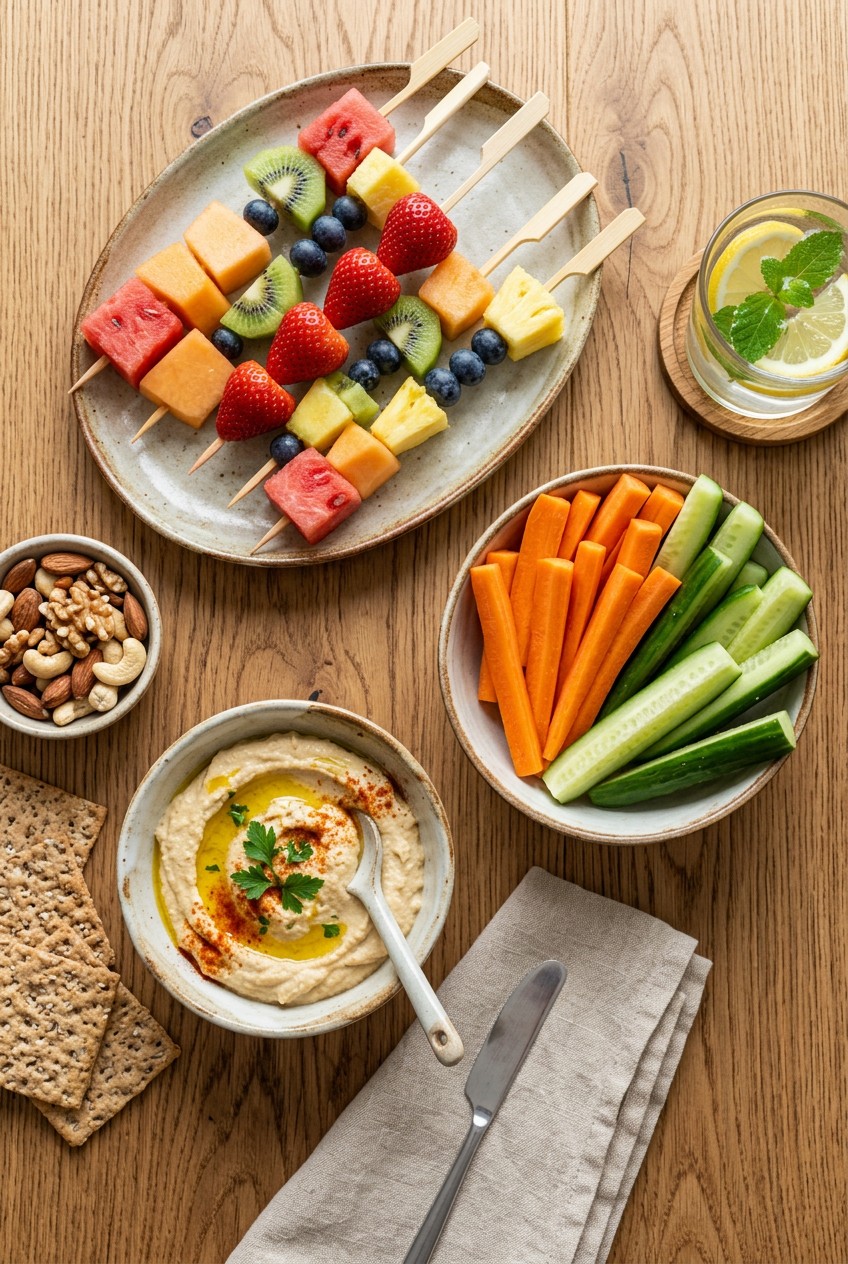
What’s Inside
- The Apple and Peanut Butter Power Combo for Kids Healthy Snacks
- Full-Fat Greek Yogurt Bowls Are Essential Kids Healthy Snacks
- Sneaking Spinach Into Smoothies and Pouches
- Reading Labels on Organic Fruit Pouches
- Building a Customizable DIY Trail Mix
- Air-Popped Popcorn with a Savory Twist
- Making Veggies Fun with Nutrient-Dense Dips
- Steamed Edamame for Quick Plant-Based Protein
Last Tuesday at 4:15 PM, I stood in my kitchen staring at a plate of rejected, slightly browned apple slices. My kids were screaming for neon orange cheese crackers, and my patience was gone. Finding healthy snacks shouldn’t make you want to hide in the pantry and cry. I’m a nutritionist, and even I struggle with the late afternoon snack meltdown. I used to buy all the expensive, perfectly packaged snack bars at Whole Foods thinking I was doing the right thing. Honestly, most of them taste like sweet chalk. I tried this the wrong way for months before figuring it out. Kids don’t need complicated recipes. They need fast, whole foods that actually taste good. Let’s fix the snack time chaos with eight simple options you can prep in under thirty minutes.
I remember looking at the ingredients on a box of heavily marketed fruit snacks and realizing it was just dyed corn syrup. It’s frustrating. The food industry markets these products as nutritious, but they cause massive energy crashes. You give them a sugary pouch, they bounce off the walls for twenty minutes, and then they melt down right before dinner. We aren’t doing that anymore. By focusing on smart pairings and whole foods, you’ll change how your family eats between meals. I’ve tested these specific combinations on my own very picky children. Some were huge failures at first—learned that the hard way—but we figured it out. Here’s what actually works in the real world.
1. The Apple and Peanut Butter Power Combo for Kids Healthy Snacks

Dietitians always talk about balancing protein and fiber for satiety. Instead of handing over a handful of highly processed crackers, offer combinations like fresh, crisp apple slices with 1 to 2 tablespoons of natural peanut butter. I personally swear by Smucker’s Natural Peanut Butter. It’s typically $3.99 for a 16oz jar at Target. The ingredients are just peanuts and salt. Skip the fat-free stuff. It tastes like wet cardboard and it’s usually packed with extra sugar to make up for the missing fat.
I’ve made a huge mess with natural peanut butter so many times. Last month, I opened a brand new jar without stirring it carefully and splashed peanut oil all over my favorite white shirt. It’s annoying, but the nutritional payoff is worth it. You have to stir it slowly. A common mistake is relying on snacks high in added sugars, unhealthy fats, and sodium. I used to buy those pre-packaged peanut butter sandwich crackers. They lead to instant energy crashes and a total lack of essential nutrients. The natural fats in real peanut butter keep growing bodies full until dinner.
The crisp, sweet crunch of a cold Honeycrisp apple pairs perfectly with the thick, salty, roasted-peanut texture of the nut butter. If your kids aren’t into apples, you can swap in celery or even just let them dip a spoon into the jar. Just make sure you’re measuring out that 1 to 2 tablespoons so they don’t eat half the jar in one sitting. It’s a classic for a reason.
2. Full-Fat Greek Yogurt Bowls Are Essential Kids Healthy Snacks

For children aged 12 to 24 months, the American Academy of Pediatrics advises pasteurized whole cow’s milk. Full-fat dairy provides crucial calcium, magnesium, and vitamins A and D for bone development. You’re going to want to offer 4 to 6 ounces of plain, full-fat Greek yogurt. I always buy Fage Total Plain Whole Milk Greek Yogurt. It runs around $6.49 for a 35oz tub at Sprouts. It smells fresh and clean, unlike the sour tang of cheap alternatives.
I made a major mistake when my oldest was a toddler. I bought those tiny, colorful cups of kid-marketed yogurts. They were watery, smelled like artificial vanilla perfume, and were loaded with sugar. My kid would eat three of them and still be hungry. Fage is incredibly thick and creamy. It sticks to the spoon. Top that 4 to 6 ounces of yogurt with 1/4 cup of fresh berries. The tartness of the plain yogurt balanced with the sweet burst of fresh blueberries is delicious.
Surprisingly, recent studies show cheese and dairy consumption links to better overall diet quality and may even reduce the likelihood of cavities. Don’t be afraid of the milk fat. It’s exactly what their growing brains need. If plain yogurt is too tart for them at first, don’t panic. I’ve found that mashing the berries slightly to release their natural juices makes a huge difference. You can also add a tiny sprinkle of cinnamon. Just don’t cave and buy the sugar-filled tubes. It’s not worth the sugar rush. You might also like: 20 Clever Healthy Snack Ideas That Make a Real Difference
3. Sneaking Spinach Into Smoothies and Pouches

Integrating vegetables into familiar foods remains a key strategy for picky eaters. Using the hidden veggies trick is honestly how I survive most weeks. You can easily blend 1/2 cup of fresh spinach or peeled zucchini into fruit smoothies. My go-to recipe is 1 banana, 1/2 cup of frozen mixed berries, 1/2 cup of whole milk, and 1/2 cup of spinach. You might also like: 20 Lovely Healthy High Protein Low Calorie Dinner Ideas Worth Trying This Year
I’ve got to admit a really gross mistake here. I once tried to make a hidden veggie smoothie using strawberries and a massive handful of kale. The blender sounded like a lawnmower, and the resulting liquid was a horrific swamp brown color. It smelled like a freshly cut lawn. My kids took one look, gagged, and refused to touch it. Plus, trying to scrub tiny bits of kale out of the blender blades while a toddler screams is my personal definition of misery. I learned quickly that you must use dark berries like blueberries or blackberries to mask the green color of the spinach. You might also like: 15 Beautiful Healthy Breakfast Ideas You Haven’t Thought Of
If you’re short on time and can’t deal with washing the blender, pre-made options are great. Brands like Once Upon a Farm offer convenient pouches that combine fruits and vegetables. Their Apple, Banana, Spinach and Avocado blend is fantastic. It’s typically $2.79 per pouch at Whole Foods. The texture is perfectly smooth, and it smells just like applesauce. You’re getting real, cold-pressed ingredients without the hassle of chopping and blending. I keep a stash of these in the fridge for emergencies when I just can’t bring myself to cook.
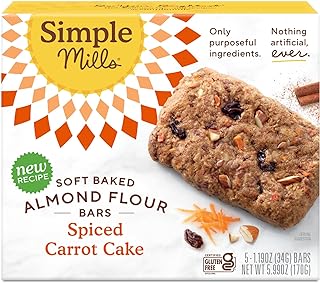
Simple Mills Almond Flour Snack Bars, Spiced Carrot Cake
If you want something that just works, Simple Mills Almond Flour Snack Bars is a safe bet (532 reviews, 4.5 stars).
4. Reading Labels on Organic Fruit Pouches

When choosing pre-packaged options, you have to be careful. Always select organic fruit and veggie pouches with zero added sugars. I’m a big fan of Happy Baby Organics Clearly Crafted pouches. They run around $1.79 each at Kroger.
You must always check the Added Sugars line on the nutrition label to ensure it’s exactly 0 grams. This is especially critical for children under two years old. Many conventional pouches contain high amounts of cheap fruit concentrate or straight added sugars. I once grabbed a generic brand pouch at a gas station during a road trip without reading the back. It was basically apple juice concentrate and corn syrup. My son drank it, got sticky syrup all over his car seat, and then screamed for the next fifty miles because of the sugar crash. It was a complete nightmare.
The Happy Baby pouches are transparent, so you can actually see the bright orange or green puree inside. It’s a small detail, but it gives me peace of mind knowing the food isn’t discolored or moldy. Mindful snacking means knowing exactly what you’re handing your kids. Don’t just trust the front of the package. Marketing labels will say “Made with Real Fruit” even if it’s 90 percent sugar water. Flip it over. Read the back. If you can’t pronounce the ingredients, put it back on the shelf.
5. Building a Customizable DIY Trail Mix

For a versatile and highly economical snack, you should make your own trail mix. I’m tired of paying eight dollars for a tiny bag of pre-mixed nuts that is mostly cheap peanuts anyway. To make a great batch, combine 1/4 cup of unsalted nuts like almonds or walnuts, 1 tablespoon of seeds like pumpkin or sunflower seeds, and 2 tablespoons of unsweetened dried fruit like raisins or cranberries.
Buying nuts and seeds in bulk is the secret here. I go to Costco and buy their Kirkland Signature nuts, which can reduce costs to about $8.99 per pound. The smell of fresh walnuts and the chewy, tart texture of unsweetened cranberries is a perfect combination.
Portion control is essential with trail mix. Nuts are incredibly calorie-dense. I used to just hand my kids a giant mixing bowl of trail mix while they watched a movie. That was a huge mistake. They ate way too much and then refused to eat dinner. Now, I pre-portion the mix into small, reusable silicone bags to manage serving sizes. You get the crunchy texture of the almonds and the soft chew of the dried fruit in every bite. It’s a fantastic source of healthy fats and fiber. Plus, letting the kids help measure and mix the ingredients makes them way more likely to actually eat it.
6. Air-Popped Popcorn with a Savory Twist

Here is a surprising and lesser-known healthy snack. Air-popped popcorn is actually a whole grain and a fantastic source of fiber. You just need to air-pop 1/4 cup of kernels. I always use Orville Redenbacher’s Original Popcorn Kernels. You can get a 30oz jar for around $4.49 at Walmart.
You’re going to want to season this with a sprinkle of real Parmesan cheese or a dash of paprika instead of heavy butter and excessive salt. Skip the microwave popcorn entirely. I used to buy those butter-flavored microwave bags. The smell of those artificial butter chemicals filling the kitchen is honestly nauseating now. Plus, the bags are lined with unhealthy additives and packed with excessive sodium.
The air popper machine makes this fun, loud popping sound that my kids love. The popcorn comes out hot, crisp, and pure white. Tossing it with a little olive oil spray and finely grated Parmesan cheese creates a savory, cheesy snack that blows bagged chips out of the water. I use a 100 percent pure olive oil spray to help the cheese stick. It mists perfectly without making the popcorn soggy. Please note that popcorn can be a severe choking hazard for younger children. I wouldn’t give this to kids under four years old. For older kids, it’s an incredibly cheap, high-volume snack that fills them up without weighing them down. It’s crunchy, salty, and totally satisfying.

Veratify Healthy Mixed Snack Box (66 Count) Snacks Gift
Veratify Healthy Mixed Snack Box (66 Count) Snacks Gift Basket Granola has been one of the most consistently praised picks in this category. 72 reviewers averaged 4.5/5.
7. Making Veggies Fun with Nutrient-Dense Dips

Getting kids to eat raw vegetables can feel like a losing battle. Dietitians always say pairing raw vegetables with nutrient-dense dips increases acceptance and provides additional protein and healthy fats. You should pair 1/2 cup of raw veggie sticks like carrots, cucumber, and bell peppers with 2 to 3 tablespoons of hummus. I usually buy Sabra Classic Hummus. It’s around $3.49 for a 10oz tub at Trader Joe’s. It has this rich, nutty tahini flavor that pairs perfectly with the sweet crunch of a red bell pepper.
The “Fun Dips and Dippers” approach is a trending way to make vegetables more appealing for 2026. Kids love interacting with their food. The cold, crisp snap of a fresh cucumber dipped into smooth, garlic-infused hummus is a great sensory experience.
I’ve definitely messed this up before. I used to just put plain carrot sticks on a plate and tell them to eat. They sat there until they dried out and curled at the edges. Plain vegetables are boring. They need flavor and fat to taste good. Now, I use a crinkle cutter to make the carrots look like french fries. It’s a silly visual trick, but it works—took me years to figure out. I also had to set a strict “no double-dipping” rule after watching my youngest sneeze directly into the communal hummus bowl. Always portion out the 2 to 3 tablespoons of hummus onto their individual plates.
8. Steamed Edamame for Quick Plant-Based Protein

If you haven’t introduced edamame to your kids yet, you’re missing out. Shelled, cooked edamame is an excellent source of plant-based protein and fiber. You’ll want to offer 1/4 to 1/2 cup of steamed and lightly salted shelled edamame. I buy the frozen organic edamame from Target’s Good and Gather line. It’s typically $2.99 for a 12oz bag.
Protein-rich snacks like edamame help children feel full much longer and provide sustained energy. I used to buy edamame still in the pods because I thought it would be fun for them to pop out the beans. That was a terrible idea. Last winter, I microwaved a bowl of edamame pods, and I burned my fingers trying to show them how to squeeze the hot pods. The kids got frustrated and gave up. Always buy the pre-shelled ones for quick snacks.
You just microwave the shelled beans for a minute, let them cool, and sprinkle a tiny bit of sea salt on top. The bright green color is visually appealing, and they have a firm, satisfying, slightly buttery texture. They don’t taste like typical vegetables, which makes them highly acceptable to picky eaters. You can even toss them into the DIY trail mix if you want to add a different texture. It’s a cheap, incredibly fast snack that delivers serious nutrition.
Finding the right snacks doesn’t have to be a daily battle. I’ve learned that keeping it simple and focusing on whole foods is the only way to survive the afternoon slump. You won’t have to deal with sugar crashes or whining if you stick to these protein and fiber combinations. I highly recommend starting with the apple and peanut butter combo or the steamed edamame this week. They are foolproof and take zero culinary skill. Please save or pin this article so you can reference these exact measurements and brands the next time you’re wandering the grocery store aisles feeling overwhelmed. You’ve got this.
Frequently Asked Questions
Why are protein and fiber important for kids snacks?
Combining protein and fiber keeps blood sugar stable and provides sustained energy. This prevents the dreaded afternoon sugar crash and keeps growing bodies feeling full until dinner. I always pair a fruit with nuts or cheese.
Can I give my toddler full-fat dairy?
Yes, the American Academy of Pediatrics advises whole milk dairy for children aged 12 to 24 months. Full-fat options provide essential vitamins and healthy fats crucial for early brain and bone development.
Are pre-packaged fruit pouches healthy?
They can be, but you must read the labels carefully. Look for organic options with zero grams of added sugar. Many conventional pouches are basically just fruit juice concentrate, which causes massive energy spikes.
Is popcorn a safe snack for toddlers?
No, popcorn is a known choking hazard for children under four years old. For older kids, air-popped popcorn is a fantastic whole grain snack, but you shouldn’t serve it to toddlers.
