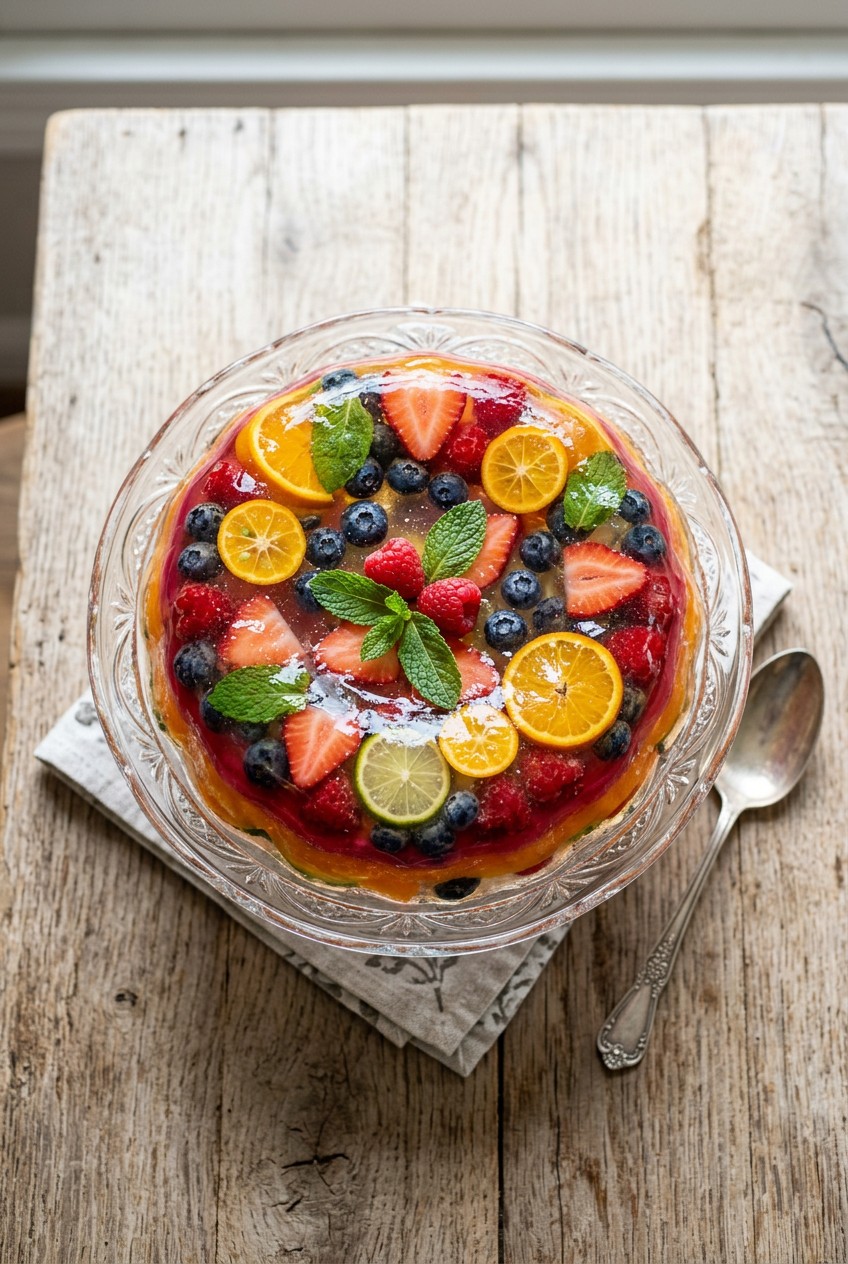
What’s Inside
- Mastering the Beef Gelatin Base for Jello Salad Recipes
- Vegan Apple & Agar-Agar Options
- The Fresh Pineapple Enzyme Trap
- Sweetening Without Refined Sugar
- Adding Probiotic Yogurt Layers
- Natural Food Coloring Hacks for Jello Salad Recipes
- Trying Savory Vegetable Variations
- Herbal Infusions and Perfect Ratios
I stared at a soupy, neon-green puddle on my kitchen counter last Thanksgiving. I realized my attempt at retro jello salad recipes was a complete disaster. Fresh pineapple enzymes had literally eaten the gelatin alive. It smelled like canned fruit cocktail and total failure. The sticky liquid was seeping into my expensive linen tablecloth. Skip the fat-free, boxed stuff from the baking aisle. It tastes like wet cardboard and chemicals. I’ve spent the last year in my kitchen perfecting healthy, clean-eating versions that actually set up firm and taste amazing. Let’s talk about real, sustainable meal prep. I’m going to show you how to make these without the artificial dyes or cups of refined sugar. You won’t believe how easy it is to prep a week’s worth of snacks on a Sunday afternoon. I use heavy glass containers with snap-on lids. They stack perfectly in the fridge and keep the gelatin cold and firm. I’m sharing exactly how I build these recipes from scratch so you don’t repeat my messy mistakes.
1. Mastering the Beef Gelatin Base for Jello Salad Recipes

I tried this wrong for months before figuring it out. I used to dump gelatin powder straight into hot water. It formed these nasty, chewy lumps that looked like fish food floating in a cloudy bowl. You absolutely must bloom your gelatin first. This just means sprinkling it over cold liquid to hydrate the protein strands. I take 4 tablespoons of Great Lakes Wellness Beef Gelatin (it costs exactly $20.49 for a 16 oz canister at Kroger) and sprinkle it over 1/2 cup of cold fruit juice. Let it sit for 10 minutes. It turns into a thick, rubbery paste that looks like applesauce but smells completely neutral. This step is non-negotiable. When you finally whisk in your hot liquid, it melts instantly. No lumps. If you’re on a tighter budget, Knox Unflavored Gelatin works beautifully too. I grab the 32-envelope box for about $8.99 at Target. Using unflavored gelatin gives you total control over the sugar content. You won’t find any artificial colors here. Just pure protein and a perfect firm set for your meal prep containers. I personally swear by the grass-fed beef options because they don’t have that weird underlying processed smell that cheaper brands sometimes carry. Make sure you use exactly 1 tablespoon of gelatin per 2 cups of liquid for a standard jiggle. Want it firm enough to cut into cubes for finger food? Double the gelatin amount. It’s that simple. I remember making a batch for a picnic last July. I rushed the blooming process because I was running late. Big mistake. The texture was grainy, and my kids actually spit it out into their napkins. Now I set a timer on my phone for exactly 10 minutes. I’ve found that using a wide, shallow bowl helps the powder spread out evenly so you don’t get dry pockets in the middle.
2. Vegan Apple & Agar-Agar Options

Not everyone wants beef protein in their snacks. I completely get it. For a plant-based option, you’re going to use agar-agar. It comes from seaweed and sets up even firmer than traditional gelatin. I buy Eden Foods Agar Agar Flakes. A 1 oz bag runs about $9.49 at Whole Foods. I usually find it in the macrobiotic aisle. It’s expensive but absolutely worth the price for the quality. The texture is slightly different from animal gelatin. It breaks cleanly when you bite it instead of melting slowly on your tongue. It has a distinct, brittle snap. For a healthy agar jello recipe, I use 6 tablespoons of the flakes boiled with 4 cups of 100% apple juice. Never use the juice cocktails with added sugar. They are basically colored corn syrup. I always check the label to ensure it says no sugar added. I made the mistake of using a cheap apple drink once. The result was sickeningly sweet and gave me a headache. You want the sharp, crisp tartness of real apples. Agar-agar is also packed with natural fiber. This makes it incredibly filling for a mid-afternoon snack at your desk. You have to boil the agar mixture for about 5 minutes to fully dissolve the flakes. If you just warm it up, it won’t set at all. I learned this the hard way last Tuesday. I ended up with a chunky, unappetizing apple soup. Pour the hot liquid carefully into your glass containers. It actually sets up at room temperature on the counter. But I still chill it because cold snacks taste so much better after a heavy workout.
3. The Fresh Pineapple Enzyme Trap

Let’s talk about the biggest mistake people make with homemade gelatin. Fresh fruit enzymes. I mentioned my Thanksgiving disaster earlier. I had bought a beautiful, fragrant fresh pineapple from Trader Joe’s for $3.99. It smelled like a tropical vacation. I chopped it up and folded it into my cooling gelatin base. It never set. Fresh pineapple, kiwi, papaya, and figs contain enzymes like bromelain. These enzymes literally digest the protein bonds in gelatin. Your salad will stay liquid forever. It’s infuriating. If you want to use these fresh fruits, you have to cook them first. Boiling neutralizes the enzymes completely. Honestly, I just take the easy route now. I buy canned pineapple chunks packed in 100% juice. The commercial canning process heats the fruit enough to make it perfectly safe for gelatin. I usually grab a 20 oz can for $2.49 at Walmart. Drain the juice into a measuring cup and use it as part of your liquid base. Then fold in the soft chunks. Another crucial detail is your setting time. Don’t rush it. While the box might say it sets in 4 hours, you really need to chill it overnight. I line up my glass meal prep containers on Sunday night. Leaving them in the cold fridge for a full 12 hours gives you a stable, firm result that won’t weep liquid into your lunch bag by Wednesday. Nobody wants a soggy lunch. Patience is mandatory here. I’ve tried to pack a container after only 3 hours of chilling, and it sloshed all over my car seats. You might also like: 15 Clever Kids Healthy Breakfast Ideas for a Fresh New Look

Air Fryer Cookbook: 600 Effortless Air Fryer Recipes for
A dependable everyday pick — Air Fryer Cookbook: 600 Effortless Air Fryer Recipes for Beginners and. Not flashy, just solid.
4. Sweetening Without Refined Sugar

I absolutely refuse to use cups of white sugar in my meal prep. It defeats the entire purpose of eating clean. When I use tart juices like unsweetened cranberry or cherry, I need a little extra sweetness to balance the bite. I rely strictly on natural, zero-calorie sweeteners. Liquid stevia is my absolute go-to. I buy the SweetLeaf brand. A 2 oz dropper bottle costs $8.99 at Sprouts. I always hit up their supplement aisle to find it. It lasts for months. Just 5 or 6 drops are usually enough to balance the tartness of 4 cups of liquid. If you’re feeling lazy, you can buy pre-sweetened mixes. I’ve tested GramZero sugar-free gelatin. It’s sweetened exclusively with organic stevia. A 1.5 oz box is around $3.49 online. It has a very clean taste without that bitter, chemical aftertaste you get from aspartame. I strongly prefer making my own from scratch, though. Instead of just using thin juice, I love incorporating thick fruit purees. It gives the final product a richer, more substantial texture. It coats the back of a spoon beautifully. Last month, I blended 1 cup of fresh strawberries into a smooth puree. I heated 1/2 cup of that puree to bloom my gelatin, then mixed it all together with the remaining cold puree. The mouthfeel was incredible. It felt like eating a fancy panna cotta instead of a cheap cafeteria side dish. Just remember to strain your purees through a fine mesh sieve if you hate seeds. Raspberry seeds stuck in your teeth will ruin your entire afternoon. You might also like: 20 Beautiful Aesthetic Low Calorie Dinner Ideas That Changed Everything
5. Adding Probiotic Yogurt Layers

I’m seeing a massive trend coming for 2026. People are finally realizing they can turn their snacks into a gut-health powerhouse. You do this by adding probiotic-rich ingredients like plain Greek yogurt or kefir. Navigating Costco on a Saturday is a nightmare, but I brave the crowds for their giant 48 oz tub of Kirkland Signature Organic Greek Yogurt. It costs $6.49 and is incredibly thick and tangy. You can’t just dump cold yogurt straight into hot gelatin, though. It will curdle instantly. I ruined a whole batch of blackberry gelatin doing exactly that. It looked like scrambled eggs floating in purple water. It smelled like sour milk and went straight down the garbage disposal. Here is the proper trick. Let your fruit gelatin mixture cool on the counter until it’s room temperature but not yet set. Then, gently whisk in 1 cup of the Greek yogurt. I usually add 1/4 teaspoon of liquid stevia and 1 teaspoon of real vanilla extract to the yogurt first. This creates a stunning, creamy, opaque layer. If you want to get really fancy for your meal prep, you can layer clear fruit juice gelatin with the opaque yogurt gelatin. Pour the clear layer into your mold first. Chill it for about 45 minutes until it’s tacky but firm to the touch. Then gently pour the yogurt layer over the top. The visual appeal is amazing. It looks like you spent hours on it. My kids actually beg for this specific version in their school lunches. It’s packed with protein and keeps them full until dinner. You might also like: 20 Creative Easy Healthy Low Calorie Dinner Ideas Worth Trying This Year
6. Natural Food Coloring Hacks for Jello Salad Recipes

Let’s talk about the neon elephant in the room. Artificial food dyes are absolute garbage. Red 40 and Yellow 5 have no place in a clean eating kitchen. You can get gorgeous, vibrant colors using natural plants. For a rich red or deep pink, I use beetroot powder. I buy a 4 oz bag of Kate Naturals Beet Root Powder for $9.99 on Amazon, but I frequently browse the wellness section at Target for similar powders. Just 1/2 teaspoon whisked vigorously into your juice turns it a stunning ruby red. It doesn’t taste like dirt, I promise. The strong fruit juice completely masks the earthy flavor of the beets. For a bright yellow, a tiny pinch of ground turmeric works wonders. For a warm orange, I mix in a heavy splash of fresh carrot juice. I tried using spirulina powder for a blue color once. That was a horrible mistake. I used way too much and it tasted like a dirty fish tank. It coated my tongue in a weird film. Use just a microscopic sprinkle if you want a green or blue hue. Also, we need to clear up a massive misconception in the health community right now. Collagen peptides will not gel. I see people buying $25 tubs of Vital Proteins Vanilla Collagen Peptides thinking it will set up firm. It won’t. Collagen is processed specifically so that it dissolves in cold water without gelling. It’s great for your hair and joints. I put a scoop in my morning coffee every single day. But if you use it for this, you’ll just have flavored water. You must buy actual gelatin powder for the structural support. You can always whisk a scoop of collagen into the cooling mixture for extra protein, but it won’t replace the gelling agent.

The Skinnytaste Air Fryer Cookbook: The 75 Best Healthy
The Skinnytaste Air Fryer Cookbook: The 75 Best Healthy Recipes for Yo punches above its price — 126 buyers rated it 4.5 stars. I would buy it again.
7. Trying Savory Vegetable Variations

I know exactly what you’re thinking right now. Savory gelatin sounds like a terrifying 1950s nightmare. I thought the exact same thing until I actually tried a modern, clean version. It’s surprisingly refreshing. Think of it like a cold, crunchy gazpacho that you can slice with a knife. I start with a very tart lemon or lime gelatin base. I use 2 cups of filtered water, 1/4 cup of fresh squeezed lemon juice, 1 tablespoon of unflavored gelatin, a splash of raw apple cider vinegar, and a heavy pinch of coarse sea salt. Once the base is cooled and slightly thickened, I fold in very finely chopped raw vegetables. I use celery, carrots, radishes, green onions, and seedless cucumber. I hit the Walmart produce section early in the morning for the crispest veggies. A bunch of organic celery is only $1.98 there. The crunch of the raw vegetables suspended in the tart lemon base is incredible alongside grilled chicken or fish. It wakes up your palate. Most people get this wrong by using giant, chunky pieces of vegetables. Don’t do that. You have to dice everything into tiny, uniform pieces, about the size of a small pea. If the chunks are too big, the salad falls apart when you try to slice it. I made a cucumber mold last summer with huge, thick slices of cucumber. It completely collapsed into a wet pile on the serving platter. Keep everything finely diced. It’s a fantastic, low-calorie way to get more raw vegetables into your daily meal prep containers.
8. Herbal Infusions and Perfect Ratios

We need to upgrade the flavor profiles beyond basic fruit juice. Infusing your liquid base with fresh herbs or whole spices completely changes the experience. My absolute favorite combination for summer is fresh mint and watermelon juice. I buy a $2.99 plastic pack of fresh mint leaves from Whole Foods. The smell of crushed mint on my wooden cutting board is intoxicating. I steep a handful of bruised leaves in the hot watermelon juice for 15 minutes, then strain them out before adding the bloomed gelatin. It tastes like a high-end spa treatment. Another great trick is adding a pinch of ground cinnamon to hot apple juice. It makes it taste exactly like a cold slice of apple pie. You have to be careful with the spices, though. I once dumped a whole teaspoon of ground ginger into a delicate peach gelatin. It burned my throat and completely overpowered the fruit. A tiny pinch is all you need. Finally, let’s lock down these structural ratios so you never end up with a soupy mess. The golden rule for a standard, spoonable jiggle is 1 tablespoon of unflavored beef gelatin per 2 cups of liquid. If you are making finger food for a party, you need it much firmer. It needs to bounce back when you poke it. Increase the gelatin to 1.5 or even 2 tablespoons per 2 cups of liquid. This firmer texture is actually much better for meal prep because it survives being bounced around in a lunchbox without melting or breaking apart. Just remember to account for any liquid from fruit purees in your total measurement.
I honestly can’t imagine my weekly meal prep without these recipes in my heavy rotation. They satisfy my sweet tooth late at night, pack in extra protein, and keep me far away from processed junk food in the pantry. The firm, cold texture alone is so satisfying when you’re craving a sweet treat. If you’ve been relying on the boxed stuff with artificial colors, I challenge you to try just one of these clean versions this weekend. Your digestion and your taste buds will thank you. Don’t forget to pin this article to your favorite healthy snack board so you have these exact ratios and measurements handy for your next grocery run!
Frequently Asked Questions
Can I use fresh pineapple in my jello salad recipes?
No, fresh pineapple contains an enzyme called bromelain that digests the proteins in gelatin, preventing it from setting. You must use canned pineapple, as the canning process heats the fruit and neutralizes the enzymes.
What is the correct ratio of gelatin to liquid?
For a standard, spoonable texture, use exactly 1 tablespoon of unflavored gelatin per 2 cups of liquid. If you want a firmer texture that you can cut into cubes, increase it to 1.5 or 2 tablespoons.
Can I use collagen peptides instead of gelatin?
No, collagen peptides will not gel. They are processed to dissolve completely in cold water. You must use actual unflavored gelatin powder or agar-agar to get the firm structure needed for a jello salad.
How do I make a vegan jello salad?
Substitute beef gelatin with agar-agar flakes or powder. Agar-agar is derived from seaweed and sets up very firm. You will need to boil the agar-agar with your fruit juice for about 5 minutes to fully dissolve it.
