What’s Inside
- Choose Sturdy Greens for Your Dinner Salad Recipes
- Make Microgreens the Star of Your Dinner Salad Recipes
- Master the 1:1 Dressing Ratio for Brighter Flavor
- Prevent Soggy Salads with Smart Layering
- Incorporate Affordable Plant-Based Powerhouses
- Add Serious Crunch Without Stale Croutons
- Use Punchy Cheeses That Go a Long Way
- Bring in Sweet and Tart Fruit Elements
Last Tuesday at Whole Foods, I dropped a flimsy plastic container of wilted spring mix right in the produce aisle. The lid popped off, and the sour, swampy smell of rotting leaves hit my nose instantly. That gross moment made me rethink my entire approach to cheap, healthy eating, especially when hunting for reliable dinner salad recipes. Most people think dinner salad recipes mean sad iceberg lettuce and watery tomatoes that leave you starving an hour later. I’m here to tell you that’s complete garbage. I’ve spent the last three years perfecting massive, satisfying bowls of greens that actually fill you up without draining your wallet. Skip the fat-free stuff. It tastes like wet cardboard. We need real ingredients, bold flavors, and smart layering. My early attempts were absolute disasters. I’d pack a salad for work in a cheap plastic tub, and by noon, it was a slimy, unappetizing mess. I tried this wrong for months before figuring it out. I’d pour heavy ranch directly on delicate spinach and wonder why I was eating green soup later. Now, I keep my meals under five bucks a serving, and I’m never hungry at 9 PM. I want to show you exactly how to build a bowl that looks beautiful and tastes incredible. You won’t need to spend hours in the kitchen or blow your grocery budget on fancy superfoods. We’re going to use basic, affordable ingredients from stores you already visit. Let’s fix your salad routine right now.
1. Choose Sturdy Greens for Your Dinner Salad Recipes

If you’re still buying those giant plastic tubs of baby spinach, stop right now. I used to buy them constantly at Target, thinking I was being so healthy. Three days later, half the tub would be a dark green, slimy sludge sticking to the bottom. It’s a massive waste of money. For meal-prepped salads, you need tough greens like romaine, curly kale, or red cabbage. These hardy vegetables resist wilting much better than delicate baby spinach or spring mix. They hold their crunch even when they sit in the fridge for a few days. I personally swear by a 5-ounce container of Organic Girl Super Greens. It’s a blend including red and green swiss chard, tat soi, arugula, and spinach. It costs exactly $3.49 at my local Target, offering a nutritious base that won’t immediately turn to mush. When I’m feeling extra frugal, I buy a whole head of green cabbage for about $1.50 at Walmart. I chop it up with a heavy chef’s knife. The loud crunch of the blade slicing through the dense leaves is so satisfying. Cabbage lasts for weeks in the crisper drawer. I tried this wrong for months before figuring it out. I’d use fragile butter lettuce for a heavy taco salad, and the weight of the beans just crushed it. You need a sturdy foundation to hold up your toppings. Wash your greens in freezing cold water to shock them crisp. I fill my stainless steel sink, swish the leaves around to drop the dirt, then dry them completely in my OXO salad spinner. Wet greens repel oil-based dressings, leaving a puddle of flavored water at the bottom of your bowl.
2. Make Microgreens the Star of Your Dinner Salad Recipes

Move beyond tiny garnishes and make microgreens the star of your bowl. Right now, chefs and diners are fully embracing their versatility and nutritional punch as a primary base. They offer a highly concentrated dose of vitamins and minerals. I honestly thought microgreens were just pretentious restaurant decorations until I started buying them in bulk. Last month at Whole Foods, I grabbed a 4-ounce clamshell of AeroFarms Spicy Mix for $4.99. I dumped the entire container into a wide ceramic bowl instead of using regular lettuce. The peppery sting of the radish microgreens and the bright purple stems completely blew my mind. They have this delicate, almost fuzzy texture on your tongue, but they pack a massive flavor punch. I served a big bowl of this to my sister, and she initially laughed at me. She said it looked like I scooped up a patch of lawn grass. Then she took a bite and immediately asked for the recipe. You don’t need a lot of heavy ingredients when your base greens taste this complex. I like to toss them with a tiny pinch of coarse sea salt before adding anything else. The salt draws out their natural earthy oils. Don’t drown them in thick, creamy dressings, though. I made that mistake once with a heavy blue cheese dressing, and it completely masked the delicate mustard and radish notes. Keep it light and let the tiny leaves do the heavy lifting for your flavor profile. They aren’t just for fancy bistros anymore. Trust me on this.
3. Master the 1:1 Dressing Ratio for Brighter Flavor

While the traditional oil-to-vinegar ratio for vinaigrettes is three parts oil to one part vinegar, a newer approach suggests a 1:1 ratio. This creates a brighter, much more flavorful dressing that cuts through rich toppings and keeps veggies crisper. I used to blindly follow the old rule, whisking endless streams of oil into a tiny splash of vinegar. The result was always a greasy, heavy slick that coated the roof of my mouth. It’s gross. Now, I use equal parts. For a healthy, budget-friendly homemade option, I combine 2 tablespoons of California Olive Ranch Extra Virgin Olive Oil with 2 tablespoons of Bragg Organic Apple Cider Vinegar. The olive oil usually runs $15.24 for a 25.4-ounce bottle at Kroger, and the vinegar is $4.99 for 16 ounces. This makes the cost per serving incredibly low. I dump them into a small glass jar with a tight metal lid. I add a fat pinch of black pepper, a smashed garlic clove, and a tiny squeeze of fresh lemon juice. Shaking that little glass jar sounds like a tiny maraca in my kitchen. The sharp, acidic smell of the apple cider vinegar wakes up your sinuses immediately. That high acid content acts like a bright spotlight on your vegetables. It makes cucumbers taste sweeter and cuts the bitter edge off raw kale. Skip the fat-free stuff at the store. Those bottles are packed with weird gums and refined sugars to make up for the missing fat. Making your own takes thirty seconds, and you know exactly what’s inside. You can’t beat the taste of fresh garlic and real oil. You might also like: 15 Inspiring Easy Healthy Breakfast Ideas You Can Try Today

Cathy Yoder’s Air Fryer Cookbook for Two (2026): Easy
Cathy Yoder’s Air Fryer Cookbook for Two (2026): Easy punches above its price. I would buy it again.
4. Prevent Soggy Salads with Smart Layering

If you’re packing your lunch or prepping a few days in advance, layering is everything. When meal prepping, always place your dressing at the very bottom of your container. Follow that with hardier vegetables like chopped carrots or thick bell peppers. Then add your proteins, and finally pack your delicate greens loosely on top. I buy the classic 32-ounce wide-mouth Ball mason jars at Costco. A 12-pack costs $14.99, and they last forever. I love the cold, heavy feel of the thick glass. Crucially, you must ensure all cooked ingredients are completely cooled before adding them to your jar. I learned this the hard way last summer. I roasted some chicken breast, chopped it up while it was still steaming hot, and tossed it right onto my fresh romaine. I sealed the lid tightly. By lunchtime, the condensation had turned the entire jar into a hot, swampy nightmare. The lettuce was practically cooked. It was so bad I actually threw it in the trash and bought a greasy slice of pizza instead. Let your roasted grains and meats sit on the counter until they’re stone cold. When you’re ready to eat, you just unscrew the metal ring, dump the jar upside down into a big bowl, and the dressing washes over everything perfectly. The heavy carrots at the bottom marinate in the vinaigrette for days, picking up so much tart flavor. It’s a foolproof system once you respect the temperature rules. You might also like: 20 Clever Healthy Snack Ideas That Make a Real Difference
5. Incorporate Affordable Plant-Based Powerhouses

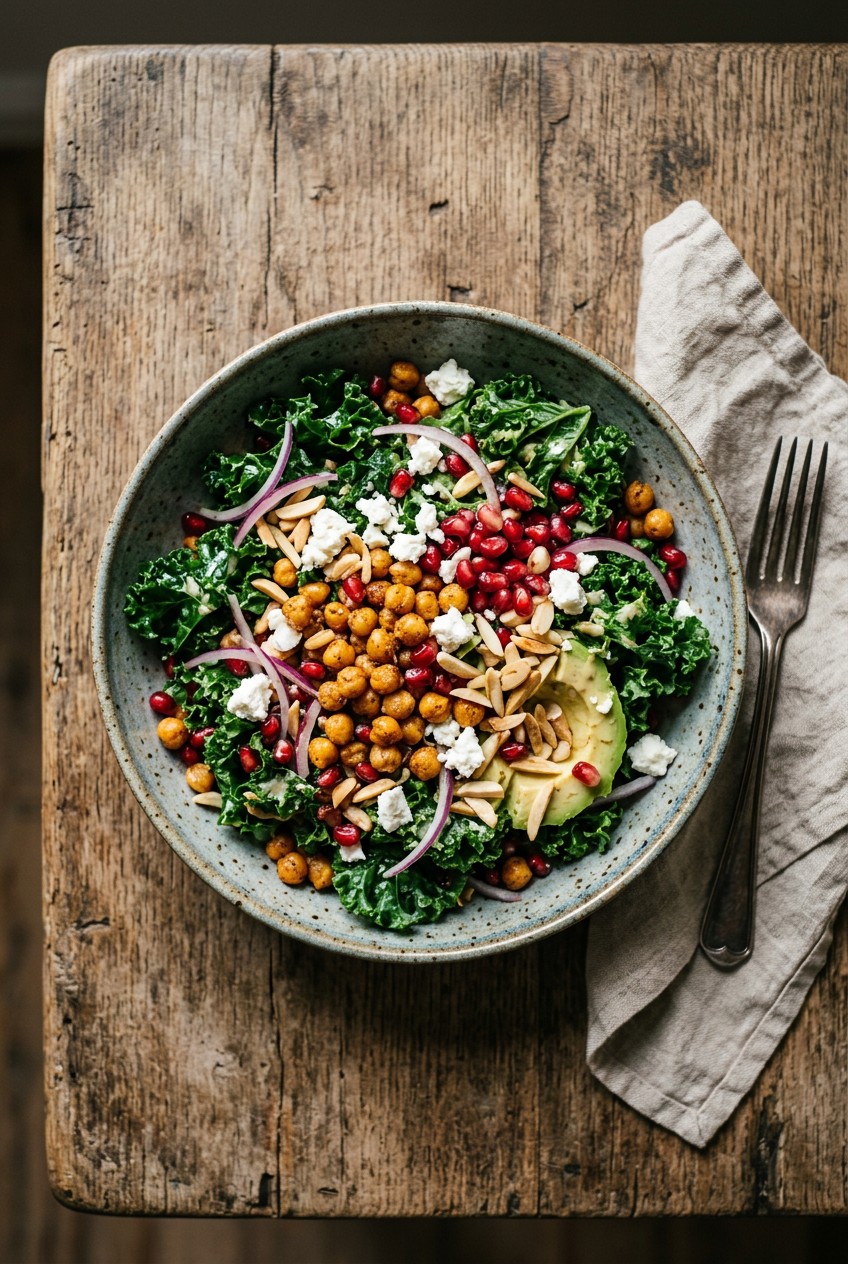
Meat is expensive right now. If you want to keep your meals under five bucks, you need to rely on beans and legumes. For an affordable and filling plant-based option, nothing beats the humble chickpea. I buy cans of Goya Chickpeas at Walmart for $1.29 each. They’re 15.5 ounces of pure, cheap protein and fiber. I used to just dump them straight from the can into my bowl. They tasted chalky and metallic. I hated them. Then I figured out how to roast them properly. I drain them through a wire mesh strainer, rinse them until the water runs completely clear, and dry them aggressively with thick paper towels. You have to get them bone dry. Wet chickpeas won’t crisp up. I toss them with a splash of olive oil, heavy smoked paprika, and garlic powder. I spread them on a dark metal baking sheet. The smell of the smoky cumin and paprika hitting the hot oven at 400 degrees is intoxicating. After twenty minutes, they shrink down and get incredibly crunchy. They sound like little pebbles hitting the glass when I scoop them into my storage containers. These roasted chickpeas add a dense, meaty texture that completely replaces the need for expensive grilled chicken or steak. Lentils are another amazing option. A one-pound bag of dry brown lentils costs about $1.49 at Sprouts. If you boil them in vegetable broth instead of plain water, they absorb all that rich, savory flavor. They make the bowl feel heavy and substantial. You might also like: 15 Beautiful Healthy Breakfast Ideas You Haven’t Thought Of
6. Add Serious Crunch Without Stale Croutons

Texture is the main reason most people get bored with greens. If everything in your bowl is soft, you’re going to hate eating it. You need loud, aggressive crunch. I absolutely refuse to buy those bagged, seasoned croutons from the bread aisle. They taste like artificial butter flavor and feel like you’re chewing on actual rocks. I nearly chipped a tooth on a generic brand crouton last year, and I’ve never bought them since. Instead, I rely on raw nuts and seeds. I hit up the bulk bins at Sprouts Farmers Market. I buy raw pumpkin seeds for $3.99 a pound. A tiny handful goes a long way. I toast them in a dry cast-iron skillet over medium heat. You have to stand there and watch them closely. Suddenly, they start popping and jumping in the pan like tiny green popcorn. The nutty, toasted smell fills the kitchen in seconds. I also love using sunflower seeds or sliced almonds. If you want something even cheaper, buy a bag of raw whole carrots. A two-pound bag is maybe $1.98 at Trader Joe’s. I peel them into long, thin ribbons using a standard vegetable peeler. The ribbons curl up beautifully and add a massive, watery crunch to every single bite. The contrast between a soft piece of roasted sweet potato and a sharp, crunchy pumpkin seed is what makes the meal interesting. Don’t skip the crunch. It’s what tricks your brain into feeling fully satisfied.

Air Fryer Cookbook: 600 Effortless Air Fryer Recipes for
If you want something that just works, Air Fryer Cookbook: 600 Effortless Air Fryer Recipes for Beginners and is a safe bet.
7. Use Punchy Cheeses That Go a Long Way

You don’t need a massive pile of shredded cheddar to make your greens taste good. In fact, dumping a cup of mild, waxy cheese on top just adds heavy grease without much flavor payoff. You need cheeses that scream at your taste buds. A tiny crumble of something sharp and pungent does the job perfectly while keeping costs low. I always keep a block of feta in my fridge. At Trader Joe’s, their Feta Cheese Block in brine is 8 ounces for $3.29. Because it sits in salty water, it stays fresh for weeks. I pull the wet white block out of the plastic tub, and the sharp, sour smell of sheep’s milk hits the air. I crumble it directly over my bowl with my fingers. The soft, chalky crumbles coat the wet greens, almost melting into the vinaigrette to create a creamy dressing. Goat cheese is another fantastic option. A 4-ounce log of plain goat cheese is around $2.99 at Aldi. It has this tangy, earthy flavor that pairs incredibly well with sweet ingredients like beets or apples. I used to buy the pre-crumbled tubs of feta to save time. I tried this wrong for months before figuring it out. The pre-crumbled stuff is coated in anti-caking powder. It feels gritty in your mouth and doesn’t melt smoothly. Always buy the block. You’re saving money, and the texture is infinitely better. Just a tablespoon or two of a strong cheese completely changes the entire profile of the dish.
8. Bring in Sweet and Tart Fruit Elements

Every great savory dish needs a tiny hit of sweetness for balance. I used to think fruit belonged strictly in fruit salad. Putting an apple on a bed of lettuce seemed completely unhinged to me. Then I ate at a fancy bistro downtown and had a kale salad loaded with fresh pears. It completely changed my perspective. Now, I always add fresh or dried fruit to my bowls. My absolute favorite addition is a crisp Honeycrisp apple. I buy them at Whole Foods for around $2.99 a pound. I cut them into tiny, uniform matchsticks. The sticky, sweet juice gets all over my cutting board. When you get a bite of sharp red onion, salty feta cheese, and a burst of sweet, cold apple juice, it’s incredible. If apples aren’t your thing, try dried cranberries. A 5-ounce bag of Ocean Spray Craisins is about $2.48 at Walmart. They add a chewy, tart element that breaks up the monotony of the crunchy vegetables. Just be careful with dried fruit portions, as the sugar adds up quickly. I’ve ruined a perfectly good healthy dinner by dumping half a cup of dried cherries into my bowl. It tasted like dessert, which wasn’t the goal. Stick to a small handful. Fresh berries are great in the summer, too. Sliced strawberries over a bed of spinach with a balsamic glaze is a classic for a reason. The acid in the dressing pulls the natural sugars out of the berries, creating a magical syrup at the bottom of the bowl.
Building a cheap, filling dinner doesn’t mean you have to suffer through boring, flavorless diet food. If you use sturdy greens, make your own sharp vinaigrettes, and rely on affordable plant-based proteins like crispy chickpeas, you’re going to look forward to eating your greens. I’ve saved hundreds of dollars a month just by packing these massive, crunchy bowls instead of ordering takeout. The textures, the bright acidic flavors, and the heavy crunch make all the difference. I’m so excited for you to try these methods in your own kitchen. Don’t forget to pin this article so you have my exact grocery lists and layering techniques ready for your next meal prep Sunday. Let’s make healthy eating actually taste good.
Frequently Asked Questions
How long do meal prepped dinner salads last in the fridge?
If you use sturdy greens like kale or cabbage and keep the dressing separate, they easily last four to five days. I’ve found that delicate spinach turns to slime by day three, so stick to the crunchy stuff.
What’s the best way to keep apples from turning brown in dinner salad recipes?
Toss your freshly chopped apples in a tiny splash of lemon juice or apple cider vinegar before adding them to your bowl. The acid stops the oxidation process completely, keeping them crisp and white for days.
Can I freeze my dinner salad recipes for later in the week?
No, you absolutely can’t freeze fresh greens or raw vegetables like cucumbers and peppers. The water inside them expands when frozen, turning your beautiful greens into a soggy, unappetizing pile of mush when they thaw.
Why do my dinner salad recipes always taste bland compared to restaurants?
You’re probably under-seasoning your greens. Restaurants toss their lettuce with a pinch of coarse salt and black pepper before adding any dressing. That tiny step draws out the natural flavors of the vegetables instantly.
