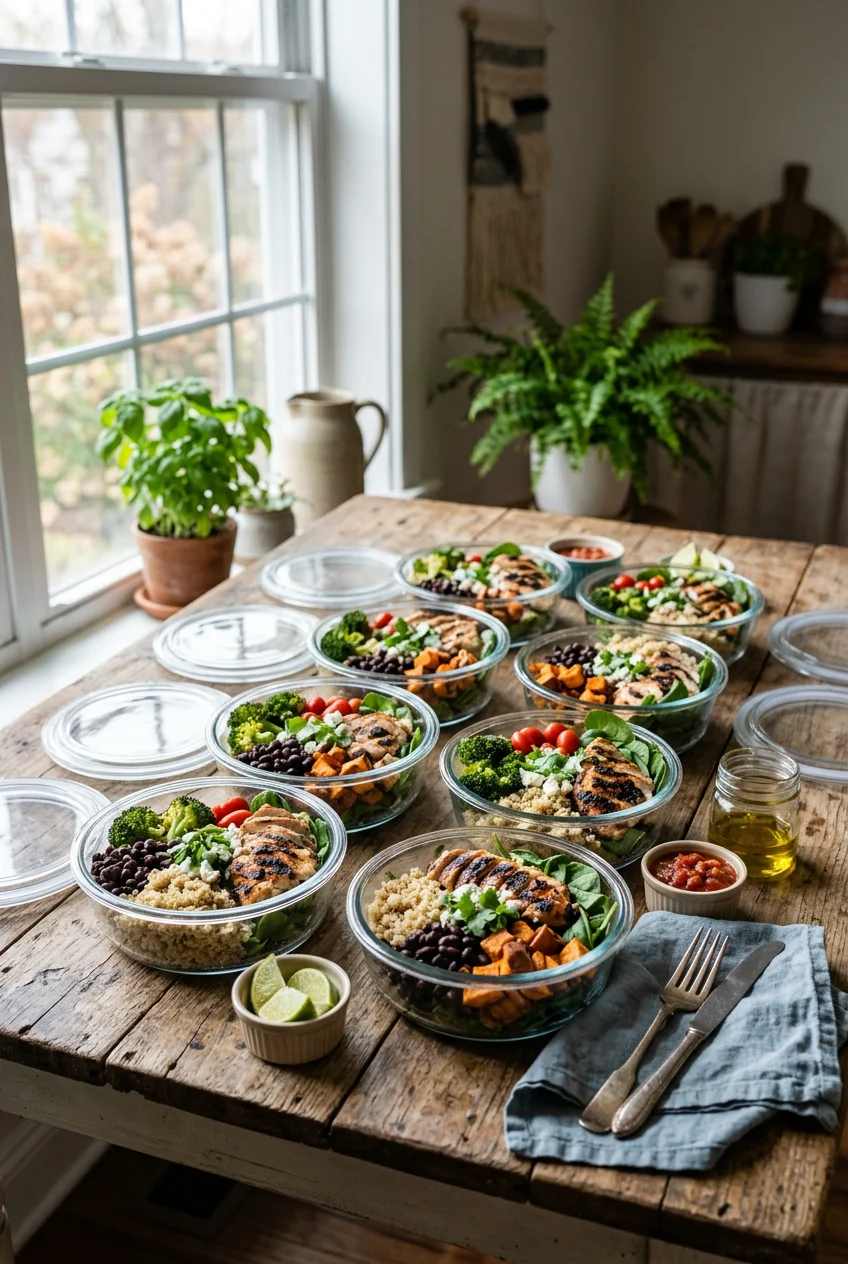
What’s Inside
- Embrace the Power of Eggs for Cheap High Protein Meals
- Canned Tuna and Salmon for Cold Prep
- Lentil and Quinoa Bowls for Plant-Based Power
- Bulk Chicken Thighs Over Dry Breasts
- Cottage Cheese as a Savory Base
- Edamame and Soba Noodle Salads
- Ground Turkey and Black Bean Skillets
- Greek Yogurt Parfaits for Cheap High Protein Meals
I stood in the prepared foods aisle at Whole Foods last Tuesday, staring at a tiny plastic container of grilled chicken and wilted spinach. It cost $14.99, and honestly, the chicken looked like wet cardboard. That was the moment I realized finding cheap high protein meals shouldn’t require a second mortgage or a compromise on basic texture. I’ve spent the last four years as a clean eating nutritionist trying to build meal plans that actually work for normal grocery budgets. I tried the whole plain chicken breast and steamed broccoli routine for months before figuring it out. It was miserable. The chicken was always impossibly dry by Wednesday. You need cheap high protein meals that hold up in the fridge for four or five days without turning into rubber or mush. I’m going to walk you through exactly how I prep my food for the week. My focus relies on specific ingredients, exact measurements, and actual prices from the stores you already shop at. Skip the fat-free stuff immediately. It tastes like chalk and leaves you starving two hours later. Let’s break down the eight specific meals I rotate through constantly to hit my macros without emptying my wallet. Trust me on this.
1. Embrace the Power of Eggs for Cheap High Protein Meals

Eggs are a complete protein source, offering around 6 grams of protein per large egg. As of January 2026, the average cost of a dozen Grade A large eggs in the US is approximately $3.59. In European markets, prices range from €2.60 to €4.40 per dozen. I buy the Kirkland Signature 24-pack of cage-free eggs at Costco for exactly $6.49. I used to buy the liquid egg whites in cartons to save calories. I did that for a full year. They cook up watery, lack the fat needed to keep you full, and smell slightly metallic when reheated in the office. Don’t do that. Instead, I incorporate two whole large eggs (providing about 12g of protein) into a dense breakfast scramble. I mix them with 1/2 cup of frozen spinach and 1/4 cup of black beans. I prep four portions in glass Pyrex containers on Sunday afternoon. By Wednesday morning, they still reheat perfectly in the microwave in exactly 90 seconds. The texture stays fluffy if you intentionally undercook them slightly during your Sunday prep. The residual heat in the glass container finishes cooking them as they cool. Hard-boiling a dozen for grab-and-go snacks is another method I use constantly. I boil them for exactly nine minutes, then plunge them into an ice bath for five minutes. The ice bath shrinks the egg inside the shell, making them peel cleanly without tearing the whites. I peel them all on Sunday night. Storing them in a sealed Snapware container with a damp paper towel keeps the whites from getting rubbery. At roughly 30 cents per serving, this is the absolute foundation of my weekly prep.
2. Canned Tuna and Salmon for Cold Prep

I avoided canned fish for years because I hated the lingering smell it left in the office microwave. I tried bringing a hot salmon and rice bowl to work once in 2022. My coworkers complained about the odor all afternoon. I switched entirely to cold prep after that embarrassing mistake. Canned tuna and salmon are incredibly efficient for cheap high protein meals when you mix them correctly. I buy the Trader Joe’s Wild Caught Skipjack Tuna in water. It costs $1.99 for a 5 oz can. Each can packs 22 grams of protein. I drain the water completely by pressing the lid down into the can over the sink until my thumbs ache. If you leave even a teaspoon of the water, your prep gets soggy and unappetizing by Tuesday. I mix two cans with 2 tablespoons of Primal Kitchen Avocado Oil Mayo ($9.99 for a 12 oz jar at Sprouts) and 1/4 cup of finely diced celery for physical crunch. I portion this mixture into three small glass containers. You can eat it with 10 Mary’s Gone Crackers (about $4.50 a box at most stores). The crackers stay crispy because I pack them in a separate half-gallon Stasher silicone baggie. The seal is tight enough to keep out the fridge humidity. The tuna salad holds its texture for up to four days in the cold fridge. I prefer the skipjack over albacore because the mercury levels are significantly lower. The flake is also finer, which makes mixing easier. Skip the flavored tuna pouches entirely. They cost $2.50 for a tiny 2.6 oz portion and usually contain unnecessary added sugar. Stick to the basic cans and add your own coarse black pepper and sea salt.
3. Lentil and Quinoa Bowls for Plant-Based Power

Lentils are aggressively cheap. I buy the Good & Gather dry brown lentils at Target for $1.59 per 16 oz bag. One bag yields about 10 servings, with 9 grams of protein per 1/4 cup dry serving. I tried cooking lentils in plain tap water for my first two years of meal prepping. They tasted exactly like dirt. Now, I boil them in Pacific Foods Low Sodium Vegetable Broth ($3.49 for a 32 oz carton). The broth makes a massive difference in the savory flavor profile. I prep a large batch of lentils and 1 cup of dry quinoa on Sunday. Quinoa adds another 8 grams of protein per cooked cup. I layer 1/2 cup of cooked lentils and 1/2 cup of cooked quinoa in my meal prep containers. I top them with 2 tablespoons of homemade tahini dressing. I make the dressing using Joyva Tahini ($6.49 for a 15 oz can at Kroger), a squeeze of fresh lemon juice, and a heavy pinch of kosher salt. The dressing thickens in the fridge overnight and turns almost like cement. You need to add a splash of warm water when you stir the bowl before eating to loosen it up. This meal costs less than $1.50 per serving and provides around 15 grams of complete protein. The earthy smell of the lentils mixes perfectly with the nutty, bitter tahini. It’s a dense, heavy lunch that sits well in your stomach. You won’t find yourself hunting for a sugary snack at 3 PM. You might also like: 20 Lovely Kids Healthy Snack Ideas You Haven’t Thought Of
Levels Grass Fed Whey Protein Powder, No Artificials
A dependable everyday pick — Levels Grass Fed Whey Protein Powder pulls in 65 ratings at 4.5 stars. Not flashy, just solid.
4. Bulk Chicken Thighs Over Dry Breasts

Most people get this specific prep wrong. They buy boneless skinless chicken breasts for their Sunday meal prep. I did this routinely until 2024. By Thursday, reheated chicken breast has the exact texture of a shoe sole. It’s dry, stringy, and genuinely hard to swallow. I switched to boneless skinless chicken thighs and my prep improved instantly. Thighs have slightly more fat. That fat protects the meat proteins during the harsh microwave reheating process. I buy the family pack of chicken thighs at Walmart for about $3.48 per pound. A 4 oz cooked serving gives you 22 grams of protein. I lay 2 pounds of thighs on a baking sheet lined with heavy-duty aluminum foil. I coat them with 1 tablespoon of olive oil and 1 tablespoon of McCormick Grill Mates Montreal Chicken Seasoning ($3.99 for a 2.75 oz bottle). I bake them at 400 degrees for exactly 25 minutes. The edges get slightly crispy, while the inside stays incredibly juicy. I let them rest on the cutting board for ten minutes before I chop the thighs into bite-sized pieces. If you cut them immediately, all the juices run out and ruin the batch. I store them in a large glass container in the coldest part of the fridge. Throughout the week, I toss 4 oz of this chicken into salads, wraps, or rice bowls. The higher fat content means they survive the microwave without turning to rubber. At less than a dollar per serving, thighs are vastly superior to breasts for advanced prep. Learned that the hard way. You might also like: 15 Clever Aesthetic Healthy Lunch Ideas to Inspire Your Next Project
5. Cottage Cheese as a Savory Base

Cottage cheese has a weird, outdated reputation. I used to think it was just a sad diet food from the 1980s. I tried eating it plain with chunks of canned pineapple and hated the sweet, clumpy contrast. Then I started treating it as a savory ingredient. I buy the Good Culture 2% Low Fat Classic Cottage Cheese. It costs $5.49 for a 16 oz tub at Whole Foods. It has 14 grams of protein per 1/2 cup serving. The curds are small and the texture is thick. It isn’t watery like the cheaper generic store brands. I portion 1/2 cup of cottage cheese into four small Pyrex containers. I top each with 1/4 cup of halved cherry tomatoes, a heavy pinch of coarse black pepper, and 1 teaspoon of balsamic glaze. The Nonni’s brand of glaze is $4.99 at Kroger. This savory bowl takes exactly three minutes to prep for the entire week. The tomatoes release a little acidic juice by day three. That juice actually mixes well with the cheese curds, creating a savory dressing. You can eat it with a fork or scoop it with thick English cucumber slices. It’s a cold prep meal, so you don’t even need to hunt down a microwave in the breakroom. The high casein protein content digests very slowly. This keeps your stomach quiet during long afternoon meetings. Skip the fat-free cottage cheese completely. It tastes sour and lacks the creamy mouthfeel that makes this specific meal work.
6. Edamame and Soba Noodle Salads

Frozen edamame is a brilliant, low-effort protein source. I keep three bags of Seapoint Farms Shelled Edamame in my freezer at all times. They cost $2.99 for a 12 oz bag at Sprouts. A 1/2 cup serving provides 9 grams of firm, plant-based protein. For a cold prep meal, I boil 4 oz of Hakubaku Organic Soba Noodles ($3.79 per pack) for exactly four minutes. I rinse them in freezing cold water immediately after draining. If you skip the cold rinse, the buckwheat noodles continue to cook and turn into a sticky, gummy mess. I learned that the hard way when I had to throw away an entire batch of glued-together noodles last year. I toss the cold noodles with 1 cup of thawed edamame, 1/2 cup of shredded carrots, and 2 tablespoons of San-J Tamari Soy Sauce ($4.99 for a 10 oz bottle). I divide this mixture into three containers. The edamame has a firm, satisfying pop when you chew it. This contrasts nicely with the soft, earthy noodles. This meal costs roughly $2.20 per serving. It holds up perfectly in the fridge for five days because there aren’t any delicate greens to wilt or get slimy. You pull it out, grab a fork, and eat it straight from the cold container. It’s incredibly efficient for busy workdays when you have exactly ten minutes to eat lunch between calls.

Raw Grass Fed Whey Protein Powder, Unflavored
Raw Grass Fed Whey Protein Powder has been one of the most consistently praised picks in this category. 47 reviewers averaged 4.5/5.
7. Ground Turkey and Black Bean Skillets

Ground beef has gotten ridiculously expensive over the last few years. I rely heavily on ground turkey for my bulk prep now. I buy the Jennie-O 93/7 Lean Ground Turkey. It runs about $4.99 for a 16 oz package at Target. I brown the entire pound in a large Lodge cast-iron skillet on Sunday. I used to buy the 99% lean turkey to save fat macros. That was a huge mistake. The 99% lean meat cooks up incredibly dry and crumbles into meat dust. The 93/7 ratio has just enough fat to hold a sauce and maintain a chewable texture. The heavy cast-iron pan creates a slight crust on the ground meat that you just don’t get with a cheap Teflon pan. Once the turkey is browned, I add one 15 oz can of generic black beans (rinsed well, $0.89) and one 14.5 oz can of Rotel Diced Tomatoes and Green Chilies ($1.49). I simmer the entire mixture for ten minutes until the excess liquid reduces into a thick paste. This single skillet yields four large servings. Each serving packs over 30 grams of protein. I portion the mixture into containers over 1/2 cup of cooked brown rice. The spicy smell of the green chilies makes the kitchen smell amazing during prep. When you reheat it at the office, the rice absorbs the tomato juices. This makes the meal taste better on day three than it did on day one. I top it with a thin slice of sharp cheddar cheese right before microwaving. This entire setup takes 20 minutes from start to cleanup. It’s my default Sunday night panic-prep meal when I haven’t planned anything else.
8. Greek Yogurt Parfaits for Cheap High Protein Meals

Greek yogurt is the ultimate fast protein. Buying those individual flavored cups drains your wallet quickly, though. A single serving cup can easily cost $1.89. Instead, I buy the Fage Total 2% Plain Greek Yogurt in the large 48 oz tub at Costco for $6.99. A 3/4 cup serving gives you 15 grams of protein. I prep four parfaits on Sunday afternoon using wide-mouth Ball glass mason jars. I spoon 3/4 cup of the thick yogurt into the bottom of each jar. I add 1/2 cup of frozen mixed berries directly on top. I buy the Kirkland Signature mixed berries for $10.99 for a massive 4 lb bag. I don’t thaw the berries first. As they sit in the fridge throughout the week, they slowly thaw. They release their dark purple juices down into the plain yogurt. This naturally sweetens the tart yogurt without any added refined sugar. The mistake most people make is adding granola during their Sunday prep. By Tuesday morning, the granola absorbs the moisture and turns to mush. I keep 1/4 cup of Bob’s Red Mill Classic Granola ($5.49 a bag) in a separate silicone baggie. I sprinkle it on right before eating for maximum crunch. The tartness of the plain yogurt cuts through the sweet, syrupy berries perfectly. It’s a filling, cheap meal that works for a fast breakfast or a mid-afternoon desk snack. No exaggeration.
Prepping these meals doesn’t require a culinary degree or a massive grocery budget. I rotate through these eight specific options depending on what’s on sale at Kroger or Target that week. The key is separating your wet and dry ingredients mentally and physically. You also have to skip the ultra-lean meats that turn to rubber in the microwave. I’ve ruined enough expensive chicken breasts to know better by now. Stick to the juicier thighs, utilize eggs properly, and don’t sleep on savory cottage cheese bowls. Save this page or pin it for your next Sunday prep session. You’ll save money, hit your daily protein goals easily, and actually enjoy eating your leftovers on Thursday afternoon instead of throwing them away.
Frequently Asked Questions
How long do cheap high protein meals last in the fridge?
Most prepped meals last four to five days if stored in airtight glass containers. Seafood like canned tuna should be eaten within three days. Always keep wet and dry ingredients separate to maintain the proper texture.
Can I freeze these prepped meals?
You can freeze the chicken thighs and ground turkey skillets for up to two months. Do not freeze the cottage cheese, hard-boiled eggs, or Greek yogurt parfaits. The dairy separates and the egg whites turn incredibly rubbery when thawed.
What’s the cheapest protein source per gram?
Dry lentils and bulk eggs are generally the cheapest protein sources available. A 16 oz bag of lentils costs around $1.50 and provides roughly 90 grams of total protein. Eggs cost about 30 cents per 12-gram serving.
How do I stop my prepped chicken from drying out?
Switch from chicken breasts to boneless skinless chicken thighs. The slightly higher fat content in thighs protects the meat during microwave reheating. Storing the chicken whole and chopping it right before eating also helps retain internal moisture.
