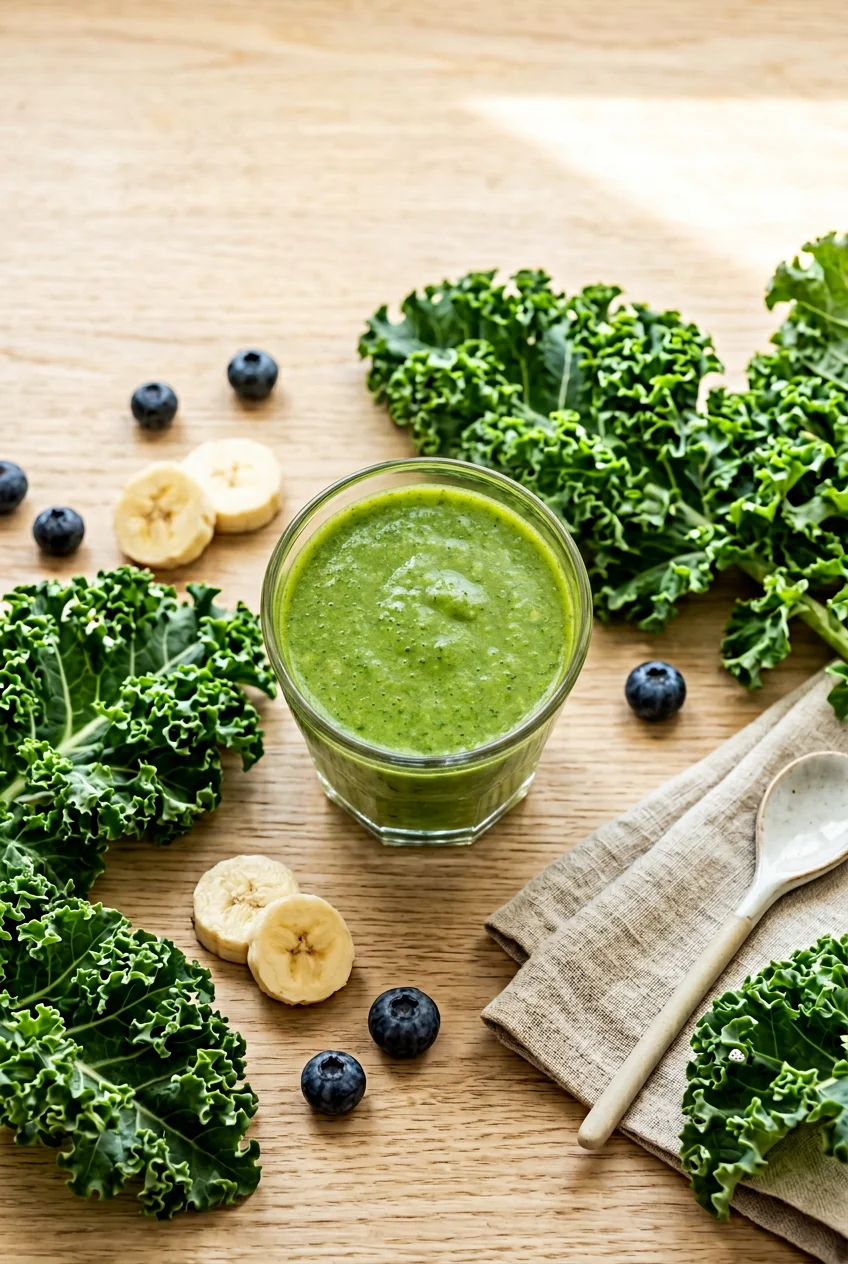
What’s Inside
- The Whole Milk & Soy Base for Toddler Smoothie Recipes
- Frozen Banana Thickener Tactics for Toddler Smoothie Recipes
- The Hidden Cauliflower Trick
- Greek Yogurt Protein Boosts
- Healthy Fats from Nut Butters
- Adding Flax and Chia for Fiber
- Natural Sweeteners Only
- The High-Speed Blender Requirement
- Gut Health and Plant Milk Trends for 2026
Last Tuesday at Whole Foods, I ended up wiping a gritty, green spinach puddle off the floor near the dairy aisle while my two-year-old screamed. Getting reliable toddler smoothie recipes took me months of trial and error after that public disaster. I tried winging it with water, raw kale, and a bruised apple in a travel cup, but he immediately rejected it and threw the cup down. I realized quickly that most online guides focus way too much on looking pretty for photos and ignore the actual texture a picky two-year-old will tolerate. I’m sharing the exact formulas I’ve used ever since. They take under 30 minutes to prep and clean up, pack in the nutrients, and actually pass the toddler taste test without relying on expensive, sugary fruit juices. Skip the fat-free stuff. It tastes like wet cardboard, and kids know it.
1. The Whole Milk & Soy Base for Toddler Smoothie Recipes

When I first started blending drinks for my son, I used almond milk because it was what I drank in my own coffee. That was a mistake. Almond milk is essentially white water. It lacks the fat and protein a growing toddler needs to stay full. I’d serve him a massive cup, and he’d be whining for crackers forty minutes later. For toddlers over 12 months, pediatricians recommend whole cow’s milk. The fats are crucial for their brain development. I buy the Good & Gather Organic Whole Milk at Target. It costs $4.29 for a half-gallon, and the rich fat content makes the texture creamy and satisfying. If you’re dealing with a dairy allergy or prefer a plant-based route, fortified unsweetened soymilk is the only alternative pediatric experts recommend. It’s got comparable protein and fat levels to cow’s milk. I use Silk Organic Soymilk Unsweetened. You can find it for about $3.99 at most grocery stores like Kroger or Walmart. Don’t make the mistake of buying the vanilla version. I did that once in a rush, and the added sugars made my kid bounce off the walls before naptime. Stick to the unsweetened stuff. The liquid base sets the tone for the entire drink. You want a base that provides nutritional value rather than just thinning out the fruit puree. I’ve found that using exactly 3/4 cup of whole milk yields the perfect consistency for a standard sippy cup.
2. Frozen Banana Thickener Tactics for Toddler Smoothie Recipes

Ice is the enemy of a good toddler drink. I used to throw a handful of ice cubes into the blender to cool the liquid down. It just dilutes the flavor and creates a watery, separated mess after ten minutes on the kitchen table. Instead, you need to rely entirely on frozen fruit for that thick, milkshake-like consistency. Frozen bananas are the best tool you’ve got. I buy large bunches, peel them, break them into halves, and freeze them in Stasher reusable silicone bags (which run about $12.99 at Target). When you blend a frozen banana, it whips up into a dense, creamy texture that mimics ice cream. I typically use about 1 cup of frozen fruit per batch. A half frozen banana paired with a half cup of Trader Joe’s Frozen Organic Blueberries is my standard ratio. Those blueberries run $3.99 for a 12 oz bag, and the dark skins mask the color of any greens you might add later. Sometimes I swap the berries for frozen mango chunks if I want a tropical profile. The mango adds a sharp tartness that cuts through the heavy milk base. I’ve noticed that using room-temperature fruit just yields a thin, unappealing liquid that sloshes out of a straw cup way too fast, causing spills everywhere. Freezing the fruit beforehand is non-negotiable if you want a texture that feels like a treat rather than a watery juice.
3. The Hidden Cauliflower Trick

Hiding vegetables in food feels a bit deceptive, but it’s practical when you’re dealing with a toddler who routinely throws steamed broccoli on the floor. The trick is choosing vegetables that blend completely invisible without altering the taste or the color of the drink. I tried adding raw carrots once. The blender left tiny, gritty orange specks throughout the cup. My son immediately identified the foreign objects and refused to drink a single drop. Now, I strictly use frozen riced cauliflower. It acts as a secret agent in the blender. I add 1/4 to 1/2 cup of 365 Everyday Value Organic Riced Cauliflower from Whole Foods. A 12 oz bag costs $2.49, and it lasts for several days of blending. Because it’s already riced and frozen, it blends down to nothing. It adds a velvety creaminess and a solid dose of nutrients without any cabbage-like smell. Another reliable option is a large handful, roughly 1/2 cup, of fresh baby spinach. Spinach is undetectable in flavor, but it will turn a plain banana base a murky, swampy green. To fix this, I always pair spinach with dark fruits like blueberries or a spoonful of unsweetened cocoa powder to hide the green tint. If they can’t see the vegetables and they can’t taste them, they won’t fight you on drinking them. Just avoid raw kale. The fibrous stems never fully break down. You might also like: 8 Healthy Lunch Snacks Worth Trying

Ninja Blender | Nutri Pro | Auto IQ Blend | Smoothies
A dependable everyday pick — Ninja Blender | Nutri Pro | Auto IQ Blend | Smoothies pulls in 112 ratings at 4.5 stars. Not flashy, just solid.
4. Greek Yogurt Protein Boosts

I see a lot of parents buying expensive protein powders for their kids. For most toddlers, these powders are unnecessary and often contain weird chemical stabilizers. I skip the powders and use whole food sources instead. My primary go-to is 1/4 to 1/2 cup of full-fat plain Greek yogurt. I buy the Fage Total 5% Plain Greek Yogurt at Costco. A large 48 oz tub costs around $6.49, which is far cheaper per serving than any specialized toddler supplement. The thick yogurt adds a tart tang that balances out the sweet fruit, and it provides natural probiotics alongside a heavy hit of protein. This protein helps toddlers feel fuller for longer, which stops the endless demands for dry cereal thirty minutes after breakfast. If I’m out of yogurt, I’ll use 1/4 cup of whole milk cottage cheese. I know cottage cheese in a drink sounds repulsive. I thought the exact same thing until I actually tested it. A good blender completely pulverizes the curds, leaving behind a rich, slightly salty creaminess that works incredibly well with sweet berries. Just make sure you’re buying the full-fat versions. Low-fat dairy products often compensate for the missing fat with extra sugars or artificial fillers, which defeats the entire purpose of making a clean meal for your kid. I learned this when I accidentally bought 0% fat yogurt and the resulting drink was thin, sour, and lacked the staying power to keep my son full until lunch. Full fat is mandatory here. You might also like: 11 Easy Healthy Snacks for Every Budget
5. Healthy Fats from Nut Butters

Toddler brains are growing at an absurd rate, and they require dense, healthy fats to support that development. Simply blending fruit and milk often isn’t enough to keep their daily calorie intake where it needs to be, especially if you’ve got a picky eater who skips dinner. I always incorporate 1 to 2 tablespoons of a high-quality nut butter into the blender pitcher. I use Once Again Organic Creamy Peanut Butter, which I pick up at Sprouts for $9.99 a jar. It contains exactly one ingredient: dry roasted peanuts. I learned the hard way to read peanut butter labels very carefully. I once bought a cheaper store brand that contained palm oil and added cane sugar. It left a strange, greasy film on the inside of my blender pitcher and made the drink overly sweet. If peanut butter feels too heavy or you’ve got allergy concerns, Artisana Organics Cashew Butter ($11.99) is a milder alternative. It blends beautifully with mango or banana without overpowering the fruit flavors. Another excellent fat source is raw avocado. I toss in 1/4 to 1/2 of a ripe avocado. It doesn’t taste like guacamole once it’s mixed with sweet fruit. It just makes the texture silky and dense. Adding these fats increases the calorie density, ensuring that even a few small sips provide a meaningful amount of energy for an active two-year-old running around the house. The avocado trick is especially useful when avocados are on sale for a dollar each at Kroger, making it a cheap way to boost the nutritional profile. You might also like: 20 Clever Healthy Snack Ideas That Make a Real Difference
6. Adding Flax and Chia for Fiber

Constipation is a miserable reality of the toddler years, especially when they decide they only want to eat white crackers and cheddar cheese for three days straight. To counteract this dietary phase, I use these drinks as a daily vehicle for fiber. I add 1 to 2 teaspoons of chia seeds or ground flaxseed to every single batch. I keep a bag of Spectrum Essentials Organic Ground Flaxseed in my fridge to preserve the fragile omega-3 fatty acids. It costs $7.49 at Kroger. You have to use ground flaxseed. Whole flaxseeds pass right through the digestive system intact, providing zero nutritional benefit. I made that mistake for months, wondering why the extra fiber wasn’t helping my son’s digestion, before a pediatrician corrected me. If I need the drink to be even thicker, I’ll add 1/4 cup of dry rolled oats. The oats soak up the liquid and provide a slow-digesting carbohydrate that keeps their energy levels stable. If you decide to use larger seeds like pumpkin or sunflower, you must grind them into a fine powder first. Whole seeds are a severe choking hazard for children under four. I use a cheap $15 Krups coffee grinder specifically dedicated to seeds to pulverize them before tossing them into the main blender pitcher. This extra step ensures the fiber is safely integrated without leaving any dangerous chunks that could cause a coughing fit. The ground seeds also act as a natural thickening agent, absorbing excess liquid if you accidentally pour in a bit too much milk.

Sangcon 1000W Smoothie Blender for Kitchen
Sangcon 1000W Smoothie Blender for Kitchen punches above its price — 662 buyers rated it 4.5 stars. I would buy it again.
7. Natural Sweeteners Only

You don’t need to add processed white sugar to a toddler’s drink. I rely entirely on the inherent sweetness of ripe fruits to make the recipe appealing. Bananas with heavy brown spots on the peel are significantly sweeter than firm yellow ones. If I’m making a tart berry mix and need to take the sharp edge off, I’ll add 2 to 3 pitted Medjool dates. Dates provide a deep, caramel-like sweetness and a great dose of extra fiber. Just remember to double-check that the pit is actually removed. I once completely destroyed a blender blade because a supposedly pitted date still had a rock-hard pit hiding inside. For older toddlers, if you really need a boost of sweetness to mask a heavy handful of earthy spinach, 1 tablespoon of pure maple syrup works very well. I buy the Great Value Organic 100% Maple Syrup at Walmart for $6.98. It dissolves easily into cold liquids without clumping. Never use honey for a child under one year old due to the risk of infant botulism. A common mistake I see parents make is using sweetened milk alternatives, thinking it’s a harmless shortcut. Those vanilla oat milks often contain 10 grams of added sugar per serving. Always check the nutrition labels and opt for strictly unsweetened varieties, letting the fruit and dates do the heavy lifting for flavor. If the dates are too hard from sitting in the pantry, soak them in hot water for ten minutes before blending so they puree smoothly.
8. The High-Speed Blender Requirement

Toddlers are hyper-sensitive to textures. If they detect a single lump of unblended spinach or a gritty piece of ice, they will spit the entire mouthful onto their shirt and refuse to touch the cup again. A standard, cheap blender simply won’t cut it if you’re trying to incorporate raw seeds, dry oats, or fibrous greens. I struggled with a $30 department store blender for a year. It smelled like burning plastic every time I used it, left chunk after chunk in the pitcher, and my son rejected almost everything I made. I eventually upgraded to a Beast blender. It costs around $165, which felt steep at the time, but the motor is powerful enough to pulverize chia seeds and kale stems into liquid. Achieving an exceptionally smooth consistency is critical for picky eaters. I blend every recipe for a full 60 seconds. It sounds excessive when you’re standing there waiting, but that extra 30 seconds is the difference between a gritty puree and a silky, commercial-grade texture. If you’re using a lower-wattage machine, try blending your leafy greens and liquid base first until completely smooth, and then add your frozen fruits and fats. This two-step process helps break down the tough vegetable fibers before the mixture gets too thick, preventing those dreaded green flecks that instantly trigger a toddler’s suspicion and ruin breakfast. The Beast blender also has a much smaller footprint on my counter than my old bulky machine, which matters when counter space is limited.
11. Gut Health and Plant Milk Trends for 2026

The current pediatric nutrition trends for 2026 are heavily focused on gut health, and I’ve adjusted my recipes to match this research. Instead of standard yogurt, I now frequently use 1/2 cup of plain milk kefir as my base. Kefir is a fermented dairy drink that contains significantly more diverse probiotic strains than regular yogurt. I buy Lifeway Organic Plain Kefir at Whole Foods for about $5.49 a bottle. It’s got a sharp, fizzy, sour taste, so I always balance it with an extra half of a frozen banana. On the plant-based front, the market has finally expanded beyond basic soy. While fortified soymilk remains the expert-recommended choice, emerging brands are creating cleaner alternatives without gums or artificial fillers. I’ve tested Kiki Milk Unsweetened Organic. It’s made from rice, hemp, pumpkin seeds, bananas, and coconuts. It costs around $24 for a 6-pack of cartons, which is definitely pricey, but the ingredient list is spotless. Just be cautious with generic rice milks from the store; they aren’t recommended for children under five due to potential arsenic levels. My final piece of advice is to involve your toddler in the preparation process. I drag a heavy wooden step stool to the counter and let my son toss the frozen blueberries into the pitcher. He presses the blend button himself. This small act of participation creates a sense of ownership. He’s far more likely to drink something he believes he made himself, even if he made a mess on the counter.
I’ve relied on these exact combinations for over a year now, and they completely eliminated the stress of trying to force vegetables into my toddler at dinner. If they get their greens and healthy fats in a cup at breakfast, I don’t panic when they refuse green beans later. Try the frozen cauliflower trick first. It’s the easiest way to sneak in nutrients without triggering a tantrum. Pin these toddler smoothie recipes to your meal prep board so you’ve got the ratios handy the next time you’re staring at a half-empty fridge at 7 AM.
Frequently Asked Questions
Can I store leftover toddler smoothies in the fridge?
Yes, you can store leftovers in an airtight container or silicone pouch in the fridge for up to 24 hours. The texture will thin out, and ingredients may separate, so give it a vigorous shake before serving again.
Are protein powders safe to add to toddler smoothie recipes?
Most adult protein powders aren’t recommended for toddlers due to high protein concentrations, artificial sweeteners, and herbal additives. Stick to whole food protein sources like full-fat Greek yogurt, cottage cheese, or nut butters instead.
How do I hide the green color of spinach in a smoothie?
The easiest way to mask the murky green color of blended spinach is to use dark-skinned fruits like frozen blueberries or blackberries. A small spoonful of unsweetened cocoa powder also works perfectly to turn the drink a chocolate brown.
What is the best liquid base for a one-year-old’s smoothie?
Pediatricians recommend whole cow’s milk for toddlers over 12 months because the essential fats support brain development. If you need a dairy-free option, fortified unsweetened soymilk is the best alternative as it matches the fat and protein profile of cow’s milk.
