What’s Inside
Last Tuesday, I stood in my kitchen scrubbing chalky brown sludge off my white cabinets. My blender lid popped off because I’d stuffed way too much frozen kale inside. It wasn’t my finest moment. The smell of raw earth and cheap chocolate powder hung in my house for two days. If you’re hunting for protein smoothie recipes healthy enough for your diet but tasty enough that your kids won’t spit them out, I get it. I spent years making gritty, dirt-flavored drinks before figuring out the right ratios. You don’t need a culinary degree to fix this. You just need better ingredients, a basic understanding of macros, and a little patience. I’m sharing the exact formulas I use for my family every week. I’ve ruined enough blender motors and wasted enough expensive powders to know what works and what tastes like a mud puddle. Most people assume healthy eating means sacrificing texture. That’s not true. You can get perfectly smooth, thick drinks without relying on ice cream, sugary yogurts, or syrups. The key is balancing your liquids, your frozen elements, and your functional add-ins. I’m walking through the specific blends I make, including the exact brands I buy and the mistakes I’ve made so you don’t repeat them. Took me years to figure out, so trust me on this.
1. The Clear Whey Fruit Punch

Let’s talk about the texture problem. I tried drinking thick, milky shakes after morning runs for months before realizing it was making me nauseous. The heavy creaminess didn’t sit right when I was out of breath. I switched to clear whey in October, and it changed my morning routine. I use Ascent Clear Whey Protein Powder in Pineapple. It costs $39.99 for a 20-serving bag at my local Costco. It mixes up thin and translucent, just like a sports drink. The 26 grams of protein per serving is solid, hitting that 20 to 30-gram range that stimulates muscle protein synthesis without excess calories. But the texture is why I buy it. You aren’t forcing down a milkshake. For this recipe, I blend one scoop of the Ascent powder with 8 ounces of cold water and 1/2 cup of frozen mango chunks. The blender blade chops the mango into a slushy consistency, like a frozen margarita. I tried adding ice once, but it watered down the pineapple flavor and left icy chunks at the bottom. Skip the ice. Use the frozen fruit to get the temperature down. This is the only protein drink my youngest daughter actually asks for, mostly because it looks and tastes like tropical punch. It doesn’t coat your throat or leave a sticky film on your teeth.
2. The Secret Bean Chocolate Shake

I know putting beans in a blender sounds like a punishment. I thought the same thing until a nutritionist dared me to try it last summer. I bought a 15-ounce can of organic black beans at Trader Joe’s for $1.29, rinsed them in a colander, and dumped 1/2 cup into my blender. I expected a cold burrito. It didn’t taste like one. When you blend rinsed beans with cocoa powder, they disappear into a thick, fudgy texture. Plus, you get an extra 7 grams of fiber and 7 grams of protein without relying on processed powders. This is one of those recipes healthy eating advocates keep secret because it sounds unappealing. My formula uses 1/2 cup of rinsed black beans, 1 tablespoon of unsweetened cocoa powder, 1 cup of unsweetened almond milk, and one scoop of Thorne Whey Protein Isolate in Chocolate. The Thorne powder is $45 for 30 servings, but it dissolves without that gritty chalk texture I’ve found in cheaper brands. The beans make the shake dense and rich. If your smoothie is a meal replacement, you need a balanced profile of protein, fats, and carbs. Just shaking powder and water isn’t enough. I drink this around noon, and the complex carbs keep my stomach from growling until dinner. Rinse the beans until the water runs clear. I skipped that step once, and the shake tasted like salty bean juice. I poured it down the sink. Never again.
3. The Gut-Friendly Green Blend

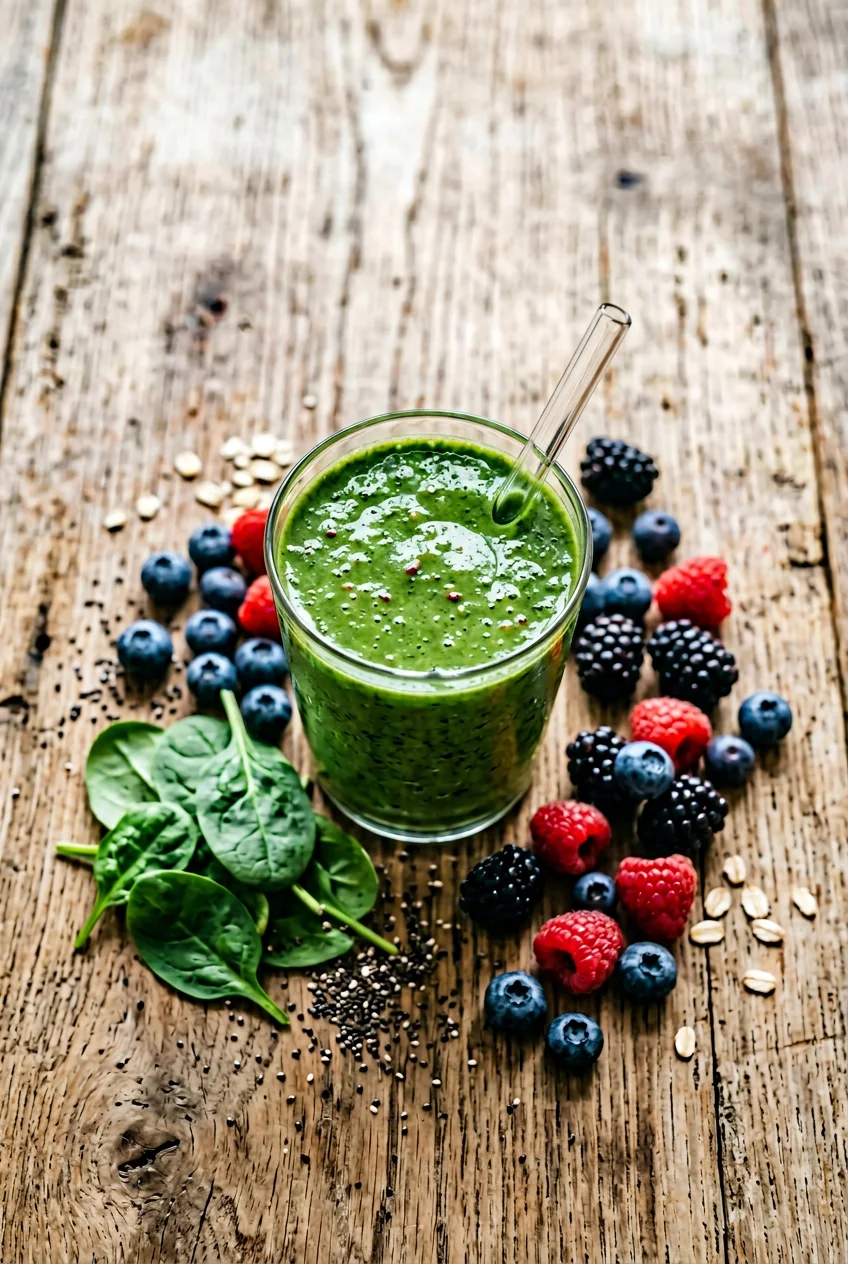
Most people get green smoothies wrong by packing them with three bananas just to cover the spinach taste. You end up with a sugar bomb that spikes your blood sugar and leaves you crashing. I learned that the hard way when I tracked my macros and realized my morning drink had 60 grams of sugar. Now, I follow a strict rule. I use a maximum of 1 cup of fruit. For my daily green blend, I use 1/2 cup of frozen green apples and 1/2 cup of frozen cauliflower rice. I buy the 3-pound bags of organic riced cauliflower at Walmart for $6.99. You can’t taste the cauliflower, but it adds a frosty texture that ice can’t replicate. I also add two massive handfuls of raw spinach and 1 tablespoon of LOAM Prebiotic Fiber Formula. Gut health is a focus right now, and prebiotics feed your beneficial gut bacteria. The LOAM powder costs $28. It uses tapioca dextrin and XOS, which provide fiber without turning your drink into a gelatinous blob. I tried psyllium husk for a week, and it choked me because it thickened so fast. The LOAM powder is texture-free. I pour in 1 cup of unsweetened soy milk for the base because it adds 7 grams of protein. Read your milk labels to avoid hidden syrups. You might also like: 15 Beautiful Healthy Breakfast Ideas You Haven’t Thought Of

Skinnytaste High Protein: 100 Healthy
Skinnytaste High Protein: 100 Healthy has been one of the most consistently praised picks in this category.
4. The Low-Sugar Berry Crunch

Finding a plant-based powder that doesn’t taste like cardboard is a headache. I spent $100 trying vegan brands before landing on Orgain Organic Vegan Protein Powder in Vanilla Bean. I grab the 1.02-pound container at Target for $22.99. It has a slightly earthy undertone, but it’s the smoothest pea-based option I’ve found. The trick with vegan powders is balancing the earthiness with tart fruits. I use 1 cup of frozen mixed berries. I prefer raspberries and blackberries because they have a lower glycemic index than strawberries. I also toss in 1 tablespoon of whole chia seeds. The chia seeds cost $5.99 for a 12-ounce bag at Sprouts. They add a slight crunch if you drink the smoothie immediately. If you let it sit for ten minutes, the chia seeds expand and make the drink thicker. I made the mistake of leaving this in my car cup holder during a gym session in July. The heat turned it into a solid, warm pudding I couldn’t even suck through a straw. Drink it right away. I use 8 ounces of plain cold water because the berries and chia seeds provide enough flavor. Adding milk makes it too heavy and bumps up the calories. As nutritionist Scott Baptie advises, loading up on too many ingredients can increase calorie counts without extra benefit. Keep it simple. You might also like: 15 Lovely High Protein Low Calorie Dinner Ideas for a Fresh New Look
5. The Joint-Saving Coffee Shake

My knees started aching after I ramped up my treadmill running last spring. A physical therapist suggested adding collagen to support joint health and skin elasticity. I was skeptical, but I picked up a 9.33-ounce tub of Vital Proteins Collagen Peptides Powder at Whole Foods for $27.99. I’ve used it daily for eight months. It isn’t a magical cure, but the dull ache in my knees has faded. Collagen is unflavored and dissolves instantly, making it an easy addition to my morning coffee. I blend it right into an iced coffee smoothie. This recipe is one of the easiest smoothies healthy enough for breakfast but caffeinated enough to wake you up at 6 AM. I pour 1 cup of cold brew into the blender, add two scoops of the Vital Proteins powder, 1/4 cup of unsweetened canned coconut milk, and 1/2 of a frozen banana. The banana adds just enough natural sweetness to cut the coffee acid. I tried a whole banana, but it overpowered the roast. Half is the sweet spot. I add a tiny pinch of cinnamon for warmth. The coconut milk gives it a rich, latte-like creaminess without the dairy bloat. It’s thin, ice-cold, and goes down fast. It feels like a fancy coffee shop frappuccino, without the 50 grams of refined sugar. You might also like: 9 High Protein Crockpot Meals for Every Budget
6. The Stress-Busting Nut Butter Blend

Adding healthy fats to your blender is crucial if you want to stay full. If you just mix protein powder and water, your stomach will be growling in an hour. I use unsweetened almond butter to slow digestion and absorb fat-soluble vitamins. I buy the store-brand creamy almond butter at Kroger for $6.49 a jar. For this, I use 2 tablespoons of almond butter, 1 cup of unsweetened almond milk, and one scoop of Transparent Labs Grass-Fed Whey Protein Isolate in Vanilla. The Transparent Labs powder is $59.99 for 30 servings. It’s expensive, but they don’t use artificial sweeteners. That’s a requirement for me after fake sugars gave me migraines in my twenties. To give this an earthy, caramel-like depth, I add 1/2 teaspoon of organic maca powder. Maca is an adaptogen root that helps with energy and stress. I use the Navitas Organics brand, about $9.99 for a 4-ounce bag. The maca has a butterscotch flavor that pairs perfectly with roasted almond butter. I made the mistake of adding a full tablespoon of maca the first time. It tasted like I was chewing on a bitter tree root covered in dirt. Stick to exactly 1/2 teaspoon. It provides the energy benefit without ruining the taste. This creates a rich, nutty profile that feels decadent.

Taste of Home Light & Easy Weeknight Cooking: 307 Healthy
If you want something that just works, Taste of Home Light & Easy Weeknight Cooking: 307 Healthy Recipes for is a safe bet.
7. The Avocado Cream Dream

If you want a texture that mimics a thick fast-food milkshake, you need avocado. Fruit purists hate this, but it works. I use exactly 1/4 of a ripe avocado. If you use more, the drink turns a weird shade of muddy brown and tastes like salad dressing. I usually buy a bag of small Hass avocados at Trader Joe’s for $4.49 and keep them in the crisping drawer so they don’t ripen too fast. I blend the 1/4 avocado with 1 cup of unsweetened vanilla almond milk, 1/2 cup of frozen peaches, and one scoop of Orgain Organic Vegan Vanilla powder. This is where the wiggle test comes in. A common mistake is dumping all your ingredients in at random and hitting high speed. You need a 50/50 ratio of liquid to frozen ingredients for the perfect consistency. I always pour the almond milk in first, then the protein powder, then the avocado, and finally the frozen peaches on top. Putting the liquid at the bottom helps the blades catch the ingredients immediately. If you put the frozen fruit at the bottom, the blades just spin and create a frustrating air pocket. I ruined a cheap blender motor three years ago by forcing it to chop dry frozen fruit without enough liquid at the base. Layering your ingredients saves your equipment.
8. The Post-Workout Cherry Recovery

Timing your meals isn’t an exact science, but I prefer getting my protein in within 30 minutes of a heavy weightlifting session. A cold drink right after the gym feels right. I walk through the door, drop my bag, and start throwing this cherry blend together. My recovery recipe focuses on tart cherries because they help reduce muscle soreness. I buy a 12-ounce bag of frozen dark sweet cherries at Whole Foods for $4.99. I use exactly 3/4 cup. I pair this with 1 cup of unsweetened soy milk. I choose soy milk because it contains 8 grams of protein per cup, which bumps up the macro profile. I add one scoop of Thorne Whey Protein Isolate in Vanilla. That brings the total protein to about 28 grams, the sweet spot for recovery. I also add 1 tablespoon of ground flaxseeds for fiber and omega-3s. I keep a $3.99 bag of Bob’s Red Mill ground flaxseed in my freezer so it doesn’t go rancid. I learned that lesson the hard way when I left a bag in my pantry for six months and it smelled like paint thinner. Keep your ground seeds cold. This cherry blend is tart, cold, and refreshing after you’ve been sweating. It doesn’t sit heavy in your stomach.
Building better habits in the kitchen doesn’t mean you have to drink swamp water. You just need to be strategic about your ingredients. Skip the fat-free stuff. It tastes like wet cardboard. Buy the higher quality proteins, measure your fruit so you aren’t drinking straight sugar, and don’t be afraid to throw some black beans or avocado into the mix. Your body will thank you, and your tastebuds will too. No exaggeration. I’ve relied on these combinations for years because they work for my busy schedule and my family’s picky palates. If you found these ideas helpful, I’d recommend pinning this page or saving it to your bookmarks so you can reference the measurements next time you’re standing in the grocery store aisle. Don’t guess with your ratios. Follow the formulas, respect the wiggle test, and your mornings will get a whole lot smoother. Let me know which blend you try first.
Frequently Asked Questions
Can I use water instead of milk in protein smoothies?
Yes, using cold water keeps the calorie count low and prevents the drink from feeling too heavy. I use water with clear whey and fruit-heavy blends, but I prefer unsweetened almond or soy milk when I need extra creaminess.
How do I stop my smoothie from being gritty?
Grittiness usually comes from cheap protein powder or unblended seeds. Switch to a high-quality whey isolate and layer your ingredients properly. Always pour your liquid in first so the blender blades can create a smooth vortex immediately.
Is it okay to put raw oats in a smoothie?
You can, but raw oats can cause bloating and give the drink a chalky texture. If you want complex carbs, I highly recommend using rinsed canned black beans instead. They blend completely smooth and provide excellent fiber.
Why does my green smoothie taste bitter?
You’re likely using too many greens without balancing the flavor. Stick to a maximum of one cup of fruit, like frozen green apples, to cut the bitterness. Adding a small pinch of cinnamon or a quarter of an avocado also helps neutralize earthy flavors.
