What’s Inside
- Prioritize Whole Foods Over Packaged Healthy Snacks Kids Actually Want
- Be A Sugar Detective With Packaged Options
- Opt For Protein-Packed Greek Or Skyr Yogurt
- Crunch Wisely With High-Fiber Crackers
- Embrace Hidden Veggies In Homemade Fruit Gummies
- Master The Power Pair For Healthy Snacks Kids Need
- Skip The Inflammatory Oils And Artificial Additives
- Introduce Allergens With Pediatrician-Developed Puffs
- Make Water The Primary Beverage, Not Juice
- Portion Control Keeps Small Tummies Happy
- Mix Your Own Trail Mix For Cost-Effective Crunch
- Leverage Frozen Fruit For Easy, Refreshing Options
Last Tuesday at Target, I found myself bribing my screaming toddler with a $4.99 bag of organic cheddar bunnies just to make it through the checkout line. It didn’t work. Finding healthy snacks kids actually eat without begging for more food ten minutes later is exhausting. I’ve spent hundreds of dollars on brightly colored pouches and puffs that left my kids ravenous and cranky. Most packaged kid foods are just flavored air and sugar. You’re left dealing with the sugar crash while sweeping crushed crackers out of the minivan seats. I tried doing the whole perfectly-cut-bento-box thing for months before figuring out that kids just need basic protein and fat to stay full. Let’s fix the snack time meltdowns with actual food. I’m sharing the exact items I buy, what they cost, and how I serve them to keep small tummies full until dinner.
1. Prioritize Whole Foods Over Packaged Healthy Snacks Kids Actually Want

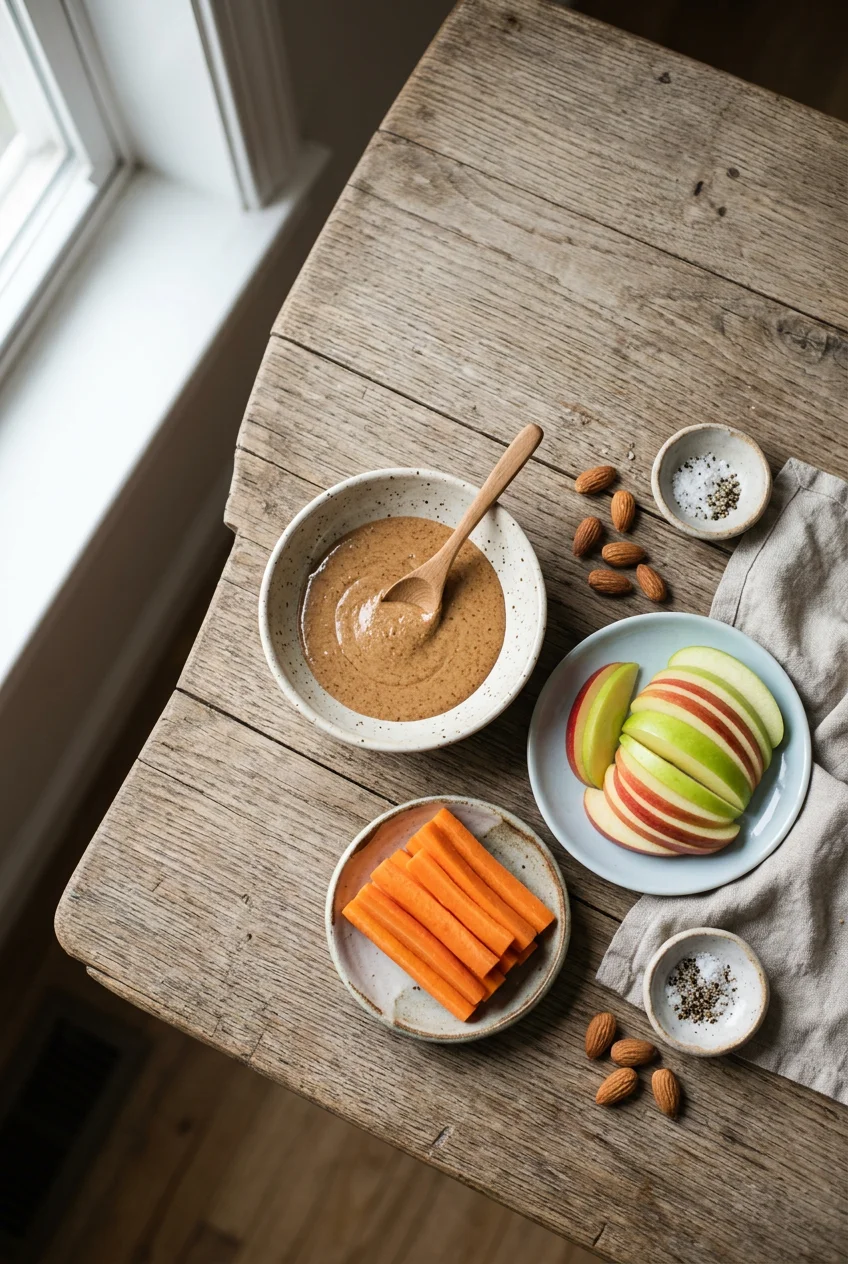
Pediatricians and dietitians consistently recommend whole, unprocessed foods as the best options, but doing that in real life is hard. I used to buy these $6.99 boxes of organic fruit strips at Whole Foods thinking I was doing a great job. They tasted like strawberry-scented plastic and stuck to my kids’ teeth like glue. More importantly, they offered zero actual nutrition. Now, I skip the middleman and go straight for produce. Instead of highly processed fruit snacks, I offer 1/2 cup of fresh raspberries or a small, crisp Honeycrisp apple. I weigh the apple slices sometimes to ensure I’m hitting that sweet spot of approximately 40g of fruit per serving.
This approach helps avoid the empty calories often found in snacks high in added sugars and unhealthy fats. The crunch of a cold apple is infinitely more satisfying than a gummy bear anyway. My kids initially complained when the shiny foil wrappers disappeared from the pantry, but they adjusted within a week. You’re teaching their palates to appreciate the natural tartness of a blackberry rather than the overwhelming sweetness of fruit juice concentrate. Plus, buying a $4.00 pint of fresh berries lasts longer and provides way more fiber than a tiny box of processed fruit leather. Learned that the hard way.
2. Be A Sugar Detective With Packaged Options

A common mistake is overlooking hidden sugars in seemingly healthy packaged snacks. I bought a vanilla yogurt at Kroger last month thinking it was a smart choice. I flipped the cup over at home and realized it had 14g of added sugar. That’s basically a dessert disguised as breakfast. Dietitians advise choosing packaged snacks with less than 5 to 6 grams of added sugar per serving. For children aged 3 to 12, the daily limit for added sugar is 24g. That equals exactly 6 teaspoons of sugar for the entire day.
Always check ingredient lists for terms like high-fructose corn syrup, dextrose, maltose, sucrose, or fruit juice concentrate. Companies are sneaky. They’ll slap a bright green organic label on a box of granola bars, but the second ingredient is often brown rice syrup. I spend an extra five minutes in the grocery aisle physically reading the back of every new box I pick up. If the sugar content is over 6g, I put it back on the shelf. It’s annoying at first, but once you find your staple brands, grocery shopping gets much faster.
3. Opt For Protein-Packed Greek Or Skyr Yogurt

For a filling and nutritious snack, choose plain, full-fat Greek or Skyr yogurts. The watery, neon-colored kid yogurts in the plastic tubes are terrible for keeping kids full. I switched to buying Siggi’s Icelandic Yogurt after realizing my kids were starving an hour after eating the tube stuff. Siggi’s offers 17g of protein per individual cup. Stonyfield Organic Greek Yogurt is another excellent choice with fewer added sugars than many kid-specific brands.
A typical portion for a younger child is 1 to 2 tablespoons (around 50 to 60g). Expect to pay around $1.59 to $2.50 per individual cup for these higher-quality yogurts. The thick, creamy texture of Skyr is completely different from traditional yogurt. I tried giving it to my son plain the first time, and he spit it out because it was too tart. Lesson learned. Now, I sweeten it naturally by mashing 1/4 cup of fresh blueberries into the yogurt instead of relying on pre-flavored options. The natural juice from the berries turns the yogurt a fun purple color without the massive sugar spike.

Veratify Healthy Mixed Snack Box (66 Count) Snacks Gift
If you want something that just works, Veratify Healthy Mixed Snack Box (66 Count) Snacks Gift Basket Granola is a safe bet (72 reviews, 4.5 stars).
4. Crunch Wisely With High-Fiber Crackers

Many crackers are high in refined grains and sodium. They dissolve on the tongue and leave kids asking for more almost immediately. I used to buy massive boxes of cheesy crackers, and my kids would eat three handfuls without blinking. Look for whole-grain options with at least 2 grams of fiber per serving and lower sodium content. Ryvita Multigrain crackers offer a massive 18.3g of fiber per 100g. I also buy Simple Mills Almond Flour Crackers at Sprouts. You might also like: 15 Gorgeous Easy Healthy Snack Ideas That Changed Everything
These Simple Mills crackers are made with simple, whole-food ingredients and cost about $4.99 a box. They have a hearty, salty crunch that actually satisfies the urge to chew. I pair 2 to 3 crackers (approximately 15g) with a protein source to make it a complete snack. Adding a sharp cheddar cheese stick or 1 tablespoon of almond butter changes everything. The fiber in the cracker combined with the fat in the cheese slows down digestion. Skip the fat-free stuff entirely. Fat-free crackers taste like wet cardboard and leave you feeling completely hollow. Trust me on this. You might also like: 15 Beautiful Wonyoungism Healthy Breakfast Ideas That Make a Real Difference
5. Embrace Hidden Veggies In Homemade Fruit Gummies

A trending approach for 2026 is incorporating vegetables into fruit-based snacks. I tried buying those pre-packaged veggie gummies for months before realizing I was paying a massive premium for glorified sugar water. Now, I make my own fruit snacks at home. You can make your own fruit gummies by pureeing exactly 1 cup of fresh strawberries with 1/4 cup of steamed carrots. The carrots add a natural sweetness and a vibrant color without altering the strawberry flavor. You might also like: 12 Healthy Dinner Ideas For Family You Need to See
Once pureed smooth, I whisk in 6 teaspoons of unflavored gelatin and sweeten the mixture with 2 tablespoons of real maple syrup. This recipe is strictly for kids over one year old due to the sweetener. I pour the warm liquid into tiny silicone bear molds. The caramel-butter smell of boiling strawberries fills the kitchen, and my kids actually beg to help pour the liquid. I made a huge mistake the first time I tried this by using too little gelatin. I ended up with a tray of sticky strawberry soup that stained my countertops pink for a week. The ingredients for a whole batch run me about $3.00 to $5.00, saving me tons of money.
6. Master The Power Pair For Healthy Snacks Kids Need

An expert tip from dietitians is to combine a carbohydrate-rich food for energy with a protein or healthy fat to promote satiety and stable energy levels. I used to just hand my daughter a plain banana when she was hungry. Thirty minutes later, she was whining at my feet while I tried to cook dinner. The carbohydrates in fruit burn off incredibly fast if they aren’t anchored by a fat or protein.
Now, I strictly enforce the power pair rule. A perfect example is serving 1/2 of a banana with 1 tablespoon of Crazy Richard’s All Natural Peanut Butter. I buy this brand at Walmart for $3.98 because the only ingredient is peanuts. You have to stir the oil back in when you open it, which is annoying, but the flavor is unmatched. Another great option is a whole-grain pita bread paired with 2 to 3 tablespoons of garlic hummus. If your kids don’t have allergies, a small handful (approximately 1/4 cup) of unsalted walnuts paired with a small apple works wonders. The fat keeps their blood sugar perfectly level.

KIND Healthy Grains Energy Bars, Pineapple Mango
A dependable everyday pick — KIND Healthy Grains Energy Bars pulls in 285 ratings at 4.5 stars. Not flashy, just solid.
7. Skip The Inflammatory Oils And Artificial Additives

A common mistake is not scrutinizing ingredient labels for harmful additives. I used to grab whatever colorful box was on sale at the grocery store. Then I noticed my son bouncing off the walls after eating certain fruit snacks. You must avoid snacks containing partially hydrogenated oils (trans fats), high omega-6 vegetable oils like soybean or corn oil, and artificial food dyes. Red 40, Yellow 5, and Blue 1 are completely unnecessary in food.
Synthetic preservatives like BHT, BHA, and Sodium Benzoate are often hidden in the fine print on cracker boxes. These additives can be linked to hyperactivity and other health concerns in sensitive kids. I once bought a generic brand of toaster pastries that dyed my kids’ fingers a bright, unnatural red. It took two days of scrubbing to get the stain off their hands. If a food product stains your skin, you probably shouldn’t be putting it in your stomach. Stick to brands that use beet juice or turmeric for coloring. It’s a small change that makes a massive difference in their daily behavior.
8. Introduce Allergens With Pediatrician-Developed Puffs

Following updated pediatric guidelines, a trending approach is the early and regular introduction of common allergens. I was absolutely terrified to give my firstborn peanut butter. I sat in the kitchen sweating, watching him eat a tiny smear of it on a spoon. Now, there are much easier ways to handle this. Mission MightyMe Nutty Puffs are pediatrician-developed puffs made with over 50 percent nuts.
They contain peanut, cashew, walnut, hazelnut, and almond protein. The ingredients are simple and non-GMO, designed specifically for babies starting solids and up. One pouch of their Organic Peanut Butter Puffs per week meets the AAP recommended 6 grams of peanut protein weekly for high-risk infants. A variety pack of 5 pouches costs around $17.99 online. They are a bit pricey, but the peace of mind is worth every penny. The puffs leave a fine peanut dust on the high chair tray, but they dissolve beautifully in a toddler’s mouth. It takes all the scary guesswork out of introducing tree nuts to a nervous baby.
9. Make Water The Primary Beverage, Not Juice

A surprising number of calories and sugars come from drinks. I used to let my kids walk around the house with sippy cups full of watered-down apple juice. I thought I was being clever by diluting it. Then my dentist gently informed me I was essentially bathing their teeth in a constant acid wash. The American Academy of Pediatrics recommends limiting 100 percent fruit juice to 4 to 8 ounces per day depending on age. Honestly, water should be the primary beverage.
Offer ice-cold water alongside snacks to help rinse away food particles and neutralize acids. This is incredibly beneficial for dental health. I bought a set of stainless steel cups, and we only put water in them. If they want juice, it is a rare treat served in a small 4-ounce glass at the dinner table. We had a few tantrums the first week I cut the juice supply, but they got over it. Now, they actually ask for ice water after running around outside. It’s cheaper, less sticky when spilled, and far better for their growing bodies.
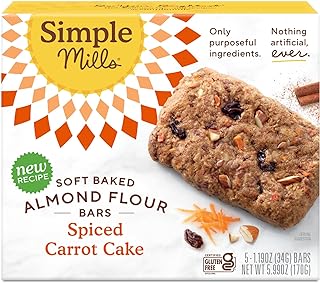
Simple Mills Almond Flour Snack Bars, Spiced Carrot Cake
Simple Mills Almond Flour Snack Bars punches above its price — 541 buyers rated it 4.5 stars. I would buy it again.
10. Portion Control Keeps Small Tummies Happy

Children’s appetites vary, and offering overly large portions can lead to overeating or food refusal. I used to load up a massive plate with cheese, crackers, and fruit, thinking they needed a huge snack after preschool. They would eat half of it, leave the rest to get crusty on the counter, and then refuse to eat dinner two hours later. The AAP suggests that parents provide appropriate portions and allow children to control the amount they actually eat.
Their stomachs are roughly the size of their clenched fists. A proper snack portion is much smaller than you think. A perfect plate might just be 1 hard-boiled egg sliced in half, 1 slice of sharp cheddar cheese (weighing exactly 15g), or exactly 4 large strawberries. Presenting a small amount of food is less overwhelming for a picky eater. If they finish the 4 strawberries and ask for more, I gladly wash a few extra. This method drastically cuts down on my food waste and ensures they actually have an appetite when I serve a hot dinner.
11. Mix Your Own Trail Mix For Cost-Effective Crunch

Instead of buying pre-made, often sugary trail mixes, create your own. The store-bought bags are usually 80 percent cheap chocolate candies and raisins, with a few sad peanuts thrown in. I go to the bulk bins at Trader Joe’s to build my own custom mixes. I combine 1/4 cup of unsalted raw almonds or walnuts, 1 tablespoon of unsweetened dried cranberries, and 1/4 cup of a whole-grain, low-sugar cereal like plain Cheerios.
This allows you to control the exact ingredients and sugar content. It is also generally more affordable than store-bought versions. A homemade batch costs me around $0.85 per serving. I store the mix in a large glass mason jar in the pantry. You have to be careful with dried fruit because it clings to teeth and promotes decay. Dentists hate sticky dried fruit. Brands like That’s It Crunchables are made from just fruit and offer a crispy texture instead of a gummy one, costing about $4.99 a bag. I always make sure my kids drink a full glass of water after eating any dried cranberries to wash the sugar off their molars.
12. Leverage Frozen Fruit For Easy, Refreshing Options

Frozen fruit is a lesser-known tip for quick, healthy snacks. I buy massive 3-pound bags of frozen organic berries at Costco for around $11.99. Fresh berries go bad in my fridge within three days, but the frozen ones last for months. Offer frozen green grapes or frozen banana slices on a hot afternoon. The texture of a frozen grape is incredible, almost like a tiny sorbet bite. You must slice the grapes in half before freezing them for younger kids to prevent choking.
My kids love the brain freeze they get from eating them straight out of the freezer bowl. You can also blend frozen berries into a thick smoothie with plain yogurt and a splash of whole milk. This is particularly refreshing in warmer months and provides natural sweetness without any added sugars. For older children with high activity levels, plant-based protein balls are a trending snack. Simply Fuel Protein Balls offer 8g of protein per serving and cost about $14.99 a bag. You can make your own with oats, nut butter, and a touch of honey for kids over one year old. A homemade batch costs around $0.35 per ball. I pair 3 protein balls with a handful of frozen fruit for the ultimate balanced afternoon plate.
Finding the right balance of protein and fiber takes a little trial and error, but it completely changes the mood in your house. I highly recommend starting with the homemade trail mix or the full-fat yogurt swaps this week. Pin this list for your next grocery run so you aren’t stuck staring blankly at the cracker aisle while your kids beg for sugary fruit snacks.

KIND Breakfast Bars, Peanut Butter, Healthy Snacks
Honestly, KIND Breakfast Bars surprised me — sturdier than it looks in the photos, and over 16 buyers gave it 4.5 stars.
Frequently Asked Questions
What are the best healthy snacks kids will actually eat?
The best healthy snacks kids enjoy combine familiar textures with hidden nutrition. Try pairing 1/2 a banana with 1 tablespoon of natural peanut butter, or serve 1/4 cup of fresh berries mixed into full-fat plain Greek yogurt for lasting energy.
How much added sugar is safe in kids’ snacks?
Dietitians recommend keeping added sugar under 6 grams per snack serving. For children aged 3 to 12, the daily limit for added sugar is just 24 grams, which equals about 6 teaspoons for the entire day.
Are packaged fruit snacks considered healthy?
Most packaged fruit snacks are highly processed and act like sticky candy on teeth. Swap them for whole foods like a 40g serving of crisp apple slices or homemade fruit gummies made with real strawberries and unflavored gelatin.
How can I make snacks more filling for my toddler?
Use the power pair method by combining a complex carbohydrate with a fat or protein. Instead of serving plain crackers, pair 15g of high-fiber almond flour crackers with a slice of sharp cheddar cheese to slow digestion.
