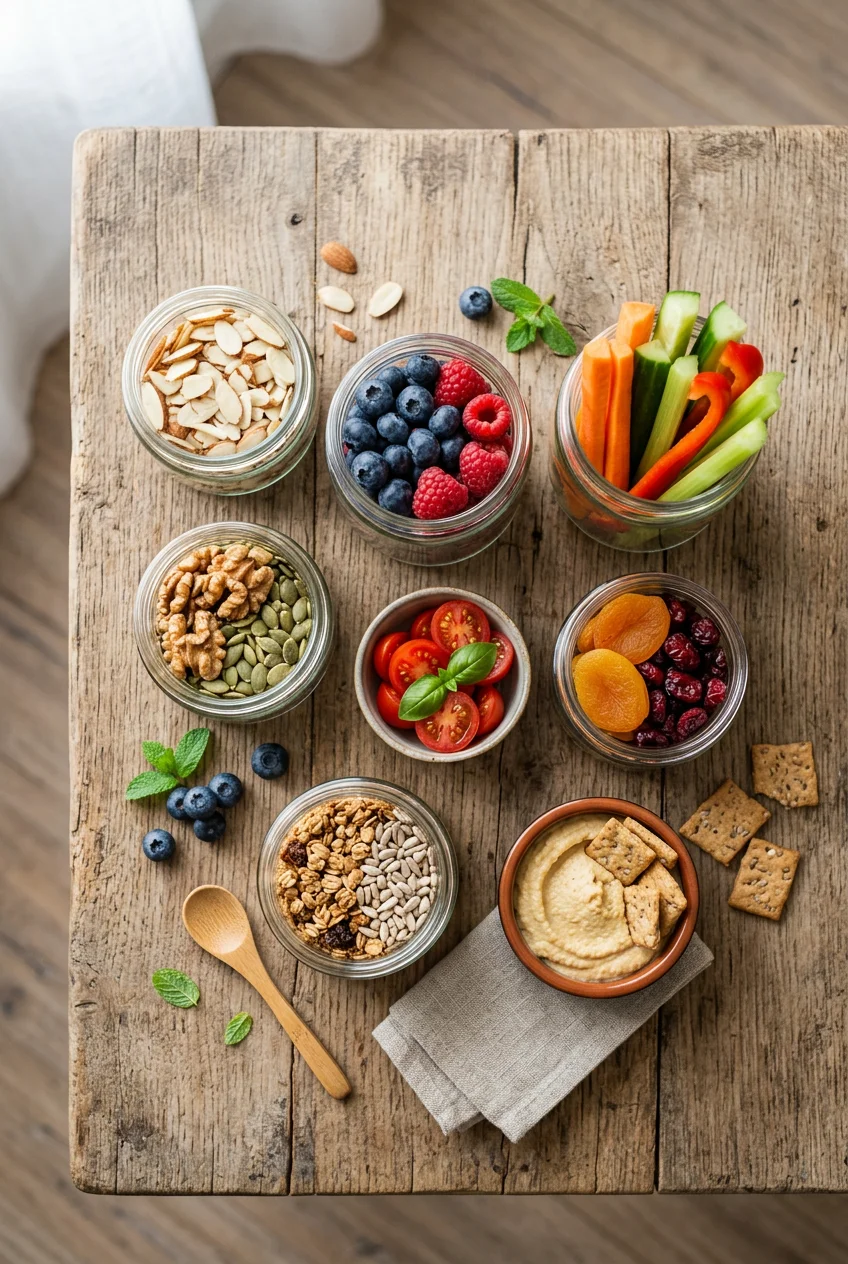
What’s Inside
- Prioritize Protein With Hard-Boiled Eggs
- Embrace Greek Yogurt For Gut Health
- Portion-Controlled Almonds Stop Mindless Eating
- Hummus And Veggies Make A Perfect Fiber Duo
- Grass-Fed Jerky For A Lean Protein Boost
- Cottage Cheese Is A Highly Underrated Option
- Make Your Own Savory Roasted Chickpeas
- The Bento Box Approach For Visual Variety
- Choose Protein Bars Wisely
- Individual Nut Butter Packets And Fresh Fruit
Last Tuesday at Target, I found myself staring blankly at the checkout candy. My blood sugar had tanked. I grabbed a generic trail mix bar, inhaled it in the parking lot, and felt dizzy thirty minutes later. That afternoon crash is exactly why I started researching healthy snacks. If you rely on convenience stores when you’re starving, you’re setting yourself up for failure. Finding truly healthy snacks takes a bit of planning. It stops that mid-afternoon fatigue cold. I’m a nutritionist, and I still mess this up if I don’t prep my bags on Sunday. Let’s walk through the foods I actually pack, complete with the prices and measurements you need.
1. Prioritize Protein With Hard-Boiled Eggs

I used to avoid packing hard-boiled eggs because of the smell. I tried taking them to a client meeting last year and felt incredibly self-conscious when I opened the container. But they’re efficient. One large egg gives you about 6 grams of protein. Dietitians love protein because it slows down digestion. You stay full until dinner. You can boil a dozen eggs at home for about $3.00, but I’m often too busy. I’d rather pay for the convenience. I buy Vital Farms hard-boiled eggs at Whole Foods. A pack of six pre-peeled eggs costs $4.99. The convenience means I actually eat them instead of letting raw eggs sit in my fridge for weeks. I pack two eggs in a small glass container with a pinch of sea salt and pepper. The texture is firm, the yolk is creamy, and it stops my craving for salty chips at three. If you’re boiling them yourself, plunge them into an ice bath after ten minutes. The shells slip right off. Don’t skip the ice bath. I learned that the hard way. I skipped it once and spent ten minutes picking shell shards off my breakfast in traffic.
2. Embrace Greek Yogurt For Gut Health

The dairy aisle is a minefield of sugar. I learned this in my early twenties when I bought vanilla yogurts with more sugar than soda. Now, I stick to plain, low-fat Greek yogurt. A standard 5.3 oz container of plain Chobani gives you 15 to 20 grams of protein, plus probiotics. Individual Chobani cups usually cost about $1.69 at Walmart. If I’m watching my budget, I buy the large 32 oz tub for $5.37 and scoop it into my own half-cup glass containers. Plain yogurt is extremely tart. It’s almost bitter. To fix the sharp taste without adding refined sugar, I add 1/4 cup of fresh raspberries or blueberries. The berries break down in the cold yogurt, adding natural sweetness and a nice texture. I pack this in a small insulated bag with a tiny blue ice pack. Greek yogurt gets watery and warm in a hot car. I forgot a container in my cup holder last July in Phoenix. The smell the next morning was something I won’t ever forget. Keep it cold.
3. Portion-Controlled Almonds Stop Mindless Eating

A massive mistake I see clients make is buying a three-pound bag of almonds at Costco and eating directly out of it. I’ve done this myself for months before figuring out why my weight was stalling. Nuts are calorie-dense. You think you’re making a smart choice, but suddenly you’ve eaten eight hundred calories while answering emails. A proper serving is 23 nuts, or roughly 1 ounce. That handful provides 160 calories, 6 grams of protein, 14 grams of healthy fats, and 3 grams of fiber. The crunch is satisfying, and the fat content signals your brain you’re full. To stop mindless eating, I spend ten minutes on Sunday counting out 23 almonds into small reusable silicone Stasher bags. The snack bags cost $9.99 each at Target, but they last for years. I use Blue Diamond lightly salted almonds. A 16 oz bag runs about $6.98. The light salt cuts the dry, dusty texture raw almonds sometimes have. If you’re grabbing nuts on your way out, the pre-portioned bags are a necessity. You won’t accidentally eat half a pound while stuck in rush hour. You might also like: 20 Creative Easy Healthy Low Calorie Dinner Ideas Worth Trying This Year
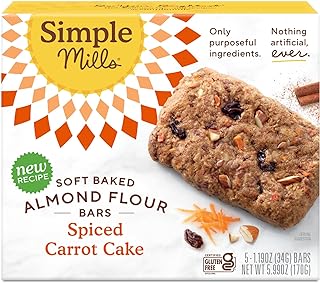
Simple Mills Almond Flour Snack Bars, Spiced Carrot Cake
Simple Mills Almond Flour Snack Bars punches above its price — 546 buyers rated it 4.5 stars. I would buy it again.
4. Hummus And Veggies Make A Perfect Fiber Duo

I used to buy those tiny, single-serve plastic pods of hummus. Then I realized I was paying a premium for plastic that barely held enough dip for three baby carrots. Now, I buy a standard 10 oz container of Sabra Classic Hummus at Kroger for $3.99. I scoop 1/3 cup of hummus into the bottom of a wide-mouth mason jar. Hummus is made from chickpeas, tahini, and olive oil, delivering a solid mix of protein, fats, and fiber. On top of the hummus, I pack 1 cup of pre-cut vegetables. I go with thick carrot sticks, cucumber slices, or red bell pepper strips. The moisture from the vegetables stays separate from the hummus until you eat. The cold, crisp snap of a fresh bell pepper paired with the rich, garlic-heavy hummus is satisfying. A quick warning about cucumbers. If you slice them too thin, they turn into a soggy mess after twenty-four hours. Cut them into thick, half-inch wedges. This combination requires a fork, so it’s not great for eating while driving, but it’s perfect for your office desk. You might also like: 12 Healthy Dinner Ideas For Family You Need to See
5. Grass-Fed Jerky For A Lean Protein Boost

Finding a savory snack that doesn’t require a refrigerator is difficult. Most shelf-stable snacks aren’t actually healthy. They’re just refined carbohydrates. I started keeping grass-fed beef or turkey jerky in my car console last winter. Specifically, I buy CHOMPS meat sticks. You can find them at Trader Joe’s or Target for $2.29 per stick. A single stick gives you 15 grams of protein without any weird chemical aftertaste. The texture is firm, and it snaps nicely. A massive error people make in the jerky aisle is ignoring the label. Many brands soak their meat in high-fructose corn syrup and artificial smoke. Skip the teriyaki flavors entirely. They taste like salty candy. I stick to the original or jalapeño flavors. Because meat sticks are protein and fat, I always pair them with a piece of fresh fruit. I usually grab a medium Honeycrisp apple. The sweet, juicy crunch of the apple balances the salty, dense chew of the beef stick perfectly. It’s a fast way to get a balanced macronutrient profile when you’re running through an airport. You might also like: 10 High Protein Meals Dinner Worth Trying
6. Cottage Cheese Is A Highly Underrated Option

Cottage cheese has a terrible reputation. I get it. The lumpy texture freaks people out. I refused to eat it until I was twenty-five because it looks like wet cauliflower. But from a pure nutrition standpoint, it’s efficient. A half-cup of low-fat cottage cheese offers 14 grams of slow-digesting casein protein, plus calcium and vitamin B12. Dietitians recommend it because it keeps you full for hours. I buy Good Culture 2% low-fat cottage cheese. A 16 oz tub costs $3.49 at Sprouts. The curds are small and the flavor is tangy, not watered down like the cheaper store brands. To mask the texture and add sweetness, I measure out 1/2 cup of canned pineapple chunks. Buy the pineapple packed in 100% fruit juice, not heavy syrup. The syrup versions are basically liquid desserts. The acidity of the pineapple juice cuts through the creamy dairy. I pack this in a leak-proof Tupperware container. Make sure the lid actually snaps shut. I ruined a leather tote bag two years ago when a cheap plastic lid popped off and dumped a half-cup of milky curds all over my laptop charger.

KIND Healthy Grains Energy Bars, Pineapple Mango
A dependable everyday pick — KIND Healthy Grains Energy Bars pulls in 287 ratings at 4.5 stars. Not flashy, just solid.
7. Make Your Own Savory Roasted Chickpeas

The grocery store is flooded with expensive, gut-health focused snacks. You’ll see tiny bags of roasted chickpeas selling for five dollars. It’s a ridiculous markup for a cheap ingredient. You can roast your own at home for a fraction of the cost. I buy a 15 oz can of garbanzo beans at Walmart for $1.19. I drain them, rinse them, and dry them aggressively with a paper towel. If you don’t dry them, they steam in the oven instead of getting crispy. I toss the dry chickpeas with 1 tablespoon of olive oil, a half teaspoon of cumin, a half teaspoon of chili powder, and a pinch of kosher salt. Roast them at 400 degrees Fahrenheit for twenty-five minutes until they sound hollow. The smell of the roasting cumin fills the entire kitchen. Once they cool, they turn into a crunchy, savory, high-fiber snack that hits the spot. I store them in a glass jar. Don’t put them in a plastic bag or they lose their crunch immediately. They provide a solid hit of protein and fiber, making them perfect for a long hike.
8. The Bento Box Approach For Visual Variety

Sometimes I don’t want just one flavor. I want a bit of everything. Ashley Reed, a Registered Dietitian I follow, recommends the bento box approach to encourage variety and balance blood sugar. Instead of eating from large bags, you use a compartmentalized container to pre-portion a mix of protein, carbs, and healthy fats. I bought a stainless steel bento box from Amazon for $24.99, and it changed my meal prep routine. A typical combination I pack includes 1 hard-boiled egg, 4 cubes of sharp cheddar cheese, a handful of carrot and celery sticks, and 2 mini whole wheat pitas tucked next to a dollop of hummus. The visual variety tricks your brain into feeling like you’re eating a massive meal. You get the salty fat from the cheese, the earthy crunch from the celery, and the chewy carbs from the pita. It takes five extra minutes to chop everything, but it stops me from buying a twelve-dollar sad airport sandwich. If you’re building these, put the wet ingredients like hummus or sliced tomatoes in a separate, sealed compartment. I learned that lesson after my pitas absorbed tomato juice all morning and turned into a soggy sponge.
9. Choose Protein Bars Wisely

The protein bar aisle is the most deceptive section of the store. A common mistake is grabbing a bar that claims to be fitness food, only to realize it’s a candy bar in disguise. I used to eat chocolate peanut butter bars that had twenty-five grams of sugar. They tasted like fudge brownies because they were fudge brownies. When selecting bars, look at the ingredient list, not just the protein count. I look for options with less than 5 grams of added sugar. RXBARs are a fantastic choice because they use simple, whole-food ingredients. I buy the chocolate sea salt flavor for $2.49 a bar at Target. The wrapper lists the ingredients on the front: egg whites, dates, and nuts. They have a dense, chewy texture that takes a while to eat, which I prefer over airy wafers. If I want something lighter, I grab a KIND cinnamon oat granola bar. It has 140 calories and 5 grams of added sugar. Just be aware that bars melt. I left an RXBAR in my gym bag in the trunk in August. It fused to the wrapper and I had to throw the sticky mess away.

Veratify Healthy Mixed Snack Box (66 Count) Snacks Gift
Veratify Healthy Mixed Snack Box (66 Count) Snacks Gift Basket Granola punches above its price — 72 buyers rated it 4.5 stars. I would buy it again.
10. Individual Nut Butter Packets And Fresh Fruit

Carrying a heavy glass jar of peanut butter is a terrible idea. I tried scooping peanut butter into plastic containers, but washing the oily residue out of the corners was infuriating. I switched to individual nut butter packets. Brands like Once Again offer convenient, single-serve packets of organic peanut or almond butter. You can expect to pay around $0.79 per packet at Whole Foods. The ingredient list should just be peanuts and maybe a little salt. No palm oil, no added sugar. I pair one packet with a medium banana or a crisp green apple. You just tear the top off and squeeze the butter onto the fruit as you eat it. It delivers a powerful combination of plant-based protein, healthy fats, and fast-acting carbohydrates. The texture of creamy peanut butter against a starchy banana is classic for a reason. Knead the packet with your fingers for thirty seconds before opening. Natural peanut butter separates, and if you don’t mix it inside the pouch, you’ll squeeze a puddle of oil all over your hands. I did this while wearing a silk shirt before a flight. It simply won’t wash out. Trust me on this.
Finding the right foods doesn’t require a culinary degree. It just requires a bit of label reading and some Sunday prep. I hope this list helps you avoid the vending machine trap at three in the afternoon. If you try the roasted chickpeas, let me know how the spices turn out. Pin this article to your meal prep board so you have these measurements and prices ready for your next shopping trip.
Frequently Asked Questions
What are the best healthy on the go snacks for protein?
Hard-boiled eggs and grass-fed jerky like CHOMPS provide excellent, portable protein. A single egg offers 6 grams, while a beef stick provides up to 15 grams without requiring refrigeration.
How can I keep healthy on the go snacks cold?
Pack dairy items like Greek yogurt or cottage cheese in a small insulated lunch bag with a reusable ice pack. This prevents spoilage and keeps the texture firm during your commute.
Are protein bars good healthy on the go snacks?
They can be, but you must read the labels. Look for bars with at least 10 grams of protein and under 5 grams of added sugar, like RXBARs, to avoid disguised candy bars.
What is a cheap option for healthy on the go snacks?
Roasting your own chickpeas at home is incredibly cost-effective. A 15-ounce can of garbanzo beans costs around one dollar and yields multiple servings of crunchy, high-fiber snacks.
