What’s Inside
- The Quick Salt Water Brine Method
- High-Heat Paprika Spice Rub Chicken
- Sheet Pan Turmeric Root Veggie Chicken
- The Smashed Avocado Oil Chicken Breast
- Skin-On Garlic Roasted Chicken Thighs
- The “Pull it Early” Balsamic Glazed Chicken
- Rested Citrus Orange Chicken
- Unwashed Crispy Air Fryer Chicken
- Sustainably Sourced Dijon Baked Chicken
- Mediterranean Olive Oil and Tomato Chicken
- The Perfect Meal Prep Shredded Chicken
Last Tuesday night, I stood over my kitchen sink at 7 PM. I was aggressively chewing a piece of chicken breast that tasted exactly like a dry eraser. The edges were burnt. The middle was suspiciously rubbery. I’ve ruined so many healthy baked chicken recipes over the years because I thought healthy meant skipping oil and overcooking the meat to be safe. I’d slice into a thick breast, see a tiny speck of pink, and throw it back in the oven for another twenty minutes. Big mistake. The result was always the same. Wet cardboard texture. You’re probably reading this because you’re tired of choking down dry protein after the gym. I get it. I really do. After hundreds of failed dinners and a lot of frustrated takeout orders, I finally figured out the science of keeping lean poultry juicy. It’s not magic. It’s just a few specific techniques that change everything. I’m going to share exactly how I make my weeknight dinners now. Skip the fat-free stuff. It tastes awful anyway. Let’s get into the actual methods that work in a real kitchen when you’re tired and just want a good meal.
1. The Quick Salt Water Brine Method

I tried this wrong for months before figuring it out. I used to just throw plain chicken breasts directly onto a baking sheet. They always came out dry and stringy. Then I learned about brining. It sounds fancy, but it’s just soaking meat in salty water. To combat dryness in lean chicken breasts, a quick brine works wonders. You just need a simple mixture. Dissolve 1/4 cup of kosher salt in 1 quart (that’s 4 cups) of warm water. I personally swear by Morton Coarse Kosher Salt. You can grab a big 3-pound box for $3.29 at Target. It lasts forever. Submerge your chicken breasts in this salty bath for at least 15 to 30 minutes. You can leave them up to 4 hours if you want deeper flavor. Just don’t forget them overnight. I did that last year. I left four expensive breasts in a heavy brine for fourteen hours. It was inedible salt-lick chicken. I had to throw the whole batch in the trash. Once your 30 minutes are up, pull the meat out and pat it completely dry with paper towels. The salt alters the protein structure so the meat holds onto its natural juices while baking. It’s the best trick for healthy baked chicken recipes. You won’t believe the difference in texture.
2. High-Heat Paprika Spice Rub Chicken

Most people get this wrong. They bake their poultry at 350 degrees for an hour. That’s a guaranteed way to make chicken jerky. For the juiciest results, you need to preheat your oven to 450 degrees Fahrenheit. Bake medium chicken breasts (around 7 ounces each) for 18 to 22 minutes. This high-heat method helps to quickly sear the exterior. It locks in moisture and prevents the meat from drying out. Don’t be shy with seasoning either. A versatile healthy blend I use weekly includes 2 teaspoons kosher salt, 1 teaspoon garlic powder, 1/2 teaspoon onion powder, 1/2 teaspoon paprika, and 1/2 teaspoon dried oregano. I buy Simply Organic Paprika. It’s $6.49 for a 2.96-ounce bottle at Whole Foods. For a surprising depth of flavor and a beautiful crust, add 1/2 teaspoon of brown sugar to your spice mix. Yes, a tiny bit of sugar. It caramelizes under the high heat and creates this gorgeous golden brown exterior. This is one of my favorite healthy baked chicken recipes because it takes less than half an hour from fridge to plate. Just make sure your oven is fully preheated before you put the pan inside.
3. Sheet Pan Turmeric Root Veggie Chicken

If you hate doing dishes as much as I do, this method is for you. A popular and efficient healthy cooking method is the sheet pan meal. You just combine your seasoned chicken with a variety of chopped vegetables on a single baking sheet. I like to incorporate specific spices. Add turmeric for its anti-inflammatory properties or black pepper. Black pepper actually enhances nutrient absorption. I toss cubed sweet potatoes, zucchini, and bell peppers in Trader Joe’s Organic Extra Virgin Olive Oil. A 16.9-ounce bottle is $8.99 and tastes incredibly fresh. Pair your baked chicken with these fiber-rich roasted root vegetables to support gut health. I used to crowd my sheet pans way too much. I’d dump three pounds of wet veggies next to the chicken. Everything just steamed in a sad puddle of water instead of roasting. Give your food space to breathe on the pan. If you have to use two pans, do it. The edges of the sweet potatoes will get crispy while the chicken cooks perfectly in the center. It’s a complete, nutritious, and easy-cleanup dinner that actually fills you up.

Downshiftology Healthy Meal Prep: 100+ Make-Ahead Recipes
A dependable everyday pick — Downshiftology Healthy Meal Prep: 100+ Make-Ahead Recipes and Quick-As. Not flashy, just solid.
4. The Smashed Avocado Oil Chicken Breast

A common mistake is baking chicken breasts with varying thickness. This leads to uneven cooking. You end up with dry, overcooked edges and a raw, squishy middle. It’s gross. Use a meat mallet or a heavy rolling pin to pound your chicken breasts to a uniform thickness of about 0.6 inches. This ensures consistent cooking and tenderness throughout. Before you season the pounded meat, brush it generously with heart-healthy oils. I highly recommend avocado oil. Chosen Foods 100% Pure Avocado Oil is my go-to. It’s $12.98 for a 16.9-ounce bottle at Walmart. It has a high smoke point so it won’t burn in a hot oven. The oil helps the seasonings adhere, promotes even browning, and acts as a barrier to retain moisture inside the meat. Honestly, this changed how I prep my weeknight dinners. Pounding the meat takes an extra two minutes, but it saves you from eating chalky protein. Put the chicken inside a large plastic zip bag before you hit it. I didn’t do this once. Raw chicken juice splashed all over my favorite grey sweater. Learn from my laundry disasters. You might also like: 15 Charming School Healthy Lunch Ideas You Need to See
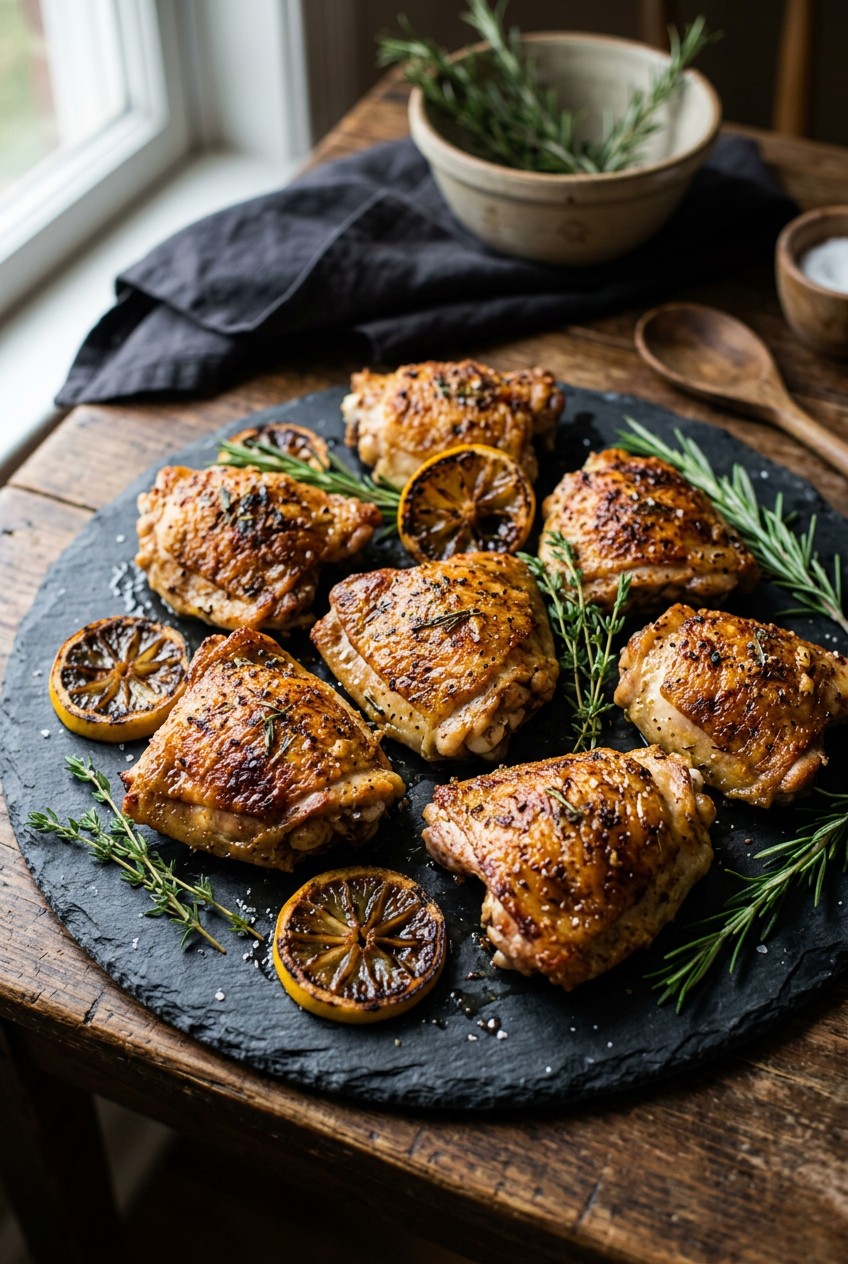
5. Skin-On Garlic Roasted Chicken Thighs

Here is a surprising tip. Cook your chicken with the skin on. Even if you prefer skinless chicken for lower fat macros, consider baking it with the skin attached. The skin acts as a natural basting mechanism. It releases fats slowly over the meat, keeping everything incredibly moist during cooking. You can easily remove the skin before eating if you want to save calories. I buy Harvestland by Perdue Organic bone-in, skin-on chicken thighs. They run about $6.99 per pound at Kroger. I rub minced garlic and a little salt under the skin before baking. The flavor penetrates the meat beautifully. I used to buy exclusively boneless skinless breasts because I thought fat was the enemy. I was so wrong. My dinners were miserable and I was always hungry an hour later. Thighs are naturally more forgiving in the oven anyway. They won’t dry out as fast as white meat. If you’re new to cooking poultry, start with thighs. They’re practically foolproof. Just roast them until the skin is crispy and golden. The meat underneath will fall right off the bone. You might also like: 20 Inspiring Healthy Dessert Ideas That Make a Real Difference
6. The “Pull it Early” Balsamic Glazed Chicken

Overcooking is the most frequent culprit behind dry chicken. To ensure perfect doneness and food safety, you absolutely must use a meat thermometer. Insert it into the thickest part of the breast. You are aiming for a final internal temperature of 165 degrees Fahrenheit. But here is the secret. You need to embrace carryover cooking. Remove the meat early. I pull my chicken from the oven when it reaches exactly 155 degrees. The internal temperature will continue to rise to the safe 165 degrees as the chicken rests on the counter. This prevents overcooking and ensures maximum juiciness. I use a ThermoPro Digital Meat Thermometer. It’s $14.99 at Target and works perfectly. For flavor, I brush the chicken with Whole Foods 365 Balsamic Glaze during the last five minutes of baking. The glaze costs $4.49 for an 8.5-ounce bottle. It gets sticky and sweet in the oven. If you leave the chicken in the oven until the thermometer reads 165, it will be 175 by the time you eat it. That means it’s ruined. Trust the thermometer and pull it early. You might also like: 15 Beautiful Wonyoungism Healthy Breakfast Ideas That Make a Real Difference

The Well Plated Cookbook: Fast
The Well Plated Cookbook: Fast punches above its price. I would buy it again.
7. Rested Citrus Orange Chicken

Once your chicken is cooked and out of the oven, don’t cut into it immediately. This is a crucial step. Transfer the chicken to a cutting board or a warm platter. Loosely tent it with aluminum foil and let it rest for 5 to 10 minutes. I use heavy duty Reynolds Wrap Aluminum Foil. It’s $4.98 for a 50-square-foot roll at Walmart. Resting allows the muscle fibers to relax and reabsorb all the juices. If you slice it right away, all that liquid runs out onto your cutting board. You’re left with a dry piece of meat. While it rests, brighten the flavors with fresh citrus. Squeeze fresh orange or lemon juice right over the warm chicken. The acidity not only adds a vibrant flavor but also helps to tenderize the meat slightly. I love placing thin lemon slices directly on top of the chicken while it bakes, too. The citrus oils seep into the meat. It smells amazing in your kitchen. Just be patient. Set a timer for five minutes. Don’t touch that knife until the timer goes off.
8. Unwashed Crispy Air Fryer Chicken

I need to address a very common mistake. Don’t wash your raw chicken. Washing raw chicken in the sink is a dangerous practice. It spreads harmful bacteria like Salmonella all around your kitchen through tiny water splashes. Instead of washing, just pat the chicken dry with paper towels before seasoning. I buy Bounty Select-A-Size Paper Towels. A 6-roll pack is $11.99 at Costco. Patting it dry is actually better for cooking anyway. Moisture on the surface prevents the meat from browning in the oven. If you want a baked texture but with a truly crispy exterior, use an air fryer. It’s basically a tiny convection oven. For reheating leftover baked chicken, the air fryer is unmatched. Set it to 360 degrees for 4 to 6 minutes. It revives cold, leftover baked chicken without drying it out like a microwave does. Microwaves destroy leftover poultry. They turn it into hot, smelly rubber. Use your air fryer instead. Just remember to clean the basket well afterward, and seriously, stop rinsing your raw meat under the faucet.
9. Sustainably Sourced Dijon Baked Chicken

Your recipe is only as good as your raw ingredients. Opt for organic, air-chilled chicken breasts. Brands like Rosie Organic Chicken are excellent. They are free-range, humanely raised, and fed an all-vegetarian diet. This contributes to significantly better flavor and texture. Expect to pay around $9.99 per pound at Sprouts for this level of quality. Air-chilled chicken doesn’t retain excess water weight like conventionally chilled chicken does. This means it roasts beautifully instead of steaming in its own liquid. For a fast weeknight marinade, I coat these organic breasts in a mix of olive oil and Grey Poupon Dijon Mustard. An 8-ounce jar is $3.49 at any grocery store. The mustard acts as an emulsifier and creates a thick, tangy crust on the chicken as it bakes. I used to buy the cheapest bulk chicken I could find. It was always pumped full of saline solution. It tasted metallic and shrank to half its size in the oven. Spending a few extra dollars on air-chilled organic meat makes a massive difference in your healthy baked chicken recipes.

Taste of Home Light & Easy Weeknight Cooking: 307 Healthy
If you want something that just works, Taste of Home Light & Easy Weeknight Cooking: 307 Healthy Recipes for is a safe bet.
10. Mediterranean Olive Oil and Tomato Chicken

You need to use healthy fats to make lean protein taste good. Before seasoning, brush your chicken generously with extra virgin olive oil. This is non-negotiable. I use California Olive Ranch Extra Virgin Olive Oil. A 16.9-ounce bottle is $15.99 at Target. It has a peppery, rich flavor that works perfectly for Mediterranean profiles. Place your oiled chicken on a baking sheet surrounded by whole cherry tomatoes and thick slices of zucchini. As the chicken bakes at 450 degrees, the tomatoes will burst. Their juices mix with the olive oil to create a natural, healthy sauce right on the pan. I used to try making this with zero-calorie cooking spray. It was a disaster. The vegetables burned to the pan and the chicken was completely tasteless. Your body needs healthy fats to absorb vitamins from the vegetables anyway. Don’t skip the olive oil. Spoon those pan juices over the chicken when you serve it. It tastes like a fancy restaurant meal but takes almost zero effort on a Wednesday night.
11. The Perfect Meal Prep Shredded Chicken

If you meal prep on Sundays, you need a reliable shredded chicken method. I combine several tricks here. I use the saltwater brine first. Then I pound the meat slightly so it’s even. I bake it at 450 degrees, pull it early at 155 degrees, and let it rest under foil. Once it’s rested, I use two forks to shred it apart. Because of the brine and the resting period, the shredded meat is incredibly juicy. It won’t dry out in the fridge over the next four days. I store my prepped chicken in Pyrex 3-Cup Glass Storage Containers. A 4-pack is $19.99 at Target. Glass is way better than plastic. It doesn’t hold onto weird smells and you can reheat it safely. Toss this shredded chicken into salads, wrap it in tortillas, or mix it with quinoa bowls. I used to boil my chicken for meal prep. Boiling extracts all the flavor into the water and leaves you with stringy, gray meat. Baking it with a little oil and salt is vastly superior for your weekly prep.
I hope these methods save you from eating another piece of dry, sad poultry. I’ve ruined enough dinners for all of us. If you just remember to brine your meat, use a thermometer, and let it rest, you’re going to see a massive improvement. Honestly, investing in a good meat thermometer is the single best thing you can do for your kitchen. Pin this page or save it to your bookmarks so you can reference the cooking temperatures next time you’re standing in your kitchen wondering what to do with a raw chicken breast. Happy cooking!
Frequently Asked Questions
How long should I bake chicken breasts so they don’t dry out?
Bake medium chicken breasts at a high heat of 450 degrees Fahrenheit for 18 to 22 minutes. Pull them out when a meat thermometer reads 155 degrees, then let them rest so carryover cooking brings them safely to 165 degrees.
Does brining chicken really make a difference?
Yes, brining is highly effective. Soaking chicken in a mixture of 1/4 cup kosher salt and 4 cups of warm water for 15 to 30 minutes alters the protein structure. This helps the meat hold onto its natural juices while baking.
Should I wash raw chicken before baking it?
No, you should never wash raw chicken. Washing splashes harmful bacteria like Salmonella around your kitchen. Instead, simply pat the raw chicken completely dry with paper towels before you apply oil and seasonings.
How can I reheat baked chicken without drying it out?
The best way to reheat baked chicken is in an air fryer. Set it to 360 degrees Fahrenheit for 4 to 6 minutes. This warms the meat through and crisps the exterior without turning it into rubber like a microwave does.
