What’s Inside
- Prioritize Probiotic-Rich Kefir for Superior Diversity
- Goat Milk Kefir for Dairy Sensitivities
- Low-Sugar Icelandic Skyr
- Plain Greek Yogurt with Fresh Berries
- Prebiotic Powerhouses like Oats and Chia Seeds
- Savory Oatmeal with Bone Broth
- Fermented Veggie Breakfast Bowl
- Sourdough Toast with Avocado
- Green Banana Prebiotic Smoothie
- Chia Seed Pudding with Full Fat Coconut Milk
- Sweet Potato Hash with Sauerkraut
- Traditional Miso Soup
Last Tuesday at Whole Foods, I dropped a $7 jar of raw sauerkraut right onto the tile floor. I was rushing to grab ingredients for a gut-healthy breakfast because my stomach was wrecked from three days of eating dry cereal out of the box while traveling. I’m a nutritionist, but I still make mistakes when I’m tired and hungry. Finding a gut-healthy breakfast that actually tastes good is tough when half the recipes online taste like wet cardboard. You end up staring at a bowl of flavorless mush, wishing you’d just bought a bagel. Skip the fat-free stuff. It tastes terrible and won’t keep you full. Trust me on this.
I’ve spent the last four years testing different morning meals to fix my own digestion issues. Most people get this wrong by focusing entirely on removing foods rather than adding the right bacterial strains and fibers. You need specific probiotics to populate your gut and specific prebiotics to feed them. I tried choking down plain psyllium husk in water for months before figuring it out. It was a miserable way to start the morning. Let’s look at 12 specific, realistic meals you can actually look forward to eating every day.
1. Prioritize Probiotic-Rich Kefir for Superior Diversity

Opt for kefir over traditional yogurt because it has a better mix of live cultures. Kefir often contains 10 to 12 distinct strains, including both bacterial and yeast species. Traditional yogurt usually only has two to eight. I buy Lifeway Organic Whole Milk Kefir at Target. It costs $5.69 for a 32-ounce bottle. The texture is thinner than yogurt, almost like heavy cream, and it has a sharp, tangy bite that wakes up your palate.
Start your day with exactly 1 cup (240ml) of plain, unsweetened kefir. Drink it straight from a glass or blend it into a smoothie. I tried pouring it directly over dry granola once. The liquid pooled at the bottom and turned the oats to mush in seconds, so I don’t recommend that. The whole milk version is crucial. The fat content helps carry fat-soluble vitamins and keeps you satiated until lunch. If you’re buying the non-fat versions, you’re missing out on the texture that makes kefir enjoyable. I’ve used this specific brand for two years now because the plastic bottle has a tight screw cap that doesn’t leak when I shake it before pouring.
2. Goat Milk Kefir for Dairy Sensitivities

If cow’s milk leaves you feeling bloated, you aren’t out of options for a gut-healthy breakfast. Goat milk has smaller fat globules and slightly lower lactose levels, making it much easier for many people to digest. I pick up Redwood Hill Farm Cultured Goat Milk Kefir at Sprouts. It runs about $9.99 for a 32-ounce bottle. Yes, it’s more expensive than cow’s milk kefir. The price is a tradeoff for the easier digestion.
Goat milk kefir has a distinct, slightly earthy flavor. It lacks the heavy sweetness of cow’s milk. I use 3/4 cup of this kefir blended with 1/2 cup of frozen dark cherries to mask the earthy aftertaste. The deep purple smoothie looks great in a glass, and the cherries add necessary prebiotic fiber. I made the mistake of leaving a bottle of this in the door of my fridge instead of the back shelf. The temperature fluctuations caused it to separate and get aggressively sour within a week. Always store your fermented dairy in the coldest part of the refrigerator. The live cultures are sensitive to temperature changes.
3. Low-Sugar Icelandic Skyr

When selecting yogurt, always look for the phrase “live and active cultures” on the label. You need to aim for options with 6 to 8 grams of sugar or less per serving to maximize the gut benefits. A common mistake I see clients make is buying fruit-flavored yogurts. Those often contain 14 to 18 grams of added sugar. That much processed sugar can feed the exact pathogenic bacteria you’re trying to starve out.
I buy Siggi’s Icelandic Skyr in the plain whole milk variety. It costs $1.99 for a 5.3-ounce cup at Kroger. Skyr is technically a cheese, but we eat it like yogurt. It is incredibly thick. You can turn the spoon upside down and it won’t fall off. The high protein content—about 15 grams per cup—keeps your blood sugar stable. I eat one cup of this at my desk around 9 AM. The foil lid on these cups can sometimes tear unevenly and leave jagged edges, which is annoying when you’re in a hurry. However, the dense, creamy texture makes it worth the minor packaging flaw.
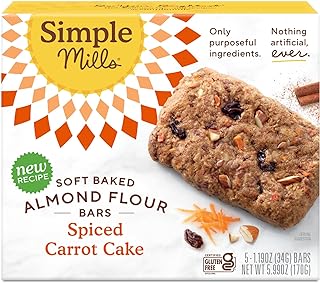
Simple Mills Almond Flour Snack Bars, Spiced Carrot Cake
Simple Mills Almond Flour Snack Bars punches above its price — 546 buyers rated it 4.5 stars. I would buy it again.
4. Plain Greek Yogurt with Fresh Berries

If Skyr is too thick for your preference, traditional Greek yogurt is your next best bet. I purchase Fage Total 5% Plain Greek Yogurt. A 32-ounce tub costs $6.49 at Walmart. The 5% milkfat is non-negotiable for me. The 0% version tastes chalky and leaves me hungry an hour later. Fage includes multiple beneficial live cultures like L. Acidophilus and inulin, which support digestion. You might also like: 8 Healthy Late Night Snacks Worth Trying
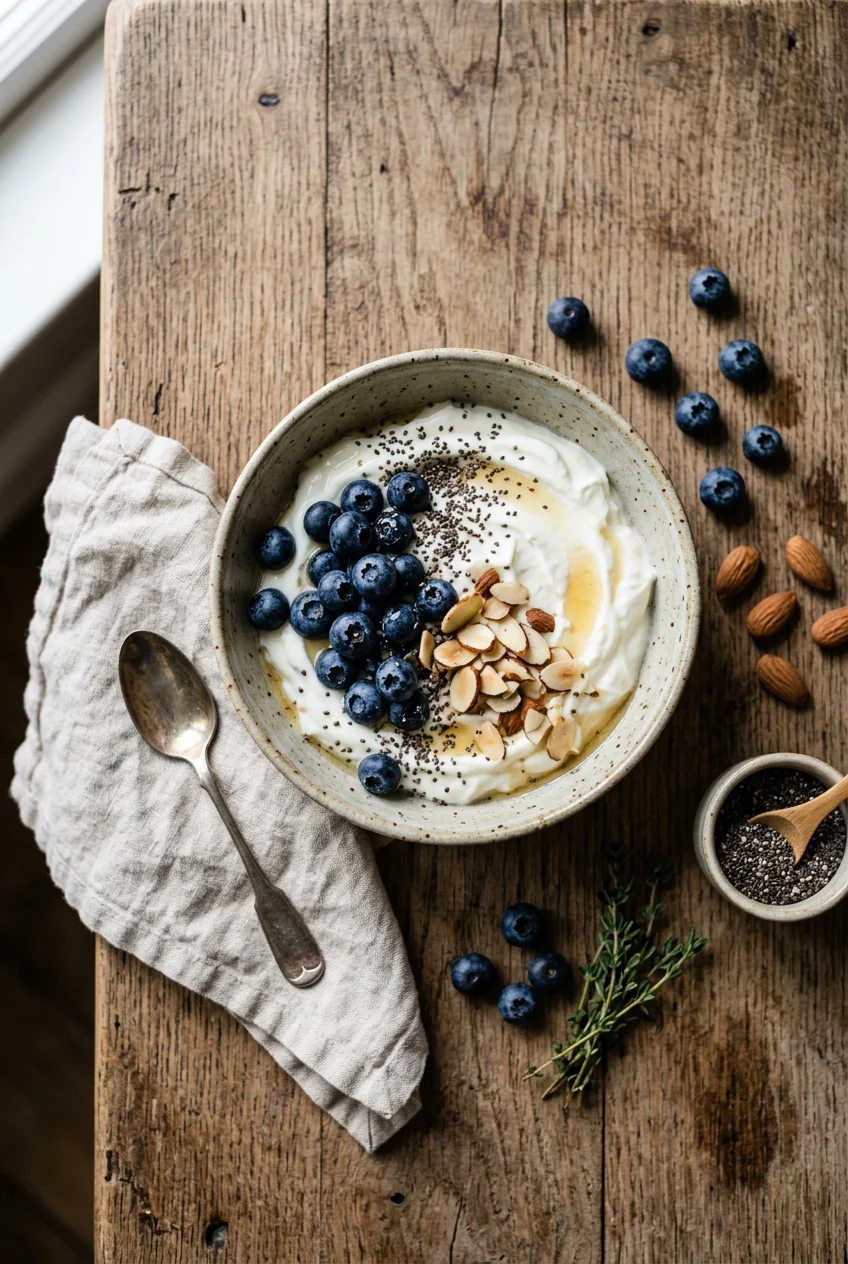
Combine 3/4 cup of the plain Greek yogurt with 1/2 cup of fresh raspberries. Raspberries pack 8 grams of fiber per cup. This combination provides both probiotics from the yogurt and prebiotics from the berries. The tartness of the yogurt cuts through the natural sweetness of the fruit perfectly. I used to buy the giant tubs to save money, but I found that water separates and pools at the top after five days. Now I just buy the 32-ounce size and finish it before it gets watery. Stirring in 1 tablespoon of raw honey adds a nice floral note if the plain yogurt is too tart for your taste buds. You might also like: 15 Creative Work Healthy Lunch Ideas You Can Try Today
5. Prebiotic Powerhouses like Oats and Chia Seeds

Oats contain beta-glucans, a specific type of soluble fiber that acts as fuel for your gut microbiome. Chia seeds are packed with both soluble and insoluble fiber. I prepare overnight oats using Bob’s Red Mill Organic Rolled Oats ($5.49 for 32 ounces) and Navitas Organics Chia Seeds ($8.99 for 8 ounces). I buy both at Whole Foods. You might also like: 10 Low Carb High Protein Meals That Actually Work
The exact ratio matters here. Combine 1/2 cup rolled oats, 1 tablespoon chia seeds, and 1 cup of unsweetened almond milk in a glass jar. Let it sit in the fridge overnight. This specific combination provides approximately 12 grams of fiber. When I first started making this, I forgot to stir the mixture five minutes after combining it. The chia seeds clumped together into a solid, gelatinous block at the bottom of the jar. It was completely inedible. Learned that the hard way. Always stir once, wait five minutes, and stir again before refrigerating. The resulting texture should be thick, creamy, and slightly chewy from the soaked oats. It’s a heavy, comforting meal for cold mornings.
6. Savory Oatmeal with Bone Broth

Sweet oatmeal gets boring after a while. Savory oatmeal cooked in bone broth provides collagen and glutamine, which are amino acids that help maintain the integrity of your intestinal lining. I use Kettle & Fire Beef Bone Broth. It costs $7.99 for a 16.2-ounce carton at Target. It has a rich, roasted marrow flavor that completely changes how you view oatmeal.
Simmer 1/2 cup of steel-cut oats in 1.5 cups of the beef bone broth for 20 minutes. Top it with 1 fried egg and 1 teaspoon of sesame oil. The yolk mixes with the broth-infused oats to create a rich, savory porridge. Steel-cut oats take longer to cook than rolled oats, so this isn’t a quick weekday meal. I tried microwaving this concoction once to save time. It exploded all over the microwave walls and took twenty minutes to scrub off. Keep this recipe strictly on the stovetop over medium-low heat. The slow simmer allows the oats to absorb the savory broth fully without turning into paste.

Floura Raspberry Rose Fruit-Forward Fiber Bars– High Fiber
Floura Raspberry Rose Fruit-Forward Fiber Bars– High Fiber punches above its price — 14 buyers rated it 4.5 stars. I would buy it again.
7. Fermented Veggie Breakfast Bowl

Eating vegetables for breakfast isn’t standard in Western diets, but it’s incredible for your digestion. Fermented vegetables provide live enzymes and beneficial bacteria. I buy Cleveland Kitchen Classic Kimchi. A 16-ounce pouch costs $5.99 at Costco. It has a sharp, spicy, garlic-heavy flavor profile with a satisfying crunch from the fermented cabbage.
I build a bowl with 1/2 cup of warm quinoa, 2 soft-boiled eggs, 1/4 cup of the kimchi, and 1/2 sliced avocado. The contrast between the cold, crunchy kimchi and the warm, soft eggs is fantastic. I brought this exact meal to my corporate office job two years ago and microwaved it in the breakroom. The fermented garlic smell lingered in the hallway for three hours. My coworkers were not thrilled. If you’re eating this at the office, don’t heat the kimchi. Add it cold after you warm up the quinoa. Heating fermented foods above 115 degrees Fahrenheit kills the beneficial bacteria anyway, defeating the purpose of eating them.
8. Sourdough Toast with Avocado

Not all bread is bad for your gut. True sourdough undergoes a long fermentation process where wild yeast and lactic acid bacteria break down the gluten and phytic acid. This makes the nutrients much easier for your body to absorb. I buy Trader Joe’s San Francisco Style Sourdough. It costs $3.49 for a 24-ounce loaf. It has a chewy crust and a distinct, tangy crumb that holds up well in the toaster.
Toast 2 slices of the sourdough until golden brown. Mash 1/2 of a medium Hass avocado directly onto the warm bread. Sprinkle with 1/4 teaspoon of coarse sea salt and a squeeze of fresh lemon juice. The crunchy crust contrasts beautifully with the creamy avocado. I used to buy cheap wheat bread that claimed to be sourdough, but it just had vinegar added for flavor. You have to read the ingredient list. If you see yeast listed instead of a sourdough starter, it won’t give you the same digestive benefits. Real sourdough takes time to ferment.
9. Green Banana Prebiotic Smoothie

Bananas change their nutritional profile as they ripen. Yellow, spotty bananas are high in simple sugars. Unripe, green bananas are packed with resistant starch. Resistant starch passes through your small intestine undigested and ferments in your large intestine, feeding good bacteria. I buy Dole green bananas at Walmart for about $0.69 per pound. You want them firm and difficult to peel.
Blend 1/2 of a peeled green banana, 1 cup of unsweetened almond milk, 1 scoop of plain whey protein, and 1 tablespoon of almond butter. The green banana adds a thick, creamy texture without the intense sweetness of a ripe banana. I once tried blending a green banana with the peel still on because I read a blog post claiming it had more nutrients. The smoothie tasted like chalk and left a terrible, astringent film on my teeth for hours. Always peel your bananas. The resistant starch inside the fruit is exactly what you need for a stable, gut-friendly morning meal.

KIND Healthy Grains Energy Bars, Pineapple Mango
If you want something that just works, KIND Healthy Grains Energy Bars is a safe bet (287 reviews, 4.5 stars).
10. Chia Seed Pudding with Full Fat Coconut Milk

Chia pudding is a fantastic make-ahead option that provides massive amounts of soluble fiber. Soluble fiber absorbs water and forms a gel-like substance in your digestive tract, helping to sweep waste out efficiently. I use Thai Kitchen Unsweetened Coconut Milk. A 13.66-ounce can costs $3.19 at Kroger. You must use the canned, full-fat version. The carton coconut milk is too watered down and won’t set properly.
Whisk together 3 tablespoons of chia seeds, 1/2 cup of canned coconut milk, 1/2 cup of water, and 1/2 teaspoon of vanilla extract. Leave it in the fridge overnight. The next morning, it will look like tapioca pudding. The high fat content of the coconut milk keeps you full, while the chia seeds do the digestive work. The canned milk often separates into a hard white cream at the top and clear water at the bottom. You have to dump the whole can into a bowl and whisk it vigorously until smooth before measuring out your half cup. If you skip this step, your pudding will have unpleasant, greasy lumps of coconut fat floating in it.
11. Sweet Potato Hash with Sauerkraut

Sweet potatoes are rich in soluble fiber and antioxidants. Pairing them with a raw, unpasteurized sauerkraut creates a perfect prebiotic and probiotic combination. I buy Bubbies Sauerkraut. It costs $7.99 for a 25-ounce glass jar at Whole Foods. Bubbies is naturally fermented in salt water brine, not vinegar, which is essential for the probiotic content.
Dice 1 medium sweet potato into 1/2-inch cubes. Sauté them in 1 tablespoon of olive oil in a hot cast iron skillet for 15 minutes until the edges get crispy and caramelized. Transfer the hot potatoes to a plate and top with 1/4 cup of cold Bubbies sauerkraut. The sharp, acidic brine of the kraut cuts right through the heavy sweetness of the potatoes. I made the mistake of tossing the sauerkraut directly into the hot skillet to warm it up. The heat instantly killed all the live cultures and made the cabbage soggy and sad. Always serve the fermented cabbage cold over the warm root vegetables.
12. Traditional Miso Soup

Miso is a traditional Japanese paste made from fermented soybeans. It is loaded with Aspergillus oryzae, a probiotic strain that aids in digestion. I keep a tub of Hikari Organic Miso Paste in my fridge. It costs $6.49 for a 17.6-ounce tub at Sprouts. It has an incredibly deep, salty, umami flavor that feels deeply nourishing first thing in the morning.
Heat 1.5 cups of water until warm, but not boiling. Place 1 tablespoon of the miso paste into a small bowl. Add a splash of the warm water and whisk it with a fork until it forms a smooth slurry. Then pour the slurry back into the mug of warm water. Add 1/4 cup of cubed silken tofu and 1 tablespoon of chopped green onions. If you drop the thick paste directly into a mug of water, it won’t dissolve. You’ll end up drinking salty water and swallowing a massive, concentrated lump of miso paste at the bottom. The slurry step takes ten seconds and prevents this. It’s a light, hydrating, and gut-soothing way to start the day.
Fixing your digestion doesn’t happen overnight. It requires consistent daily choices. I’d recommend starting with just one of these meals this week. Buy the specific brands I mentioned, pay attention to the exact temperatures, and see how your stomach feels after a few days. Pin this list so you don’t lose the exact measurements when you’re standing in the grocery store aisle trying to remember which yogurt to buy.

Downshiftology Healthy Meal Prep: 100+ Make-Ahead Recipes
If you want something that just works, Downshiftology Healthy Meal Prep: 100+ Make-Ahead Recipes and Quick-As is a safe bet.
Frequently Asked Questions
What is the best yogurt for a gut healthy breakfast?
Look for plain, unsweetened Greek yogurt or Icelandic Skyr with live and active cultures. Brands like Fage Total or Siggi’s are excellent choices. Avoid fruit-flavored yogurts, which often contain 14 to 18 grams of added sugar that can disrupt your microbiome.
Can I heat up probiotic foods like sauerkraut or kimchi?
No. Heating fermented foods above 115 degrees Fahrenheit kills the beneficial probiotic bacteria. Always add cold sauerkraut or kimchi to your meals after they have been cooked and removed from the heat source to preserve the live cultures.
Why is kefir better than yogurt for gut health?
Kefir typically contains 10 to 12 distinct strains of beneficial bacteria and yeast, offering much greater microbial diversity than traditional yogurt, which usually only contains two to eight strains. This diversity makes it highly effective for populating the gut.
What are prebiotics and why do I need them for breakfast?
Prebiotics are specific types of dietary fiber, like beta-glucans in oats or resistant starch in green bananas, that feed the good bacteria in your gut. Without prebiotics, the probiotics you consume won’t have the fuel they need to survive and multiply.
