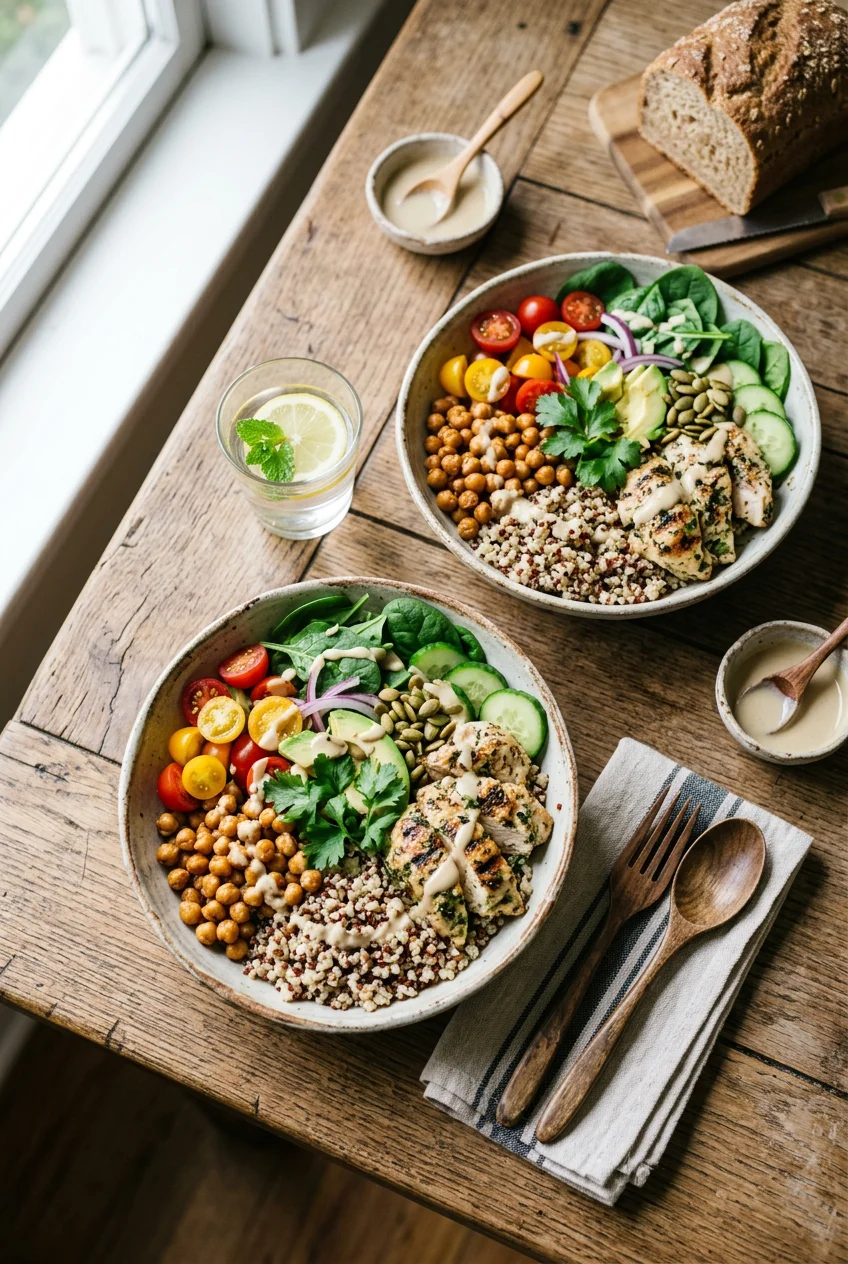
What’s Inside
- The Lentil and Brown Rice Power Bowl
- Chia Seed Pudding with a Greek Yogurt Anchor
- High Fiber High Protein Meals: Edamame and Soba Noodle Salad
- The Lean Chicken Breast and Quinoa Skillet
- Air-Popped Popcorn and Roasted Fava Bean Snack Plate
- Wild Caught Salmon with Skin-On Roasted Potatoes
- High Fiber High Protein Meals: Sorghum and Flaked Tuna Bowl
- The Prebiotic Oat and Flaxseed Protein Pancake
- The Hydration Rule You Simply Can’t Ignore
- My Final Take on Strategic Protein Timing
Last Tuesday at Whole Foods, I had to sit down on a pallet of sparkling water because my blood sugar crashed. I thought my breakfast was healthy, but skipping high-fiber, high-protein meals is a mistake I won’t make twice. My cart was full of expensive organic greens, but my stomach was growling loud enough for the cashier to hear. I used to think a simple protein shake was enough to get me through the morning. It’s not. You need the roughage to anchor it. I’ve spent years figuring out how to balance my plate, and honestly, the fat-free, low-fiber diet trend was the worst thing to happen to my digestion. Skip the fat-free stuff. It tastes like wet cardboard. Trust me.
I’m sharing my exact grocery list, prices, and recipes. I want to show you how I eat to stay full, keep my digestion perfect, and avoid passing out in the produce aisle. When I started eating clean, I’d constantly fall for marketing tricks on packaging. I’d buy protein bars that claimed to be healthy but had zero grams of fiber and tasted like chalk. I’m done with that. Let’s get into the specific, real-food details of what actually works to keep you satisfied for hours.
1. The Lentil and Brown Rice Power Bowl

I swear by lentils. I tried cooking dried beans from scratch for months before figuring out that lentils are faster and don’t need overnight soaking. Just 1 cup of cooked lentils provides about 18 grams of protein and 15 grams of fiber. That’s a massive amount of nutrition for pennies. I buy organic green lentils in bulk. Specifically, I get the Food to Live brand. You can buy 5 lbs for around $32.43 ($6.49 per pound). I usually pick them up online, but I also grab smaller bags at Sprouts when I’m in a pinch. A common mistake is eating lentils on their own. If you combine lentils with a whole grain like brown rice, you create a complete protein source. You’re getting all the essential amino acids, just like you’d get from a piece of meat.
I cook 1 cup of lentils and mix it with 1/2 cup of short-grain brown rice. I add 2 tablespoons of olive oil, a pinch of sea salt, and half a squeezed lemon. The earthy, nutty smell of the lentils mixed with the bright citrus is incredible. The texture is chewy and deeply satisfying. This changed how I prep my lunches. I won’t ever go back to sad desk salads. You can prep a huge batch on Sunday, and it stays fresh in the fridge until Thursday. I’ve noticed my afternoon cravings disappear when I eat this bowl at noon.
2. Chia Seed Pudding with a Greek Yogurt Anchor

I’ve a really embarrassing story about chia seeds. Last year, I tried to eat a spoonful of dry chia seeds and wash it down with water while rushing out the door. I choked so hard I ended up spitting them all over my kitchen counter. Learned that the hard way. Don’t do this. Chia seeds need liquid to expand. When you add 2 tablespoons of chia seeds to your morning smoothie or yogurt, you get a huge boost. This tiny serving gives you about 4 grams of protein and 11 grams of fiber. I buy the Navitas Organics chia seeds. A 12-ounce bag costs $9.99 at Target. Each 1-tablespoon serving is only about 40 cents. It’s a tiny investment for a massive payoff.
I mix my 2 tablespoons of chia seeds into 1 cup of Fage Total 2% Greek Yogurt. The yogurt costs $6.99 for a 32-ounce tub. The thick, creamy texture softens the chia seeds overnight. By morning, it’s thick, rich, and slightly crunchy. I add 1/2 cup of fresh raspberries for more fiber. This is one of my favorite high-fiber, high-protein meals because it takes two minutes to make. You won’t feel hungry until well past lunch. The cold, tart yogurt mixed with the sweet berries and crunchy seeds hits every craving. I’d recommend making three of these in glass jars on Sunday night.
3. High Fiber High Protein Meals: Edamame and Soba Noodle Salad

Edamame is incredible for snacking, but it’s even better in a meal. I opt for a cup of steamed edamame as a base for my favorite cold noodle salad. It delivers roughly 18 grams of protein and 8 grams of fiber. It’s a complete protein, containing all nine essential amino acids. I buy Seapoint Farms frozen edamame. It costs $2.99 for a 12-ounce bag at Kroger. I keep three bags in my freezer at all times. A huge mistake I made early on was overcooking my soba noodles. I tried making this for a date night, and I boiled the noodles for ten minutes. They turned into a gray, mushy paste. Soba noodles only need four minutes of boiling.
I use Hakubaku organic soba noodles, which run about $3.49 for a 9.5-ounce pack. I toss 2 ounces of cooked, cold soba noodles with 1 cup of steamed shelled edamame, 1 tablespoon of sesame oil, and 1 tablespoon of liquid aminos. The nutty smell of the sesame oil combined with the fresh, bright green edamame is pure perfection. The noodles have a satisfying bite, and the edamame pops in your mouth. This meal is refreshing on a hot summer day. I’ve eaten this sitting on my back porch a dozen times this month. It’s fast, cheap, and keeps my stomach flat. You might also like: 20 Clever Healthy Snack Ideas That Make a Real Difference
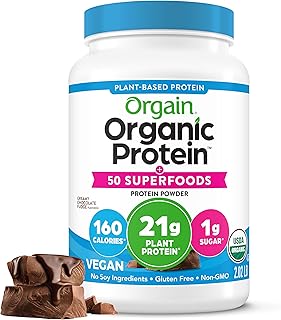
Orgain Organic Vegan Protein + 50 Superfoods Powder
Orgain Organic Vegan Protein + 50 Superfoods Powder has been one of the most consistently praised picks in this category. 95 reviewers averaged 4.5/5.
4. The Lean Chicken Breast and Quinoa Skillet

When incorporating animal protein, choose lean options like chicken breast. A 4-ounce serving of cooked chicken breast provides around 26 to 34 grams of protein. I used to buy the cheapest chicken I could find, but it always tasted like rubber and leaked water into my pan. Now, I only buy Bell & Evans organic chicken breasts. They cost about $8.99 per pound at Whole Foods. Yes, it’s more expensive, but the texture is tender and it actually tastes like chicken. I pan-sear 4 ounces of chicken breast in 1 tablespoon of avocado oil until it’s golden brown and crispy. You might also like: 20 Lovely Kids Healthy Snack Ideas You Haven’t Thought Of
To get the fiber, I pair the chicken with quinoa. Quinoa is a seed that acts like a grain, and it’s packed with nutrients. I use Lundberg organic quinoa, which is $6.49 for a 16-ounce bag. I cook 1/2 cup of quinoa and toss it right into the skillet with the chicken juices. I add 1 cup of chopped spinach and let it wilt down. The spinach adds a beautiful green color and extra roughage. The savory, salty chicken paired with the fluffy, nutty quinoa is a comfort food classic. I’ve served this to friends who claim they hate healthy food, and they always ask for the recipe. It’s simple, clean, and filling. You might also like: 20 Lovely Healthy High Protein Low Calorie Dinner Ideas Worth Trying This Year
5. Air-Popped Popcorn and Roasted Fava Bean Snack Plate

Sometimes you don’t want a heavy dinner. Sometimes you just want a snack plate that functions as a meal. This is where popcorn comes in. Popcorn is a surprising fiber source. I enjoy air-popped popcorn as a high-fiber base for a snack plate. A four-cup serving delivers 5 grams of fiber, making it a healthy option. I buy Bob’s Red Mill white popcorn kernels. A 27-ounce bag is $4.39 at Walmart. I pop it on the stove with 1 tablespoon of coconut oil. The smell fills the house and makes me feel cozy.
To add the protein, I look for novel plant-based proteins. Right now, I’m obsessed with fava beans. They are gaining traction for their nutritional value. I buy Bada Bean Bada Boom roasted fava beans. A 4.5-ounce bag is $4.99. I pour 1/2 cup of the roasted fava beans over my 4 cups of popcorn. The fava beans add about 14 grams of protein and an intense, satisfying crunch. I sprinkle the whole bowl with nutritional yeast and a dash of cayenne pepper. The cheesy, spicy flavor mixed with the airy popcorn and crunchy beans is addictive. I’ve eaten this entire plate while watching Netflix on a Friday night, and I wake up feeling light and energized, not bloated and sluggish.
6. Wild Caught Salmon with Skin-On Roasted Potatoes

Salmon is a staple in my kitchen. A 4-ounce serving of salmon offers approximately 23 to 25 grams of protein and beneficial omega-3 fatty acids. I buy Trader Joe’s frozen wild Alaskan sockeye salmon fillets. They cost $11.99 for a 16-ounce bag. The deep red color of the sockeye salmon is beautiful, and it flakes perfectly when baked. I roast my 4-ounce fillet at 400 degrees for twelve minutes. A huge mistake people make with fiber is peeling their vegetables. When preparing vegetables like potatoes or cucumbers, leave the skin on after washing them thoroughly. The skin contains a massive amount of fiber.
I take 1 cup of baby yellow potatoes, leave the skins intact, and toss them with 1 tablespoon of olive oil and fresh rosemary. I roast them alongside the salmon. I also throw in 1 cup of fresh asparagus. Asparagus is rich in prebiotic fibers, which fuel beneficial gut bacteria. The smell of the roasting rosemary and the savory salmon is mouthwatering. The potatoes get crispy on the outside and buttery soft on the inside. The asparagus gets those perfect charred tips. This is one of those high-fiber, high-protein meals that feels like you’re eating at a fancy restaurant, but it costs less than five dollars a serving to make at home.

Optimum Nutrition Gold Standard 100% Whey Protein Powder
Optimum Nutrition Gold Standard 100% Whey Protein Powder punches above its price — 109 buyers rated it 4.5 stars. I would buy it again.
7. High Fiber High Protein Meals: Sorghum and Flaked Tuna Bowl

Most people stick to brown rice or quinoa, but you should choose whole grains over refined grains. I recently discovered sorghum, and I’m obsessed. Sorghum provides 6 to 7 grams of fiber per serving. It can be boiled, popped, or baked. I buy Bob’s Red Mill Sorghum, which costs $3.89 for a 24-ounce bag. I boil 1/2 cup of sorghum in vegetable broth until it’s tender but still has a distinct, chewy pop. It takes fifty minutes to cook, so I always make a big batch on weekends. The texture is similar to Israeli couscous, but it’s gluten-free and packed with roughage.
For the protein, I keep it simple. I use Wild Planet albacore tuna. I buy it in bulk at Costco, where it’s $14.99 for a pack of three 5-ounce cans (roughly $4.99 a can). I mix one 5-ounce can of tuna directly into the warm sorghum. I add 1 tablespoon of Dijon mustard, 1/4 cup of diced celery for crunch, and a heavy pinch of black pepper. The sharp, tangy mustard cuts through the richness of the tuna, and the chewy sorghum makes every bite interesting. I’ve packed this in my cooler for beach days, and it holds up perfectly. It won’t get soggy, and it keeps you full through hours of swimming in the sun.
8. The Prebiotic Oat and Flaxseed Protein Pancake

You need to prioritize foods rich in prebiotic fibers. Oats are my favorite source. I make a massive, single-serving protein pancake using oats and flaxseed. I buy Bob’s Red Mill rolled oats, which cost $5.49 for a 32-ounce bag. I also use Spectrum ground flaxseed, which is $6.99 for a 14-ounce bag. I blend 1/2 cup of rolled oats, 2 tablespoons of ground flaxseed, 1 scoop of Orgain vanilla protein powder, 1 egg, and 1/4 cup of almond milk in my blender. The batter gets thick and smells like sweet vanilla cake.
I pour the mixture into a hot skillet greased with coconut oil. It cooks into one giant, thick pancake. The edges get crispy and caramelized, while the center stays soft and fluffy. I top it with 1 tablespoon of almond butter. This meal packs about 35 grams of protein and 12 grams of fiber. Dietitians suggest spreading your protein intake throughout the day, aiming for 30 to 40 grams per meal, to optimize muscle growth and satiety. This pancake hits those macros perfectly. I’ve eaten this after a heavy morning workout, and my muscles feel recovered. It’s sweet, dense, and feels like a cheat meal, but it’s clean.
The Hydration Rule You Simply Can’t Ignore

I’ve to share a painful lesson I learned the hard way. When you start eating high-fiber, high-protein meals, you must boost your water intake. Fiber works best when it absorbs water. This helps prevent constipation and aids in smooth digestion. A few years ago, I decided to aggressively increase my fiber intake overnight. I ate a huge bowl of bran cereal, two apples, and a massive lentil salad all in one day. I barely drank any water. By 6 PM, I looked like I was six months pregnant. The bloating was excruciating. I had to lay on my living room floor in the fetal position.
Don’t overdo fiber right out of the gate. The recommended daily fiber intake for adults is 25 to 38 grams. Consuming more than 70 grams of fiber daily can lead to adverse effects like stomach cramps and gas. It can even interfere with the absorption of essential minerals like calcium, zinc, and iron. Now, I always carry a 1-liter bottle of Smartwater ($2.19 at any gas station) and make sure I finish at least three of them a day. When you hydrate properly, the fiber acts like a gentle broom for your digestive system. If you skip the water, it acts like a concrete roadblock. I can’t stress this enough. Drink the water.
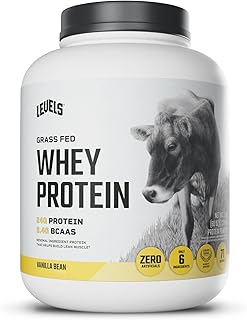
Levels Grass Fed Whey Protein Powder, No Artificials
If you want something that just works, Levels Grass Fed Whey Protein Powder is a safe bet (65 reviews, 4.5 stars).
My Final Take on Strategic Protein Timing

I always choose brands that emphasize minimal processing and clear labeling. But buying the right food isn’t enough. You have to time it right. Strategic protein timing is essential. You can’t just eat 80 grams of protein at dinner and expect your body to use it efficiently. Your body needs a steady supply of amino acids throughout the day. I aim for 30 to 40 grams of protein per meal. If I’m eating three meals a day, that puts me right around 100 to 120 grams of protein daily.
I’ve noticed a shift in my energy levels since I started doing this. I used to eat a tiny bowl of fruit for breakfast and then gorge on a huge steak at night. I felt weak all morning and overly stuffed at bedtime. Now, I balance it out. Every single meal I’ve listed is designed to hit that sweet spot of high protein and high fiber. I’m telling you, this combination is the secret to getting lean and staying sane. You won’t feel restricted. You won’t feel starved. I’d love for you to try just one of these meals tomorrow. Pick the lentil bowl or the chia pudding. Go to the store, buy the exact brands I mentioned, and see how your body reacts. I promise you’ll feel the difference.
Frequently Asked Questions
Why should I combine fiber and protein in one meal?
Combining fiber and protein slows down your digestion, stabilizing your blood sugar levels. This combination keeps you feeling full for hours, prevents energy crashes, and provides your body with a steady stream of amino acids for muscle recovery.
How much fiber should I aim for daily?
The recommended daily fiber intake for adults is 25 to 38 grams. However, you should increase your fiber intake gradually over several weeks and drink plenty of water to avoid uncomfortable bloating and gas.
Can I eat too much fiber?
Yes. Consuming more than 70 grams of fiber daily can lead to severe bloating, stomach cramps, and gas. It can also interfere with your body’s ability to absorb essential minerals like calcium, zinc, and iron.
What is a complete plant-based protein?
A complete plant-based protein contains all nine essential amino acids your body needs. Edamame and quinoa are naturally complete. You can also create a complete protein by combining legumes, like lentils, with a whole grain, like brown rice.
