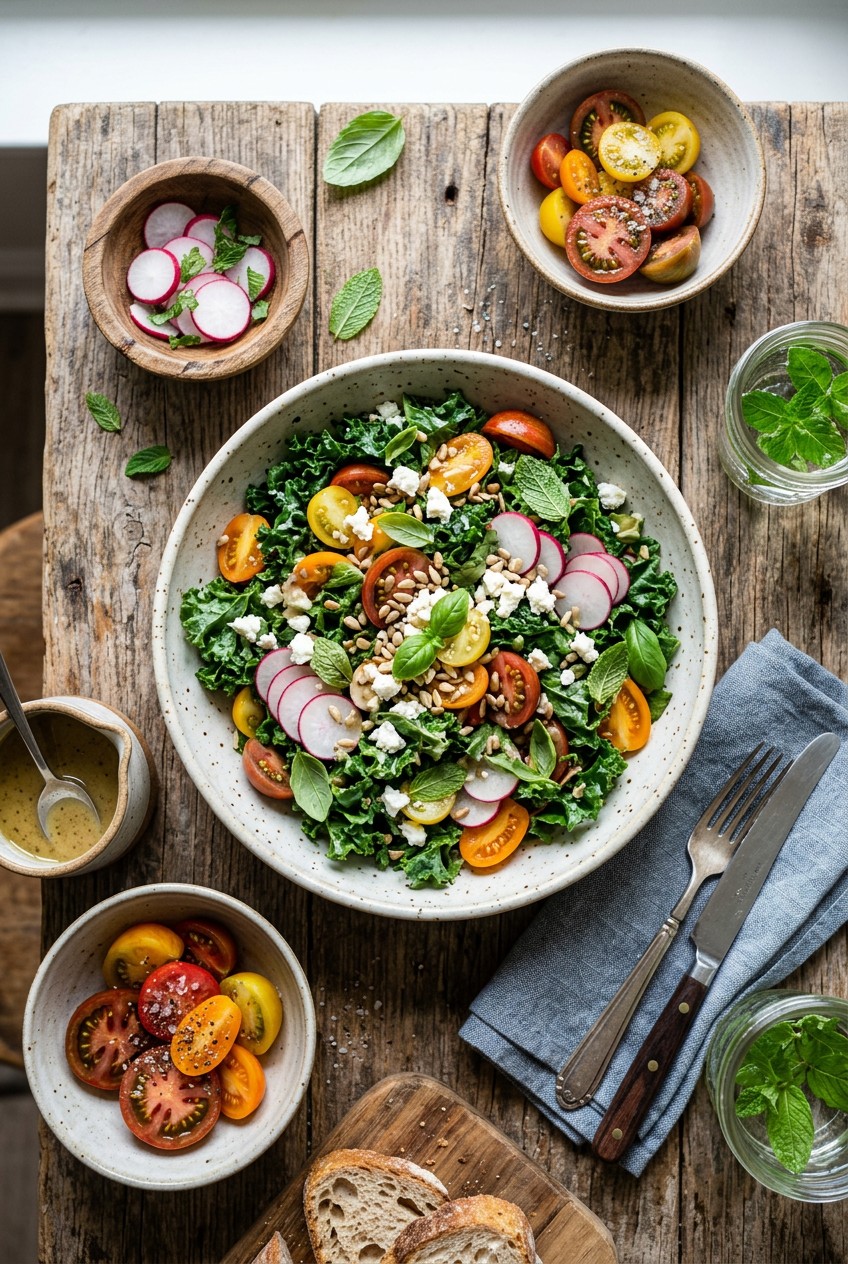
What’s Inside
- Diversify Your Greens Beyond Basic Lettuce
- The Secret to Better Cold Salad Recipes Is Homemade Dressing
- Incorporate Probiotic Powerhouses for Gut Health
- Never Skimp on Lean Protein for Satiety
- Add Healthy Fats for Optimal Nutrient Absorption
- The Best Cold Salad Recipes Need Complex Carbohydrates
- The Crucial Crunch Element with Seeds
- Add a Sweet Contrast with Fresh or Dried Fruit
- The Right Way to Add Cheese for Flavor
- The Mason Jar Stacking Method for Storage
Last Tuesday at Whole Foods, I caught my reflection in the deli glass while holding a $14 clamshell of wilted, sad-looking iceberg lettuce that smelled faintly of old plastic. I realized right then that my meal prep routine was a total failure. If you want actually good cold salad recipes, you’ve got to stop relying on the grocery store deli counter. I’m officially done with buying overpriced, soggy greens that taste like wet cardboard. Let’s be honest with ourselves. Most of us throw some limp, unseasoned vegetables into a plastic container, drench it in bottled ranch, and wonder why we’re starving and miserable by 2 PM. I tried this wrong for months before figuring it out. Learned that the hard way. I used to pack these pathetic little containers of dry spinach and plain boiled chicken breast. By Wednesday, the chicken tasted like a shoe, and the spinach was a slimy, dark green mess. I’d end up throwing it in the trash and buying a heavy, greasy burrito from the food truck outside my office building. You can’t just toss random, wet vegetables together and expect a miracle. You need a reliable system. You need textures that hold up in the cold, humid environment of a refrigerator. You need bright, acidic flavors that actually make you excited to open your lunchbox at your desk. I’m going to show you exactly how I build my lunches now. These aren’t just tiny side dishes. They’re full, heavy, satisfying meals that’ll keep you full for hours.
1. Diversify Your Greens Beyond Basic Lettuce

When you’re building the base of your meal, you can’t just rely on plain, watery iceberg lettuce. A popular wellness enthusiast named Danielle recently pointed out that iceberg essentially has negative nutritional value. I completely agree with her on this. It’s just crunchy water with zero flavor. Skip the pale, water-logged lettuce entirely. You need a vibrant mix of nutrient-dense greens to build a proper foundation. I personally swear by mixing 1 cup of organic spinach with 1 cup of spicy, peppery arugula. Sometimes I add chopped romaine for that essential, loud crunch. You can get a massive 16 oz tub of Trader Joe’s Organic Girl Supergreens for exactly $4.99. It’s the perfect blend of soft and crisp textures. But here’s a huge mistake I made early on. I tried using raw, unmassaged curly kale in my meal prep. Last month, I sat at my desk chewing on a piece of dry, fibrous kale for what felt like ten minutes. It was exactly like eating a tree branch. If you’re going to use kale, you’ve got to massage it first with a tiny drop of olive oil until it softens and turns a bright, glossy green. The texture completely changes from stiff and rough to silky and tender. A good mix of greens gives you a broader spectrum of vitamins and minerals. It also holds up much better in the fridge over a few days. The arugula adds a sharp bite that cuts through heavy dressings, while the spinach provides a soft, buttery texture.
2. The Secret to Better Cold Salad Recipes Is Homemade Dressing

Ditch the store-bought light dressings immediately. They’re usually loaded with excessive sodium, hidden processed sugars, and weird chemical preservatives that make them shelf-stable for a decade. I’m telling you, they taste like chemical sludge. Trust me on this. Instead, you need to craft your own vinaigrette from scratch. It takes exactly two minutes to whisk together. A simple, healthy vinaigrette needs a strict ratio of 3 parts high-quality extra virgin olive oil to 1 part raw, unfiltered apple cider vinegar. I always buy California Olive Ranch EVOO. It costs $12.99 for a 16.9 oz bottle at Target, and it has a beautiful, grassy, slightly peppery flavor. For the vinegar, I use Bragg Organic Raw Unfiltered Apple Cider Vinegar, which runs about $6.49 for a 16 oz glass bottle at Sprouts. To make it emulsify (so the oil and vinegar don’t separate into a gross, greasy puddle at the bottom of your bowl), add exactly 1 teaspoon of sharp Dijon mustard and a tiny drizzle of raw honey. Jamie Allers, MS, RD, emphasizes that homemade dressings allow you to control exactly what you use. I’ve ruined so many lunches by drowning them in cheap, bottled ranch that separated in the fridge overnight. When you whisk this homemade dressing together, it turns into a thick, glossy, golden liquid that smells incredibly bright and tangy. You won’t ever go back to the bottled stuff once you taste this.
3. Incorporate Probiotic Powerhouses for Gut Health

If you aren’t adding fermented foods to your lunches, you’re missing out on a massive flavor upgrade. Boosting your gut health with fermented ingredients is a huge trend right now, but it also just tastes incredible. I like to include 1/4 to 1/2 cup of chopped sauerkraut or spicy, bright red kimchi in almost every bowl I make. My absolute favorite brand is Wildbrine Organic Sauerkraut. You can grab an 18 oz jar for $7.49 at Whole Foods. It has this sharp, salty, intensely crunchy bite that wakes up all the other mild ingredients. Expert opinion constantly highlights that probiotics support digestion, immune resilience, and a healthier gut-brain connection. But let me warn you about a very messy mistake I made. Last Thursday, I packed a huge scoop of kimchi in my lunch container without draining the juice first. By lunchtime, that red, heavily garlicky liquid had leaked out of the plastic container and completely stained my favorite white canvas tote bag. It smelled like fermented cabbage inside my car for three long days. Always drain your fermented veggies slightly before packing them. If you don’t like the intense sourness of sauerkraut, you can add a thick dollop of plain, unsweetened kefir. I buy Lifeway Lowfat Plain Kefir ($4.29 for 32 oz at Kroger). It acts like a tangy, creamy dressing base that coats the greens beautifully.

The Skinnytaste Air Fryer Cookbook: The 75 Best Healthy
Honestly, The Skinnytaste Air Fryer Cookbook: The 75 Best Healthy Recipes for Yo surprised me — sturdier than it looks in the photos, and over 126 buyers gave it 4.5 stars.
4. Never Skimp on Lean Protein for Satiety

A common mistake most people make is not adding nearly enough protein to their bowls. You eat a giant mountain of raw vegetables, feel uncomfortably stuffed for twenty minutes, and then you’re starving and hunting for sugary snacks by 2 PM. I’ve done this so many times. I used to pack just cucumbers, tomatoes, and plain lettuce. My stomach would be loudly growling during my quiet afternoon meetings. It was incredibly embarrassing. To ensure your lunch is a complete, genuinely satisfying meal, you’ve got to include a solid lean protein source. Aim for exactly 3 ounces of lean meat or seafood. Grilled, seasoned chicken breast is a classic, but I honestly love using canned wild salmon for pure convenience. I buy the Costco Kirkland Signature Canned Wild Salmon. It’s $19.99 for a heavy 6-pack of 6 oz cans. It flakes beautifully with a fork and absorbs the Dijon vinaigrette perfectly. If you eat strictly plant-based, measure out exactly 1/2 cup of cooked green lentils, roasted chickpeas, or extra-firm tofu. Lentils are incredibly cheap and have a great, dense, earthy flavor. Just be careful with canned tuna in shared spaces. I once opened a can of tuna in my tiny, unventilated office breakroom. My coworkers weren’t thrilled with the overwhelming fishy smell that lingered for hours. If you bring seafood, make sure it’s mixed well with your acidic dressing to mute the intense odor. You might also like: 15 Clever Aesthetic Healthy Lunch Ideas to Inspire Your Next Project
5. Add Healthy Fats for Optimal Nutrient Absorption

You can’t just eat raw vegetables and expect your body to magically absorb all the nutrients. Healthy fats are absolutely crucial for absorbing fat-soluble vitamins like A, D, E, and K from your dark leafy greens. Plus, fat makes your food taste rich, heavy, and deeply satisfying. I always incorporate 1/4 to 1/2 of a fresh, creamy avocado into my bowls. The soft texture contrasts perfectly with the loud, crunchy greens. I also add exactly 1 tablespoon of raw or dry-roasted nuts. Walnuts and almonds are my absolute go-to choices. I pick up the Simple Truth Dry Roasted Almonds at Kroger for $6.99 (16 oz bag). They have a deep, toasted smell and a loud snap when you bite into them. Here’s a vital pro tip from wellness enthusiast Danielle. You really need to use a digital food scale for accurate portions of calorie-dense additions like nuts and cheese. I used to just grab huge, careless handfuls of almonds and dump them in. I couldn’t figure out why my supposedly healthy lunches were making me feel sluggish, heavy, and bloated. It turns out I was accidentally adding about six hundred calories of nuts to a single bowl. Measure your fats carefully. Also, if you’re using fresh avocado, squeeze a little fresh lemon juice over the green slices. I forgot to do this once, and when I opened my container the next day, the avocado had oxidized and turned a terrifying, slimy brown color that looked exactly like mud. You might also like: 15 Clever Kids Healthy Breakfast Ideas for a Fresh New Look
6. The Best Cold Salad Recipes Need Complex Carbohydrates

If you want sustained, steady energy throughout your workday, you absolutely must include complex carbohydrates. This is another area where people fail miserably. They try to go entirely low-carb, and they end up exhausted, cranky, and staring blankly at their computer screens. I need real carbs to function. To prevent that awful post-lunch energy crash, add a small, measured portion of nutrient-rich whole-food carbohydrates. I measure out exactly 1/3 to 1/2 cup of cooked and chilled quinoa, chewy farro, brown rice, or cubed roasted sweet potato. Quinoa is my absolute favorite because of its light, fluffy texture and tiny little tails. I buy the Great Value Organic Quinoa at Walmart for just $3.98 (16 oz bag). It has a slightly nutty, warm smell when it boils on the stove. You’ve got to rinse quinoa in a fine mesh sieve before you cook it. I skipped this crucial step once because I was feeling lazy on a Sunday afternoon. The unrinsed quinoa had this awful, bitter, soapy taste that completely ruined my entire batch of meal prep. I had to throw four days of expensive food straight into the garbage. When you cook grains for meal prep, make sure you let them cool completely on a flat baking sheet before putting them in your plastic containers. If you pack them while they’re still warm, the hot steam will condense inside the plastic lid. That moisture drips down and turns your crispy greens into a hot, soggy, wilted nightmare. You might also like: 15 Beautiful Wonyoungism Healthy Breakfast Ideas That Make a Real Difference

Taste of Home Light & Easy Weeknight Cooking: 307 Healthy
A dependable everyday pick — Taste of Home Light & Easy Weeknight Cooking: 307 Healthy Recipes for . Not flashy, just solid.
7. The Crucial Crunch Element with Seeds

Texture is everything when you’re eating out of a plastic container at your desk. If everything in your bowl is soft, mushy, and wet, you’re going to get incredibly bored after exactly three bites. You need a loud, aggressive crunch to keep things interesting and satisfying. I rely heavily on seeds for this specific purpose. I add exactly 2 tablespoons of roasted pumpkin seeds (pepitas) or shelled sunflower seeds to the very top of my meal. I buy the Trader Joe’s Roasted and Salted Pepitas for $2.99 (8 oz bag). They are heavily salted, slightly buttery, and have a dense, satisfying snap to them. I used to try using store-bought garlic croutons for crunch. That was a terrible, terrible idea. By the second day sitting in the fridge, the dry croutons absorbed all the ambient moisture from the cherry tomatoes and turned into spongy, wet lumps of cold bread. It was a complete textural nightmare. Seeds, on the other hand, hold their firm crunch for days, even in a highly humid fridge environment. Sometimes I like to toast raw sunflower seeds in a dry, hot skillet for about three minutes until they start popping and smelling exactly like fresh popcorn. It adds a deep, roasted flavor profile that makes the whole bowl feel like it came from a fancy, overpriced cafe instead of my cramped apartment kitchen. Don’t skip the crunch. It’s the ultimate secret weapon for avoiding weekly meal prep fatigue.
8. Add a Sweet Contrast with Fresh or Dried Fruit

Every great dish needs a proper balance of competing flavors. You have the salty cheese, the bitter dark greens, the highly acidic dressing, and the savory, heavy protein. You need a bright pop of sweetness to tie it all together and wake up your palate. I always add exactly 1/4 cup of fresh fruit or 2 tablespoons of dried fruit. Fresh, plump blueberries, diced crisp honeycrisp apples, or thinly sliced strawberries work beautifully. When fresh fruit is out of season or too expensive, I use dried cranberries instead. I grab the Sprouts brand Dried Cranberries sweetened with apple juice for $4.99 (8 oz bag). They are intensely tart, chewy, and slightly sticky on your fingers. I learned a hard, disgusting lesson about mixing fruits, though. Last summer, I diced up a very ripe, heavily juicy peach and mixed it directly into my greens on a Sunday night. By Tuesday afternoon, the acidic peach juices had completely broken down the delicate spinach leaves. The whole container smelled faintly like fermented fruit garbage and looked like a swamp. If you’re using highly juicy fruits like peaches, citrus segments, or fresh watermelon, you must pack them in a separate, tiny container and dump them in right before eating. Firmer fruits like apples or dried berries can sit safely in the main container for days without causing structural damage to your greens.
9. The Right Way to Add Cheese for Flavor

Cheese makes absolutely everything better, but you’ve got to use the right kind and the right amount. You don’t need a massive, heavy pile of shredded yellow cheddar to make your lunch taste good. In fact, heavy, oily cheeses can weigh the meal down and make you feel sluggish. I highly prefer crumbly, intensely pungent cheeses where a little goes a very long way. I use exactly 1 to 2 tablespoons of crumbled feta, sharp white goat cheese, or shaved hard parmesan. My weekly staple is the Whole Foods 365 Organic Crumbled Feta. It costs $4.49 for a 4 oz plastic tub. It has a dry, powdery texture and a sharp, salty bite that cuts through the rich olive oil perfectly. I used to make the massive mistake of dumping half a bag of pre-shredded Mexican blend cheese onto my greens. The pre-shredded stuff is heavily coated in anti-caking powder (usually potato starch), so it feels chalky and gritty on your tongue when eaten cold. It just clumped together in a cold, greasy, unappetizing mass. Stick to high-quality, strong-flavored block cheeses or fresh crumbles. The tiny feta crumbles distribute evenly throughout the bowl, so you get a tiny, salty hit in almost every single bite. If you’re completely dairy-free, you can use a cashew-based cheese alternative, but honestly, just a heavy sprinkle of savory nutritional yeast can give you that deep, cheesy flavor without any dairy at all.

Ultimate Air Fryer Perfection: 185 Remarkable Recipes That
A dependable everyday pick — Ultimate Air Fryer Perfection: 185 Remarkable Recipes That Make the Mo. Not flashy, just solid.
10. The Mason Jar Stacking Method for Storage

You can have the best, most expensive ingredients in the world, but if you store them wrong, your lunch will be completely ruined by Tuesday. The absolute best way to pack these meals is the glass mason jar stacking method. I use the Ball Wide Mouth Quart Mason Jars. You can get a heavy 12-pack box at Target for $14.99. The wide mouth is absolutely crucial because you can’t get a fork into the narrow jars without making a huge, frustrating mess on your desk. Here is the exact, non-negotiable order you must follow. Put your 2 tablespoons of homemade liquid dressing at the very bottom of the glass. Next, add your hard, non-absorbent ingredients like whole cherry tomatoes, thick cucumbers, or raw carrots. Then add your heavy complex carbs like quinoa or farro. Next goes your lean protein and crumbled cheese. Finally, stuff the top half of the jar completely full of your delicate mixed greens. The greens stay at the very top, completely dry and safe from the acidic dressing sitting at the bottom. I tried ignoring this order once and put the dressing directly on top of the spinach. Within two short hours, the acid essentially cooked the spinach into a dark, slimy, inedible paste. When it’s time to eat, you just shake the heavy glass jar vigorously. Hearing that heavy thud of ingredients mixing together is so satisfying. No exaggeration. Then you just dump it into a wide bowl, and it’s perfectly dressed and perfectly crisp.
I hope this completely changes how you look at your weekly meal prep routine. You don’t have to suffer through sad, wilted, flavorless lunches anymore. Once you master the simple dressing ratio and the glass jar stacking method, you’ll be throwing together massive, beautiful bowls in under ten minutes flat. I’m telling you, taking the extra time to chop some fresh apples and whisk some real olive oil is absolutely worth it. Save this post to your Pinterest meal prep board so you can easily reference the exact dressing ratios and ingredient measurements next time you’re standing confused in the busy grocery store aisle. Let’s make lunch actually taste good again.
Frequently Asked Questions
How long do these meals last in the fridge?
If you use the mason jar stacking method and keep the dressing at the bottom, they easily last four to five days in the fridge. Just make sure your greens stay completely dry at the very top.
Can I freeze cold salad recipes?
No, you can’t freeze raw greens, cucumbers, or tomatoes. The water inside the vegetables expands when frozen and turns into a soggy, mushy mess when thawed. Always store them in the refrigerator.
What is the best container for meal prep?
I highly recommend wide-mouth glass mason jars. Glass doesn’t absorb odors or stains like plastic containers do. The tall shape also makes it much easier to keep wet ingredients separated from your dry greens.
Do I have to use extra virgin olive oil?
While you don’t have to, I strongly recommend it. Extra virgin olive oil provides healthy fats necessary to absorb vitamins from your vegetables. If you prefer a neutral taste, avocado oil is a great alternative.
