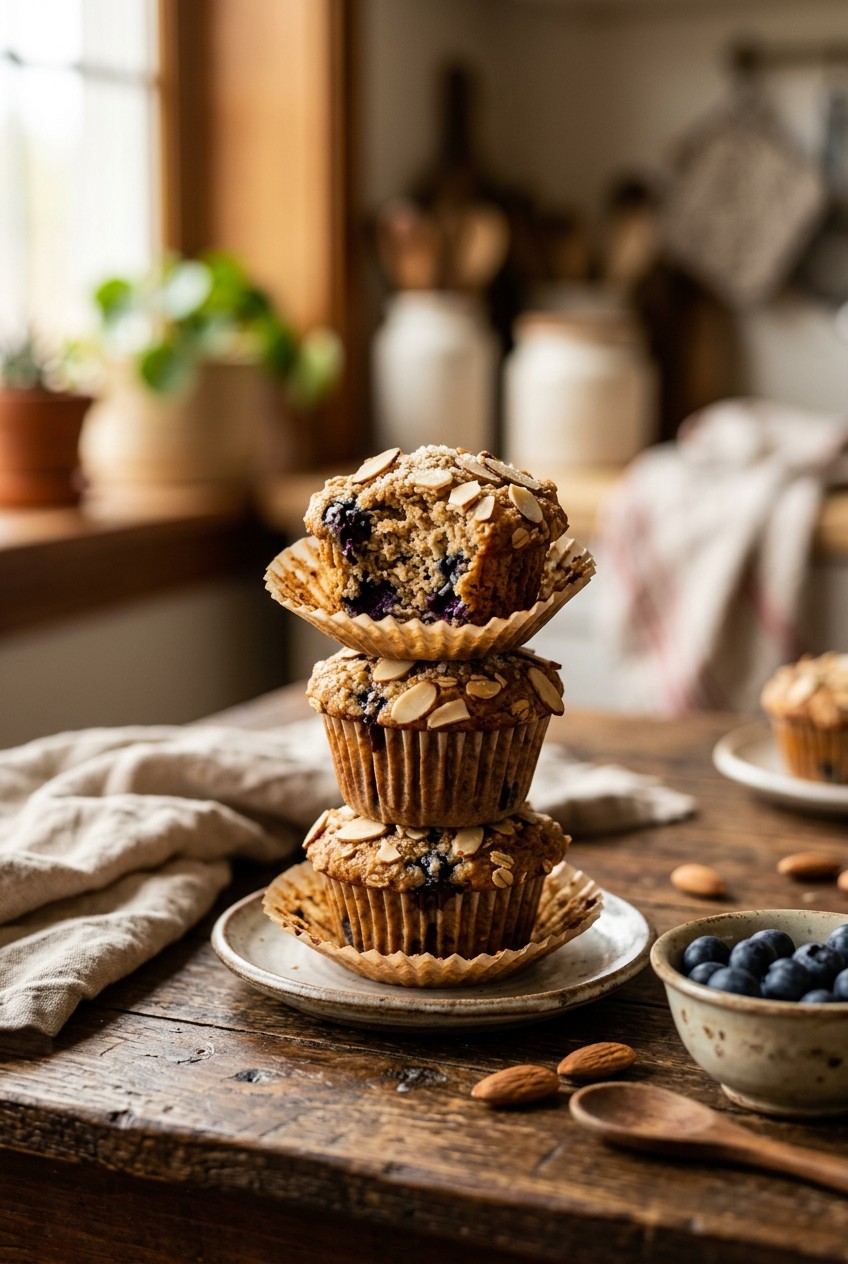
What’s Inside
- The Right Flour Blend for Healthy Breakfast Muffins
- Ditching White Sugar for Natural Sweeteners
- Sneaking Moisture with Grated Veggies
- Adding Serious Protein to Healthy Breakfast Muffins
- Using Liquid Healthy Fats (And Skipping Butter)
- Packing in Prebiotics and Soluble Fiber
- The Flour Coating Trick for Perfect Mix-Ins
- Mastering the Bake: Temperature and Mixing
- Pivoting to Savory High-Protein Egg Muffins
Last Tuesday at Whole Foods, I dropped a $14 box of bakery muffins. The plastic clamshell burst open, sending crumbly, sugar-loaded pastries sliding under the organic produce bins. The smell of stale, sickly sweet vanilla hit my nose while I awkwardly scooped up the mess with paper towels. That humiliating cleanup made me realize I had to master baking my own healthy breakfast muffins. I’m Sophia, a nutritionist, and I’ve spent months perfecting recipes that actually taste good and cost pennies. Skip the fat-free stuff. It tastes like wet cardboard. Instead, I’m sharing my exact formulas for baking incredible morning treats that won’t ruin your budget or your blood sugar.
I did this wrong for months. I’d pull a tray out of the oven, and they felt like literal hockey pucks. I wasted so much money on expensive ingredients that just ended up in the trash. But after obsessively tweaking ratios and testing different flours, I finally cracked the code. Making your own food is the best way to control exactly what goes into your body. Let’s get baking.
1. The Right Flour Blend for Healthy Breakfast Muffins

Most people get this wrong. If you swap regular white flour for 100% standard whole wheat, you’ll bake a dense, heavy brick. I know this because I did it repeatedly. The texture becomes gritty, and the muffins sit in your stomach like lead weights. The secret is the right grain. I swear by King Arthur White Whole Wheat Flour ($5.99 for a 5 lb bag at Target). It’s milled from hard white spring wheat, so you get all the fiber without that bitter, heavy taste.
For a lighter texture, I love blending flours. A good starting ratio is 1 3/4 cups of all-purpose flour mixed with 1 cup of old-fashioned rolled oats. The oats add a beautiful, chewy texture and a warm, nutty smell. You can also make your own oat flour in a blender for a gluten-free option. I buy Bob’s Red Mill Old Fashioned Rolled Oats ($4.49 for a 32 oz bag) and pulse them until they’re a fine powder. It takes ten seconds. This simple swap adds so much nutrition, keeping you full until lunch.
2. Ditching White Sugar for Natural Sweeteners

Refined white sugar is unnecessary. Honestly, this changed how I bake. Dietitian Maggie Michalczyk, MS, RD, always points out that baking at home lets you control exactly what you’re eating. I prefer using whole fruit to sweeten my batters. Mashed ripe bananas are incredible. Replace the sugar by mashing 3 large, heavily spotted bananas into your wet ingredients. The darker the spots, the sweeter the flavor.
If bananas aren’t your thing, liquid natural sweeteners work beautifully. I often use 1/3 cup of honey or 1/2 cup of maple syrup. Trader Joe’s 100% Pure Maple Syrup ($7.99 for a 12.5 oz bottle) is a staple in my pantry. It gives the muffins a rich, caramel-like undertone. Another trick is making date paste. Blend 1 cup of pitted dates with 1/2 cup of boiling water. I burned a batch of date paste once by not adding enough water, and the sticky, scorched mess took an hour to scrub out of my blender. Don’t make that mistake. Keep the water ratio right, and you’ll get a smooth, naturally sweet paste that keeps the crumb moist.
3. Sneaking Moisture with Grated Veggies

Don’t shy away from hiding vegetables in your breakfast prep. It sounds weird, but grated veggies are the ultimate secret weapon for moisture. Carrots and zucchini practically melt into the batter, leaving behind zero vegetable taste and a ton of nutrients. I like to fold in 2 cups of finely grated carrot for a morning glory style muffin. It adds a gorgeous orange speckle and a subtle earthy sweetness. You might also like: 15 Creative Work Healthy Lunch Ideas You Can Try Today
If you’re using zucchini, you need exactly 1 cup of shredded zucchini. But here’s the catch. You must squeeze the water out first. I forgot to squeeze the zucchini once, and the middle of my muffins stayed wet and mushy even after baking for forty minutes. It was gross. Wrap the shredded zucchini in a clean dish towel and twist it hard over the sink until no more green liquid drips out. Alternatively, pumpkin puree is an easy addition. Sprouts Organic Pumpkin Puree ($2.49 for a 15 oz can) is incredibly convenient. Whisk it right into your wet ingredients for a dense, soft texture that smells like fall. You might also like: 20 Inspiring Healthy Dessert Ideas That Make a Real Difference
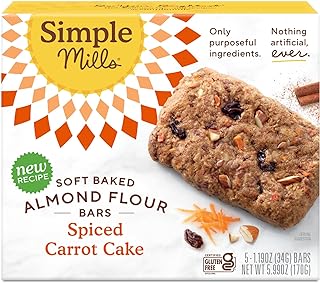
Simple Mills Almond Flour Snack Bars, Spiced Carrot Cake
A dependable everyday pick — Simple Mills Almond Flour Snack Bars pulls in 532 ratings at 4.5 stars. Not flashy, just solid.
4. Adding Serious Protein to Healthy Breakfast Muffins

A plain carb-heavy muffin will spike your blood sugar and leave you starving an hour later. You need protein to anchor the meal. I always incorporate dairy or protein powders to give my baked goods a serious boost. Whisking 1/2 cup of plain Greek yogurt or Skyr into the wet ingredients is a brilliant move. It adds a slight tang, activates the baking soda, and packs in protein. Fage Total 2% Greek Yogurt ($1.99 for a 5.3 oz cup at Walmart) is my go-to because it’s exceptionally thick. You might also like: 20 Creative Easy Healthy Low Calorie Dinner Ideas Worth Trying This Year
You can also use protein powder, but be careful. I once dumped three scoops of cheap protein into a batch, and the chalky, dry texture was inedible. Stick to 1 scoop (around 25 to 30g) of a high-quality vanilla whey or plant-based protein powder. Sift it well with your dry ingredients so it doesn’t clump. If you’re short on time, there are great store-bought shortcuts. Kodiak Protein-Packed Muffin Mix ($5.29 at Target) is a fantastic base you can customize with fresh fruit and nuts.
5. Using Liquid Healthy Fats (And Skipping Butter)

Butter tastes great, but liquid plant oils give muffins a superior texture that stays soft for days. I exclusively use 1/3 cup of extra virgin olive oil or avocado oil. These oils are neutral-tasting and contribute a heavy dose of heart-healthy fats. Chosen Foods Avocado Oil ($18.99 for a 1 liter bottle at Costco) is a permanent fixture on my kitchen counter. It has a high smoke point and zero weird aftertaste.
There is one massive rule when baking with liquid oils. Ensure all your ingredients are at room temperature. I learned this the hard way. I once poured cold milk and fridge-chilled eggs directly into my oil mixture. The cold instantly seized up the fat, creating a clumpy, curdled batter that looked like cottage cheese. It was a disaster. Leave your eggs and yogurt on the counter for thirty minutes before you start. When everything is at room temperature, the oil emulsifies perfectly, resulting in a smooth, glossy batter that bakes up tender.
6. Packing in Prebiotics and Soluble Fiber

Most standard breakfast foods are stripped of fiber. Dietitians recommend 25 to 35 grams of fiber per day, and your morning meal is the best place to start. I always add extra seeds and husks to my dry ingredients. Tossing in 1/4 cup of ground flaxseed, 2 tablespoons of chia seeds, or 2 tablespoons of psyllium husk provides a massive boost of soluble fiber. This aids digestion and keeps you full.
I buy Bob’s Red Mill Ground Flaxseed ($3.99 for a 16 oz bag at Kroger) and keep it in the fridge. If you use chia seeds, be aware of their texture. They get slightly gelatinous when they absorb liquid, which helps bind the muffin together. You can also explore prebiotic-rich ingredients for gut health. Adding a handful of Bio&Me prebiotic muesli to the top before baking gives a fantastic crunch. Some people even mix in a prebiotic powder like Uplift Food Daily Uplifter to feed their good gut bacteria. A few tablespoons of these fiber sources completely upgrade your breakfast.

KIND Breakfast Bars, Peanut Butter, Healthy Snacks
KIND Breakfast Bars has been one of the most consistently praised picks in this category. 16 reviewers averaged 4.5/5.
7. The Flour Coating Trick for Perfect Mix-Ins

There is nothing more frustrating than baking a gorgeous batch of blueberry muffins, only to find every single berry has sunk to the bottom of the tin. I used to pry my muffins out of the pan, leaving half the burnt, sticky fruit stuck to the metal. Scraping burnt berries off a hot tin is a nightmare. The fix is simple.
You need to create a friction barrier. Take your mix-ins, whether they are chocolate chips, chopped walnuts, or fruit, and toss them in a small bowl with 1 tablespoon of the recipe’s dry flour mixture. Stir them until they look dusty. I do this every time I use Great Value Frozen Wild Blueberries ($4.98 for a 15 oz bag at Walmart). The light coating of flour grabs onto the batter during baking, keeping the heavy add-ins suspended perfectly. You’ll get an even distribution of fruit in every bite, and your pans will be much easier to wash.
8. Mastering the Bake: Temperature and Mixing

The mechanics of mixing and baking dictate whether your muffins turn out like bakery masterpieces or dense rocks. The most common mistake is overmixing. When you aggressively stir wet and dry ingredients, you develop the gluten. This results in tough, rubbery dough. You must mix until just combined. Stop stirring the second you don’t see any dry flour streaks. It’s okay if the batter looks lumpy. Lumpy batter equals tender muffins.
To get those beautiful, tall domed tops, fill each muffin cup about three-quarters full. I use Reynolds Kitchens Unbleached Baking Cups ($2.19 for a 50 count box) to prevent sticking. Then, manipulate your oven temperature. Start baking at a high heat, like 425°F for 4 to 5 minutes. This high initial blast forces the baking powder to react quickly, lifting the top into a dome. Then, without opening the oven door, reduce the heat to 350°F for 10 to 15 minutes to cook the center. Never leave them in the hot tin to cool. The residual heat creates steam, leaving you with soggy bottoms. Move them to a wire cooling rack immediately.
9. Pivoting to Savory High-Protein Egg Muffins

If you’re tired of sweet breakfasts, savory egg muffins are a massive trend. They are basically miniature frittatas you can meal prep on Sunday and eat all week. Culinary creator and nutritionist Paige Lindgren makes amazing Mediterranean egg muffins that I’ve incorporated into my routine. They are packed with protein and incredibly satisfying.
Her formula uses 12 large eggs, 1/2 cup of chopped baby spinach, and 1/2 cup of crumbled goat cheese. I buy Vital Farms Pasture-Raised Eggs ($6.99 for a 12 count carton at Whole Foods) because the deep orange yolks make the muffins look and taste so rich. The smell of baking eggs and tangy goat cheese fills the kitchen. Just whisk everything together, pour it into a greased tin, and bake. If you want a savory option but don’t want to cook, look for healthier store-bought brands. Soozy’s Grain-Free Muffins ($6.99 for a box of 4) are made with almond flour and whole eggs, making them a fantastic, clean option.
Baking your own healthy breakfast muffins doesn’t have to be complicated or expensive. By controlling your ingredients, avoiding refined sugars, and mastering a few simple oven tricks, you can create incredible morning meals for under $5 a batch. I highly recommend starting with the banana and oat flour blend. It’s foolproof and tastes amazing with a hot cup of coffee. Pin this guide to your favorite recipe board so you have all these measurements ready for your next Sunday meal prep session.

Downshiftology Healthy Meal Prep: 100+ Make-Ahead Recipes
Downshiftology Healthy Meal Prep: 100+ Make-Ahead Recipes and Quick-As has been one of the most consistently praised picks in this category.
Frequently Asked Questions
How do I keep my healthy breakfast muffins from getting dry?
To prevent dry muffins, avoid overbaking and use liquid fats like avocado oil instead of butter. Adding moisture-rich ingredients like mashed bananas, Greek yogurt, or shredded zucchini also ensures a soft, tender crumb that lasts for days.
Can I freeze healthy breakfast muffins?
Yes. Let them cool completely on a wire rack, then place them in an airtight freezer bag. They will stay fresh for up to three months. Thaw them overnight in the fridge or microwave for 30 seconds.
Why did my fruit sink to the bottom of the muffin?
Heavy mix-ins like blueberries or chocolate chips sink if the batter is too thin. Toss your fruit in one tablespoon of dry flour before folding them into the batter. This creates friction and keeps them suspended perfectly.
What is the best flour for healthy breakfast muffins?
White whole wheat flour and oat flour are excellent choices. White whole wheat offers high fiber with a lighter texture than traditional whole wheat, while blended rolled oats provide a chewy texture and great soluble fiber.
