What’s Inside
- The Yogurt Marinade Trick for Chicken Healthy Recipes
- High-Heat Baking is Better Than Slow Roasting
- Sheet Pan Meals You Won’t Hate
- Stop Buying Fat-Free Ground Chicken for Everything
- The Air Fryer Crispy Chicken Method
- Salt-Free Seasonings That Actually Taste Good
- Don’t Crowd the Pan (And Other Searing Secrets)
- Upgrade Your Soups with Low-Sodium Broth
- Meal Prep Without the Rubber Texture
- The Golden Rule for Chicken Healthy Recipes: Rest and Temp
Last Tuesday at Whole Foods, I stood frozen in the meat aisle staring at pale, sad-looking packages of poultry. I realized I hated my own dinner plans. Finding truly good chicken healthy recipes shouldn’t feel like a punishment. I used to choke down dry, unseasoned poultry just because it fit my macros. I’d sit at my kitchen island, chewing the same bite for five minutes, wondering why I was doing this to myself. I’m a nutritionist, and even I struggled to make it edible for a long time. I’ve ruined more dinners than I can count. I’ve set off the smoke alarm. I’ve served friends meat that was raw in the middle. Let’s fix that. I’m sharing my absolute best secrets for getting dinner on the table without losing your mind. These aren’t complicated culinary school techniques. They’re real, everyday habits that completely changed how I cook. Grab your grocery list.
The Yogurt Marinade Trick for Chicken Healthy Recipes

I’ve tried every bottled marinade on the shelf. Most of them are packed with refined sugar and leave the meat tasting incredibly artificial. I tried this wrong for months before figuring it out. I’d soak my chicken in pure vinegar and oil, which actually made it tougher. The acid literally cooked the outside before it even hit the hot cast iron pan. Then I discovered the yogurt trick. Even a quick 15-minute soak changes everything. For a dietitian-approved tenderizing marinade, grab a large glass bowl. Combine 1/2 cup plain Greek yogurt. I specifically use Fage 0% Greek Yogurt, usually $1.99 for a 5.3 oz cup at Target. Add the juice of 1/2 a lemon, 3 tablespoons of olive oil, and your favorite spices. Toss in 1.5 lbs of raw chicken. The lactic acid in the yogurt gently breaks down the proteins. It won’t turn the meat to mush like harsh citrus marinades do. When you cook it, the yogurt creates a beautiful, savory crust that seals in the juices. I personally swear by this method for Sunday meal prep. It smells incredible as it cooks, filling the kitchen with a rich, tangy garlic aroma. Plus, it works brilliantly on both breasts and boneless, skinless chicken thighs. Thighs offer richer flavor and are harder to overcook, containing more iron, zinc, and B vitamins. Don’t skip this step. It’s the easiest way to guarantee a juicy bite. Trust me on this.
High-Heat Baking is Better Than Slow Roasting

Most people get this wrong. I certainly did. I used to bake my poultry at 350 degrees for 45 minutes, resulting in a chalky, stringy mess that required a gallon of water to swallow. If you want juicy results, you need high heat. But first, a surprising tip for more even cooking is to let your meat sit out of the refrigerator for 20 to 30 minutes before cooking. I did this once and my roommate freaked out, convinced we’d get food poisoning. But taking the chill off prevents the outside from overcooking and drying out while the inside struggles to reach the proper temperature. Once it’s ready, preheat your oven to 450°F (232°C). For exceptionally juicy baked breasts, place them on a baking sheet lined with Reynolds Wrap Heavy Duty Foil ($4.98 at Walmart) for easy cleanup. Bake 8-ounce portions for approximately 20 minutes. If you have massive 12-ounce pieces, bake them for around 30 minutes. This high-heat, shorter cooking time method helps seal in moisture much more effectively than lower temperatures. The outside gets a slight sizzle and crispness, while the center stays incredibly tender. I’ve ruined so many dinners by slow-roasting. Stop doing it. High heat is the only way to go for thick cuts. The sound of the sizzle when you pull the pan out of the oven is exactly what you want to hear.
Sheet Pan Meals You Won’t Hate

Sheet pan meals are supposed to be a lazy weeknight savior. But my early attempts were complete disasters. I’d end up with burnt broccoli and undercooked meat. A common mistake is cooking thick pieces with uneven thickness, leading to dry edges and raw centers. I used to just throw them on the pan whole. Don’t do that. Place your boneless pieces between parchment paper or in a plastic bag and pound them with a rolling pin. One night I couldn’t find my rolling pin and used a heavy wine bottle instead. It worked perfectly. You want them about 0.5 to 0.75 inches thick. This ensures consistent cooking across the entire pan. Now, let’s build the meal. Combine 1.5 pounds of boneless, skinless breasts (cut into 1-inch pieces) with 2 cups of broccoli florets, 1 large zucchini, 4 carrots, and 1 red bell pepper on a single sheet pan. Drizzle with 2 tablespoons of olive oil. Season heavily with Simply Organic Italian Seasoning ($5.49 at Sprouts), garlic powder, salt, and pepper. Roast at 400°F (200°C) for 20 to 25 minutes. You’ll know it’s done when the vegetables are tender and slightly caramelized. The smell of roasted red peppers and garlic will make your mouth water. It’s a massive time saver, and the cleanup is virtually nonexistent. Just don’t forget to pound the meat first. You might also like: 20 Gorgeous Healthy Lunch Ideas That Make a Real Difference

Taste of Home Light & Easy Weeknight Cooking: 307 Healthy
Taste of Home Light & Easy Weeknight Cooking: 307 Healthy Recipes for punches above its price. I would buy it again.
Stop Buying Fat-Free Ground Chicken for Everything

I need to be brutally honest here. Skip the fat-free stuff. It tastes like wet cardboard. For years, I bought 99% lean ground poultry because I thought it was the absolute healthiest choice. I’d make meatballs that were so dry they’d literally bounce if you dropped them on the floor. While boneless, skinless breasts are a lean powerhouse, providing around 31g of protein per 100g, extreme leanness isn’t always the goal. If you’re making burgers or meatballs, you need some fat for moisture and flavor. Dietitians emphasize that while white meat is leaner, dark meat is highly nutritious. It contains more essential vitamins and minerals, including B12, iron, and zinc. I usually buy Bell & Evans Ground Chicken ($7.99 for a 16 oz package at Whole Foods), which includes a blend of dark meat. The texture is vastly superior. It stays juicy in the pan, sizzles beautifully, and absorbs sauces like a sponge. If you’re prioritizing extreme leanness for a specific bodybuilding competition, sure, grab the 99% fat-free option. But for everyday family dinners? Give yourself a break. The extra couple of grams of fat will keep you full and actually make your food enjoyable. The healthiest choice ultimately depends on your individual preferences, but flavor matters. If you hate your food, you won’t stick to your healthy eating goals. You might also like: 20 Inspiring Healthy Dessert Ideas That Make a Real Difference
The Air Fryer Crispy Chicken Method

I bought an air fryer three years ago and let it sit in the box for six months. I was intimidated by it. When I finally used it, I threw soaking wet meat directly into the basket. The result was a pale, rubbery disaster that looked completely unappetizing. Always pat your meat thoroughly dry with paper towels before seasoning or marinating. I specifically use Bounty Paper Towels ($3.49 for a single roll at Target) because cheap ones leave fuzzy white bits stuck to the food. Excess moisture creates steam during cooking, which prevents browning and results in a terrible texture. This extra step is crucial for achieving a crispy exterior. Once it’s bone-dry, lightly oil the pieces or spray the basket with Chosen Foods Avocado Oil Spray ($6.99). Preheat your air fryer to 375°F (190°C). Boneless breasts (6 to 8 oz) typically cook in 13 to 15 minutes. You must flip them halfway through. The sound of the sizzle when you open the basket to flip them is incredibly satisfying. Cook until the internal temperature reaches 165°F (74°C). The outside gets a gorgeous golden-brown crust, while the inside stays dripping with juices. It’s a fantastic cooking method for achieving juicy results with minimal oil. Just remember to dry it first. I can’t stress that enough. Learned that the hard way. You might also like: 15 Lovely High Protein Low Calorie Dinner Ideas for a Fresh New Look
Salt-Free Seasonings That Actually Taste Good

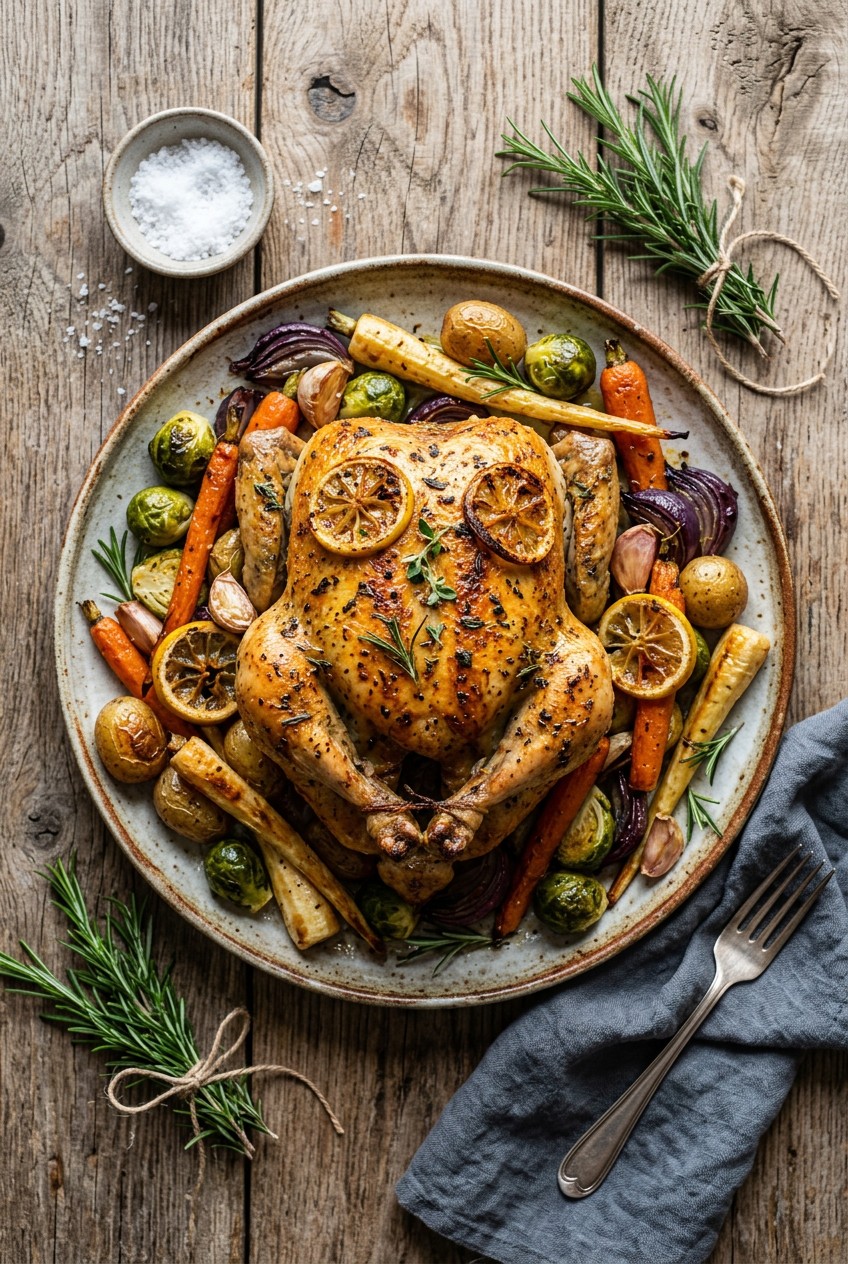
I used to be terrified of sodium, so I ate plain, unseasoned food. It was miserable. Then I swung the completely opposite direction and over-salted everything. I once cooked a whole bird for a dinner party and dumped so much salt on it that my guests were chugging water all night. It was incredibly embarrassing. Don’t be shy with seasoning to maximize flavor, but do it smartly. For a 4 to 5 pound bird, a chef recommends exactly 1 tablespoon of Kosher-style salt, along with a heavy rub of spices like minced garlic, rosemary, sage, and thyme. But if you’re watching your blood pressure, you don’t have to suffer through bland meals. For those on low-sodium diets, consider salt-free blends. I’m currently obsessed with M-K Saltless Chicken and Pork Seasoning ($6.50 online). It uses black and white pepper, sage, and ginger for an incredible flavor profile without added sodium. The ginger gives it a sharp, warm bite that completely wakes up the palate. Brands like Spiceology and Gneiss Spice also offer various salt-free seasoning options. Spiceology’s salt-free blends usually run about $14.99 a jar, but they last forever. Rub the spices in generously. You want a thick, visible coating on the outside so every single bite has maximum flavor.

Gordon Ramsay’s Healthy
Gordon Ramsay’s Healthy has been one of the most consistently praised picks in this category.
Don’t Crowd the Pan (And Other Searing Secrets)

Last Thanksgiving, I tried to cook twelve thighs in one standard skillet. I ended up boiling them in their own gray, murky juices. It looked disgusting, and the texture was even worse. When pan-frying or air frying, ensure the pieces are arranged in a single layer without overlapping. Overcrowding lowers the cooking temperature drastically. This causes the meat to steam rather than sear, which leads to unevenly cooked and chewy results. You need that intense heat hitting the surface to create a crust. Give them space to breathe in the pan. Another trick I learned the hard way involves the skin. While skin is often removed for health reasons, cooking with the skin on can significantly help retain moisture during the cooking process. I buy Kirkland Signature Organic Chicken Thighs ($19.99 for 3 lbs at Costco) with the skin still attached. I sear them skin-side down until crispy. The fat renders out and bastes the meat, keeping it incredibly tender. You can easily remove the skin before eating to reduce the fat content without sacrificing juiciness. Yes, it’s an extra step to peel it off on your plate, but the texture difference is night and day. Stop crowding your pans and start using the skin to your advantage.
Upgrade Your Soups with Low-Sodium Broth

I love making massive pots of soup on Sunday afternoons. The smell of simmering onions, celery, and garlic makes my whole house feel cozy. But I used to use standard bouillon cubes, and I’d wake up the next day with my rings stuck to my swollen fingers from all the sodium. When a recipe calls for broth, you absolutely must choose low-sodium options to maintain a healthy sodium intake. Regular broths are essentially liquid salt. I always keep Trader Joe’s Organic Low Sodium Chicken Broth stocked in my pantry. It costs $1.99 for a 32 oz carton and contains only 50 mg of sodium per cup. It has a clean, rich flavor that doesn’t overpower the fresh herbs I add. If I’m feeling fancy, I’ll splurge on Kettle & Fire Reduced Sodium Bone Broth ($7.99 at Whole Foods). Gourmend Foods also offers a fantastic low-sodium bone broth (95mg sodium) that prioritizes deep umami flavors over excessive salt. By controlling the sodium in your liquid base, you can add your own high-quality sea salt right at the end of cooking. This means you actually taste the salt directly on your tongue, so you use less overall. It completely changed how I make my winter stews.
Meal Prep Without the Rubber Texture

We need to talk about the sad, rubbery meal prep containers sitting in your office fridge. I used to pack five days’ worth of food on Sunday, and by Thursday, my lunch tasted like a pencil eraser. For efficient and healthy meal prepping, you need a strategy. Don’t just cook a massive batch of breasts and throw them in a giant plastic tub. Consider cooking a batch and immediately dividing them into 4 to 5 individual meal prep containers. I strictly use Pyrex 3-Cup Glass Containers ($22.99 for a 4-pack at Kroger). Glass doesn’t absorb weird fridge smells like plastic does, and it reheats much more evenly. Pair each 4-ounce portion of meat with a 10-ounce bag of cooked vegetables (like steamed broccoli or wilted mixed greens) and 3 to 4 roasted sweet potatoes. This creates balanced, ready-to-eat meals throughout the week. The absolute best trick to avoiding the rubber texture when reheating is adding a tiny splash of water to the glass container before you microwave it. Put the lid on loosely to trap the steam. This gently re-hydrates the meat instead of nuking it into jerky. I honestly swear by this reheating trick. It saves my lunches every single week.

The Well Plated Cookbook: Fast
The Well Plated Cookbook: Fast has been one of the most consistently praised picks in this category.
The Golden Rule for Chicken Healthy Recipes: Rest and Temp

If you take absolutely nothing else away from this article, please listen to this. Stop cutting into your meat to see if it’s done. I used to do this constantly. I’d slice a breast right down the middle while it was still in the pan. All the hot juices would immediately flood out, boiling away into nothing, leaving me with a dry, stringy dinner. To ensure food safety and prevent dry meals, always cook until the internal temperature reaches exactly 165°F (74°C) at the thickest part. You can’t guess this visually. You need a tool. I use a ThermoPro Digital Thermometer ($14.99 at Target). It’s cheap, fast, and completely foolproof. Once the probe hits 165°F, take the pan off the heat immediately. But you aren’t done yet. After cooking, you must let it rest for 5 to 10 minutes before slicing. Don’t touch it. Just let it sit undisturbed on a cutting board. This crucial resting period allows the muscle fibers to relax and the juices to redistribute throughout the meat. When you finally slice into it, the juice stays inside the meat where it belongs, resulting in a significantly more tender and flavorful piece. It’s the ultimate secret to perfect cooking. Took me years to figure out.
I hope these tips save you from the dry, boring dinners I used to force myself to eat. Cooking healthy doesn’t mean sacrificing flavor or texture. You just need the right techniques. I personally swear by the yogurt marinade and the high-heat baking method. Try them this week and see the difference for yourself. If you found this helpful, please save or pin this post for your next busy weeknight. You won’t regret having these tricks up your sleeve!
Frequently Asked Questions
How do I keep chicken healthy recipes from drying out?
The secret is high-heat baking and resting the meat. Bake at 450°F to sear the outside, then let it rest for 10 minutes before slicing so the juices redistribute.
Can I use dark meat for chicken healthy recipes?
Absolutely. Dietitians agree that thighs and drumsticks are highly nutritious. They contain more B12, iron, and zinc than white meat, and the extra fat keeps them incredibly juicy.
What is the best way to meal prep chicken healthy recipes?
Store your cooked portions in glass containers like Pyrex with a side of veggies. When reheating, add a splash of water and cover loosely to steam the meat back to life.
How long should I marinate meat for chicken healthy recipes?
Even a quick 15-minute soak in a yogurt-based marinade works wonders. The lactic acid breaks down proteins gently without turning the meat to mush like harsh vinegar marinades do.
