What’s Inside
- Prioritize Nutrient Density with Whole Foods
- Ditch the Fake Meat for Real Plant Protein
- Master Your Cooking Oils for Better Searing
- The Sheet Pan Method for Quick Clean Eating
- Stop Overcooking Your Vegetables
- Rethink Your Protein Portions
- Season Smartly with Coarse Salt and Fresh Herbs
- Lean on High-Protein Frozen Meals for Emergencies
Last Tuesday at 7 PM, I stood in my kitchen staring at a rock-hard frozen brick of ground turkey. I felt defeated. The smell of old garlic hung in the air from the night before, and the cold fluorescent kitchen light buzzed overhead. I was starving, exhausted from back-to-back client calls, and desperate for simple dinner ideas. I’d spent months trying to wing my meals before realizing that relying on willpower at 7 PM is a recipe for disaster. You end up eating a giant bowl of sugary cereal over the sink. Or you order a $35 sad, lukewarm salad on DoorDash that arrives wilted. I’ve been a clean eating nutritionist for years, and I still mess this up sometimes. But I finally cracked the code for busy weeknights. I learned that the hard way.
I’m sharing my exact system with you today. Skip the fat-free diet foods. They taste like wet cardboard and leave you hungry an hour later. Let’s talk about real, vibrant food that actually fills you up and tastes amazing. These aren’t complicated culinary masterpieces. They’re realistic strategies for normal people. These are my top dinner ideas that take the stress out of clean eating entirely.
1. Prioritize Nutrient Density with Whole Foods

Last month at Whole Foods, I fell for a bright pink box of “keto-friendly” pasta. The packaging looked convincing. I cooked it, took one bite, and immediately spit it into the trash. It tasted like gritty sand mixed with glue. The texture was horrific. That was a huge mistake. I realized I was focusing on marketing claims instead of actual nutrients.
Now, I stick to whole, unprocessed foods. The 2026 trend in nutrition is all about dietary inclusivity and nutrient density. This means skipping the processed diet foods and building your plate around fresh produce, lean proteins, and complex carbohydrates. Calorie counting used to rule my life. It made me miserable and anxious around food. Now, I focus on what a specific food gives my body. When you focus on nutrient density, your body gets the signals that it’s full. You aren’t constantly fighting cravings at 9 PM. I used to eat a 100-calorie pack of processed cookies and wonder why I was starving ten minutes later. It’s because there were zero actual nutrients in it. Just refined flour and artificial sweeteners.
My absolute staple is the 365 Everyday Value Organic Quinoa from Whole Foods. It costs exactly $4.49 for a 16 oz bag. I cook 1/2 cup of it in rich chicken bone broth for extra flavor. Then I top it with 4 oz of shredded rotisserie chicken and a huge handful of dark, peppery arugula. This is the foundation of my favorite dinner ideas. You’re getting essential fiber, clean protein, and slow-digesting complex carbs. It fills you up completely without making you feel bloated. Don’t waste your money on processed diet snacks. Stick to the perimeter of the grocery store. Buy foods that look exactly like they did when they grew in the ground.
2. Ditch the Fake Meat for Real Plant Protein

I bought one of those famous “bleeding” plant-based burgers from Sprouts a few years ago. I cooked it up in a skillet, thinking I was making a fantastic choice. Two hours later, my stomach ballooned. I felt horribly bloated, gassy, and sluggish. The texture of the patty was bizarrely rubbery, and it tasted like a salt lick.
Chef Joseph VanWagner constantly warns his clients about this exact issue. Many of these pre-packaged meat alternatives are loaded with unhealthy refined fats, cheap grain fillers, and excessive empty calories. They can disrupt your gut microbiome and even slow down your metabolism over time. It’s just highly processed junk food disguised in a green, eco-friendly package. Plant-based eating is fantastic, but only if you’re eating actual plants. The marketing on these fake meats is deceptive. They use words like “clean” and “green” while pumping the product full of modified food starch and refined seed oils. Your liver has to process all of that.
If you’re eating a plant-based diet, stick to actual plants. I’m obsessed with Bob’s Red Mill Green Lentils. A 24 oz bag is $3.79 at Sprouts. You get 9g of clean, highly digestible protein per 1/2 cup cooked. They boast a wonderful, earthy flavor and a firm texture that holds up beautifully in thick winter stews. Or, grab Nasoya Organic Extra Firm Tofu. It’s usually $2.99 for a 14 oz block. You get 10g of protein per 3/4 cup serving. I press the water out using heavy cookbooks, slice it into thick cubes, and toss it with 1 tablespoon of savory coconut aminos. Bake it at 400 degrees until the edges are dark and crispy. It’s satisfying and won’t leave you feeling like you swallowed a brick.
3. Master Your Cooking Oils for Better Searing

I used to sear my expensive steaks in a hot cast-iron skillet using extra virgin olive oil. This was a massive, embarrassing mistake. One night in my tiny apartment, the oil hit its low smoke point immediately. Thick, acrid grey smoke filled the kitchen. The smoke alarm shrieked for ten agonizing minutes while I frantically flapped a kitchen towel at the ceiling. My eyes watered. The steak tasted like bitter, burnt ash. You might also like: 20 Inspiring Quick Easy Healthy Snack Ideas to Inspire Your Next Project
You can’t use olive oil for high-heat cooking. It breaks down and releases harmful, bitter-tasting compounds. For frying, grilling, or high-heat roasting, you need an oil with a high smoke point. I personally swear by Chosen Foods 100% Pure Avocado Oil. I buy the massive 2L bottle at Costco for $44.99. It lasts for several months. It boasts a high smoke point of 480-520°F. You might also like: 20 Beautiful Aesthetic Low Calorie Dinner Ideas That Changed Everything
When you’re cooking, always preheat your pan properly. This is a common mistake home cooks make. People dump cold, wet chicken into a cold pan. It sticks instantly and turns pale. Heat your heavy skillet first. Then add exactly 1 tablespoon of avocado oil. Wait until the oil shimmers in the pan. That’s your visual cue that it’s ready. Then add your protein. You’ll get a gorgeous, golden-brown crust that seals in the juices. Save your expensive, fruity extra virgin olive oil for tossing crisp salad greens or low-heat sautéing. You might also like: 15 Clever Kids Healthy Breakfast Ideas for a Fresh New Look

Veratify Healthy Mixed Snack Box (66 Count) Snacks Gift
If you want something that just works, Veratify Healthy Mixed Snack Box (66 Count) Snacks Gift Basket Granola is a safe bet (72 reviews, 4.5 stars).
4. The Sheet Pan Method for Quick Clean Eating

I used to use four different pots and pans to make one single healthy dinner. The sink would be overflowing with greasy dishes by the time I sat down to eat. I hated cooking because of the cleanup. Then I discovered the magic of sheet pan meals. You get minimal cleanup and concentrated flavor.
My go-to weeknight recipe uses Kirkland Signature Boneless Skinless Chicken Thighs. A large family pack at Costco usually runs between $15-20. Chicken thighs are juicier and more flavorful than dry chicken breasts. They won’t turn into chalk in the hot oven.
Here’s my fail-proof method. I take 4 oz of chicken thighs and place them on a large, rimmed metal baking sheet. I add 2 cups of mixed frozen vegetables directly to the pan. I usually use a mix of broccoli florets and bell peppers. Drizzle exactly 1 tablespoon of avocado oil over everything. Toss it with your hands so every piece is coated. Roast it at 400°F for about 25 minutes. The chicken gets crispy, golden edges. The vegetables caramelize beautifully. You’ve got one single pan to wash. It’s brilliant. Just make sure you don’t overcrowd the pan. If the vegetables are piled on top of each other, they’ll steam instead of roasting. You’ll end up with soggy mush. Give everything space to breathe on the metal surface.
5. Stop Overcooking Your Vegetables

I once cooked fresh asparagus for a Friday date night. I left it boiling while I got distracted by a long text message from my sister. When I finally remembered to check the pot, the bright green stalks had turned into limp, grey, stringy mush. I was mortified. I had to throw the entire batch into the garbage.
Most people hate vegetables because they grew up eating overcooked, watery, flavorless garbage. Overcooking vegetables reduces their vitamin and mineral content. Integrative dietitian Mindy Roth advises cooking them just until they retain their vibrant color and a slight crispness. I buy Kroger Private Selection Frozen Broccoli Florets. It’s $2.49 for a 16 oz bag. I steam them for exactly four minutes. Not a second longer. They stay bright emerald green and crunchy.
If you accidentally overcook your veggies, don’t panic. There’s a restaurant chef trick for this. Immediately plunge the hot vegetables into a large bowl of ice water. This ice bath halts the cooking process instantly. If they are already too soft to eat as a side dish, pivot. Throw those soft vegetables into a high-speed blender with 1/2 cup of warm chicken broth and a pinch of salt. Puree them into a silky soup or a creamy sauce for lentil pasta. It saves the nutrients and hides the texture mistake from your guests.
6. Rethink Your Protein Portions

Last year at a fancy steakhouse, I ordered a massive 10 oz prime ribeye. It smelled incredible, so I ate the entire thing. I spent the next two days feeling heavy, sluggish, and intensely thirsty. My digestion stalled, and I couldn’t focus. When you eat a massive 10 oz steak, your body must divert a huge amount of energy to your digestive tract just to break it down. That’s why you get the meat sweats and feel lethargic. You’re forcing your body to work overtime for no nutritional benefit.
We possess a warped sense of portion sizes in this country. High-protein diets are trending, but more protein isn’t always better. Integrative nutritionist Lea Wetzell points out that restaurant protein portions are often double the optimal amount for your digestive system. Your body can’t process 10 ounces of heavy meat in one sitting for muscle synthesis. The excess protein taxes your digestive organs and often gets stored as fat.
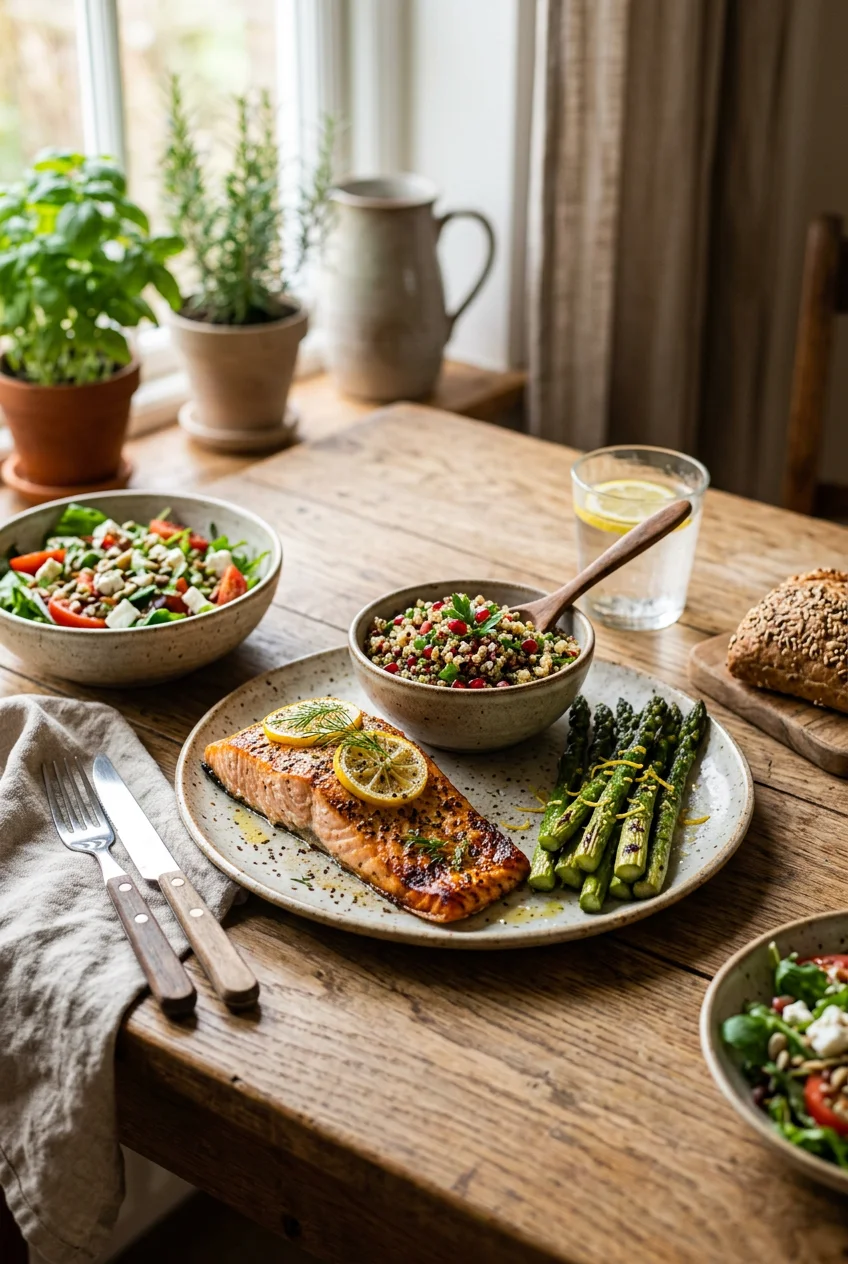
At home, be strategic with your plating. Aim for 3-4 ounces of lean protein per person. Visually, that’s roughly the size of a deck of playing cards. I love the Good & Gather Fresh Atlantic Salmon from Target. It costs $9.99 for two perfectly pre-portioned 4 oz fillets. It takes the guesswork out of meal prep. Halving your protein serving manages your daily calorie and fat intake effortlessly. Plus, it saves you money. Fill the rest of that plate space with fiber-rich dark leafy greens and roasted root vegetables. You’ll feel light and energized after dinner, not ready for a nap.

Downshiftology Healthy Meal Prep: 100+ Make-Ahead Recipes
Downshiftology Healthy Meal Prep: 100+ Make-Ahead Recipes and Quick-As has been one of the most consistently praised picks in this category.
7. Season Smartly with Coarse Salt and Fresh Herbs

I ruined an entire pot of homemade roasted tomato soup last winter. I was shaking fine table salt directly from the container over the steaming pot. The flimsy cap popped off. A mountain of chemical-tasting salt dumped right into my dinner. It was inedible, and I had to order takeout.
That’s when I learned to ditch the salt shaker. If you want to control your sodium intake, you need to feel the salt with your hands. Keep a small ceramic bowl of coarse salt on your counter. I use Diamond Crystal Kosher Salt. A 3 lb box is about $8.99 at Walmart. When you pinch the large, coarse flakes, it’s easier to gauge how much seasoning you’re adding. You won’t accidentally over-salt your food again.
Honestly, salt shouldn’t be doing all the heavy lifting. Enhance your savory flavors with a generous amount of fresh, aromatic herbs. Fresh herbs change a boring meal. I grab the Trader Joe’s Organic Fresh Basil. It’s $2.99 for a clamshell. Tossing 1/4 cup of torn, fragrant basil into a chicken and zucchini skillet makes it taste like a gourmet restaurant dish. The bright, peppery aroma hits your nose before you even take a bite. Skip the dusty, dried herbs that have been sitting in your pantry for three years.
8. Lean on High-Protein Frozen Meals for Emergencies

I got home at 9:30 PM last month after a delayed flight from Chicago. I was freezing, exhausted, and ravenously hungry. I opened my fridge and saw nothing but half a wrinkled onion and a bag of wilted spinach. I almost spent $35 ordering a greasy pizza out of desperation.
That’s why I treat my freezer like a mandatory insurance policy. You need emergency backup plans for real life. When you’re bone-tired, you won’t chop raw vegetables. You need fast, dietitian-approved dinner ideas that require zero brain power.
I always keep three frozen meals stocked behind the frozen fruit. My favorite is the Trader Joe’s Chicken Burrito Bowl. It costs $3.49 and packs 22g of clean protein. The spicy red salsa mixed with tender black beans is comforting on a cold night. Another option is the Healthy Choice Power Bowls Adobo Chicken. I grab these at Walmart for $4.29. They provide 33g of protein and 8g of filling fiber. The spicy, smoky adobo sauce is punchy and flavorful. These aren’t the sad, watery TV dinners from the 1990s. They’re packed with real, vibrant ingredients. Having these ready in the microwave in five minutes will save you from making terrible late-night drive-thru decisions.
I know how overwhelming it feels to overhaul your weeknight routine. I’ve cried in the grocery store aisle before because I was so stressed about what to cook. But you don’t need to be a Michelin-star chef to eat well. You just need a few reliable strategies and the right ingredients. Start with one of these ideas this week. Buy the coarse salt. Or grab a few frozen burrito bowls for your emergency stash. Small changes compound rapidly. Before you know it, you’re throwing together a vibrant, nutrient-dense meal in twenty minutes without thinking about it. I’m glad you’re here reading this. If you found these tips helpful, please save this article or pin it to your favorite recipe board. You’ll want to reference those brand names and prices the next time you’re wandering the aisles at Costco or Target. Happy cooking, and give yourself some grace in the kitchen!
Frequently Asked Questions
What’s the best oil for high heat cooking?
You can’t use olive oil for high heat because it burns easily. I’m a huge fan of 100% pure avocado oil. It boasts a smoke point up to 520 degrees, making it perfect for searing and roasting.
How much protein should I eat for dinner?
I’d suggest aiming for 3 to 4 ounces of lean protein per person. That’s roughly the size of a deck of cards. Restaurant portions are usually double what your body actually needs for muscle synthesis.
Are frozen meals bad for clean eating?
They aren’t bad if you choose the right ones. I’ve found that keeping high-protein, fiber-rich frozen bowls on hand prevents me from ordering greasy takeout when I’m exhausted. Just check the ingredients for whole foods.
How do I fix overcooked mushy vegetables?
If you catch them early, plunge them into an ice bath immediately. If they’re already too soft, don’t throw them out. Throw them in a blender with some warm broth to create a healthy, creamy soup.
