What’s Inside
- The Lemon-Herb Pounded Chicken Breast
- The 162-Degree Sheet Pan Roast
- The Heavy-Handed Herb Rubbed Whole Bird
- The Ultimate Sous Vide Garlic Thyme Thighs
- The Spicy Mustard Baked Breasts
- The Pastured Organic Chicken Salad
- The Overnight Lemon Yogurt Skewers
- The Low-Sodium Chicken Noodle Soup
- The One-Pan Balsamic Glazed Thighs
- The Zesty Lime and Cilantro Stuffed Breasts
I stood in the meat aisle at Whole Foods last Tuesday staring at a pale, rubbery tray of boneless skinless breasts, completely uninspired. If you’re struggling to find easy healthy chicken recipes that actually taste good, I’ve been exactly where you’re at. The fluorescent lights buzzed overhead while I debated just buying frozen pizzas instead. For years, my meal prep consisted of dry, stringy poultry that tasted like wet cardboard. I’m not proud of it. I’d microwave these sad little containers at my office desk, chewing endlessly while the smell of overcooked garlic powder filled the breakroom. My coworkers probably hated me. It’s a miracle I didn’t give up on poultry entirely. But after ruining countless dinners and wasting money on bad ingredients, I finally figured out how to make chicken that’s juicy, flavorful, and actually exciting to eat. The secret isn’t complicated. It’s just about using the right techniques and not being afraid of seasoning. I’m sharing my absolute favorite easy healthy chicken recipes and the exact methods that fixed my cooking. Skip the fat-free stuff. We’re making real food today.
1. The Lemon-Herb Pounded Chicken Breast

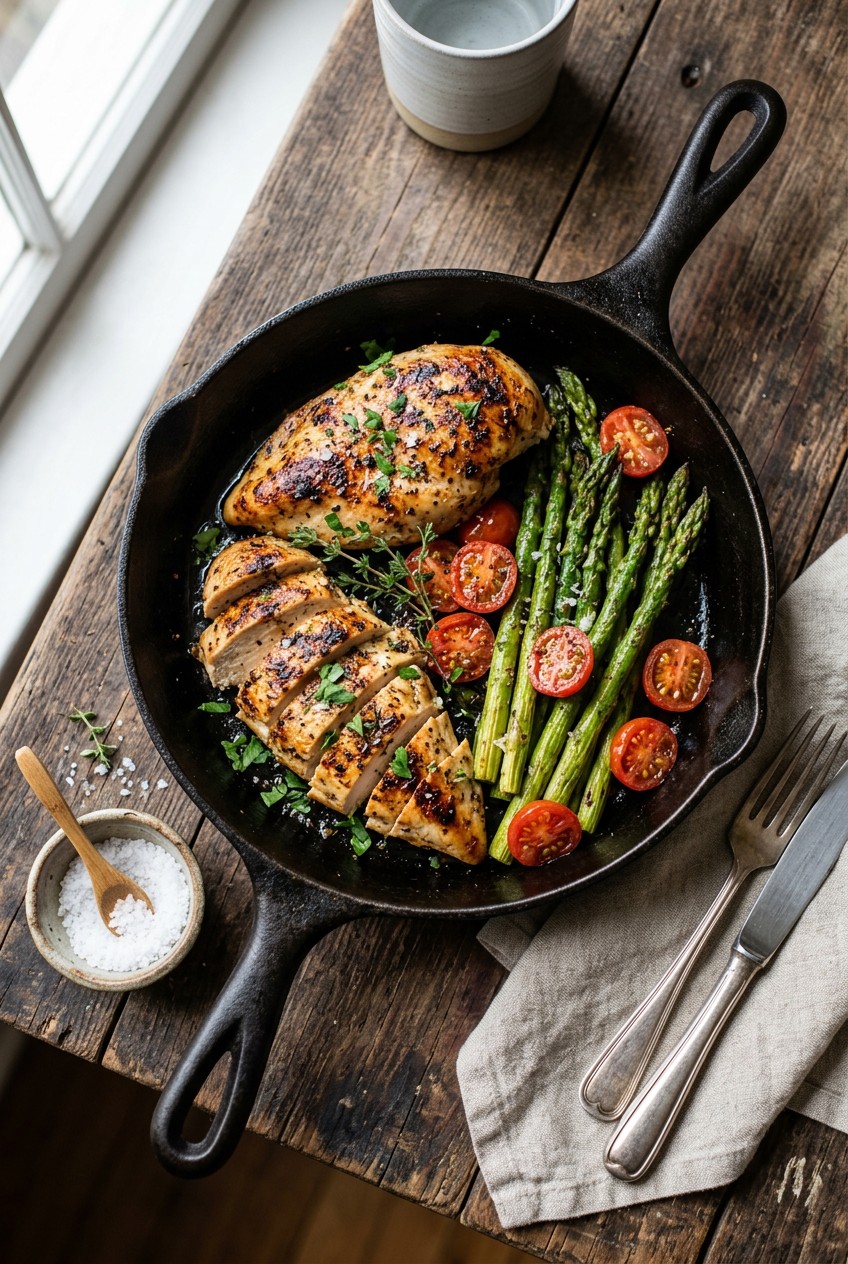
Most people get this wrong right out of the gate. You take a massive, uneven chicken breast straight from the package and throw it in a hot cast iron pan. The thin tail end turns into dry, tough jerky while the thick middle stays dangerously raw and rubbery. I tried this wrong for months before figuring it out. You have to pound your chicken. Grab a box of Glad Press’n Seal (it’s $4.49 at Target for a 70 sq ft roll). Place your chicken between two sheets and whack it with a heavy wooden rolling pin until it’s an even 1/2-inch thick. This ensures uniform cooking and prevents over-drying. For the marinade, I use 1/4 cup Pompeian Extra Virgin Olive Oil ($8.98 for 16 oz at Walmart), 1/4 cup fresh squeezed lemon juice, 2 tablespoons minced fresh garlic, 2 teaspoons dried thyme, 2 teaspoons kosher salt, and 1/2 teaspoon coarse black pepper. Let it sit in a glass bowl for 30 minutes. When you cook this in a skillet, it stays incredibly juicy from edge to edge. I ruined so many dinners before I started pounding my chicken flat. Took me years to figure out that step. Don’t skip it. It makes a massive difference in texture.
2. The 162-Degree Sheet Pan Roast

Overcooking is the quickest way to dry out chicken. I used to slice into my chicken while it was still in the pan to check if it was done. All the clear juices just bled out everywhere, sizzling and evaporating instantly on the hot metal. It was a complete disaster. Now, I use an OXO Good Grips Thermocouple Thermometer (it’s $72.99 on Amazon and worth every single penny). You want to remove your chicken from the oven when the thickest part hits exactly 162°F. Let it rest on a wooden cutting board for about ten minutes. The temperature will continue to rise to a safe 165°F while it sits. For this sheet pan recipe, I toss 1 pound of cubed chicken breast with 2 cups of fresh broccoli florets and 1 tablespoon of Chosen Foods Avocado Oil ($12.99 for 16.9 oz at Sprouts). I spread it out on a metal baking sheet and roast it at 400 degrees for about 18 minutes. The carryover cooking trick is essential here. If you wait until it hits 165°F in the oven, you’re going to eat dry, chalky chicken. Trust me on this. Resting the meat redistributes the juices perfectly. I usually prep this on Sunday afternoons while listening to a podcast. It reheats beautifully for lunch the next day.
3. The Heavy-Handed Herb Rubbed Whole Bird

Bland chicken is a common complaint I hear from my nutrition clients all the time. People are terrified of salt. Don’t skimp on seasoning. For a substantial 4-5 pound whole bird, you need a full 1 tablespoon of Morton Kosher Salt ($3.19 for 3 lbs at Kroger). I rub the coarse salt generously under the skin along with minced garlic, fresh rosemary, sage, and thyme. I buy those little .5 oz plastic clamshells of fresh herbs from the produce section (usually $2.49 each at Trader Joe’s). I used to just sprinkle a tiny, pathetic pinch of table salt on top of the skin. The skin would taste okay, but the thick breast meat underneath was incredibly boring and flavorless. You have to get the salt directly on the meat itself. I roast the whole bird at 425 degrees for an hour until the kitchen smells like roasted herbs and butter. The skin gets perfectly crispy, golden brown, and the meat is deeply seasoned all the way to the bone. It’s fantastic for Sunday meal prep. You can shred the cold leftovers for salads all week long. Just remember to salt aggressively. Your tastebuds will thank you. Now I use sharp kitchen shears to cut right through the joints. It’s so much easier. You might also like: 15 Inspiring Easy Healthy Breakfast Ideas You Can Try Today

The Healthy Family Cookbook: 100 Fast and Easy Recipes for
A dependable everyday pick — The Healthy Family Cookbook: 100 Fast and Easy Recipes for the Whole F pulls in 967 ratings at 4.5 stars. Not flashy, just solid.
4. The Ultimate Sous Vide Garlic Thyme Thighs

I bought an Anova Culinary Sous Vide Precision Cooker ($149.00 at Target) last year on a whim. I thought it was just a trendy gadget for fancy chefs. I was completely wrong. Sous vide cooking involves vacuum-sealing chicken and cooking it in a precise, low-temperature water bath. This method ensures incredibly tender and moist results while preserving water-soluble vitamins like C and B vitamins that can easily be lost in high-heat cooking. I set the water bath to exactly 140°F. I seal 4 boneless skinless chicken thighs in a heavy-duty plastic bag with a sprig of fresh thyme and a smashed garlic clove. I let it cook for 2 hours. When it comes out of the bag, it looks a little pale, wet, and unappetizing. That’s the one honest negative. You absolutely have to sear it in a screaming hot cast-iron pan for 1 minute per side to get some appealing brown color. I use a tablespoon of Kerrygold Pure Irish Butter ($4.48 for 8 oz at Walmart) for the quick sear. The resulting texture is unbelievably soft. It practically melts in your mouth. I serve these thighs with a simple side salad of mixed greens and a sharp vinaigrette. It feels like a restaurant meal at home. You might also like: 20 Creative Easy Healthy Low Calorie Dinner Ideas Worth Trying This Year
5. The Spicy Mustard Baked Breasts

Finding a good dry rub is essential for quick weeknight dinners when you don’t have time to marinate. I keep a homemade blend in a little glass mason jar in my pantry. For a batch of up to 6 chicken breasts or thighs, I mix 2 teaspoons kosher salt, 1 teaspoon ground mustard, 1 teaspoon garlic powder, 1/2 teaspoon onion powder, 1/2 teaspoon paprika, 1/2 teaspoon dried thyme, 1/2 teaspoon dried oregano, and 1/2 teaspoon ground black pepper. I buy my spices in bulk at Costco to save money. The Kirkland Signature Granulated Garlic is only $6.99 for a massive 18 oz container. I coat the raw chicken heavily in this dusty rub until you can’t see the pink meat anymore. I used to just use plain black pepper and wonder why my food was so boring. This mustard and paprika blend creates a beautiful, savory crust when you bake it at 375 degrees for 25 minutes. The ground mustard adds a sharp, tangy kick that cuts through the richness of the meat perfectly. I serve this with a side of roasted sweet potatoes. It’s a reliable staple in my house. The spices really sink into the meat overnight, making the leftovers even better. You might also like: 15 Clever Aesthetic Healthy Lunch Ideas to Inspire Your Next Project
6. The Pastured Organic Chicken Salad

The quality of your chicken significantly impacts both taste and nutrition. I used to buy the cheapest, palest chicken breasts I could find in the discount bin. They were huge, heavy, and pumped full of water. When I cooked them, they shrunk down to half their size and released a weird, cloudy, milky liquid into the pan. Gross. Now, I opt for pastured chicken brands raised outdoors. I recently ordered a 12-pound organic chicken bundle from Perdue Farms for $119.99 online. The raw meat is visibly different. It’s firmer to the touch and has a slightly yellowish tint from the natural foraging diet of the birds. For this cold chicken salad, I shred 2 cups of cooked pastured chicken. I mix it in a bowl with 1/4 cup Primal Kitchen Avocado Oil Mayo ($9.99 for 12 oz at Whole Foods), 1/4 cup finely diced crunchy celery, and 1 tablespoon of chopped fresh dill. The rich flavor of the high-quality chicken actually shines through the mayo. You aren’t just eating a bowl of dressing. It’s rich, savory, and incredibly satisfying on a piece of toasted sourdough bread. I also toss in some chopped walnuts for extra crunch. Making it at home with pastured meat is a million times better.

Taste of Home Light & Easy Weeknight Cooking: 307 Healthy
If you want something that just works, Taste of Home Light & Easy Weeknight Cooking: 307 Healthy Recipes for is a safe bet.
7. The Overnight Lemon Yogurt Skewers

Marinades are key to adding moisture and intense flavor to lean cuts of meat. But you have to give them time to actually work. I used to dunk my chicken in a watery marinade for five minutes and toss it straight on the grill. That does absolutely nothing. The flavor just burns off. You need to marinate chicken for at least 30 minutes, ideally 2-3 hours, or even overnight for the best results. For these skewers, I mix 1/2 cup Fage Total 5% Greek Yogurt ($1.99 for a 5.3 oz cup at Sprouts) with the bright zest of one large lemon, 1 teaspoon ground cumin, and 1 teaspoon ground coriander. I cut 1 pound of chicken breast into 1-inch cubes and toss them in the thick yogurt mixture. I cover the glass bowl tightly with plastic wrap and leave it in the fridge overnight. The lactic acid in the yogurt gently tenderizes the meat fibers. The next day, I thread the meat onto wooden bamboo skewers and grill them over medium heat for 10 minutes. The yogurt creates a beautiful, slightly charred crust. The inside stays incredibly juicy. Don’t rush the marinating process. I serve these over a bed of fluffy quinoa with a side of cucumber salad. Just make sure you oil the grates so the yogurt doesn’t stick.
8. The Low-Sodium Chicken Noodle Soup

Making soup from scratch sounds exhausting after a long day. But it’s actually one of the easiest ways to use up leftover cooked chicken. The secret is the quality of the broth. Most store-bought broths are basically just yellow salt water. I made a huge batch of soup last winter using a cheap generic store-brand broth and it was so aggressively salty I couldn’t even eat it. I had to throw the whole heavy pot away. Now, I strictly use Pacific Foods Organic Low Sodium Chicken Broth ($4.79 for a 32 oz carton at Target). I pour 4 cups of the low-sodium broth into a large Dutch oven with 1 cup of sliced carrots, 1 cup of diced yellow onions, and 1 cup of chopped celery. I let it simmer gently until the vegetables are soft and tender. Then I stir in 2 cups of shredded leftover chicken and 1 cup of Jovial Brown Rice Farfalle Pasta ($4.99 for 12 oz at Whole Foods). The low-sodium broth lets you control the final seasoning yourself. You can actually taste the savory chicken and the sweet vegetables instead of just tasting pure salt. I add a handful of fresh parsley right at the end for some color. This soup freezes beautifully, too.
9. The One-Pan Balsamic Glazed Thighs

I hate doing piles of dirty dishes. That’s why I love a good, rustic one-pan meal. Bone-in, skin-on chicken thighs are incredibly forgiving for beginner cooks. They have more natural fat than breasts, which means they won’t dry out as easily if you accidentally leave them in the hot oven a few minutes too long. I place 4 bone-in thighs skin-side up in a heavy 12-inch cast-iron skillet. In a small bowl, I whisk together 1/4 cup of Colavita Balsamic Vinegar ($6.49 for 17 oz at Kroger), 1 tablespoon of raw honey, and 1 tablespoon of smooth Dijon mustard. I pour this dark, sticky glaze right over the raw chicken. I bake it at 400 degrees for 35 minutes. The sugar in the balsamic vinegar and honey caramelizes in the hot cast-iron pan. It gets dark, thick, and bubbly. Sometimes it burns a little on the edges of the pan, which makes scrubbing the skillet annoying later. But the flavor is incredible. The skin gets sticky and sweet, and the dark meat falls right off the bone. It’s messy but totally worth it. I usually throw some whole cherry tomatoes into the pan during the last ten minutes of baking. It’s a gorgeous combination.

Half Baked Harvest Super Simple: More Than 125 Recipes for
Half Baked Harvest Super Simple: More Than 125 Recipes for Instant has been one of the most consistently praised picks in this category.
12. The Zesty Lime and Cilantro Stuffed Breasts

Stuffing chicken breasts looks incredibly fancy, but it’s actually a brilliant, practical way to keep the lean meat moist from the inside out. I use a sharp paring knife to carefully cut a deep pocket into the thickest side of a large chicken breast. Be very careful not to cut all the way through the other side. I messed that up my first try and all the expensive cheese just melted out onto the hot pan and burned. What a waste. I stuff the pocket generously with a mixture of 2 tablespoons of Kite Hill Dairy Free Cream Cheese ($6.99 for 8 oz at Whole Foods), 1 tablespoon chopped fresh cilantro, and a squeeze of fresh lime juice. I secure the opening shut with a plain wooden toothpick. I sear the stuffed breasts in an oiled pan for 4 minutes per side to get a crust, then transfer them to a 375-degree oven for 15 minutes. The dairy-free cream cheese melts into this rich, tangy, gooey sauce inside the hot meat. When you slice into it, the creamy filling mixes perfectly with the savory pan juices. It’s incredibly decadent but entirely clean. Just remember to pull the toothpick out before you serve it. Serve this alongside some steamed asparagus for a complete, gorgeous meal.
I really hope you try a few of these methods in your own kitchen this week. Cooking poultry doesn’t have to be a miserable, dry, flavorless experience. Once you start pounding your meat flat and using a real digital thermometer, everything changes for the better. I can’t stress enough how much better my Sunday meal prep got when I stopped overcooking everything and started salting aggressively. Pin this page to your favorite recipe board so you have these easy healthy chicken recipes saved for your next grocery run. Let’s make dinner actually taste good again. You’ve got this. If you try the almond flour tenders or the balsamic glazed thighs, let me know how they turn out. I love hearing when people finally conquer their fear of cooking raw poultry. No exaggeration, it’s life-changing when you nail the perfect temperature.

The Well Plated Cookbook: Fast
Honestly, The Well Plated Cookbook: Fast surprised me — sturdier than it looks in the photos.
Frequently Asked Questions
What is the secret to not drying out chicken breasts?
The two biggest secrets are pounding the meat to an even thickness before cooking and using a meat thermometer. Pull the chicken from the heat at 162°F and let it rest; carryover cooking will safely bring it to 165°F without drying it out.
How long should I marinate my chicken?
For the best flavor and texture, marinate your chicken for at least 30 minutes, but ideally 2 to 3 hours. If you are using a yogurt or acid-based marinade, leaving it in the fridge overnight yields the most tender results.
Are easy healthy chicken recipes actually flavorful?
Yes! The key is aggressive seasoning. Most people under-salt their poultry. Use a heavy hand with kosher salt, fresh herbs, and bold spices like smoked paprika and ground mustard to create savory crusts and deep flavor profiles.
Is pastured chicken worth the extra money?
I personally believe it’s worth it. Pastured chicken tends to have a firmer texture and richer flavor compared to conventionally raised poultry. It also shrinks less during cooking and doesn’t release as much watery liquid into your pan.
