What’s Inside
- The Classic Broccoli and Brown Rice Bake
- Dairy-Free Creamy Mushroom Chicken
- Southwestern Black Bean and Chicken Enchilada Bake
- Mediterranean Quinoa and Spinach Bake
- Healthy Chicken Casserole Recipes with Greek Yogurt
- Zucchini Noodle and Parmesan Chicken Bake
- Vegan-Twist Cheesy Chicken and Farro
- Crunchy-Topped Healthy Chicken Casserole Recipes
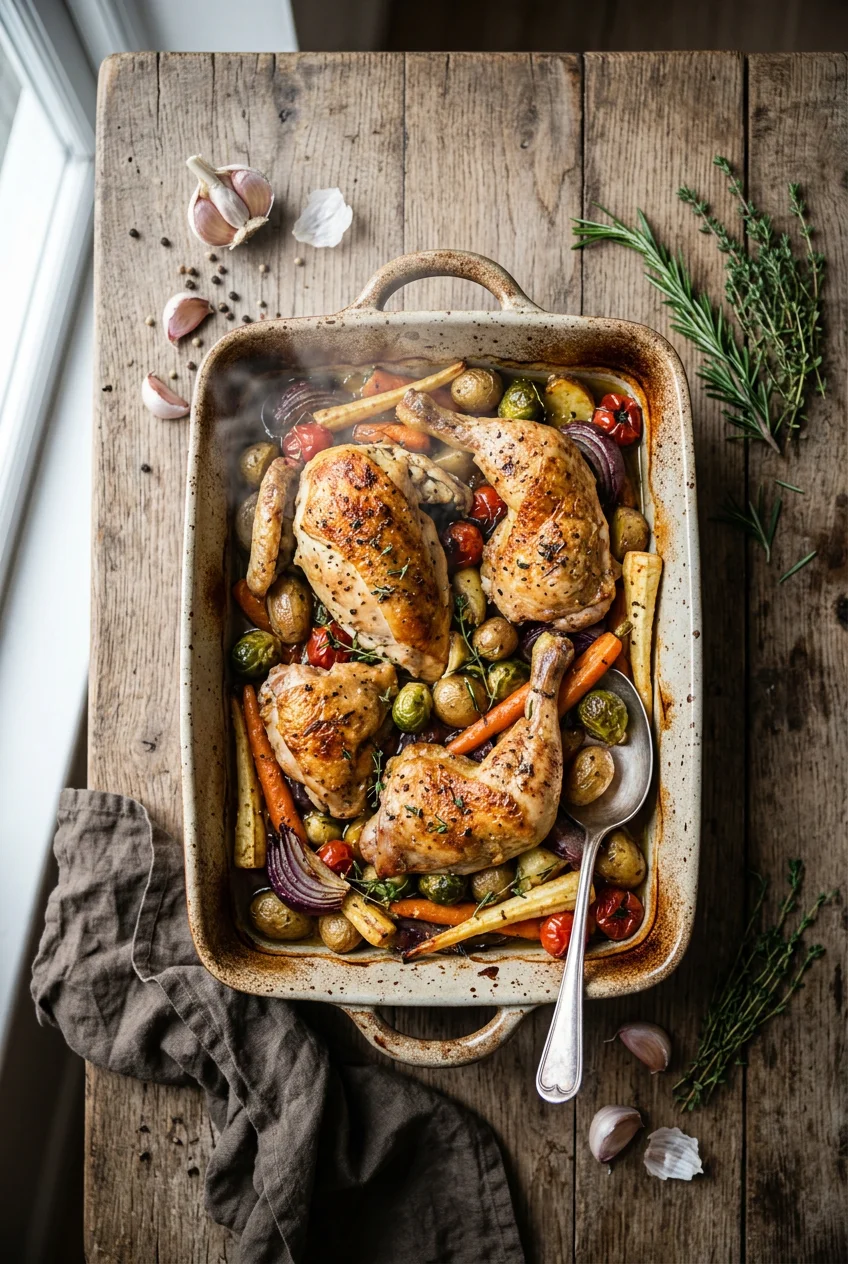
Last November, I pulled a bubbling 9×13 glass dish out of my oven, fully expecting a comforting, cozy dinner. Instead, I scooped out a gray, watery mush of overcooked rice and rubbery chicken that tasted exactly like wet cardboard. The edges were burnt to a crisp while the center was a lukewarm swamp. It smelled like scorched milk and disappointment. Finding healthy chicken casserole recipes that actually taste good without relying on canned cream of mushroom soup is surprisingly difficult. I tried the fat-free sour cream route for months before figuring out it ruins the texture entirely. The dairy separates under high heat, leaving a grainy, unappetizing puddle at the bottom of your pan. Let’s fix that. I’ve spent the last year testing different methods to get that creamy, thick texture without the massive sodium spike. I’m skipping the heavy creams and the processed shortcut ingredients. Cooking a one-pan meal shouldn’t mean sacrificing nutritional value or flavor. I’ve burned edges, undercooked potatoes, and turned expensive pasta into paste so you don’t have to. Here are eight specific concepts I actually make in my own kitchen on busy weeknights.
1. The Classic Broccoli and Brown Rice Bake

I make this variation almost every Tuesday when I’m clearing out the fridge. The secret here is ditching the mushy white rice for a sturdy whole grain. I use 1 cup of uncooked brown rice or sometimes swap in Barilla Whole Grain Spaghetti (usually $2.99 for a 16 oz box at Target) if I want a baked noodle feel. The biggest mistake most people make is tossing raw chicken directly into the baking dish with the grains. I did this once and ended up with a soggy, unappetizing bottom layer. You need to pre-cook your protein to render out the excess water. I use a heavy ceramic 9×13 pan because it distributes the heat much more evenly than thin glass. I grab the Kirkland Signature Organic Boneless Skinless Chicken Breasts from Costco. They run about $5.99 per pound, and the pieces are usually very thick. I cut the chicken into uniform half-inch cubes so they cook evenly, then sear them in 1 teaspoon of extra virgin olive oil just until the outside is lightly browned. You want them slightly pink in the center because they finish cooking in the hot oven to that safe 165°F internal temperature. For the vegetables, I load up on 3 cups of fresh broccoli florets. If you’re using frozen broccoli, you have to thaw and drain it completely first. I learned that the hard way when a bag of icy florets turned my dinner into a literal soup. Add 1/4 cup of grated part-skim mozzarella scattered across the top. This gives you that classic melted cheese pull without making the dish greasy or heavy. Trust me on this.
2. Dairy-Free Creamy Mushroom Chicken

Skip the fat-free canned condensed soups. They taste incredibly artificial and have a strange, gelatinous texture straight out of the tin. I refused to make casseroles for years because I thought canned soup was a mandatory binder. Instead, you can make a simple roux right on your stove in five minutes. I’d rather spend five minutes making a roux than eat the processed stuff. I heat 1 tablespoon of olive oil in a skillet, whisk in 1 tablespoon of whole wheat flour, and slowly pour in 1 cup of Trader Joe’s Organic Low Sodium Chicken Broth. It costs about $2 per carton and only has 50mg of sodium per cup. You can use regular all-purpose flour if you don’t have whole wheat, but the whole wheat adds a slightly nutty flavor that pairs well with the earthy mushrooms. This creates a thick, velvety sauce that coats the chicken perfectly without the dairy. The real trick to this dish is handling the mushrooms properly. Mushrooms are essentially tiny sponges holding water. If you throw raw sliced mushrooms into your baking dish, they release all that liquid during baking and thin out your beautiful sauce. I always par-cook them first. I slice up 8 oz of fresh cremini mushrooms and sauté them in a dry pan for 5-7 minutes. You’ll see them release a pool of brown liquid and shrink down to half their size. Then I mix them into the homemade roux along with the diced chicken. It makes a massive difference in the final texture. The sauce stays thick and sticks to the meat instead of pooling in a watery mess at the bottom of the pan.
3. Southwestern Black Bean and Chicken Enchilada Bake

This is my default choice when I have leftover shredded chicken sitting in a Tupperware container. I stretch the meat by adding plant-based proteins. Tossing in a 15-ounce can of no-salt-added black beans (drained and rinsed well) adds serious bulk and fiber. This means I only need about 2 cups of shredded chicken to completely fill a large 9×13 pan. To build the enchilada sauce base, I skip the jarred stuff from the Mexican aisle. I use 1.5 cups of Pacific Foods Low Sodium Organic Free Range Chicken Broth (usually $4.49 at Whole Foods) mixed vigorously with 2 tablespoons of thick tomato paste. The flavor comes entirely from the dried spices. I use a heavy hand here. I mix in 1 teaspoon each of garlic powder, onion powder, smoked paprika, cumin, and dried oregano. When you mix those spices into the broth, the kitchen immediately smells like a high-end taqueria. This spice blend gives it a deep, smoky flavor without relying on heavy salt. I layer this mixture with corn tortillas and 1 cup of diced green bell peppers. I used to use flour tortillas for this, but they turn to absolute mush in the oven. Corn tortillas hold their structure and give a slight chew. I bake it at 375°F for 25 minutes. The edges of the top tortillas get crispy and dark, while the sauce thickens up beautifully underneath. When you pull it out of the oven, let it sit for at least ten minutes before slicing into it. If you cut it immediately, the hot sauce will run everywhere. You might also like: 9 Summer Pasta Salad Recipes You Need to See

Downshiftology Healthy Meal Prep: 100+ Make-Ahead Recipes
Downshiftology Healthy Meal Prep: 100+ Make-Ahead Recipes and Quick-As has been one of the most consistently praised picks in this category.
4. Mediterranean Quinoa and Spinach Bake

Quinoa can be incredibly boring if you don’t treat it right. It often tastes like dusty seeds. I use 1 cup of uncooked quinoa as the base for this Mediterranean-inspired bake. I rinse it thoroughly in a fine mesh sieve first to remove the bitter outer coating. I mix the raw, wet quinoa directly into the baking dish with 2 cups of low-sodium broth. Then comes the vegetable bulk. I aim for at least 3 cups of non-starchy vegetables to bulk up the volume. I usually grab a bag of Simple Truth Organic Frozen Spinach from Kroger. It costs around $3.29 for a 10 oz bag. You must squeeze every single drop of water out of that thawed spinach before adding it. I wrap it in a clean dish towel and twist it over the sink until my hands hurt. If you skip this step, your quinoa won’t absorb the broth properly and will stay crunchy. I add 1.5 pounds of cubed raw chicken breast, 1/2 cup of chopped sun-dried tomatoes packed in oil (drained), and 1 tablespoon of extra virgin olive oil. I prefer using chicken breast for this specific dish because the goat cheese already provides enough richness, but you could use boneless skinless thighs if that’s what you have on hand. The bright red sun-dried tomatoes against the dark green spinach makes the dish look incredibly vibrant. The strong flavor component comes from the cheese. Instead of loading it with mild mozzarella, I crumble 3 ounces of tangy goat cheese over the top right before baking. Goat cheese has such a pungent bite that you need very little of it to get a massive flavor impact. You might also like: 8 Healthy Late Night Snacks Worth Trying
5. Healthy Chicken Casserole Recipes with Greek Yogurt

Finding healthy chicken casserole recipes that actually replicate the rich creaminess of traditional comfort food took me a lot of trial and error. Sour cream and heavy whipping cream make dishes feel heavy in your stomach, but fat-free dairy alternatives curdle and separate in the high heat of the oven. The solution is plain, full-fat or 2% Greek yogurt. I buy the 32 oz tub of Fage Total 2% Greek Yogurt from Sprouts for about $6.99. I prefer Fage because it has a significantly thicker texture than other brands, which prevents the casserole from becoming watery during the long baking time. I use a 1:1 ratio, swapping 1 cup of Greek yogurt for whatever heavy cream the traditional recipe calls for. You have to temper the yogurt first by stirring a few spoonfuls of the hot pan liquids into it before mixing it into the main dish. If you dump cold yogurt into a hot pan, it will break into white flakes. This particular recipe uses denser root vegetables. I use 2 cups of diced sweet potatoes and 1 cup of diced carrots. You can’t just throw raw carrots and sweet potatoes into a 30-minute casserole. They won’t cook through, and you’ll bite into raw, crunchy carrots. I par-cook them by roasting them on a sheet pan at 400°F for 15 minutes until they are slightly tender. Then I fold them into the yogurt and chicken mixture. The yogurt coats the roasted vegetables and creates a tangy, thick sauce. No exaggeration, it’s a winner. You might also like: 8 Healthy Desserts Easy You Need to See
6. Zucchini Noodle and Parmesan Chicken Bake

Zucchini is notoriously difficult to bake with. Last summer, I tried making a low-carb chicken bake by layering raw zucchini noodles directly in the pan. After forty minutes in the oven, it looked like a swimming pool. Zucchini is mostly water, and it releases all of it when heated. Now, I always par-cook it. I spiralize 3 medium zucchinis and spread the green noodles out on a large metal baking sheet. I roast them at 400°F for 10-15 minutes just to dry them out. The zucchini noodles should look slightly shriveled and dry to the touch before you layer them. They shrink significantly in volume, which is exactly what you want. Once they are dehydrated a bit, I layer them in a 9×13 dish with 2 cups of shredded, cooked chicken breast and 1.5 cups of homemade tomato marinara sauce. I make a quick marinara using crushed canned tomatoes, garlic, and basil, but a low-sugar jarred version works if you’re short on time. For the cheese, I keep it minimal but highly impactful. I use 1/4 cup of BelGioioso Grated Parmesan, which runs about $4.99 at Walmart. Parmesan is aged and naturally lower in moisture, giving you a sharp, salty flavor without the greasy oil slick that cheddar leaves behind on the surface. I sprinkle the Parmesan evenly over the top and bake it at 375°F for 20 minutes. The zucchini noodles retain a slight bite, and the tomato sauce stays thick and rich.

The Well Plated Cookbook: Fast
The Well Plated Cookbook: Fast has been one of the most consistently praised picks in this category.
7. Vegan-Twist Cheesy Chicken and Farro

Sometimes I want a deeply cheesy flavor profile without using any actual dairy. That’s where nutritional yeast comes in. I resisted trying this ingredient for years because the name sounds terribly unappetizing. I finally bought a bottle last Tuesday to experiment with dairy-free sauces. I use Bragg Nutritional Yeast Flakes, which cost around $15 for an 8 oz container at Whole Foods. It looks like yellow fish food flakes, but it provides an intense, savory, umami flavor that mimics sharp cheddar cheese surprisingly well. For the base, I use 1 cup of uncooked farro. Farro has a dense, chewy texture that holds up beautifully in the oven without getting mushy. I simmer the farro on the stove in 2.5 cups of water for 15 minutes until it’s par-cooked. The farro will absorb the water slowly, simmering with a soft bubbling sound until the grains are plump. Then I mix the warm farro in a baking dish with 1.5 pounds of diced, raw chicken thighs, 2 cups of roughly chopped green kale, and 3 tablespoons of the nutritional yeast. Make sure to remove the tough center stems from the kale before chopping it, otherwise you’ll be chewing on woody pieces that never fully soften in the oven. I pour 1 cup of low-sodium chicken broth over the top to give the farro enough liquid to finish cooking in the oven. The nutritional yeast melts directly into the warm broth, creating a savory, golden sauce that coats the chewy grains and tender chicken thighs perfectly.
8. Crunchy-Topped Healthy Chicken Casserole Recipes

The best part of any baked dish is the crispy top layer. Traditional recipes rely on fried canned onions or butter-soaked Ritz crackers to get that texture. When I’m developing healthy chicken casserole recipes, I want that satisfying crunch without the heavy oils. Store-bought breadcrumbs aren’t usually whole grain. I make my own breadcrumbs using Ezekiel 4:9 Sprouted Grain Bread. I buy a frozen loaf for $6.49 at Trader Joe’s and keep it in my freezer. I toast two slices until they are completely dry and hard, pulse them in a food processor, and toss the crumbs with 1 teaspoon of olive oil and a pinch of nutritional yeast. This mixture toasts up beautifully in the oven. For the filling, I usually make a pasta base. The biggest mistake people make here is boiling the pasta until it’s completely soft. If you do that, it turns to absolute mush in the oven. You have to cook it 2-4 minutes shy of the package directions. It should be very firm—almost crunchy in the center—when you drain it. I mix the al dente pasta with 2 cups of shredded chicken, 1 cup of frozen peas, and a light yogurt sauce. I run the frozen peas under warm water in a colander for thirty seconds just to take the chill off before mixing them in, so they don’t drop the temperature of the whole dish. I spread the sprouted grain breadcrumbs over the top and bake for 25 minutes. The pasta finishes cooking in the sauce, and the topping gets incredibly crunchy. It’s perfection.
Cooking a single-dish meal doesn’t mean you have to rely on highly processed ingredients or heavy creams. I highly recommend starting with the dairy-free mushroom version I mentioned earlier. It’s the one I make most often when I’m tired and just want something warm and comforting. The homemade roux technique is something you’ll end up using in dozens of other meals once you see how easy it is. Don’t forget to experiment with the vegetable ratios once you get comfortable with the base recipes. If you found these ideas helpful, please pin this post to your dinner inspiration board. It makes it much easier to find the exact baking times and temperatures the next time you’re staring at a package of chicken breasts at 5 PM wondering what to make.
Frequently Asked Questions
How do I prevent my healthy chicken casserole from getting watery?
The most common culprit is raw vegetables releasing water during baking. You must par-cook watery vegetables like mushrooms or zucchini first. Sauté them in a dry pan or roast them for 10 minutes to remove excess moisture before adding them to your baking dish.
Can I freeze these healthy chicken casserole recipes before baking?
Yes, most casseroles freeze beautifully. Assemble the dish completely but don’t bake it. Wrap the pan tightly in plastic wrap, then aluminum foil. When you’re ready to eat, thaw it overnight in the fridge and add 10-15 minutes to the standard baking time.
What is a good substitute for heavy cream in casseroles?
Plain, full-fat or 2% Greek yogurt is an excellent substitute for heavy cream. It provides a thick, rich texture and a boost of protein. Just remember to temper the yogurt with a little hot liquid from the pan before mixing it in so it doesn’t curdle.
Do I have to cook the chicken before putting it in the casserole?
Yes, you should always pre-cook your chicken. Adding raw chicken directly to the dish releases excess water, making the bottom soggy. Searing diced chicken in a pan for a few minutes ensures a better texture and guarantees it reaches a safe 165°F internal temperature.
