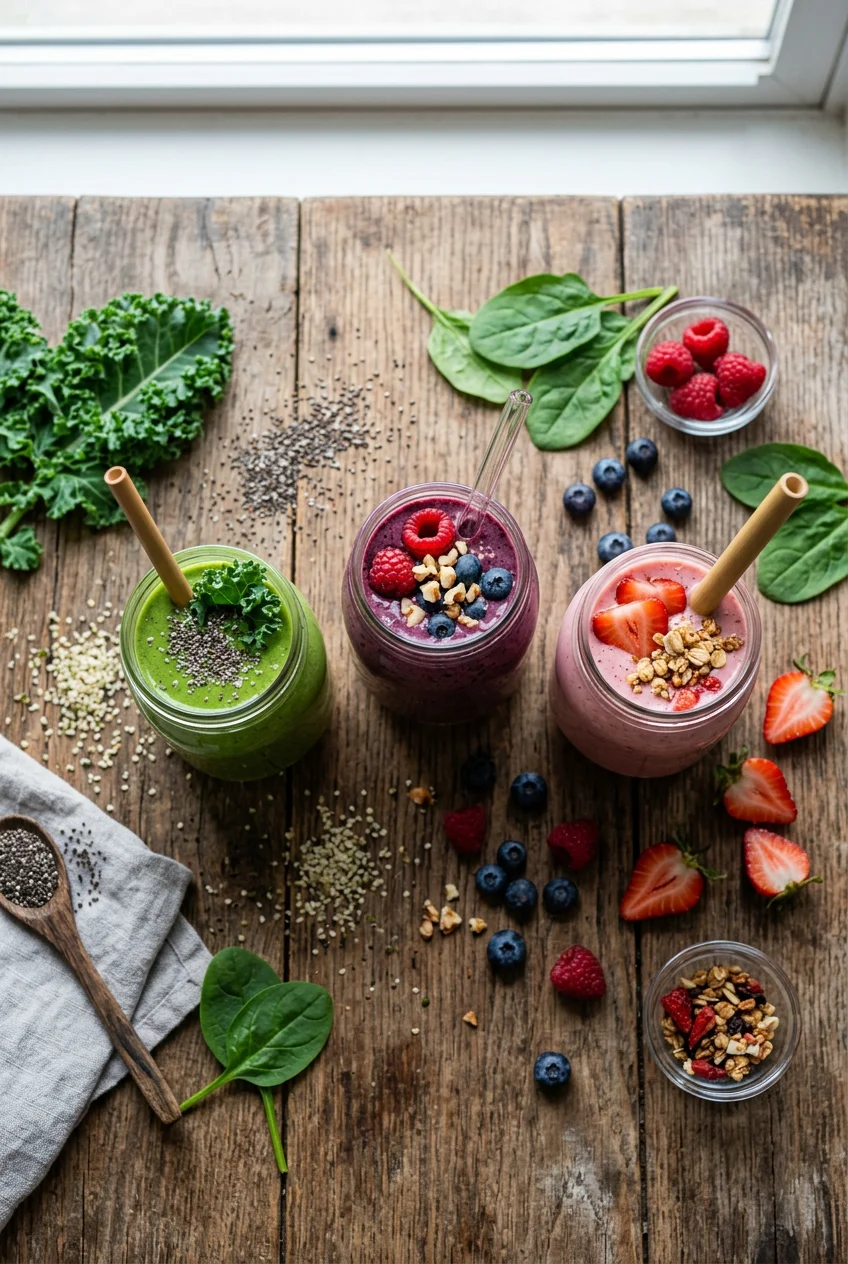
What’s Inside
- Building Protein-Packed Smoothie Recipes For Belly Fat Loss
- The Hidden Greens Spinach Blend
- The Avocado Cream Healthy Fat Method
- The Low-Sugar Kiwi Strawberry Mix
- The Ginger Turmeric Metabolism Kick
- The MCT Oil Morning Catalyst
- The Gut-Healing Collagen Concoction
- The Probiotic Greek Yogurt Thickener
- Using Resistant Starch In Smoothie Recipes For Belly Fat Loss
Last Tuesday at Whole Foods, I watched a woman order a $12 detox drink loaded with apple juice, three bananas, and heavy agave nectar. I used to make that exact mistake before I started developing actual smoothie recipes for belly fat loss. I’d blend up massive fruit bombs thinking I was being incredibly healthy, only to crash hard by 10 AM with intense sugar cravings and a headache. If you want to see real results, you’ve got to stop treating your morning blender routine like a soft-serve ice cream machine. Smoothies can easily pack 800 calories if you aren’t paying attention to the specific ingredients going into the hot, whirring pitcher. I learned that the hard way after drinking massive tropical blends for months and wondering why my clothes were getting tighter.
Creating a functional meal replacement requires a methodical approach to macronutrients. You need a specific balance of high-quality protein, dietary fiber, and healthy fats to stabilize your blood sugar and keep your digestion moving. I’m going to walk you through the exact formulas I use in my own kitchen. These aren’t generic fruit purees. They’re structured, nutrient-dense meals designed to support metabolic health. Let’s break down the specific components you need to build a better breakfast.
1. Building Protein-Packed Smoothie Recipes For Belly Fat Loss

The foundation of any functional morning blend is a high-quality protein source. I incorporate 1 to 2 scoops, which yields about 20 to 30 grams of protein, into every single batch I make. This specific amount is crucial because it boosts satiety and preserves lean muscle mass, which directly dictates your resting metabolic rate. For a long time, I skipped protein powder entirely because I hated the gritty, chalky texture it left in my cup. I tried a cheap generic brand from a drugstore back in 2019, and it tasted like wet sand. It ruined my breakfast for a week before I finally threw the tub in the trash.
Now, I strictly use Optimum Nutrition Gold Standard 100% Whey. A 2-pound tub costs exactly $59.99 at Target, and it dissolves completely without leaving any residue at the bottom of the blender. I buy the Double Rich Chocolate flavor because it masks the taste of the earthy greens I add later. If you’re sensitive to dairy, Garden of Life Raw Organic Protein is a solid plant-based alternative that costs around $48.99 for a 22-ounce container. The plant proteins tend to need a little extra liquid to blend smoothly, so keep that in mind when measuring your base. Adding this protein means I’m not digging through my pantry for a snack two hours after breakfast. It keeps my hunger completely suppressed until lunch. Trust me on this.
2. The Hidden Greens Spinach Blend

You need to load up on leafy greens, but you’ve got to do it strategically to avoid drinking something that tastes like a lawnmower bag. I add a generous handful, usually 1 to 2 packed cups, of baby spinach to my pitcher every morning. Spinach is incredibly low in calories but exceptionally high in fiber, vitamins, and minerals. More importantly, it blends down to virtually nothing. You get the bright green visual without any bitter aftertaste. I buy the O Organics Baby Spinach in the 5-ounce plastic clamshell container for $3.99 at my local Kroger.
I learned a hard lesson about blending greens last winter. I tried to use mature, curly kale without removing the thick stems, and I didn’t add enough liquid. I ended up physically chewing my smoothie on the drive to work, which is a textural nightmare I won’t repeat. If you’re going to use kale, you must remove the woody stems and blend the greens with your liquid base first. Before adding any ice or frozen fruit. This two-step blending process pulverizes the leaves completely. The fiber from these greens slows down digestion, which prevents insulin spikes and supports a steady release of energy throughout the morning. It’s a non-negotiable step for metabolic health.
3. The Avocado Cream Healthy Fat Method

A common mistake people make is fearing dietary fats in their drinks. I used to make fat-free smoothies, and my stomach would be growling before I even finished my commute. Healthy fats increase satiety and support hormone balance, which helps you feel fuller for much longer. They’re also required for your body to absorb the fat-soluble vitamins present in your leafy greens. However, the source of that fat matters immensely. You might also like: 9 Carrot Salad Recipes Worth Trying
I used to buy those massive 27-ounce jars of almond butter at Costco for $12.99 and blindly scoop three tablespoons into my blender. I was adding 300 extra calories without realizing it. No exaggeration. Now, I use 1/4 to 1/2 of a fresh Hass avocado instead. As expert Dr. Nancy Rahnama notes, “Gram-for-gram, avocados contain 160 calories per 100 grams, while peanuts contain a huge 567 calories.” Substituting avocado for heavy nut butters gives you a lower-calorie healthy fat alternative that also creates a remarkably thick, creamy texture similar to a milkshake. If I don’t have ripe avocados, I use exactly 1 tablespoon of chia seeds, which I buy in a 2-pound bag for $9.99 at Trader Joe’s. You’ve got to measure your fats carefully with a physical measuring spoon, otherwise, the calorie density will work against your goals. You might also like: 8 Healthy Late Night Snacks Worth Trying

GDOR Professional Blender for Kitchen
GDOR Professional Blender for Kitchen has been one of the most consistently praised picks in this category. 110 reviewers averaged 4.5/5.
4. The Low-Sugar Kiwi Strawberry Mix

Fruit is healthy, but tossing three different kinds of tropical fruit into a blender is a recipe for a massive blood sugar spike. You have to limit your fruit to exactly 1 to 1.5 cups per batch to avoid excessive sugar intake. High blood sugar triggers insulin release, which actively hinders your body’s ability to burn stored energy. I opt for berries like strawberries, blueberries, or raspberries, along with kiwi or green apples. These specific fruits are much lower in sugar and higher in dietary fiber than tropical options like mango, pineapple, or bananas. You might also like: 12 Quick Dinner Ideas Healthy for Every Budget
I made a huge mistake a few years ago when I started using sweetened vanilla almond milk as my liquid base. I bought a half-gallon at Trader Joe’s for $2.99, not reading the label, and combined it with a cup of frozen mango. I was essentially drinking a dessert. You must avoid fruit juices and sweetened plant milks entirely. They add unnecessary empty calories without providing the beneficial fiber of whole fruit. I exclusively use unsweetened almond milk, plain coconut water, or just filtered water from my fridge. A 64-ounce carton of Silk Unsweetened Almond Milk costs $3.49 at Walmart, and it provides the perfect neutral base without altering your daily sugar intake.
5. The Ginger Turmeric Metabolism Kick

Spices are the most overlooked ingredients in functional nutrition. I always add 1/2 to 1 inch of fresh ginger root, peeled and grated, along with exactly 1/2 teaspoon of ground turmeric to my pitcher. These specific spices contain active compounds like gingerols and curcumin, which have documented anti-inflammatory properties and aid in digestion. Inflammation can cause water retention and digestive bloating, so keeping it in check is vital for a flat stomach.
Be incredibly careful with the fresh ginger. Last October, I was in a rush and tossed a whole 2-inch unpeeled knob of ginger directly into the blender. The resulting drink was so intensely spicy it burned the back of my throat, and I had to pour the entire batch down the sink. You need to peel the ginger using the edge of a metal spoon to scrape the skin off, then grate it so it blends evenly. I buy fresh ginger root at Sprouts for about $3.99 a pound, and a single piece lasts me weeks in the crisper drawer. The turmeric adds a slightly earthy flavor and a bright orange hue, but you won’t taste it at all if you balance it with a cup of tart raspberries.
6. The MCT Oil Morning Catalyst

MCT oil is a staple in my kitchen for very specific metabolic reasons. I add 1 tablespoon of MCT oil to my morning blend to provide immediate, accessible energy. Medium-chain triglycerides are rapidly absorbed by the liver and converted into ketones, which your body can use for immediate fuel rather than storing them. This process can increase calorie burning and significantly suppress your appetite until your next meal.
I strictly use Bulletproof Brain Octane C8 MCT Oil. A 32-ounce bottle costs $39.99 at Whole Foods. I buy this specific brand because it contains only C8 (caprylic acid), which is the most efficient fatty acid for quick energy conversion. I have to warn you about dosing, though. When I first bought it, I poured two full tablespoons into my cup on an empty stomach. I spent the next hour dealing with severe stomach cramps and digestive distress. I learned that the hard way. You must start with exactly 1 teaspoon and gradually increase your dose over two weeks to allow your digestive system to adapt. Once your body gets used to it, the mental clarity and physical energy it provides are highly noticeable.

Ninja Blendboss™ | Personal Blender for Smoothies & Frozen
Ninja Blendboss™ | Personal Blender for Smoothies & Frozen Drinks | 26 punches above its price — 514 buyers rated it 4.5 stars. I would buy it again.
7. The Gut-Healing Collagen Concoction

Gut health dictates everything from your immune system to your waistline. I stir in 1 to 2 scoops, which is exactly 20 grams, of unflavored collagen peptides into my liquid base before blending. This trending approach supports the integrity of your gut lining, and the extra protein content contributes heavily to overall satiety. The amino acid profile in collagen, specifically glycine and glutamine, is different from whey protein, making them excellent complementary ingredients.
I use Vital Proteins Collagen Peptides. A 20-ounce blue tub costs $47.00 at Walmart. I made the mistake of buying a cheaper, vanilla-flavored collagen brand online once. It was loaded with stevia and artificial flavoring, and it made my entire breakfast taste like a diet soda. Unflavored collagen is the only way to go because it’s completely undetectable. It dissolves instantly in cold liquid and doesn’t change the texture of your drink at all. I’ve noticed a significant reduction in post-meal bloating since I started incorporating this daily, and the fact that it adds 18 grams of protein without any extra carbohydrates makes it a highly efficient ingredient.
8. The Probiotic Greek Yogurt Thickener

A watery smoothie is a useless smoothie. You need to master the liquid-to-solid ratio to create a thick, spoonable consistency rather than a thin, drinkable one. A good starting baseline is exactly 1 cup of liquid for every 2 to 3 cups of solid ingredients. When your meal is thick enough to require a spoon, you’re forced to consume it slower. Drinking too fast is a common mistake that bypasses your brain’s satiety signals, leading to overconsumption later in the day.
To get that perfect texture, I add exactly 1/2 cup of plain, unsweetened Greek yogurt. I buy the Fage Total 2% Greek Yogurt in the 32-ounce tub for $6.99 at Target. This specific ingredient provides beneficial bacteria that support a healthy gut microbiome, which clinical research increasingly links to weight management. I used to use standard yogurt, but Greek yogurt has the whey strained out, making it much thicker and significantly higher in protein. The tartness of the plain yogurt also perfectly balances the natural sweetness of the berries. If you prefer a dairy-free option, plain unsweetened coconut kefir works just as well for providing those essential probiotics.
9. Using Resistant Starch In Smoothie Recipes For Belly Fat Loss

This is the most unconventional ingredient on my list, but it’s highly effective. I blend in exactly 1/4 cup of cooked and thoroughly cooled white beans, or half of a raw green banana. These specific ingredients are incredibly dense sources of resistant starch. Resistant starch acts as a prebiotic, meaning it bypasses early digestion and travels to your colon to feed beneficial gut bacteria. This process produces short-chain fatty acids, which can improve insulin sensitivity and increase fat oxidation.
I know putting beans in a blender sounds disgusting. I thought the same thing when another nutritionist suggested it to me last year. I stared at a can of Cannellini beans on my counter for ten minutes before finally rinsing a handful and tossing them in. I was entirely wrong to be skeptical. The beans add absolutely zero flavor, but they create a velvety, rich texture that mimics heavy cream. I buy the 15-ounce cans of Simple Truth Organic Cannellini Beans for $1.49 at Kroger. I also make sure to add exactly 1/2 teaspoon of ground cinnamon when I use beans or green bananas. Cinnamon has been shown to help regulate blood sugar levels, preventing energy crashes. The combination of resistant starch and cinnamon keeps my energy perfectly stable until the early afternoon.
Developing a proper morning routine takes a bit of precision, but the results are worth the effort of measuring your ingredients. Don’t stick to the exact same recipe every single day. You need to rotate your greens, switch up your berry varieties, and alternate between whey and collagen to ensure a wide spectrum of micronutrients. This prevents your body from adapting to the same inputs and keeps your digestion working well. I recommend starting with the spinach, berry, and Greek yogurt combination to get a feel for the proper thick consistency. Pin this guide to your healthy eating boards so you can reference these exact measurements the next time you’re standing in the grocery store aisle trying to remember which protein powder actually dissolves.

Ninja Professional Plus Blender | Max Power Smoothie
Honestly, Ninja Professional Plus Blender | Max Power Smoothie Blender surprised me — sturdier than it looks in the photos, and over 19 buyers gave it 4.5 stars.
Frequently Asked Questions
What is the best liquid base for a fat loss smoothie?
Unsweetened almond milk, plain coconut water, or filtered water are the best options. Avoid fruit juices and sweetened milks entirely, as they add unnecessary empty calories and spike blood sugar without providing beneficial fiber.
How much fruit should I put in my smoothie?
Limit fruit to exactly 1 to 1.5 cups per batch. Opt for lower-sugar options like strawberries, raspberries, or green apples rather than tropical fruits like mango or pineapple to prevent insulin spikes.
Why should I add avocado to my smoothie?
Avocado provides essential healthy fats that increase satiety and help absorb fat-soluble vitamins from greens. Gram-for-gram, it is significantly lower in calories than nut butters while providing a thick, creamy texture.
Can I use raw kale in my blender?
Yes, but you must remove the woody stems first. Always blend the kale leaves with your liquid base before adding ice or frozen fruit to ensure it pulverizes completely and avoids a chunky texture.
