What’s Inside
- Master Internal Temperature for Perfect Breasts
- Brine for Unbeatable Juiciness
- Pound Chicken to Even Thickness
- Use the Tenderizing Power of Yogurt Marinades
- Re-purpose Pickle Juice for Flavor
- Implement Two-Zone Grilling for Healthy Grilled Chicken Recipes
- Craft Healthy, Low-Sodium Marinades
- Strategic Sauce Application
- Prioritize Lean Cuts and Mindful Portions
- Embrace Global “Swicy” Flavor Trends
- Utilize Pellet Grills for Healthy Grilled Chicken Recipes
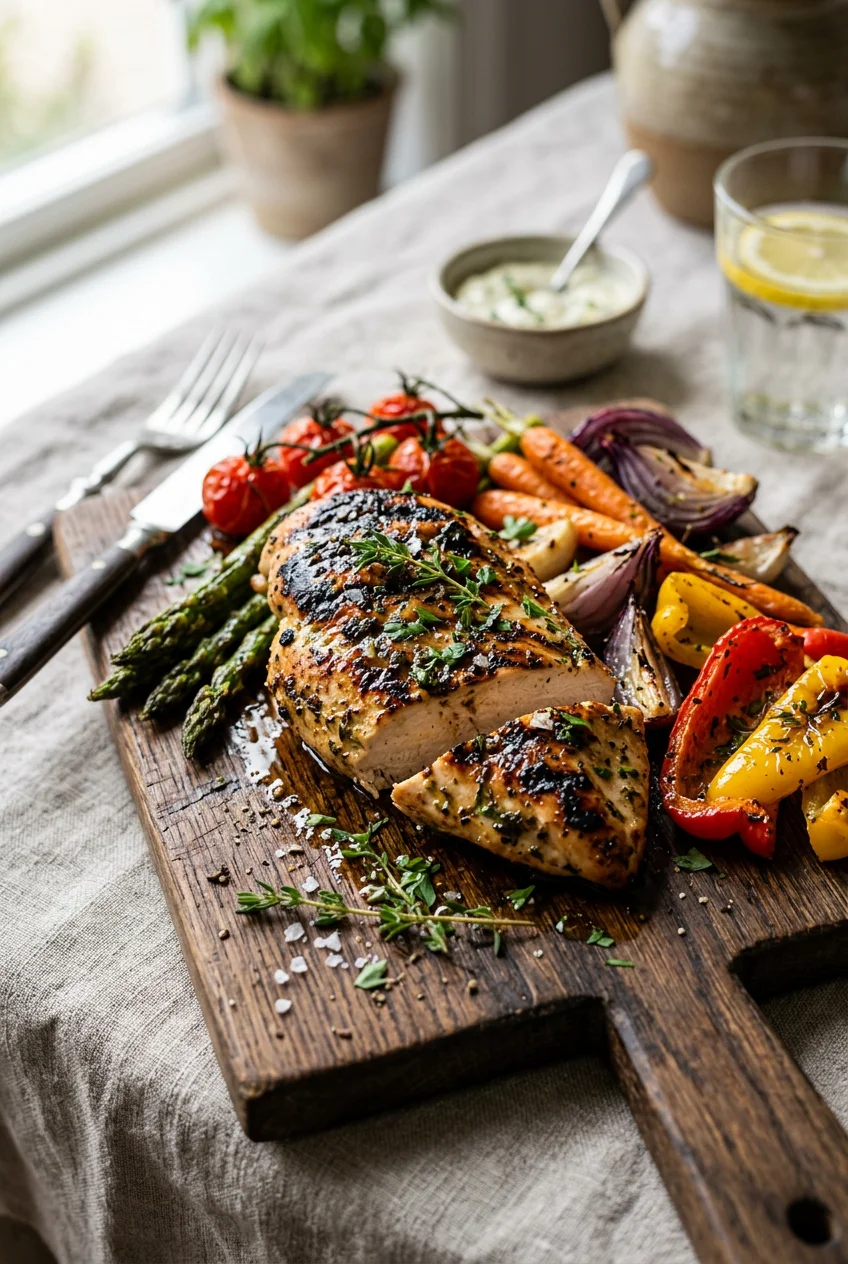
Last July at my brother’s backyard barbecue, I bit into a piece of chicken so dry it crumbled like sawdust on my tongue. That single embarrassing moment forced me to rethink my entire approach to healthy grilled chicken. I spent the rest of the summer testing marinades, temperatures, and cuts until I figured out why my meal preps tasted like wet cardboard. I’m a nutritionist, so I’ve always prioritized lean protein, but I realized I was sacrificing too much flavor for the sake of macros. You don’t have to eat dry, stringy meat just because you’re eating clean. It’s possible to prep juicy, satisfying poultry without drowning it in sugar and refined oils. I’ll walk you through the exact methods, temperatures, and specific grocery store products I use to keep my weekly prep edible. Follow these steps, and you won’t ever have to choke down another piece of rubbery diet food again.
1. Master Internal Temperature for Perfect Breasts

I cooked chicken blind for years. I’d slice into the thickest part of the breast, watch the juices run, and hope for the best. Usually, it ended up rubbery and difficult to swallow. You can’t guess internal temperatures based on touch or juice color. I bought the ThermoPro TP20 digital meat thermometer for $34.99 at Target last September, and it changed my meal prep. Chicken breasts need to hit exactly 165°F (74°C). Dark meat like thighs and drumsticks should reach 170-175°F (77-79°C) so the connective tissue breaks down. I tried pulling breasts off the grill at 155°F once because a forum said carryover cooking would finish the job. It didn’t. I ended up microwaving raw pink chicken pieces that night, which ruined the texture and made it taste like rubber—I learned that the hard way. Keep the metal probe in the thickest part of the meat. Don’t touch the bone, or you’ll get a false high reading. If you’re serious about eating clean protein, a fast-reading thermometer is non-negotiable. The dual probes on the ThermoPro let me monitor the grill grate and the meat at the same time. It’s a small investment that saves you from chewing through dry protein every Sunday afternoon.
2. Brine for Unbeatable Juiciness

Lean protein dries out fast over open flames. I skipped brining for a long time because it felt like extra work. Then I tried grilling plain breasts for a client and they turned out aggressively tough. A basic saltwater brine forces liquid into the muscle fibers before the heat pushes it out. My standard ratio is 1/4 cup of Morton’s Coarse Kosher Salt (usually $3.19 at Kroger) dissolved into 4 cups of cold water. I submerge 2 lbs of boneless, skinless chicken breasts in a large glass bowl for 1.5 hours. Don’t leave them in overnight. I made that mistake last Thanksgiving and the meat was so salty it was inedible. Bone-in cuts need about 2 to 3 hours. Always pat the meat dry with paper towels before it hits the grates. If the surface is wet, the chicken steams instead of searing, and you won’t get those crisp grill marks. You’ll just get a pale, unappetizing exterior. Brining adds zero fat to your macros but prevents the stringy texture that makes people hate diet food.
3. Pound Chicken to Even Thickness

A standard chicken breast is a logistical nightmare for a hot grill. The top end is two inches thick, while the tail tapers to a millimeter. If you cook the thick end to 165°F, the thin end turns into chicken jerky. I used to accept the burnt ends until I started pounding my poultry. I place the raw breasts inside Ziploc Gallon Slider Bags ($5.49 for a 30-count box at Walmart) to contain the mess. Don’t skip the plastic. I once tried pounding raw chicken between wax paper and sent juice flying across my counter. Using a heavy cast-iron skillet or a meat mallet, I flatten the breast to an even 1/2-inch thickness. This ensures the whole piece finishes at the same time. It also increases the surface area, meaning you get more of that smoky flavor in every bite. The flattened meat cooks in half the time, usually 3 to 4 minutes per side. It’s the easiest way to fix uneven cooking, and you don’t need fancy equipment to do it. You might also like: 20 Beautiful Aesthetic Low Calorie Dinner Ideas That Changed Everything

Gordon Ramsay’s Healthy
If you want something that just works, Gordon Ramsay’s Healthy is a safe bet.
4. Use the Tenderizing Power of Yogurt Marinades

Acidic marinades made with heavy vinegar or lemon juice will cook the exterior of your chicken if they sit too long. I ruined a batch last March by letting breasts sit in lime juice for 24 hours. The texture turned chalky and mushy before it hit the grill. Dairy is a safer, more effective tenderizer. The lactic acid and calcium in yogurt break down protein walls gently. I use 1/2 cup of Fage Total 5% Plain Greek Yogurt ($6.99 for a 32 oz tub at Whole Foods) per pound of chicken. I mix the yogurt with a tablespoon of smoked paprika, a teaspoon of garlic powder, and a heavy pinch of salt. You can marinate this for 15 minutes on the counter or leave it in the fridge for 24 hours without damaging the meat. The thick yogurt clings to the chicken, creating a protective crust that locks in moisture. It’s a brilliant technique from Middle Eastern cooking. Just scrape off the excess yogurt with a knife before grilling so the dairy doesn’t burn. You might also like: 9 Summer Pasta Salad Recipes You Need to See
5. Re-purpose Pickle Juice for Flavor

Pouring leftover pickle juice down the sink is throwing away a free marinade. I figured this out after reading how fast-food chains prep their sandwiches. The salty brine from a jar of dill pickles contains the perfect balance of sodium, vinegar, and garlic to tenderize poultry. I use the leftover juice from a 32 oz tub of Grillo’s Pickles ($6.99 at Sprouts). I pour 1 cup of the brine over 1.5 to 2 lbs of boneless, skinless breasts and let them sit in the fridge for 4 hours. The mild acidity breaks down tough muscle fibers while the salt retains moisture. I tried marinating for 12 hours once, and the dill flavor was overwhelmingly sour, so stick to the 2 to 6-hour window. When you grill the brined chicken, the trace sugar caramelizes, giving you a sweet, savory crust. You don’t even taste cucumber; it just tastes like incredibly juicy poultry. It’s a zero-waste strategy that requires no measuring cups. You might also like: 12 Healthy Dinner Ideas For Family You Need to See
6. Implement Two-Zone Grilling for Healthy Grilled Chicken Recipes

Cooking chicken entirely over a roaring flame is a guaranteed way to burn the outside while leaving the inside raw. I used to buy 6 lb packs of chicken thighs from Costco for $14.99 and torch them on high heat, resulting in blackened skin and bloody joints. Two-zone grilling fixes this. You need one direct, high-heat zone for searing and one indirect, lower-heat zone for finishing. If you’re using a gas grill, leave one burner off. If you’re using charcoal, bank the coals to one side. I sear my breasts over direct heat for 2 minutes per side to get grill marks. Then, I move the meat to the unlit side, close the lid, and let the ambient heat bring the temperature up to 165°F. After removing the meat, I tent it with foil for 5 to 10 minutes so the juices redistribute. This method is the secret to healthy chicken without drying it out. It’s crucial for thick, bone-in cuts, which can take up to 35 minutes to cook safely.

The Well Plated Cookbook: Fast
A dependable everyday pick — The Well Plated Cookbook: Fast. Not flashy, just solid.
7. Craft Healthy, Low-Sodium Marinades

Bottled marinades are usually just liquid sodium and corn syrup. I used to buy teriyaki thinking I was eating clean, only to realize a two-tablespoon serving had 800mg of sodium. Now, I build my own bases. It takes three minutes. My formula uses 3 tablespoons of California Olive Ranch Extra Virgin Olive Oil ($11.49 at Trader Joe’s) as the fat. I whisk that with 3 minced garlic cloves, 1.25 teaspoons of kosher salt, 0.5 teaspoon of black pepper, and 3 tablespoons of fresh lemon juice. This covers about a pound and a half of chicken. The quality olive oil prevents sticking, while the lemon juice cuts through the richness. I’ve tried using cheap vegetable oils, but the smoke point was wrong. They burned instantly, leaving a bitter, acrid taste. Stick to decent olive oil. By controlling the salt, you keep the meal prep healthy without sacrificing the crust.
8. Strategic Sauce Application

Brushing barbecue sauce on raw chicken before it hits the grill is the most common mistake I see. Most commercial sauces are packed with sugar, whether it’s honey, molasses, or cane sugar. Sugar burns at 265°F. Your grill is likely sitting around 450°F. If you apply a sweet sauce too early, you’ll eat a layer of bitter, black carbon. I learned this the hard way at a Fourth of July party when I turned expensive chicken thighs into charcoal briquettes. Now, I wait until the last minute. I grill the chicken bare, or with a dry rub, until it hits 160°F. Then, I brush on a thin layer of Primal Kitchen Classic BBQ Sauce ($5.99 at Target). I let it cook for two more minutes, flipping once, until the sauce bubbles into a sticky glaze. The Primal Kitchen sauce is unsweetened, but even the tomato paste will scorch if left over direct heat too long. Keep the sauce off until the cooking is 95 percent finished.
9. Prioritize Lean Cuts and Mindful Portions

Not all chicken is created equal when you’re tracking macros. While I eat thighs for the flavor, boneless, skinless breasts are the most efficient way to hit protein targets without overloading on fat. I buy the air-chilled breasts from Whole Foods Market, which run about $5.99 per pound. Air-chilled chicken doesn’t retain excess water weight, so it sears instead of steaming in its own juices. Portion control is critical. A healthy portion of raw protein is 4 ounces, roughly the size of a deck of cards. I used to eyeball my portions, assuming a whole breast was one serving. I was eating 10 to 12 ounces at once, which threw off my digestion and macros. I recommend using a digital scale. I weigh out 4-ounce portions raw, season them, and grill them alongside zucchini brushed with Chosen Foods Avocado Oil ($12.99 at Kroger). It keeps grocery costs down and ensures my meal prep aligns with my goals.

Skinnytaste High Protein: 100 Healthy
Skinnytaste High Protein: 100 Healthy punches above its price. I would buy it again.
10. Embrace Global “Swicy” Flavor Trends

Plain salt and pepper get boring by week three. In 2026, the profile everyone is leaning into is “swicy”—a combination of sweet and spicy that adds depth without empty calories. I was skeptical of mixing sugar and heat until I tried it on poultry. The contrast makes lean meat taste indulgent. I use Big Poppa’s Sweet Money Championship Seasoning ($12.99 for a 14 oz shaker at Walmart). It has a base of dehydrated honey powder and smoked paprika, layered with a chili heat that doesn’t overwhelm you. I coat 2 lbs of chicken thighs in 2 tablespoons of this rub. The honey powder caramelizes on the grill, creating a sticky bark that mimics slow-smoked barbecue, while the chili cuts through the meat’s richness. I tried making my own rub with table sugar and cayenne last winter, but the sugar burned and turned bitter. Commercial rubs with honey or maple powder handle high heat much better.
11. Utilize Pellet Grills for Healthy Grilled Chicken Recipes

Managing a live fire takes time and attention I rarely have on a busy Tuesday. I used to avoid grilling on weekdays because lighting chimney starters and managing grease flare-ups felt like an exhausting chore. Then I bought a Traeger Pro 575 pellet grill for $599 at Home Depot. It runs on electricity and hardwood pellets, holding a steady temperature like an oven. You set the dial to 375°F, and the computer stays there. This consistency is the best way to execute healthy grilled chicken without stress. There are no sudden fires to scorch your dinner. I place the chicken on the grates, insert the probe, and walk away to chop vegetables. I bought cheap, off-brand pellets once to save a few bucks, and they jammed the auger, ruining my meal. Stick to premium hardwood pellets. The clean, thin smoke adds incredible flavor without the acrid soot you sometimes get from charcoal.
Grilling lean protein doesn’t have to end in a charred disaster. I’ve ruined enough groceries to know that a few adjustments in temperature and ingredients make all the difference. It’s about respecting the meat and using the right tools. Start with the digital thermometer if you don’t have one. That single purchase fixes 90 percent of the issues most people have with poultry—it took me years to figure that out. If you found these tips helpful, pin this article to your favorite board for your next Sunday meal prep. You won’t regret having these measurements handy when you’re in the grocery aisle trying to remember what to buy.
Frequently Asked Questions
What temperature should healthy grilled chicken recipes reach?
Chicken breasts must reach an internal temperature of 165°F (74°C) to be safe and juicy. Dark meat like thighs and drumsticks are best cooked to 170-175°F (77-79°C) to break down connective tissues properly.
How long should I brine chicken before grilling?
Submerge boneless, skinless chicken breasts in a saltwater brine for 1 to 1.5 hours. Bone-in cuts can brine for 2 to 3 hours. Don’t leave them overnight, or the meat will become far too salty.
Why is my grilled chicken always dry?
Dry chicken usually happens because of overcooking, failing to pound the breasts to an even thickness, or grilling over direct heat for too long. Using a digital meat thermometer and a two-zone grilling setup prevents this.
When should I apply barbecue sauce to grilled chicken?
Apply sugary sauces only during the last 2 to 3 minutes of grilling. If you brush sauce on raw chicken, the sugars will burn and turn into bitter carbon long before the meat finishes cooking.
