What’s Inside
- Prioritize Protein-Packed, Shelf-Stable Jerky
- Embrace Single-Serving Nut Butter Packets
- Don’t Underestimate Roasted Edamame or Chickpeas
- Smart Snacking with Pre-Portioned Nuts and Seeds
- Opt for High-Protein, Low-Sugar Bars
- Pre-Portion Everything to Avoid Mindless Overeating
- Prioritize Hydration with Water-Rich Fruits and a Refillable Bottle
- Harness the Power of Dairy with Proper Cooling
- DIY Trail Mix for Personalized Nutritional Control
- Discover the Surprising Snack of Lupini Beans
- Opt for Protein-Enriched Crunchy Snacks
- Harness the Power of Hard-Boiled Eggs
Last August at Newark Airport Terminal C, I stared at a $14 wilted Caesar salad and a giant wall of gummy worms. My stomach was growling. My options were either limp lettuce or a sugar crash waiting to happen. I bought a bag of generic pretzels that left my fingers greasy and my energy levels tanked by takeoff. That moment forced me to figure out a real system for travel snacks that actually survive transit. I tried packing baby carrots for months before I realized they dry out and taste like wood after four hours in a pressurized cabin. Learned that the hard way. You need items that hold up to temperature changes, rough handling, and TSA rules. Let’s walk through the exact foods I pack now to avoid airport food-court desperation.
1. Prioritize Protein-Packed, Shelf-Stable Jerky

Beef jerky is my default protein source when I’m flying. A lot of people buy whatever teriyaki-flavored brand is sitting by the gas station register. I did this for years. The problem is those generic brands are loaded with sticky syrups and artificial smoke flavoring that leave you thirsty for hours. You need high-quality beef or turkey jerky that offers around 9 to 10 grams of protein per 1-ounce (28g) serving. It’s portable and doesn’t need an ice pack.
I buy Chomps Original Beef Sticks in bulk from Costco. A box of 24 costs $34.99, which breaks down to about $1.45 per stick. If I’m buying single sticks at Trader Joe’s, they’re $2.29 each. They contain 10 grams of protein per 1.15-ounce stick and use grass-fed beef without the heavy sugar glaze. New Primal is another solid option, usually priced around $2.49 per stick, offering a softer texture if you find traditional jerky too tough.
The mistake I made early on was packing open bags of jerky pieces instead of individually wrapped sticks. The open bags dry out quickly in the thin, dry airplane air, turning into unchewable leather by the return trip. Stick to the individually wrapped 1-ounce portions. They fit into any backpack pocket, don’t smell enough to bother your seatmate, and provide sustained energy when you’re stuck on the tarmac.
2. Embrace Single-Serving Nut Butter Packets

In 2022, I packed a half-full 16-ounce glass jar of almond butter in my carry-on. The cabin pressure changes caused the oil to leak through the threads, ruining a $40 sweater and leaving my bag smelling like roasted nuts for six months. I haven’t packed a full jar since. Single-serving squeeze packets are the only way to travel with nut butter.
I buy Justin’s Classic Peanut Butter squeeze packets at Target for $1.29 each. Each 32-gram packet delivers 7 grams of protein and healthy fats. Once Again Nut Butter also makes great 1.15-ounce packets that cost around $1.49 each. You just knead the packet for thirty seconds before opening to mix the separated oils back into the solids. If you skip the kneading, you’ll get a mouthful of plain oil followed by dry peanut dust. Trust me.
Pair a single 32-gram packet with a medium apple or 4 ounces of celery sticks for a balanced snack that fills you up. The fat in the peanut butter slows down digestion, keeping your blood sugar stable during long layovers. I keep three or four of these in a clear zip-top bag in my personal item. They pass through TSA without getting flagged as oversized liquids, saving you from an awkward bag-search.
3. Don’t Underestimate Roasted Edamame or Chickpeas

Crunchy snacks are usually the first thing I crave when I’m bored on a long drive. Potato chips are the easy choice, but a standard 2-ounce bag leaves me hungry again in twenty minutes. Roasted edamame or chickpeas provide that same crunch but bring actual nutrition to the table. Dietitian Melissa Mitri specifically highlights edamame’s high protein and fiber for promoting real satiety.
I buy Biena Chickpea Snacks at Sprouts for $4.49 per 5-ounce bag. A 1/4-cup serving gives you 6 grams of protein and 6 grams of fiber. They even have a Thin Mint flavor if you want something sweet, though I prefer the sea salt version. The Only Bean roasted edamame is another staple. A 4-ounce bag costs $4.99 and delivers 14 grams of protein per 1/3-cup serving.
The main drawback with roasted beans is how dry they are. You need to drink water, or they feel like swallowing coarse sand. I also learned the hard way not to eat a full 5-ounce bag in one sitting. The high fiber content will cause severe bloating if you aren’t used to it, which is miserable when you’re trapped in a middle seat. Stick to a measured 1/3-cup portion.

Veratify Healthy Mixed Snack Box (66 Count) Snacks Gift
Veratify Healthy Mixed Snack Box (66 Count) Snacks Gift Basket Granola punches above its price — 72 buyers rated it 4.5 stars. I would buy it again.
4. Smart Snacking with Pre-Portioned Nuts and Seeds

Nuts are nutritionally dense, which is a polite way of saying they pack a massive amount of calories into a tiny space. A common mistake, according to dietitian Natalie Rizzo, is simply overeating them. I’m guilty of this. Last November, I ate an entire 16-ounce bag of salted almonds during a four-hour drive to Chicago. I felt sluggish and bloated for the rest of the day.
You’ve got to stick to a 1.5-ounce (42g) portion size to manage your intake. I buy large 32-ounce bags of unsalted walnuts and pistachios at Kroger for about $14.99. Then I spend ten minutes at home weighing out 1.5-ounce servings into small silicone bags. This portion provides essential protein, 4 grams of fiber, and heart-healthy fats without weighing you down. You might also like: 15 Gorgeous Easy Healthy Snack Ideas That Changed Everything
Skip the heavily salted or candied nuts. The excess sodium makes your feet swell during flights, and the sugar coatings defeat the purpose of choosing a whole food. Plain, raw, or dry-roasted nuts are best. If you find plain walnuts too bitter, mix them with 1/2 ounce of raw pumpkin seeds to change the flavor profile. You might also like: 9 Fruit Smoothie Recipes for Every Budget
5. Opt for High-Protein, Low-Sugar Bars

The protein bar aisle is a minefield of disguised candy bars. I’ve stood in the checkout aisle at Whole Foods reading nutrition labels for twenty minutes, trying to find something that isn’t just dates and brown rice syrup. You want a bar with less than 6 grams of added sugar and a solid fiber profile. You might also like: 15 Clever Aesthetic Healthy Lunch Ideas to Inspire Your Next Project
RX Bars are a frequent choice. They cost $2.49 per 1.83-ounce bar and rely on egg whites. The texture is notoriously sticky. They will get stuck in your molars, which is annoying when you don’t have a toothbrush. Kind bars are another dietitian-recommended option. A 1.4-ounce Kind Protein bar costs around $1.99 and gives you 12 grams of protein with only 4 grams of added sugar.
A newer trend I’m seeing for 2026 is the shift toward savory meat chips or meat bars. Primal Krisp is a shelf-stable option that costs $3.99 for a 1.5-ounce bag. They have zero to 1 gram of carbohydrates and no sugar. It’s a crunchy, savory alternative if you’re tired of sweet, sticky protein blocks. I pack two RX bars and one bag of Primal Krisp for a standard four-day trip to cover both bases.
6. Pre-Portion Everything to Avoid Mindless Overeating

Eating directly out of a family-sized package is the fastest way to ruin your digestion on a travel day. When your brain is distracted by driving, reading, or watching a movie, you lose track of your fullness cues. I used to buy 12-ounce bags of popcorn at the airport newsstand and finish the whole thing before the beverage cart even reached my row.
This strategy is simple. Pre-portion everything into individual reusable containers or small snack bags before you leave your kitchen. I use 4-ounce Stasher silicone bags. They cost $12.99 each at Target, but I’ve washed and reused the same four bags for three years. I measure out exactly 1 cup of popcorn or 1/2 cup of trail mix per bag.
When you have to physically open a new container to keep eating, it forces a moment of pause. You have to ask yourself if you’re actually still hungry or just bored. It also prevents the crushed-crumb phenomenon. Large, half-empty chip bags always get crushed in transit, leaving you with useless dust. Small, tightly packed 4-ounce silicone containers protect the food’s structural integrity.
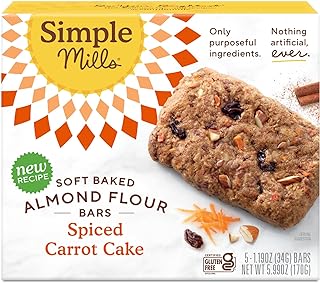
Simple Mills Almond Flour Snack Bars, Spiced Carrot Cake
Simple Mills Almond Flour Snack Bars punches above its price — 546 buyers rated it 4.5 stars. I would buy it again.
7. Prioritize Hydration with Water-Rich Fruits and a Refillable Bottle

Air travel dehydrates you rapidly. The humidity in airplane cabins is low, which causes fatigue and headaches people often mistake for hunger. Packing hydrating, water-rich fruits is a simple way to combat this. I stick to firm fruits like medium-sized Fuji apples or 1-cup portions of green grapes.
Don’t pack bananas or peaches. I packed a ripe banana in my duffel bag last spring, and it got smashed against my laptop charger. I spent an hour in a hotel bathroom scrubbing banana paste out of the nylon lining. Always wash and dry your grapes or apples thoroughly at home. If you pack wet grapes, they will get mushy and ferment in a warm bag.
You also need a reliable water bottle. I carry a 26-ounce Yeti Rambler that costs $40.00. I carry it empty through security, then fill it at the water fountain near the gates. Buying a 20-ounce bottle of Dasani at an airport kiosk costs $5.49 now, which is an absurd waste. Drinking 26 ounces of water per flight segment keeps my energy up and stops me from buying unnecessary snacks.
8. Harness the Power of Dairy with Proper Cooling

Traveling with dairy requires logistical planning, but it’s worth it for the protein. If you have a small insulated lunch bag and a gel ice pack, you can easily bring yogurt or cheese on a road trip. Air travel is trickier because TSA considers yogurt a liquid, meaning standard 5.3-ounce cups will get confiscated.
I buy Chobani Less Sugar Greek yogurt cups at Whole Foods for $1.59 each. A 5.3-ounce serving provides 12 grams of protein. To get around the TSA liquid rule, I freeze yogurt tubes or small yogurt drinks solid the night before. A frozen solid 2-ounce yogurt tube passes through security as a solid item, and it thaws perfectly by the time I reach my cruising altitude.
Low-fat string cheese is much easier to travel with. A standard 1-ounce stick of part-skim mozzarella costs about $0.50 when bought in a 12-pack and offers 7 to 8 grams of protein. I freeze my string cheese sticks too. They act as tiny ice packs for the other items in my bag and soften up nicely after three hours at room temperature. Just don’t let them sit in a hot car, or the oils will separate and the cheese will sweat.
9. DIY Trail Mix for Personalized Nutritional Control

Store-bought trail mix is usually just a bag of M&Ms with some stale peanuts. The sugar content crashes your energy levels exactly when you need to be alert. Making your own trail mix allows for precise control over the ingredients and is significantly more cost-effective.
I build my mix starting with 1 cup of raw almonds and 1/2 cup of raw pumpkin seeds. For sweetness, I skip the chocolate entirely. I was stranded in Phoenix in July once, and the chocolate chips in my trail mix melted into a solid, inedible brick that coated my hands in brown sludge. No exaggeration. Instead, I use RIND dried fruit snacks. A 3-ounce bag of RIND dried apples and pears costs $5.99. They retain the fruit peels, which dramatically enhances the fiber content compared to standard dried fruit.
I chop 1 ounce of the dried fruit into small pieces and mix it with the nuts. I portion the final mix into 1/2-cup servings. This ratio gives you healthy fats, protein, and complex carbohydrates without the refined sugar spike. It holds up in extreme heat, extreme cold, and getting smashed at the bottom of a tote bag.

KIND Healthy Grains Energy Bars, Pineapple Mango
Honestly, KIND Healthy Grains Energy Bars surprised me — sturdier than it looks in the photos, and over 287 buyers gave it 4.5 stars.
10. Discover the Surprising Snack of Lupini Beans

If you’re tired of almonds and protein bars, lupini beans are a fantastic alternative. They’re a staple in Mediterranean diets but are just starting to gain traction here as a convenient, shelf-stable travel food. They’re high in plant-based protein and fiber, which contributes to long-lasting satiety.
I buy Brami Italian Snacking Lupini Beans. A 5.3-ounce pouch costs $4.99 at Whole Foods. A standard 15-bean (30g) serving delivers 4 grams of protein and 3 grams of fiber for only 35 calories. They come lightly pickled in vinegar and sea salt, offering a sharp, savory flavor that cuts through travel fatigue.
There’s a distinct negative regarding the smell. Because they’re pickled, opening a pouch releases a strong vinegar scent. I opened a bag of the garlic and rosemary flavor on a crowded flight to Denver, and the passenger next to me visibly wrinkled his nose. I recommend eating these on road trips, during layovers in open areas, or in your hotel room. Save the odorless snacks for the actual airplane cabin out of respect for your neighbors.
11. Opt for Protein-Enriched Crunchy Snacks

Sometimes you just want to eat a bag of potato chips. When that craving hits, traditional chips provide empty carbohydrates that leave you feeling greasy and tired. The healthier alternative is to look for protein-enriched chips and pretzels. These options are trending in 2026 for their ability to deliver the flavor and texture of junk food while providing a significant protein boost.
I buy Quest Protein Chips in the Nacho Cheese flavor. A 1.1-ounce (32g) bag costs $2.99 at Target and packs 19 grams of protein. Kindling Protein Pretzels are another great find. A 1.5-ounce bag costs $2.49 and provides 8 grams of protein. They satisfy the crunchy, salty craving perfectly.
The structural integrity of protein chips is poor. Quest chips are fragile. If you pack a bag in a soft-sided backpack, they’ll inevitably be pulverized into fine dust by the time you reach your destination. I learned this the hard way on a hiking trip in Utah. You’ve got to pack these at the very top of your carry-on or inside a hard-sided container if you want to eat actual chips instead of pouring protein powder into your mouth.
12. Harness the Power of Hard-Boiled Eggs

Hard-boiled eggs are a nutritional powerhouse. A single large egg provides 6 grams of highly bioavailable protein for about $0.25 if you boil them yourself. They’re filling and pair perfectly with a dash of salt and pepper or a smear of mustard.
I used to boil my own eggs for travel, but peeling them on the go is a nightmare. I once tried peeling a hard-boiled egg in the passenger seat of a moving car, and the tiny shell fragments ended up embedded in the upholstery for months. Now, I strictly buy the pre-peeled, hard-boiled eggs from Trader Joe’s. A 6-egg pouch costs $3.49. The convenience is worth the markup.
Temperature control is critical. Hard-boiled eggs must be kept cold. I pack two peeled eggs in a small 4-ounce plastic container with a reusable gel ice pack. You also need to be mindful of the sulfur smell. Don’t open a container of hard-boiled eggs in a confined space like a train car or an airplane cabin. Eat them while waiting at the gate or at a rest stop to avoid forcing everyone around you to endure the egg odor.
Finding the right snacks for travel takes trial and error. It took me years to figure out. I spent years eating overpriced, stale airport food before I finally developed this system. Pre-portioning your jerky, nuts, and protein chips saves you money and keeps your digestion on track when you’re out of your normal routine. I recommend starting with two savory options and one sweet option for your next trip. Save this list so you don’t find yourself staring down a $14 airport salad next time you fly.

Nature’s Garden Healthy Trail Mix Snack Pack (28.8 oz)
A dependable everyday pick — Nature’s Garden Healthy Trail Mix Snack Pack (28.8 oz) pulls in 107 ratings at 4.5 stars. Not flashy, just solid.
Frequently Asked Questions
What are the best healthy travel snacks to take on an airplane?
The best options are high-protein, shelf-stable foods that don’t emit strong odors. Individually wrapped beef jerky, single-serve nut butter packets, and pre-portioned unsalted nuts are excellent choices. They pass through TSA easily and provide sustained energy without requiring refrigeration.
How do you pack yogurt or cheese for a flight?
TSA considers standard yogurt cups a liquid, so they will be confiscated. To get around this, freeze 2-ounce yogurt tubes or string cheese sticks solid the night before your flight. They pass through security as solids and thaw perfectly by the time you are ready to eat.
Are protein bars a good travel snack?
Protein bars can be great, provided you check the nutrition label. Look for bars with under 6 grams of added sugar and a solid fiber profile, like RX Bars or Kind Protein bars. Avoid bars loaded with brown rice syrup, which act more like candy and cause sugar crashes.
How can I avoid overeating snacks while traveling?
Pre-portion your snacks into small 4-ounce containers or reusable silicone bags before leaving home. Eating directly from large, family-sized bags while distracted by travel often leads to mindless overconsumption. Pre-measuring forces a moment of pause to gauge actual hunger.
