What’s Inside
- Why Most Lunch Boxes Come Home Half Empty
- 1. Master the Protein and Fiber Combo for Healthy Lunch Snacks
- 2. Stop Eating Nuts Straight From the Bag
- 3. Pack Full-Fat Greek Yogurt With Berries
- 4. Build an Adult Lunchable for Balanced Portions
- 5. DIY Quinoa Energy Bites to Save Money
- 6. Swap Chips for Crunchy Roasted Edamame
- 7. Try Plant-Based Protein Bars for Busy Days
- 8. Add Swicy Flavors to Everyday Healthy Lunch Snacks
- My Final Rules for Packing Snacks
Last Tuesday at Whole Foods, I stood in the snack aisle staring at a wall of granola bars and felt totally defeated. I needed healthy lunch snacks my kids would actually eat, not just push around their bento boxes. I’m a nutritionist, so I should know how to pack a simple midday meal. But there I was, smelling the greasy scent of the hot food bar, holding a $6.99 box of organic fruit snacks I knew were just glorified candy. I realized I was overcomplicating things. I did this wrong for months before figuring it out. I kept packing dry, crumbly crackers and plain celery sticks that ended up bruised and sweating in plastic baggies. Nobody wants to eat that. Not you. Not your kids. I’ve spent the last year testing what actually gets eaten, focusing on textures, temperatures, and bold flavors. Let’s talk about the cold, hard truth of packing food. Kids want crunch. They want cold. They want flavor. I started experimenting with different combos in my own kitchen. I’ll admit my first few attempts were disasters. I packed plain raw almonds and unsweetened dried fruit. My daughter looked at it, smelled it, and politely closed her lunch container. That was a huge lesson. Healthy doesn’t mean boring. You need specific strategies, exact measurements, and the right brands to make this work. (Learned that the hard way.)
Why Most Lunch Boxes Come Home Half Empty
Before we get into the exact foods you should buy, we need to address why your current strategy isn’t working. Most people get this wrong by focusing entirely on calories rather than satisfaction and sensory experience. If you pack a lunch that looks dull and smells like cardboard, it’s coming home at 3 PM. I’ve seen it happen a hundred times. You spend twenty minutes washing and cutting raw broccoli florets, only to find them warm and rubbery at the bottom of a backpack later. Food needs to hold up to travel. It needs to maintain its texture. When I first changed my family’s eating habits, I assumed anything green was a win. I was wrong. I packed a warm spinach salad for my son, and the smell of wilted greens in a plastic container ruined his appetite. You have to think about the physical reality of the lunchbox. Is it sitting in a warm locker? Is it getting crushed under a math textbook? We need sturdy, reliable, and delicious options. I’m going to walk you through exactly what I buy, how much it costs, and how to portion it out so your family actually looks forward to eating. I won’t waste your time with complex recipes that take three hours to prep on a Sunday. These are real, actionable tips.

1. Master the Protein and Fiber Combo for Healthy Lunch Snacks
I learned about the protein and fiber combo the hard way. Last month, I was wandering through Target at 2 PM after eating just a plain apple. My blood sugar crashed so hard I’m pretty sure I was sweating in the home decor aisle. I felt dizzy, cranky, and ready to buy a massive bag of gummy worms. That’s when I realized I was ignoring my own professional advice. Dietitians recommend pairing protein and fiber to keep blood sugar stable. We call this the P plus P combo—protein and produce. If you only eat carbs, you’ll get a quick spike of energy followed by an aggressive crash. To avoid this, you need snacks between 150 and 250 calories that contain both. For example, instead of just packing a plain banana, add two tablespoons of Justin’s Classic Almond Butter. A 12 oz jar costs about $7.49 at Sprouts, and it provides the healthy fats and protein needed to slow down digestion. The thick, roasted smell of the almond butter mixed with the sweet snap of the fruit completely changes the eating experience. It’s a simple adjustment, but it guarantees you won’t be starving an hour later. I swear by this rule for every single meal I pack.

2. Stop Eating Nuts Straight From the Bag
I’ve made the mistake of mindless grazing more times than I can count. Last winter, I sat in the Costco parking lot with the heater blasting and ate almost half a two-pound bag of raw almonds while listening to a podcast. The salty, crunchy texture was so addictive I couldn’t stop. My stomach felt like a lead balloon for the rest of the day, and I consumed probably a thousand calories without realizing it. While nuts and seeds are nutrient powerhouses, they are wildly calorie-dense. You can’t just hand your kid a massive bag and expect them to self-regulate. You must master portion control. Stick to a 1-ounce serving, which is roughly 1/4 cup. This translates to exactly 23 whole almonds, 14 walnut halves, or 49 pistachios. I highly recommend Wonderful Pistachios. You can buy a 1.5 oz small bag for about $1.99 at most grocery stores, but even that is slightly over a single serving. I prefer to buy the bulk bag and physically count out 49 nuts into a small glass container. The act of shelling them also slows down the eating process, making you more mindful. Pre-portioning your nuts on Sunday night will save you from the stomach ache I experienced in that parking lot. You might also like: 20 Beautiful Low Calorie Dinner Ideas to Transform Your Space
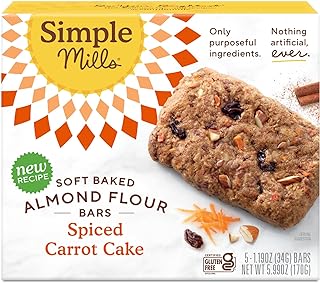
Simple Mills Almond Flour Snack Bars, Spiced Carrot Cake
Simple Mills Almond Flour Snack Bars punches above its price — 531 buyers rated it 4.5 stars. I would buy it again.

3. Pack Full-Fat Greek Yogurt With Berries
Skip the fat-free stuff. It tastes like wet cardboard. I tried this wrong for months before figuring it out. I kept buying zero-percent yogurt at Kroger, thinking I was doing my body a favor. Instead, I was left feeling hungry, unsatisfied, and craving sugar twenty minutes later. The texture was thin, watery, and honestly depressing. Contrary to older diet advice, full-fat Greek yogurt is an incredible option for sustained energy. It’s rich, creamy, and feels like an indulgent treat. I exclusively buy Fage Total 5% Milkfat Plain Greek Yogurt. A 5.3 oz single-serving cup usually costs around $1.79. To make it a complete powerhouse snack, I measure out exactly 3/4 cup of the yogurt into a leak-proof container. Then, I top it with 1/2 cup of fresh, cold mixed berries (usually blueberries and raspberries) and exactly 1 tablespoon of whole chia seeds. The chia seeds absorb the extra moisture from the berries and create a thick, pudding-like texture by lunchtime. The tartness of the berries cuts right through the rich, heavy creaminess of the yogurt. It’s visually beautiful, smells fresh, and packs a massive amount of protein and probiotics for gut health. Your kids won’t even realize they aren’t eating a sugary dessert. You might also like: 15 Beautiful Wonyoungism Healthy Breakfast Ideas That Make a Real Difference

4. Build an Adult Lunchable for Balanced Portions
I’m obsessed with building my own snack boxes. It’s so much cheaper than buying the pre-packaged versions loaded with sodium and artificial preservatives. I vividly remember buying a name-brand cheese and cracker box at a gas station during a road trip. The cheese was rubbery, the crackers were stale, and the whole thing smelled like plastic. Never again. Now, I create what I call the adult lunchable. It ensures a perfectly balanced, portion-controlled snack that actually tastes like real food. You need a sturdy base. I use Triscuit Thin Crisps. A 7.1 oz box runs about $3.99 at Walmart, and they have an incredible, hearty crunch that doesn’t get soggy. Next, I add exactly 1 ounce of cheese. I specifically look for Cabot Creamery sharp cheddar. It’s a B-Corp certified brand, and an 8 oz block costs around $4.50. I slice it thick. Then, I add 1/2 cup of cold, crisp baby carrots and a small handful of green grapes. The combination of the salty, woven cracker, the sharp, crumbly cheddar, and the sweet burst of the grape is pure perfection. It provides fiber, protein, healthy fats, and vitamins in one container. You might also like: 15 Lovely High Protein Low Calorie Dinner Ideas for a Fresh New Look
5. DIY Quinoa Energy Bites to Save Money
Let’s talk about my kitchen disaster from last Sunday. I tried rolling homemade energy bites without chilling the dough first. I ended up with sticky honey and peanut butter glued to my fingers, the counter, and my favorite shirt. The bites completely fell apart into a crumbly mess. Once I finally learned to follow the process, these became my favorite cost-effective snack. Store-bought protein balls are ridiculously expensive, often costing over two dollars each. You can make these at home for less than fifty cents per bite. Here is my formula. In a large bowl, mix 1 cup of cold, cooked quinoa, 1/2 cup of rolled oats, 1/4 cup of raw honey, 1/4 cup of peanut butter, and 2 tablespoons of chia seeds. The quinoa adds a fantastic, chewy texture that oats alone can’t provide. You must mix it thoroughly, and then—this is the crucial part—put the bowl in the fridge for 30 minutes. Once chilled, roll the mixture into small, bite-sized balls. The cold dough is firm and easy to handle. These pack a massive nutritional punch, offering complex carbohydrates and protein. They smell like toasted oats and sweet honey, and they hold their shape perfectly in a lunchbox.

Veratify Healthy Mixed Snack Box (66 Count) Snacks Gift
If you want something that just works, Veratify Healthy Mixed Snack Box (66 Count) Snacks Gift Basket Granola is a safe bet (72 reviews, 4.5 stars).

6. Swap Chips for Crunchy Roasted Edamame
Most people get this wrong when they crave a salty crunch. They immediately reach for greasy potato chips. I’ve done it too. You eat a handful, your fingers get coated in oil, and you’re hungry again an hour later. I’m telling you, dry roasted edamame is the ultimate solution. It’s a shelf-stable snack that delivers an aggressive, satisfying crunch without the greasy aftermath. I specifically buy The Only Bean Crunchy Roasted Edamame Beans. You can grab a 10-pack of their 0.9 oz bags for about $14.99 on Amazon or at select Walmart locations. The nutritional profile is staggering. A single serving gives you 11 grams of plant-based protein for just 100 calories. If you prefer buying in bulk, Seapoint Farms Dry Roasted Edamame offers 14 grams of protein per serving and costs around $2.49 for a 4 oz pouch at Whole Foods. The texture is dry, snappy, and heavily seasoned with sea salt. It satisfies that deep craving for junk food while fueling your body with fiber and protein. I always keep a bag in my purse, and I pack them in my kids’ lunches as a direct replacement for tortilla chips.

7. Try Plant-Based Protein Bars for Busy Days
I won’t pretend I make everything from scratch. Some days are just pure chaos. When I’m rushing out the door and my kids are running late for school, plant-based protein bars are my safety net. However, you can’t just buy any bar on the shelf. I’ve bitten into so many cheap protein bars that tasted like chalky, artificial chocolate mixed with dirt. The texture is often thick, gritty, and impossible to swallow without a gallon of water. The market is shifting toward high-quality, plant-based options that actually taste like food. I rely on two specific brands. First is ALOHA. Their Chocolate Chip Cookie Dough Plant-Based Protein Bars are incredible. A 5-pack of 1.97 oz bars costs about $10.59 at Target. They have a soft, chewy texture and don’t leave a weird metallic aftertaste. My second favorite is TRUBAR. Their Daydreaming About Glazed Donuts flavor is stunningly good. A 5-pack of 1.76 oz bars runs around $7.89. Both brands offer between 10 and 20 grams of protein per bar. They smell like actual baked goods and provide a massive dose of sustained energy when you simply don’t have the time to chop vegetables or portion out cheese.

8. Add Swicy Flavors to Everyday Healthy Lunch Snacks
If you’re serving plain fruit every day, your family is going to get bored. I know this because my son started bringing his apple slices back home untouched. They were slightly brown, warm, and unappetizing. I realized I needed to change the sensory experience. The biggest trend right now is layering flavors, specifically swicy, which means sweet and spicy. It wakes up your palate and makes eating fun again. Instead of throwing plain apple slices into a bag, I now sprinkle them heavily with Trader Joe’s Chile Lime Seasoning Blend. A 2.9 oz bottle costs exactly $1.99, and it lasts for months. The sharp, acidic bite of the lime mixed with the mild heat of the chili transforms a boring apple into a gourmet treat. The red speckles look beautiful against the fruit. I also do this with savory snacks to boost the umami flavor. I’ll take 1/3 of a ripe avocado (which provides exactly 10 grams of healthy monounsaturated fat), mash it onto a whole-grain cracker, and top it with a pinch of flaky sea salt and red pepper flakes. It’s creamy, crunchy, spicy, and perfectly balanced. Stop settling for bland food. (Took me years to figure out.)

TRUBAR Vegan Protein Bars
A dependable everyday pick — TRUBAR Vegan Protein Bars pulls in 11 ratings at 4.5 stars. Not flashy, just solid.

My Final Rules for Packing Snacks
We’ve covered a lot of ground, but I want to leave you with one final, crucial piece of advice. Hydration is the secret weapon nobody talks about. Often, what feels like a desperate mid-afternoon hunger pang is actually just dehydration. Before you or your kids reach for a snack, make sure there is a cold glass of water or a flavored seltzer available. I used to pack massive lunches, only to realize my kids weren’t drinking any water during the day. They felt sluggish and assumed they needed more food. Once I bought them insulated water bottles that kept their water ice-cold for 12 hours, their snacking habits completely normalized. When you’re packing these lunches, remember to engage all the senses. Listen to the crunch of the edamame. Smell the rich, roasted peanut butter. Look at the vibrant colors of the berries against the thick white yogurt. If the food looks appealing and holds its texture, it won’t come home in the lunchbox. I’d love to hear which of these strategies works best for your family. Don’t be afraid to experiment, make a few mistakes, and find the exact combinations that keep everyone energized and happy. (No exaggeration.)

Frequently Asked Questions
What are the best healthy lunch snacks for sustained energy?
You need a mix of protein and fiber. I highly recommend pairing 1/3 of an avocado with whole grain crackers, or packing a 1-ounce serving of pistachios. These combinations keep your blood sugar stable and prevent afternoon crashes.
How can I save money on healthy lunch snacks?
Making your own snacks is the best method. I love mixing oats, cooked quinoa, honey, and peanut butter to make energy bites. They cost less than fifty cents each, which is much cheaper than store-bought protein bars.
Are plant-based protein bars good for lunchboxes?
Yes, they are incredibly convenient. Look for brands that offer 10 to 20 grams of protein per bar. ALOHA and TRUBAR are my personal favorites because they taste like actual food instead of chalky protein powder.
How do I keep healthy lunch snacks from getting boring?
Try adding sweet and spicy flavors. I sprinkle chili-lime seasoning on apple slices or add umami spices to roasted edamame. Changing the sensory experience with new textures and spices keeps your family interested in their lunch.