What’s Inside
- 1. Protein + Fat Combinations That Actually Keep Them Full
- 2. The Whole Grain Bread Upgrade You’re Probably Skipping
- 3. Thermos Pesto Pasta That Stays Hot Until Lunch
- 4. DIY Lunchables That Cost Half the Price
- 5. Mason Jar Salads That Stay Fresh All Week
- 6. Smoked Salmon Crackers for Brain-Boosting Omega-3s
- 7. Savory French Toast with Hidden Vegetables
- 8. Turkey Roll-Ups with Pinwheel Presentation
- 9. SunButter for Allergy-Friendly School Healthy Lunch Ideas
- 10. Loaded Quesadillas with Rotisserie Chicken
- 11. Thermos Oatmeal That’s Not Just for Breakfast
- 12. Farmer’s Market Orzo Pasta Salad
- 13. The Pre-Heating Trick That Prevents Food Safety Issues
- 14. Hard-Boiled Eggs as Your Protein MVP
- 15. Pomegranate Seeds for Color and Antioxidants
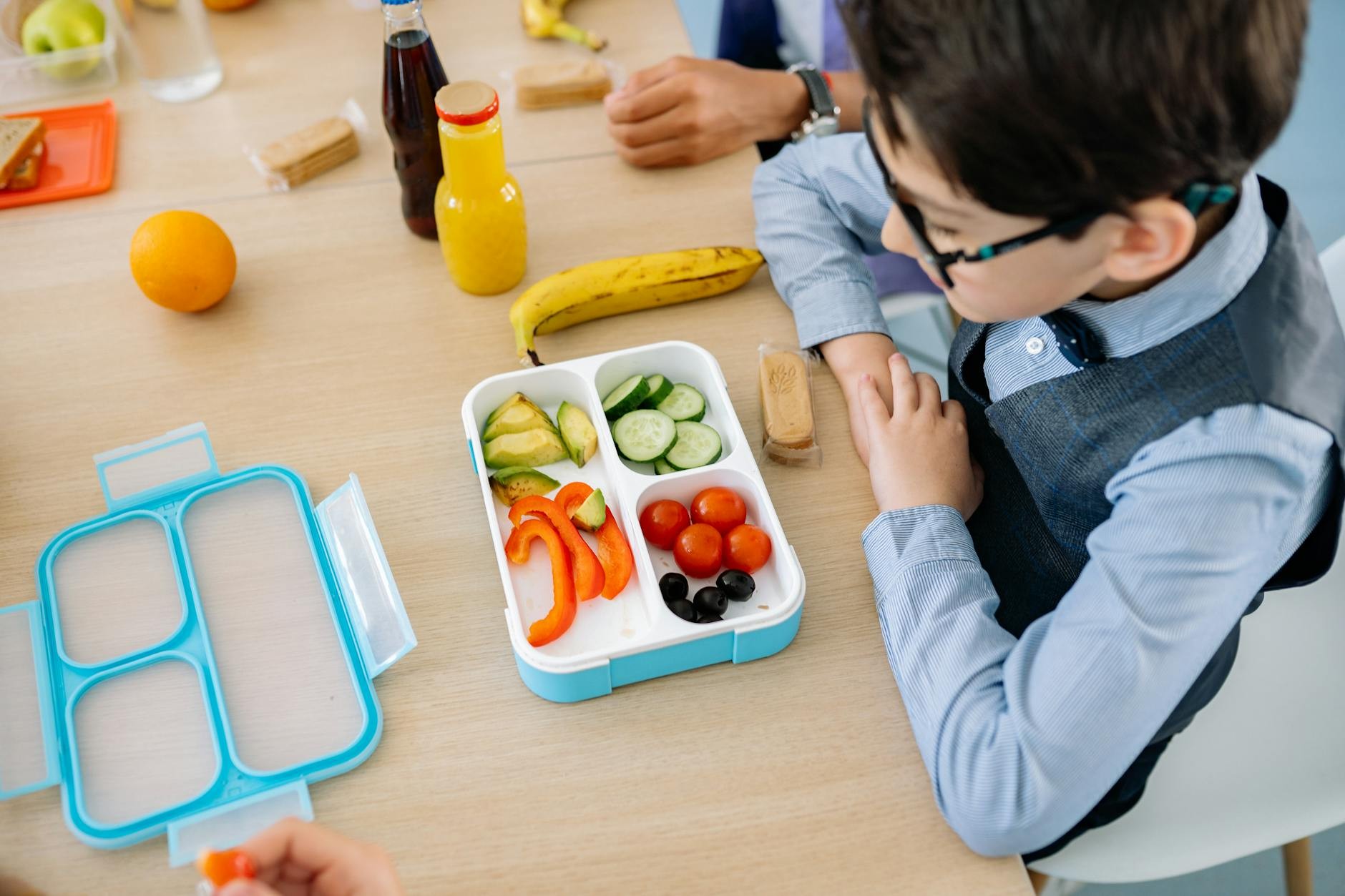
I spent three years packing my daughter’s lunch every single day before realizing I’d been doing it completely wrong. My school healthy lunch ideas were basically just smaller versions of adult meals, which meant she’d come home starving and demolish an entire box of crackers before I could even start dinner. Once I learned about protein-fat pairing and strategic meal prep, everything changed. Now I’m sharing these school healthy lunch ideas that actually keep kids satisfied until dismissal.
1. Protein + Fat Combinations That Actually Keep Them Full

Here’s what nobody tells you about school lunches: carbs alone won’t cut it. I learned this the hard way when my daughter would eat a turkey sandwich on white bread and still be ravenous by 2 p.m. The secret is building every lunch around a solid protein-fat combo that prevents that afternoon energy crash.
I personally swear by pairing hard-boiled eggs with avocado slices, or turkey with cheese cubes and a handful of almonds. My daughter’s favorite is edamame (about $3 per bag at Trader Joe’s) with string cheese. The protein sources I rotate through include eggs, beans, chicken, turkey, quinoa, and tuna, always paired with nuts, nut butter, avocado, cheese, or full-fat yogurt.
The difference is honestly night and day. She stopped coming home and immediately begging for snacks, which means we can actually have a civilized dinner at 6 p.m. instead of everyone being hangry. Most people think the lunch itself needs to be huge, but it’s really about the staying power of what you pack. A small portion of protein plus healthy fat beats a massive carb-heavy lunch every single time.
2. The Whole Grain Bread Upgrade You’re Probably Skipping

I used to buy whatever bread was on sale, thinking whole wheat and whole grain were basically the same thing. They’re not. Whole grain bread made with 100% whole wheat flour retains all three parts of the grain, which means you’re getting significantly more fiber, vitamins, and minerals compared to refined white bread or even some “wheat” breads that are mostly white flour with coloring.
The nutritional difference is massive. We’re talking vitamin E, vitamin A, iron, magnesium, and folate that get stripped away during the refining process. I switched to Dave’s Killer Bread (about $5-6 per loaf) and noticed my kids actually stayed fuller longer. For basic PB&J sandwiches, this one swap makes a huge difference without changing anything else about their lunch routine.
Pro tip: check the ingredient list. The first ingredient should say “whole wheat flour” or “100% whole grain,” not just “wheat flour.” That second one is marketing speak for refined flour with a tan. I’ve been fooled before, and honestly it made me mad once I learned the difference.
3. Thermos Pesto Pasta That Stays Hot Until Lunch

Cold pasta is sad pasta, which is why I invested in good thermoses for hot lunches. My go-to is pesto tortellini made with kale, walnuts, and spinach that I prep on Sunday nights. I make a big batch, portion it into containers, and either refrigerate for the week or freeze for later. The key is reheating it properly before packing.
Here’s the common mistake everyone makes: filling a cold thermos with hot food. The temperature drops fast, and you’re risking food safety issues. I pre-heat my thermos by filling it with boiling water for 2-3 minutes while I’m reheating the pasta. This keeps the food above 140°F for at least four hours, which is the safe zone you need.
I add cherry tomatoes right before packing because they don’t need cooking and boost the nutrient content without extra work. My daughter’s Thermos Funtainer (about $15 on Amazon) has been worth every penny. The pasta stays hot, she actually eats it, and I’m not stuck making sandwiches every single day. Sometimes I’ll throw in some rotisserie chicken for extra protein.

Veratify Healthy Mixed Snack Box (66 Count) Snacks Gift
Veratify Healthy Mixed Snack Box (66 Count) Snacks Gift Basket Granola punches above its price — 72 buyers rated it 4.5 stars. I would buy it again.
4. DIY Lunchables That Cost Half the Price

Store-bought Lunchables run about $3-4 each and contain processed cheese and mystery meat. I make my own for roughly $1.50 per serving using real ingredients. I pack cubed cheddar or Colby Jack, sliced deli turkey or salami from the deli counter, whole grain crackers (Triscuits are my favorite), baby carrots, snap peas, and sometimes a few grapes.
The beauty of this format is that kids get to assemble their own bites, which gives them control and makes them way more likely to actually eat everything. My picky eater will devour this lunch when she won’t touch a pre-made sandwich. I use a bento-style container with compartments (about $12 for a set of three) to keep everything separate and appealing.
This hits protein, vegetables, and grains in one simple package. I prep the cheese cubes and veggie sticks on Sunday, store them in the fridge, and just grab portions throughout the week. It takes maybe two minutes to pack in the morning. The customization aspect is huge for kids who want autonomy over their food choices.
5. Mason Jar Salads That Stay Fresh All Week

I was skeptical about mason jar salads until I learned the proper layering technique. The secret is putting dressing at the bottom, not the top. This prevents everything from getting soggy, and honestly it’s changed how I meal prep. I make five jars on Sunday night, and they stay perfectly fresh in the fridge until Friday.
The correct order is dressing first, then protein (grilled chicken, chickpeas, or hard-boiled eggs), then cooked grains (quinoa or farro), then chopped vegetables, and finally greens on top. When it’s time to eat, you shake it up and everything gets coated. I use quart-sized Ball jars (about $12 for a dozen) because they’re the perfect lunch portion.
My favorite combination is balsamic vinaigrette, rotisserie chicken, quinoa, cherry tomatoes, cucumber, and romaine. It costs maybe $2 per jar when I break down the ingredients. The jars stack neatly in the fridge, they’re portable, and there’s something satisfying about seeing a week’s worth of lunches ready to go. This works better for older kids who can handle glass containers safely.
6. Smoked Salmon Crackers for Brain-Boosting Omega-3s

This is definitely for more adventurous eaters, but smoked salmon is loaded with protein and omega-3 fatty acids that support brain development and heart health. I buy the pre-sliced packages at Costco (about $15 for a large pack) and pair it with whole grain crackers. My daughter initially wrinkled her nose, but now she requests it.
For a more sophisticated version, I top the crackers with a tiny bit of cream cheese, smoked salmon, and finely chopped hard-boiled egg. Sometimes I add capers if I’m feeling fancy, though that’s pushing it for most kids. The omega-3 content is what sold me on this lunch idea because those healthy fats are crucial for growing brains.
If your kid isn’t into salmon, canned tuna mixed with mayo and Greek yogurt works too. But there’s something about the smoky flavor and delicate texture of good salmon that feels special. I pack this maybe once a week as a treat, and it’s become one of those lunches that makes my daughter feel grown-up. Plus the protein keeps her satisfied way longer than a typical sandwich.

The Well Plated Cookbook: Fast
The Well Plated Cookbook: Fast punches above its price. I would buy it again.
7. Savory French Toast with Hidden Vegetables

Sweet French toast is breakfast food, but savory French toast is a legitimate lunch that sneaks in vegetables like a ninja. I make this with eggs, milk, turmeric, cumin, grated carrots, finely chopped broccoli, and shredded cheese. The vegetables basically disappear into the egg mixture, and kids just taste the familiar French toast flavor with a savory twist.
I cook these on Sunday, let them cool, and pack them cold for school lunches. They’re surprisingly good at room temperature, and the spices give them enough flavor that they don’t need syrup or sauce. The turmeric adds anti-inflammatory benefits and gives the toast a golden color that looks appealing. Each slice packs in about half a serving of vegetables plus protein from the eggs and cheese.
This is particularly effective for younger kids who are suspicious of visible vegetables. The grating is key because big chunks will get picked out, but finely grated carrots and broccoli blend right in. I use a microplane grater (about $15 at Target) to get them superfine. My son ate this for months before I told him there were vegetables in it, and by then he already loved it.
8. Turkey Roll-Ups with Pinwheel Presentation

The pinwheel shape makes these infinitely more appealing to elementary school kids. I lay out a whole wheat tortilla, spread a thin layer of cream cheese or hummus, add turkey or ham, cheese, and finely cut vegetables like shredded carrots, diced tomatoes, bell peppers, and romaine. Roll it tight, slice into one-inch rounds, and suddenly you have lunch that looks fun.
The visual presentation matters more than we give it credit for. My kindergartener will eat these roll-ups when she won’t touch a regular wrap. I think it’s because each pinwheel feels like a little bite-sized snack rather than a big intimidating sandwich. I secure them with toothpicks (removed before packing) while they set in the fridge, then pack them in a container with the spiral sides facing up.
Pro tip: don’t overfill them or they’ll fall apart. I learned this the hard way after my daughter came home with a lunchbox full of turkey and cheese chaos. A thin layer of everything works better than piling it on. These take maybe five minutes to assemble, and you can make several at once and refrigerate them for up to three days.
9. SunButter for Allergy-Friendly School Healthy Lunch Ideas

Most schools now have peanut-free policies, and honestly SunButter (sunflower seed butter) is a fantastic alternative. It provides comparable protein and healthy fat to peanut butter, costs about the same ($5-7 per jar), and tastes similar enough that most kids don’t complain. My daughter actually prefers it now because it’s slightly less sticky.
I use SunButter the exact same way I used peanut butter: sandwiches with jam, spread on apple slices, mixed into overnight oats, or as a dip for pretzels. The nutritional profile is solid with about 7 grams of protein per two-tablespoon serving. It’s also free from the top eight allergens, which means it’s safe for tree nut and peanut allergies.
The only weird thing is that SunButter can turn green when it reacts with baking soda in certain breads. It’s completely harmless but looks bizarre. I warned my daughter the first time so she wouldn’t freak out. Now she thinks it’s cool. If you’re dealing with allergy restrictions at school, seed butters are your best friend for maintaining that classic sandwich experience kids love.

Downshiftology Healthy Meal Prep: 100+ Make-Ahead Recipes
If you want something that just works, Downshiftology Healthy Meal Prep: 100+ Make-Ahead Recipes and Quick-As is a safe bet.
10. Loaded Quesadillas with Rotisserie Chicken

Rotisserie chicken is my secret weapon for easy school lunches. A whole bird costs $7-9 at most grocery stores and yields enough meat for probably six to eight lunches. I make quesadillas with whole wheat tortillas, refried beans, roasted vegetables (bell peppers and onions), shredded rotisserie chicken, and cheese. Cook them until crispy, let them cool, and pack them cold.
Here’s what surprised me: these are actually good cold or at room temperature. The cheese holds everything together, and the combination of plant-based protein from beans plus animal protein from chicken creates a really satisfying lunch. I cut them into triangles because apparently that matters to kids. My son won’t eat squares but will demolish triangles. Kids are weird.
The refried beans add fiber and creaminess without needing sauce. I buy the vegetarian refried beans (no lard) for about $1.50 per can, and one can makes enough filling for four quesadillas. This is one of those lunches that uses up leftovers efficiently while still feeling special. Sometimes I’ll add a small container of salsa or guacamole on the side for dipping.
11. Thermos Oatmeal That’s Not Just for Breakfast

Oatmeal for lunch sounds weird until you try it. I make steel-cut oats (they hold up better than rolled oats in a thermos), pack them hot with toppings on the side, and my kids love it. The key is treating it like a grain bowl rather than breakfast food. I add dried cranberries, chopped walnuts, a drizzle of honey, and sometimes fresh apple chunks.
A half-cup of dry oats costs maybe 30 to 50 cents and expands into a really filling lunch portion. The sustained energy from oats prevents that afternoon slump better than most other lunch options. I pre-heat the thermos with boiling water while the oatmeal cooks, dump out the water, and fill it with hot oatmeal. It stays warm for hours.
The toppings are where you can get creative. My daughter likes hers with fresh berries and a spoonful of almond butter mixed in. My son prefers dried fruit and coconut flakes. The nuts add healthy fats and protein, making this a balanced meal rather than just carbs. Most people don’t think beyond breakfast for oatmeal, but it’s honestly one of the most versatile and affordable lunch bases you can pack.
12. Farmer’s Market Orzo Pasta Salad

I make this with whatever vegetables are in season at our local farmer’s market, which cuts costs by 15 to 20 percent compared to buying out-of-season produce at the grocery store. The base is cooked orzo (about $2 per box) mixed with raw and roasted seasonal vegetables. Right now I’m using bell peppers, cucumber, red onion, and cherry tomatoes with fresh basil from my garden.
I add grilled chicken for protein and crumbled feta cheese because it doesn’t get weird at room temperature like some cheeses do. The dressing is a simple citrus vinaigrette with lemon juice, olive oil, garlic, and a touch of honey. This salad actually gets better after sitting in the fridge for a day because the flavors meld together.
The orzo shape is perfect for kids because it’s small and easy to eat with a fork. I pack this in a regular container (not a thermos) since it’s meant to be served cold. One batch makes enough for four to five lunches, and the cost per serving is probably around $2.50 when I include the chicken. It feels fancy but requires minimal cooking skill, which is exactly my speed for school lunch prep.

Gordon Ramsay’s Healthy
Gordon Ramsay’s Healthy punches above its price. I would buy it again.
13. The Pre-Heating Trick That Prevents Food Safety Issues

This is the mistake I see constantly in school lunch Facebook groups: parents filling cold thermoses with hot food and wondering why their kids complain it’s lukewarm by lunch. The thermos temperature trap is real, and it’s actually a food safety concern. Hot food needs to stay above 140°F to prevent bacterial growth, and a cold thermos will drop the temperature fast.
I fill my thermos with boiling water from the kettle and let it sit for two to three minutes while I’m heating up the food. This pre-heats the container so it’s not stealing heat from your carefully prepared lunch. Then I dump out the water, immediately fill it with piping hot food, and seal it tight. This simple step keeps food hot for at least four hours, usually longer.
I tested this with a food thermometer because I’m paranoid about food safety. Pre-heated thermos: food stayed at 155°F after four hours. Cold thermos: dropped to 120°F after two hours. That’s a huge difference and explains why some kids refuse to eat thermos lunches. The food isn’t just cold, it’s potentially unsafe. Take the extra 30 seconds to pre-heat your containers. It matters.
14. Hard-Boiled Eggs as Your Protein MVP

Hard-boiled eggs are criminally underused in school lunches. They cost 25 to 40 cents each, provide six grams of protein, stay fresh in the fridge for seven days, and work in about a million different lunch formats. I make a dozen every Sunday and use them throughout the week in salads, as standalone snacks with salt and pepper, made into deviled eggs, or crumbled into pasta salads.
The batch-cooking efficiency is unbeatable. Twelve minutes in boiling water, then into an ice bath, and you have protein ready to go all week. My daughter will eat a hard-boiled egg with crackers and cheese when she won’t touch any other protein. I pack them whole with a tiny container of salt, or I’ll slice them and add them to a bento box with other finger foods.
Pro tip: add a teaspoon of baking soda to the boiling water for easier peeling. I don’t know the science, but it works. Fresh eggs are notoriously hard to peel, and this trick saves so much frustration. Hard-boiled eggs are my go-to when I’m rushing in the morning because they’re already done. Just grab, pack, and you have a solid protein anchor for the lunch.
15. Pomegranate Seeds for Color and Antioxidants

This is my current favorite addition to school lunches because pomegranate seeds (arils) add visual pop and serious antioxidants. I buy frozen pomegranate seeds at Costco for $4-6 per eight-ounce container, which is way cheaper than fresh and they maintain the same nutritional benefits. They thaw by lunchtime and add a burst of sweet-tart flavor to yogurt parfaits, grain bowls, or salads.
The polyphenol antioxidants in pomegranate are getting a lot of attention in pediatric nutrition research right now. I’m not claiming they’re a miracle food, but they’re definitely more interesting than another handful of grapes. My kids think they look like little jewels, which makes them exciting to eat. I sprinkle them over Greek yogurt with granola, or mix them into quinoa salads for color contrast.
The frozen version is more practical because fresh pomegranates are messy to seed and only in season part of the year. I keep a bag in the freezer and just grab a handful to pack. They’re one of those ingredients that makes a lunch feel special without requiring any actual cooking or prep work. Sometimes the smallest additions make the biggest difference in whether kids actually eat their lunch or trade it away.
These school healthy lunch ideas have completely transformed how I approach weekday meal prep. I’m not spending hours in the kitchen anymore, but my kids are eating better and staying fuller throughout the day. The secret is finding a rotation that works for your family and batch-prepping on Sundays. Save this list for those mornings when you’re staring into the fridge with no ideas. Pin it, bookmark it, and come back whenever you need fresh inspiration for packing lunches that kids will actually eat.

The Healthy Family Cookbook: 100 Fast and Easy Recipes for
The Healthy Family Cookbook: 100 Fast and Easy Recipes for the Whole F punches above its price — 966 buyers rated it 4.5 stars. I would buy it again.
Frequently Asked Questions
What makes a school lunch healthy and filling?
A healthy school lunch combines protein (eggs, chicken, beans, tuna) with healthy fats (nuts, avocado, cheese, yogurt) to prevent energy crashes. This combination keeps kids full longer than carb-heavy lunches and reduces after-school snacking. Add vegetables and whole grains for complete nutrition.
How do I keep hot lunches safe in a thermos?
Pre-heat your thermos by filling it with boiling water for 2-3 minutes before adding hot food. This prevents rapid temperature loss and keeps food above 140°F for at least four hours, ensuring both safety and palatability. Never fill a cold thermos with hot food.
What are good peanut-free lunch options for school?
SunButter (sunflower seed butter) provides comparable protein and healthy fats to peanut butter while being allergy-safe. Other options include turkey and cheese roll-ups, hard-boiled eggs, hummus with crackers, quesadillas with beans and chicken, and DIY lunchables with deli meat and cheese cubes.
How can I meal prep school lunches efficiently?
Batch-cook proteins on Sunday: hard-boil a dozen eggs, use rotisserie chicken, and cook grains like quinoa or pasta. Pre-cut vegetables and cheese, portion them into containers, and assemble lunches in 2-3 minutes each morning. Mason jar salads stay fresh for five days when layered correctly.
2 thoughts on “15 Charming School Healthy Lunch Ideas You Need to See”