What’s Inside
- Greek Yogurt Parfaits with Double the Protein
- Whole Eggs for Brain-Boosting Scrambles
- Protein-Packed Smoothies with Nut Butter Powder
- Make-Ahead Freezer Breakfast Burritos
- Cottage Cheese Bowls (The Underrated Protein Star)
- Always Pair Carbs with Healthy Fats
- Freezer Smoothie Packs for Zero-Effort Mornings
- Avocado Toast Decorated as Faces
- Veggie-Loaded Pancakes and Waffles
- Interactive Dipping Stations
- Grab-and-Go Trail Mix Bags
- Whole Grain Breakfast Sandwiches
- Overnight Oats in Mason Jars
- Blender Banana Spinach Muffins
- Always Add Protein to Carb-Based Breakfasts
Last Tuesday morning, my seven-year-old declared she was “too tired” to eat breakfast, then crashed hard before lunch. That’s when I realized my kids healthy breakfast ideas needed a complete overhaul. I wasn’t just looking for “healthy” options—I needed breakfasts that actually kept them full, tasted good enough that they’d eat without drama, and didn’t require me to wake up at 5 AM to prep.
After months of trial and error (and yes, some spectacular failures involving green smoothies that looked like swamp water), I’ve landed on 15 breakfast ideas that actually work in real life. These aren’t Pinterest-perfect creations that take an hour to make. They’re practical, nutrient-dense meals my kids actually eat.
Here’s what I’ve learned works.
Greek Yogurt Parfaits with Double the Protein

I switched from regular yogurt to Greek yogurt about six months ago, and honestly, the difference in my kids’ energy levels is noticeable. Greek yogurt contains nearly double the protein per serving compared to regular yogurt, which means my kids stay fuller through their morning classes instead of begging for snacks by 10 AM.
Here’s how I build these: I use ½ cup of plain Fage or Chobani Greek yogurt (the plain stuff, because the flavored versions are sugar bombs), then let my kids layer in their own toppings. We keep small bowls of granola, fresh blueberries, sliced strawberries, and chia seeds on the counter. The chia seeds add omega-3s and fiber without changing the taste at all.
Pro tip: I buy the big 32-ounce tubs of Greek yogurt from Costco because they’re way cheaper than individual cups. We go through about two tubs per week in our house. The layering process takes maybe three minutes, and my kids feel like they’re making their own creation, which somehow makes them more likely to actually eat it. I’ve noticed they eat the entire serving when they build it themselves versus when I pre-make it for them.
Whole Eggs for Brain-Boosting Scrambles

Most people get this wrong. For years, I was making egg white omelets thinking I was doing my kids a favor by cutting fat and cholesterol. Turns out, I was tossing the most nutritious part. Egg yolks contain choline, a nutrient that’s critical for brain development and memory, and egg whites have basically none of it.
Now I scramble whole eggs for breakfast burritos or simple omelets, and I actually feel good about what I’m serving. I crack two whole eggs per kid, scramble them with a splash of milk, and cook them in a little butter or olive oil. Sometimes I’ll add shredded cheddar cheese or diced bell peppers if I’m feeling ambitious.
The difference in satiety is real. When I served egg white omelets, my kids were hungry again within an hour. With whole eggs, they make it to lunch without complaining. I get my eggs from Vital Farms or Pete and Gerry’s when they’re on sale at Whole Foods—the yolks are deeper orange and taste better than conventional eggs. Yes, they cost more, but we’re talking about brain development here, so I prioritize the budget for this.
Protein-Packed Smoothies with Nut Butter Powder

Smoothies were a disaster in my house until I discovered nut butter powder. Regular peanut butter made smoothies too thick and chalky, plus it added way more calories than my kids needed. Nut butter powder changed everything.
I blend 1-2 tablespoons of PB2 or Naked PB (powdered peanut butter) with 1 cup of milk, half a frozen banana, ½ cup of Greek yogurt, and a handful of spinach. The result is a drinkable breakfast with 15+ grams of protein that takes under five minutes to prepare. My kids can’t taste the spinach at all, which feels like a parenting win.
Common mistake: Don’t add too much powder or it gets gritty. Start with one tablespoon and work up. I keep our Vitamix on the counter so there’s zero barrier to making these on busy mornings. The powder is also way cheaper than regular nut butter—a container of PB2 at Target costs about $5 and lasts us three weeks. These smoothies keep my kids full until lunch, and I don’t have to negotiate about eating vegetables because they’re already in there.
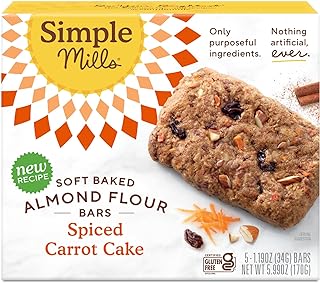
Simple Mills Almond Flour Snack Bars, Spiced Carrot Cake
Simple Mills Almond Flour Snack Bars has been one of the most consistently praised picks in this category. 531 reviewers averaged 4.5/5.
Make-Ahead Freezer Breakfast Burritos

This is one of those kids healthy breakfast ideas that saves my sanity on chaotic mornings. Every Sunday, I make a batch of 10-12 breakfast burritos and freeze them. My kids can grab one, heat it in the toaster oven for 8 minutes, and have a complete meal without me lifting a finger.
Here’s my formula: I scramble 8 eggs, cook a pound of ground turkey with taco seasoning, and warm up a can of black beans. Then I assemble everything in whole wheat tortillas from Mission or Ezekiel, adding shredded cheddar cheese to each one. I wrap each burrito tightly in foil, label them with the date, and stack them in the freezer.
The protein combination (eggs, turkey, beans, cheese) keeps them full for hours. My nine-year-old son eats one before soccer practice, and he has energy through the entire session without cramping. Pro tip: Don’t overfill the tortillas or they’ll split when you wrap them. I learned this the hard way after wasting half a batch. These burritos eliminate morning decision fatigue because there’s always something ready to eat. They cost about $1.50 per burrito to make, which beats any drive-through option.
Cottage Cheese Bowls (The Underrated Protein Star)

Nobody talks about cottage cheese for kids, and I don’t understand why. It provides more protein than regular yogurt and supports bone development with its high calcium content. My kids were skeptical at first because, let’s be honest, cottage cheese looks weird. But once I started presenting it right, they came around.
I use ½ cup of Good Culture or Daisy cottage cheese (the 4% fat version, not the low-fat stuff that tastes like sadness), layer it with fresh berries, and drizzle a tiny bit of honey on top. Sometimes I’ll add a sprinkle of granola for crunch. The combination of protein and natural sugars from the fruit gives them sustained energy without a crash.
My daughter initially refused to try it until I called it “protein pudding,” which is technically not wrong. Now she requests it twice a week. The texture is creamy enough that it feels like a treat, but it’s actually one of the most nutrient-dense breakfasts I can serve. A 16-ounce container costs about $4 at Trader Joe’s and gives us four servings. I’ve noticed my kids stay focused during their morning Zoom classes when they eat this versus when they have cereal.
Always Pair Carbs with Healthy Fats

This is the single most important principle I follow for kids healthy breakfast ideas. Carbohydrates alone cause an energy spike and crash that leaves kids cranky and hungry by mid-morning. Adding healthy fats extends satiety and supports brain development.
Here’s how I apply this: If we’re having whole grain toast, I spread almond butter or avocado on it. If my kids want fruit, I pair it with a cheese stick or a handful of nuts. If they’re eating oatmeal, I stir in ground flaxseed and a dollop of nut butter. The fat slows down digestion and keeps blood sugar stable.
Most pediatric nutritionists emphasize that kids need dietary fat for cognitive function, not just satiety. Their brains are still developing, and fat is essential for that process. I use avocados from Costco (cheapest option), natural peanut butter from Trader Joe’s, and string cheese from Sargento. Common mistake: Parents often give kids fat-free or low-fat options thinking it’s healthier. For growing kids, that’s usually wrong unless there’s a specific medical reason. The difference in my kids’ behavior and focus when they eat balanced breakfasts versus carb-only breakfasts is dramatic enough that I’ll never go back.

Downshiftology Healthy Meal Prep: 100+ Make-Ahead Recipes
Downshiftology Healthy Meal Prep: 100+ Make-Ahead Recipes and Quick-As has been one of the most consistently praised picks in this category.
Freezer Smoothie Packs for Zero-Effort Mornings

I prep smoothie packs every Sunday night, and it’s genuinely changed our morning routine. I take quart-size freezer bags and fill each one with half a banana, a handful of spinach, ½ cup of frozen mixed berries, and a spoonful of Greek yogurt. Then I freeze them flat so they stack nicely.
On busy mornings, I dump the entire frozen pack into the blender, add ½ cup of milk, and blend for 30 seconds. That’s it. My kids get a green smoothie that masks vegetables without altering the taste, and I don’t have to think about what to serve or clean a bunch of produce at 7 AM.
This approach is trending in 2026 among time-pressed parents because it removes all the friction from making smoothies. No hunting for ingredients, no measuring, no decision-making. I make 7-10 packs at once, which takes about 15 minutes total. Pro tip: Write the contents on each bag with a Sharpie so you know what’s inside. I learned this after accidentally making a smoothie with frozen mango when my daughter is allergic. The packs cost about $2 each to make, and they’re way more nutritious than anything I could grab from a drive-through.
Avocado Toast Decorated as Faces

I was skeptical about this whole “make food fun” trend until I tried it with avocado toast. Making faces with veggie slices genuinely increased how much my kids ate. Research shows this presentation strategy increases consumption among picky eaters by 30-40%, and honestly, I believe it.
Here’s what I do: I mash half an avocado with a tiny pinch of salt and spread it on whole grain toast. Then I let my kids decorate their own faces using cherry tomato halves for eyes, cucumber slices for smiles, and shredded carrots for hair. Sometimes we use olive slices or bell pepper strips. The process takes maybe five extra minutes, but my kids actually eat the vegetables instead of pushing them aside.
The healthy fats from avocado support brain development and keep them full. I buy avocados in bulk from Costco when they’re ripe and freeze the mashed flesh in ice cube trays—each cube is about the right amount for one piece of toast. My kids request “face toast” at least twice a week now, and they’re eating vegetables at breakfast without me having to negotiate. That alone makes it worth the minor extra effort.
Veggie-Loaded Pancakes and Waffles

I add mashed carrots directly into pancake batter and spinach into waffle batter, and my kids have never once detected the change. This “sneaking nutrients” technique works because the vegetables blend seamlessly into the base flavor while adding fiber and micronutrients. Pediatric dietitians recommend this all the time.
For pancakes, I use my regular whole wheat pancake mix (I like Kodiak Cakes for the extra protein), then stir in about ¼ cup of mashed carrots or pureed butternut squash per batch. For waffles, I blend a handful of fresh spinach with the wet ingredients before mixing with the dry ingredients. The spinach turns the batter slightly green, but once they’re cooked, you can barely tell.
My kids eat these with a little maple syrup or honey, and they’re getting vegetables at breakfast without knowing it. I make big batches on weekends and freeze the extras. Pop them in the toaster on weekday mornings, and you have a nutrient-dense breakfast in two minutes. Common mistake: Don’t add too much vegetable puree or the texture gets gummy. Start with small amounts and work up. These pancakes and waffles have way more staying power than regular versions because of the added fiber.

The Well Plated Cookbook: Fast
If you want something that just works, The Well Plated Cookbook: Fast is a safe bet.
Interactive Dipping Stations

Kids engage more with meals when they participate in assembly, and I’ve used this to my advantage. I set up little dipping stations with yogurt, almond butter, or honey in small bowls, then serve sliced apples, whole grain toast strips, or banana chunks on the side. My kids dip everything themselves, and somehow this makes them eat way more than if I just handed them a pre-assembled plate.
This interactive element increases fruit and vegetable consumption compared to pre-assembled plates. I don’t fully understand the psychology, but I’ve seen it work consistently. My son will eat an entire apple if he can dip the slices in almond butter, but he’ll take two bites if I just give him a whole apple.
I use small ramekins from IKEA for the dipping sauces, and I set everything up on a divided plate. The whole setup takes about three minutes, and cleanup is easy because everything goes in the dishwasher. Pro tip: Warm the nut butter slightly in the microwave so it’s easier to dip. Cold almond butter is too thick and frustrating for little kids. This approach works especially well on weekends when we have a bit more time for breakfast.
Grab-and-Go Trail Mix Bags

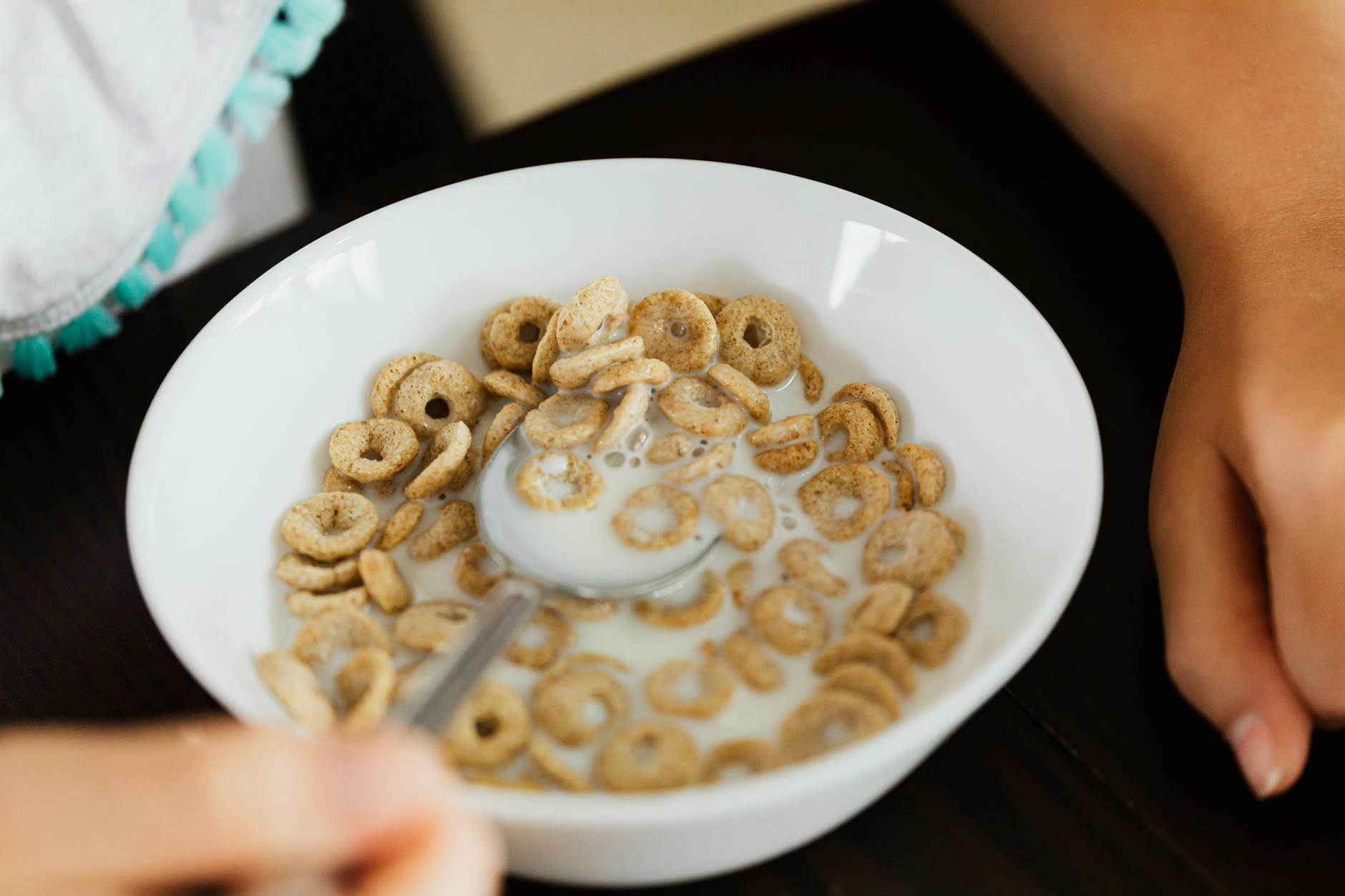
I combine whole grain cereal (like Cheerios or Kashi), raisins, pumpkin seeds, and dark chocolate chips in small snack bags, and these have saved us on crazy mornings. This balanced trail mix approach provides protein, fiber, and sustained energy without any prep time the morning of.
Every Sunday, I prep 5-7 bags for the week. Each bag gets about ¼ cup of cereal, 2 tablespoons of raisins, 1 tablespoon of pumpkin seeds, and a small sprinkle of dark chocolate chips (just enough to make it feel like a treat). The combination gives them complex carbs, healthy fats, protein, and a little natural sugar.
My kids can grab a bag on the way out the door, and I pair it with a cheese stick or a small carton of milk for extra protein. This isn’t my first choice for breakfast, but it’s infinitely better than skipping breakfast or hitting a drive-through. The bags cost about $1 each to make, and they’re portion-controlled so my kids aren’t eating a whole box of cereal. Pro tip: Use the mini dark chocolate chips from Trader Joe’s because they distribute more evenly throughout the mix. Regular chips are too big and all sink to the bottom.
Whole Grain Breakfast Sandwiches

I use whole grain English muffins or bagels as breakfast sandwich bases instead of regular bread because they provide better satiety and more fiber. I layer them with lean ham or turkey, low-fat cheese, and a cooked egg for a complete protein-carb-fat breakfast that’s faster than traditional toast-based options.
Here’s my assembly line: I toast the English muffin, cook an egg in the microwave (yes, really—crack it into a small bowl, pierce the yolk, and microwave for 45 seconds), and layer everything together. The whole process takes about four minutes. Sometimes I’ll add a slice of tomato or some spinach leaves if I have them.
These sandwiches keep my kids full through their entire morning at school. The protein from the egg, turkey, and cheese combined with the complex carbs from the whole grain muffin gives them sustained energy. I buy Thomas’ Whole Wheat English Muffins or Dave’s Killer Bread bagels. Common mistake: Don’t skip the cheese. That little bit of fat makes a huge difference in satiety. My kids can eat these in the car on the way to school if we’re running late, which happens more often than I’d like to admit.

The Healthy Family Cookbook: 100 Fast and Easy Recipes for
A dependable everyday pick — The Healthy Family Cookbook: 100 Fast and Easy Recipes for the Whole F pulls in 966 ratings at 4.5 stars. Not flashy, just solid.
Overnight Oats in Mason Jars

I prepare overnight oats by combining rolled oats, milk, chia seeds, and fruit in mason jars the night before, and this has become our go-to for kids healthy breakfast ideas on school mornings. This approach eliminates morning cooking time while providing sustained energy through complex carbs and fiber.
My formula: ½ cup rolled oats, ½ cup milk (I use regular dairy milk, but soy milk works great for extra protein), 1 tablespoon chia seeds, and whatever fruit we have on hand. I stir it all together in a pint-sized mason jar, screw on the lid, and refrigerate overnight. By morning, the oats have absorbed the liquid and softened into a creamy, pudding-like texture.
My kids eat these cold, which I thought would be weird, but they actually prefer it to hot oatmeal. I’ll add a drizzle of maple syrup or honey in the morning if they want it sweeter. Sometimes I’ll stir in a spoonful of peanut butter for extra protein. These jars are particularly effective for families with tight morning schedules because there’s literally zero cooking involved. I make 4-5 jars on Sunday night, and we have breakfast sorted through Thursday. Each jar costs about $1.50 to make, and they’re way more filling than boxed cereal.
Blender Banana Spinach Muffins

I make banana spinach muffins using a blender with oats, eggs, bananas, and flaxseed meal, and this technique has reduced my prep time to under 10 minutes. You literally throw everything in the blender, pulse until smooth, pour into muffin tins, and bake. No mixing bowls, no measuring cups for multiple ingredients, no mess.
Here’s the recipe: 2 ripe bananas, 2 eggs, 1½ cups rolled oats, a handful of spinach, 2 tablespoons ground flaxseed, 1 teaspoon baking powder, and a pinch of cinnamon. Blend until smooth, pour into a greased muffin tin, and bake at 350°F for 18-20 minutes. These muffins sneak vegetables into my kids’ diets while providing omega-3s from the flaxseed.
The texture is moist and slightly dense, more like banana bread than traditional muffins. My kids eat them plain or with a little butter. I make a double batch every weekend and freeze half. Pop one in the microwave for 20 seconds on a weekday morning, and you have a portable breakfast that’s actually nutritious. Common mistake: Don’t use regular flour-based muffin recipes thinking they’re healthier. Those require way more ingredients and equipment, plus they’re usually loaded with sugar. These blender muffins are genuinely wholesome.
Always Add Protein to Carb-Based Breakfasts

This is the rule I never break anymore. Any carbohydrate-based breakfast gets paired with a protein source to extend satiety through mid-morning. A cheese stick with a low-sugar muffin and fruit, or whole grain toast with peanut butter and berries—this combination prevents the energy crash that occurs when kids eat carbs alone.
I learned this the hard way after watching my kids melt down before lunch one too many times. When they ate toast with jam or a bowl of cereal with just milk, they’d be hungry and cranky within two hours. When I added protein—a hard-boiled egg, Greek yogurt, cheese, or nut butter—they made it to lunch without complaints.
This is consistent professional advice from pediatric nutritionists across all major health systems. The protein slows digestion and keeps blood sugar stable, which means steady energy and better focus at school. I keep hard-boiled eggs, string cheese, and nut butter in the house at all times so I can always add protein to whatever breakfast we’re having. Pro tip: If your kid insists on having cereal, make them eat a cheese stick or drink a glass of milk alongside it. That small addition makes a huge difference in how long they stay full. This principle has genuinely transformed our mornings more than any single recipe.
These 15 breakfast ideas have made our mornings less chaotic and my kids healthier. I’m not saying every breakfast is perfect or that we never have rough mornings, but having these go-to options means I’m not starting from scratch every day. Pick two or three that sound doable for your family and try them this week. Save this list or pin it so you can come back when you need fresh ideas. Your future self will thank you when you’re not negotiating with a hangry kid at 7:30 AM.

Nature’s Garden Healthy Trail Mix Snack Pack (28.8 oz)
A dependable everyday pick — Nature’s Garden Healthy Trail Mix Snack Pack (28.8 oz) pulls in 106 ratings at 4.5 stars. Not flashy, just solid.
Frequently Asked Questions
What is the healthiest breakfast for kids?
The healthiest breakfast combines protein, complex carbohydrates, and healthy fats. Greek yogurt with berries and granola, whole eggs with whole grain toast, or overnight oats with nut butter all provide sustained energy and keep kids full until lunch without blood sugar crashes.
How do I get my picky eater to eat healthy breakfast?
Make breakfast interactive by letting kids build their own parfaits, decorate avocado toast with veggie faces, or dip fruit in nut butter. Presentation matters—research shows decorated food increases consumption by 30-40% in picky eaters. Also, sneak vegetables into pancakes and muffins where they won’t detect them.
What are quick protein breakfast ideas for kids?
Greek yogurt parfaits, scrambled whole eggs, protein smoothies with nut butter powder, cottage cheese bowls, and make-ahead freezer breakfast burritos all provide 15+ grams of protein. Keep hard-boiled eggs, string cheese, and nut butter on hand to add protein to any carb-based breakfast quickly.
Can I make healthy kid breakfasts ahead of time?
Yes! Freezer breakfast burritos, overnight oats in mason jars, smoothie packs, and banana spinach muffins all prep ahead beautifully. Spend one hour on Sunday making these, and you’ll have grab-and-go healthy breakfasts ready all week without morning stress or decision fatigue.
1 thought on “15 Clever Kids Healthy Breakfast Ideas for a Fresh New Look”