What’s Inside
- Prioritize Protein for Sustained Energy
- Embrace Fiber-Rich Whole Grains
- Beware of Hidden Sugars in Cereal
- Prep Overnight Oats for Busy Mornings
- Power Up Smoothies with Protein and Healthy Fats
- Don’t Underestimate the Power of Eggs for a Healthy Breakfast for Kids
- Rethink Yogurt Choices for Your Kids
- Embrace the Breakfast Bowl Trend
- Prep Ahead to Save Time and Stress
- Don’t Be Afraid of Non-Breakfast Foods for a Healthy Breakfast for Kids
Last Tuesday at 7 AM, I was aggressively scraping a scorched, cement-like layer of oatmeal off my favorite stainless steel saucepan while my six-year-old wailed that his stomach was “too empty for school.” Finding a healthy breakfast for kids that actually gets eaten before the bus arrives isn’t just about nutrition. It’s about surviving the morning rush without losing your mind. I’ve spent years as a clean eating nutritionist telling parents exactly what to feed their children. But honestly, my own mornings used to be a complete disaster of sticky granola bars, spilled orange juice, and endless tears. The stress was unreal. You’re probably dealing with the same chaos right now. I’ve learned the hard way that a healthy breakfast for kids needs to be fast, filling, and actually tasty. Skip the fat-free, artificially sweetened stuff. It tastes like wet cardboard and leaves kids starving an hour later. We’re going to use real food with actual flavor. I’ve completely overhauled my morning routine using these ten specific strategies. Here are the exact meals, brands, and prices that saved my sanity.
1. Prioritize Protein for Sustained Energy

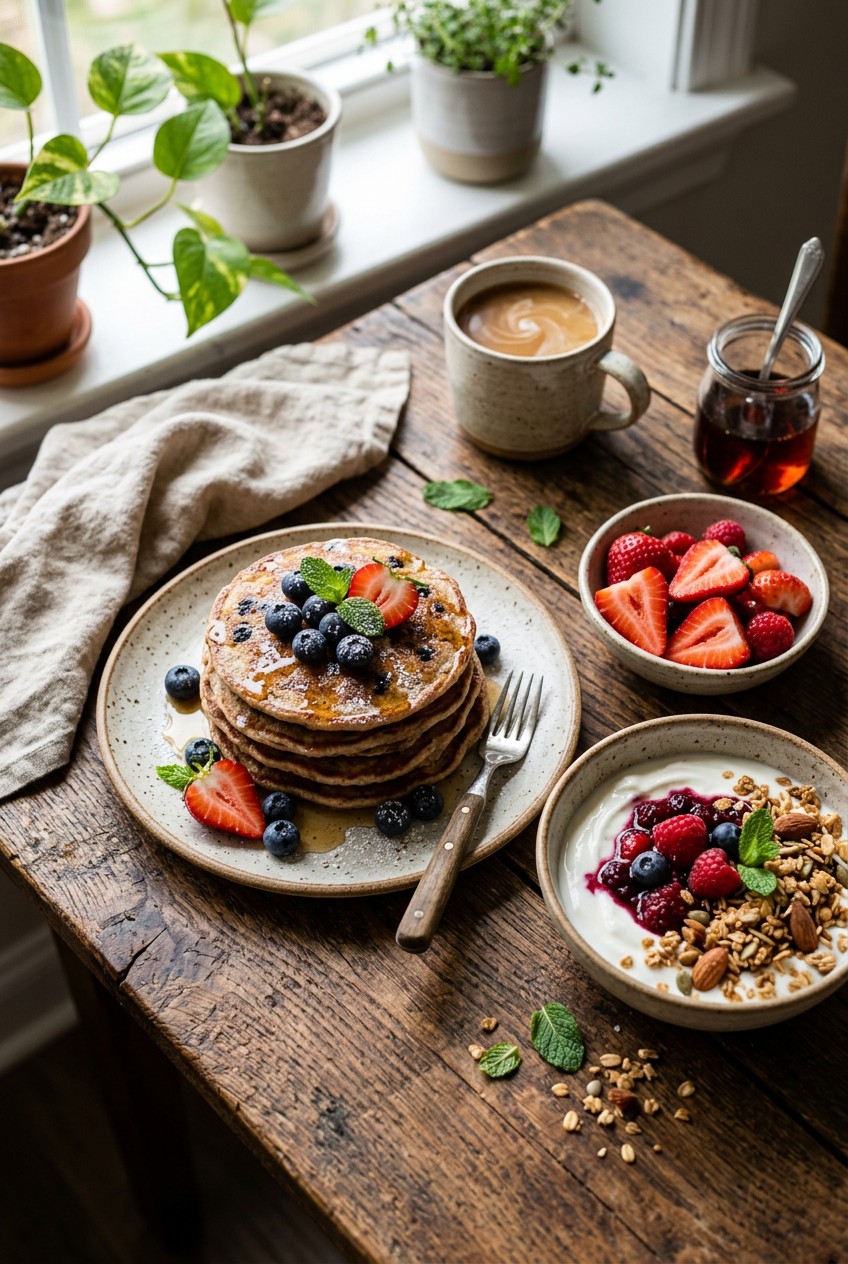
Aiming for 10 to 15 grams of protein is non-negotiable if you want your kids to make it to lunch without a massive meltdown. I tried this wrong for months. I’d give my son a plain piece of white toast with a thin scrape of jam and wonder why he was begging for snacks by 9 AM. The lack of protein was the culprit. Protein keeps blood sugar stable and stops those mid-morning crashes. One large egg gives you about 6 to 8 grams of protein. But my favorite hack is cottage cheese. I always buy Good Culture Cottage Cheese. It usually costs $4.99 for a 16oz tub at Target. A half cup delivers around 14 grams of high-quality protein. My kids used to hate the lumpy texture. I’d serve it cold and wet in a bowl, and they’d push it away. Now, I blend that half cup of Good Culture directly into their pancake batter. They literally can’t tell it’s hiding in there. I pour the batter onto a hot griddle, and they puff up perfectly. The pancakes come out fluffy, golden brown, and smelling like vanilla. I’m sneaking in a massive protein boost without a single complaint. You can also mix a spoonful into scrambled eggs right before they finish cooking to make them extra creamy. If you’re relying strictly on dry carbs for breakfast, you’re setting yourself up for a cranky, hungry kid. Protein is the anchor that holds their morning together.
2. Embrace Fiber-Rich Whole Grains

Fiber is the unsung hero of a stable morning mood and healthy digestion. Children aged 4 to 8 years need about 17 to 20 grams of fiber per day, and older kids need even more. I used to buy those flimsy, squishy white bread loaves because they were cheap. Huge mistake. They digest in five seconds flat and leave your kid starving. Now, I strictly use Dave’s Killer Bread 21 Whole Grains and Seeds. It costs around $5.99 per loaf at Sprouts, but it’s worth every penny. It has this hearty, slightly nutty texture that toasts up beautifully crisp. Two slices give you a massive fiber punch. I spread a little Kerrygold butter on top, and the butter melts right into all those little seeds, making it incredibly savory. The smell is heavenly. If bread isn’t their thing, oats are a perfect alternative. A single cup of cooked oatmeal delivers approximately 4 grams of fiber. I always grab Nature’s Path Organic Old-Fashioned Rolled Oats. They run about $6.49 for a large canister at most grocery stores. Don’t buy the instant packets loaded with artificial maple flavor. They smell like cheap syrup and spike blood sugar instantly. I learned that the hard way when my daughter bounced off the walls after eating a packet of neon-colored dinosaur egg oatmeal. Stick to the whole rolled oats. You can sweeten them yourself with a half cup of fresh, plump blueberries and a tiny drizzle of real amber maple syrup. The natural pop of the warm berries is infinitely better than dry sugar chunks.
3. Beware of Hidden Sugars in Cereal

The cereal aisle is basically a brightly colored candy store hiding in plain sight. Many popular kids’ cereals contain way more added sugar than any child should consume before 8 AM. The American Heart Association explicitly recommends less than 25 grams of added sugars per day for kids. I used to trust anything with a green organic label at Kroger. I bought this organic vanilla cluster cereal thinking I was a fantastic mom. I finally read the nutrition panel and realized it had 14 grams of sugar per serving. I was horrified. Now, I keep a strict rule for my pantry. I only buy cereals with 6 grams or less of added sugar per serving. Original Cheerios are a permanent staple in my house because they only have 2 grams of added sugar per serving. They cost about $4.49 for a regular yellow box. Cascadian Farm Organic Purely O’s are another fantastic option with less than 1 gram of sugar. If your kid is currently addicted to the super sweet, marshmallow-filled stuff, don’t just take it away cold turkey. They’ll riot. I use a simple blending trick. Mix one quarter cup of their favorite sugary cereal with three quarters of a cup of the plain Cheerios. You get the fun colors and a hint of crunchy sweetness, but you’re slashing the sugar intake drastically. It’s the easiest transition ever. Plus, they still feel like they’re getting a special treat without the inevitable sugar crash. You might also like: 20 Gorgeous Healthy Lunch Ideas That Make a Real Difference

KIND Breakfast Bars, Peanut Butter, Healthy Snacks
If you want something that just works, KIND Breakfast Bars is a safe bet (16 reviews, 4.5 stars).
4. Prep Overnight Oats for Busy Mornings

Mornings are chaotic, so making breakfast the night before is a lifesaver. Overnight oats are a massive trend, and for good reason. I personally swear by them for keeping my kitchen clean at 7 AM. You just combine a half cup of old-fashioned oats with one cup of milk, two tablespoons of chia seeds, and some fresh fruit. The chia seeds are crucial because they add 6 grams of protein and fiber. Plus, they swell up and give the oats a thick, creamy, pudding-like texture. I use Oatly Oat Milk. It’s typically $4.99 for a half-gallon at Trader Joe’s. It makes the oats incredibly rich and smooth. I’ll be honest. My first few batches of overnight oats were a disaster. I didn’t measure the liquid properly, and I ended up with a soupy, gray mess that smelled like wet cardboard. My son actually gagged when he tried to swallow it. Now, I stick strictly to the half cup of oats to one cup of milk ratio. I prep three glass mason jars on Sunday night. I layer the bottom with a quarter cup of frozen raspberries, pour in the oat mixture, and seal them tight with metal lids. By morning, the berries have thawed and created a gorgeous, bright pink syrup at the bottom. They’re thick, cold, and incredibly refreshing. The kids just grab a cold jar from the fridge, stir it up, and eat. You might also like: 20 Beautiful Low Calorie Dinner Ideas to Transform Your Space
5. Power Up Smoothies with Protein and Healthy Fats

Smoothies are the ultimate vehicle for hiding healthy ingredients from picky eaters. But a smoothie made of just fruit and apple juice is essentially a giant sugar bomb that digests too quickly. You’ve got to add protein and healthy fats to give it staying power. I start with a half cup of Fage Total 0% Milkfat Plain Greek Yogurt. It costs around $5.49 for a big 35.3oz tub at Walmart, and it provides a massive 17 to 24 grams of protein per cup. Then I add one cup of frozen fruit, one cup of milk, and one tablespoon of nut butter. Smucker’s Natural Peanut Butter is my absolute go-to. It’s around $3.79 a jar, and it only contains peanuts and salt. The thick, creamy peanut butter adds healthy fats that keep kids full until the lunch bell rings. I throw everything into my Vitamix and blend it on high for sixty seconds until it’s perfectly smooth. I also sneak in a small handful of fresh, crisp spinach. The sweet fruit completely masks the earthy taste. But let me warn you about a huge mistake I made last month. I tried to blend frozen blueberries and a massive handful of spinach together. The smoothie turned a terrifying, murky swamp brown color. It looked like mud. My kids refused to even look at it. If you’re adding greens, stick to yellow or green fruits like frozen mango, pineapple, or banana. The color stays a vibrant, appealing green. Smoothies are fast, but the visuals matter to kids. You might also like: 15 Charming School Healthy Lunch Ideas You Need to See
6. Don’t Underestimate the Power of Eggs for a Healthy Breakfast for Kids

Eggs are probably the most budget-friendly, nutrient-dense superfood on the planet. A dozen large eggs can usually be found for under $3 at Costco. They’re a complete protein source, giving you about 6 to 8 grams per egg. I used to think cooking eggs on a busy weekday morning took way too much time and dirtied too many pans. I was wrong. You can scramble two eggs with a small handful of shredded sharp cheddar cheese in exactly three minutes. The trick is keeping the heat medium-low so they stay soft and fluffy instead of turning into rubbery, dry yellow chunks. The melted cheese makes them incredibly savory. If three minutes is still too long, hard-boiled eggs are your best friend. I boil a dozen eggs every Sunday afternoon. But here’s a critical lesson I learned the hard way. Don’t peel them all in advance and leave them sitting naked in a plastic container. I did that once, and my entire fridge smelled like pungent sulfur for a solid week. It was vile. Keep them securely in their shells until you’re ready to eat them. My kids actually love cracking and peeling them. I use a cheap wire egg slicer to get perfectly even pieces. I slice a cold, firm hard-boiled egg, sprinkle it with a tiny pinch of flaky sea salt, and serve it with a warm slice of whole wheat toast. It’s simple, nutritious, and keeps them energized.
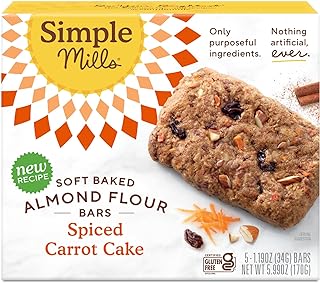
Simple Mills Almond Flour Snack Bars, Spiced Carrot Cake
Simple Mills Almond Flour Snack Bars has been one of the most consistently praised picks in this category. 532 reviewers averaged 4.5/5.
7. Rethink Yogurt Choices for Your Kids

Those brightly colored squeeze tubes of yogurt marketed specifically to kids are a nutritional nightmare. They’re packed with artificial dyes and insane amounts of added sugar. I used to buy the bright red strawberry flavor thinking it was healthy because it had a cartoon strawberry on the box. Then I finally read the label and realized it had more sugar than a literal scoop of vanilla ice cream. I completely overhauled our yogurt routine that same day. Now, I only buy plain, unsweetened Greek yogurt. Chobani Plain Greek Yogurt is fantastic and costs about $1.50 per single-serving cup at Whole Foods. Greek yogurt is wonderfully thick and offers significantly more protein than regular, watery yogurt. However, the plain flavor is very tart, so you’ve absolutely got to sweeten it yourself. I add a half cup of fresh, juicy diced strawberries. That adds about 4 grams of natural fiber. Then I drizzle exactly one teaspoon of raw, golden honey over the top. The honey gives it a beautiful, floral sweetness without causing a massive sugar spike. At first, my daughter complained loudly that her bowl wasn’t pink enough. I started mashing a few soft raspberries into the plain yogurt with a fork before serving it to her. The natural red juice swirls in and turns the yogurt a gorgeous pastel pink. I serve it in a wide, shallow bowl so she can see all the bright pink swirls. She loves the fun color, and I love that she’s eating a genuinely healthy breakfast.
8. Embrace the Breakfast Bowl Trend

Breakfast bowls are evolving way beyond standard, boring oatmeal. The 2026 trend is all about savory and sweet ancient grain bowls, and they’re surprisingly kid-friendly if you prepare them correctly. We do a warm quinoa breakfast bowl twice a week now. Quinoa is a fantastic plant-based, high-quality protein source that cooks up fast. I cook a big batch of plain quinoa on the weekend and store it in a glass container. On busy mornings, I scoop out a half cup of cold quinoa and heat it up in a saucepan with a generous splash of milk. I top it with a quarter cup of freshly sliced bananas, one tablespoon of chopped walnuts for healthy fats, and a tiny drizzle of pure maple syrup. The warm milk softens the quinoa seeds, and it gets this wonderful, creamy texture that mimics traditional porridge. The whole kitchen smells like toasted nuts and warm maple syrup. Honestly, this changed how I view morning carbs. Most people get this wrong by trying to serve quinoa completely plain and dry. I tried serving it dry to my son once, and he dramatically told me it tasted like hot sand. He wasn’t wrong. You’ve got to add moisture and crunchy texture. The crunch of the walnuts mixed with the soft, warm, sweet grains is incredibly satisfying. You can buy a massive bag of organic quinoa at Costco for around $10.99, and it’ll last you for months. It’s a brilliant, inexpensive way to mix up your morning routine.
9. Prep Ahead to Save Time and Stress

If you’re trying to chop hard vegetables or whisk messy batter at 6:30 AM while packing lunchboxes, you’re setting yourself up for failure. Dietitians constantly recommend prepping components the night before, and I completely agree. Making mornings less stressful is half the battle for a healthy family. I use flexible silicone muffin cups to make large batches of baked egg cups. I whisk twelve eggs in a big bowl, toss in a half cup of salty diced ham and a half cup of chopped fresh spinach. Then I pour the mixture into the silicone liners. I bake them at 350 degrees for twenty minutes until they puff up beautifully. The silicone is crucial here. I used to use a regular metal muffin tin with paper liners. The cooked eggs glued themselves permanently to the paper, and we ended up eating half paper, half egg. It was a disaster. The silicone cups let the eggs slide right out effortlessly. I bought a colorful pack of 12 for $8.99 on Amazon. The best part? The silicone cups wash clean in seconds with just a quick rinse of warm soapy water. I keep the baked egg cups in an airtight container in the fridge. In the morning, I just pop two of them on a plate and microwave them for thirty seconds. They come out steaming hot and smell amazing. Having a hot, savory, protein-packed breakfast ready in under a minute completely changes the morning mood.

Downshiftology Healthy Meal Prep: 100+ Make-Ahead Recipes
A dependable everyday pick — Downshiftology Healthy Meal Prep: 100+ Make-Ahead Recipes and Quick-As. Not flashy, just solid.
10. Don’t Be Afraid of Non-Breakfast Foods for a Healthy Breakfast for Kids

We’ve been brainwashed by marketing into thinking breakfast has to be cereal, eggs, or sticky pancakes. The FDA actually suggests going beyond traditional breakfast foods as long as you maintain a healthy nutritional balance. Some of my kids’ best, most filling morning meals have been leftovers directly from dinner. I know it sounds weird, but stick with me. A cold turkey and provolone cheese sandwich on whole-wheat bread is an incredible breakfast. I use Applegate Naturals Oven Roasted Turkey Breast (around $6.49 a pack at Target). It has lean protein, complex carbs, and healthy fats. Last Thursday, my son ate leftover homemade pizza for breakfast. I pop the leftover pizza in the toaster oven for five minutes so the crust gets crispy again. It had a thick whole-grain crust, low-moisture mozzarella, and roasted sweet bell peppers. He was absolutely thrilled, and I was happy because he was eating real, nutrient-dense food instead of a sugary pastry. I used to fight with my kids to eat their scrambled eggs while perfectly good roasted chicken and sweet potatoes sat untouched in the fridge from the night before. I finally let go of the rigid breakfast food rules. If your kid wants a warm bowl of hearty lentil soup or a leftover chicken wrap at 7 AM, let them have it. It’s far better than a processed toaster pastry loaded with artificial icing and preservatives. Breaking this silly rule opened up so many fast, healthy options for our family.
Finding a healthy breakfast for kids doesn’t mean you have to wake up at dawn to cook a complicated gourmet meal. You just need a few smart ingredients, a little bit of weekend prep, and the willingness to finally ditch the sugary junk. I’ve seen firsthand how these small, practical changes eliminate morning meltdowns and keep kids fully focused until lunch. Grab that tub of cottage cheese, start boiling those eggs, and stop stressing over serving picture-perfect meals. I highly recommend trying just one of these ten ideas tomorrow morning. Start small and see how your kids react. If you found this advice helpful, please save or pin this article so you can easily reference these exact brands, prices, and recipes the next time you’re wandering the grocery store aisles in a panic!
Frequently Asked Questions
What is a good healthy breakfast for kids who are picky eaters?
Smoothies are fantastic for picky eaters. You can easily blend spinach or cottage cheese into a fruit smoothie. The sweet fruit completely hides the healthy ingredients, ensuring they get protein and vitamins without any complaints.
How much protein does a healthy breakfast for kids need?
Aim for 10 to 15 grams of protein. This amount keeps their blood sugar stable and prevents mid-morning energy crashes. Foods like Greek yogurt, eggs, and cottage cheese are excellent, kid-friendly protein sources.
Can I prep a healthy breakfast for kids the night before?
Absolutely. Prepping is the best way to save time. You can make overnight oats in mason jars, bake silicone cups of scrambled eggs, or pre-chop all your smoothie ingredients so mornings are completely stress-free.
Are traditional kids cereals considered a healthy breakfast for kids?
Most aren’t. They’re usually packed with artificial dyes and added sugars. Always read the nutrition label and look for options with 6 grams or less of added sugar per serving, like plain Cheerios.
